From decoration to dialogue: what a japanese craft luxury hotel partnership really means
In Japan, the most interesting luxury hotels now treat craft as a living dialogue rather than static décor. A genuine japanese craft luxury hotel partnership brings artisans into the creative process from the first sketches of the property and keeps them present in the guest experience long after check in. For couples planning a stay in a luxury hotel in Japan, this shift turns a beautiful room into a narrative you can touch, use and sometimes take home.
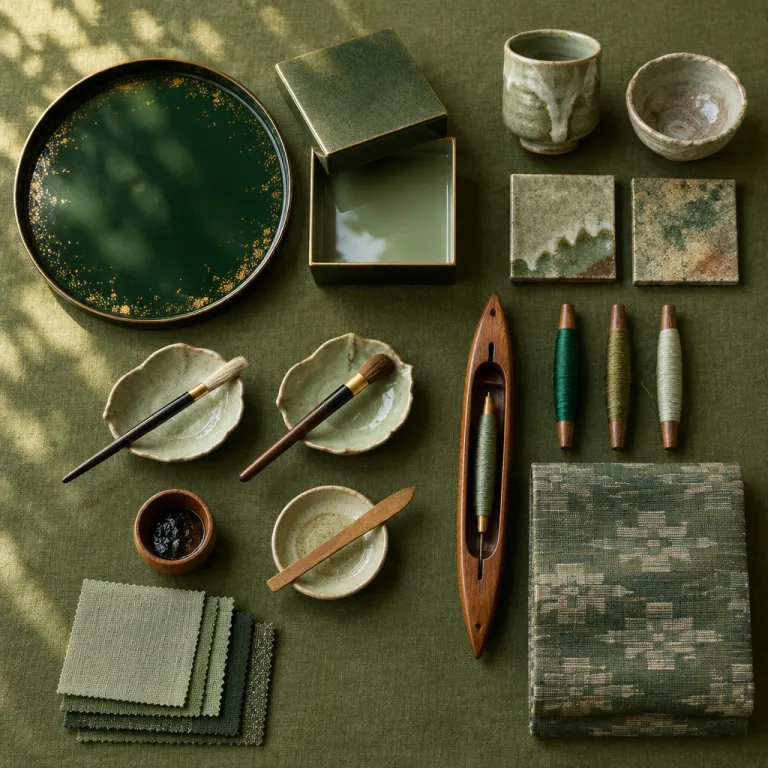
Across Tokyo and Kyoto, leading hotels and resorts are commissioning urushi lacquer, regional ceramics and hand woven textiles as core elements of their design language. Instead of anonymous furnishings, guest rooms might feature lacquer trays from a coastal atelier, ceramic tea bowls from a mountain kiln and cushions woven in a pattern that references the nearby imperial palace gardens. The result is that each hotel in Japan feels less like a global template and more like a precise response to its neighbourhood, its climate and its traditional Japanese craft heritage.
This approach is clearest in properties that treat craft as experience, not ornament. A japanese craft luxury hotel partnership often includes studio visits, kiln tours or on site demonstrations where guests watch clay being thrown or lacquer being polished to a hot, mirror like sheen. When a hotel in Tokyo or a hotel in Kyoto invites artisans to host small workshops, couples gain a deeper understanding of why these materials matter and how they have shaped Japanese daily life from onsen bathing rituals to the way a ryokan serves breakfast.
Inside the rooms: how lacquer, ceramics and textiles shape the stay
Step into the guest rooms of the most thoughtful luxury hotels in Japan and the difference is immediate. The interior design is not just about calm palettes and soft lighting ; it is about how every object, from the tea set to the shoji inspired screens, carries the imprint of a japanese craft luxury hotel partnership. For couples moving between Tokyo and Kyoto, this means each stay becomes a quiet lesson in regional identity rather than a repeat of the same international look.
In a refined hotel Tokyo side, you might find urushi lacquer trays made in collaboration with a historic workshop, their deep red surfaces catching the morning light from an open air balcony. In a discreet hotel Kyoto property, the same breakfast could arrive on locally fired ceramics whose glazes echo the moss and stone of nearby temple paths. These choices extend to the onsen or private onsen areas, where hand thrown vessels hold spring water infusions and woven textiles soften the transition between hot springs and tatami floored rooms.
Textiles are often where the design language becomes most intimate. Headboards may be wrapped in hand dyed cloth, cushions woven on looms in rural Japan and noren curtains stitched with motifs that reference traditional Japanese festivals or the imperial palace skyline. Our earlier guide to how washi, indigo and Arita porcelain are reshaping luxury hotel rooms across Japan shows how these collaborations move beyond surface style, and the same principle applies when lacquer, kilns and looms define the character of a hotel Japan stay.
From spa rituals to hot spring culture: when craft enters the body
Some of the most meaningful japanese craft luxury hotel partnership stories unfold not in the lobby but in the spa and onsen zones. When a luxury hotel integrates artisan made objects into its wellness rituals, the experience of hot spring bathing or a massage becomes a lesson in materials and regional history. For couples seeking a romantic escape, this can turn a standard spa visit into a shared memory anchored in touch, scent and temperature.
In hotels and resorts built around a natural hot spring, you may find urushi lacquer bowls used for aromatic rinses, or ceramic basins shaped by kilns that have supplied nearby ryokan for generations. Massage rooms might feature textiles woven specifically to respond to the humidity of hot springs, keeping the body warm without feeling heavy. In some properties, a private onsen suite includes open air soaking tubs whose clay comes from the same valley that produced the tea cups in your guest rooms, creating a subtle continuity between bathing and dining.
Partnerships can also extend to the spa product line, where camellia oil, rice bran and hinoki are sourced from long standing craft houses rather than anonymous suppliers. Our feature on when a 165 year old camellia oil maker becomes your hotel's spa partner explores how such collaborations deepen trust and transparency. When a japanese craft luxury hotel partnership is handled with this level of care, the spa becomes a place where traditional Japanese knowledge, contemporary design and the natural spring environment meet in a single, coherent experience.
Architecture, kengo kuma and the craft of space itself
Craft in Japan is not limited to objects ; it also shapes how space feels underfoot, in the hand and in the ear. Architects such as Kengo Kuma have shown how a japanese craft luxury hotel partnership can begin with the building envelope, using timber, paper and stone in ways that echo traditional Japanese construction while remaining firmly contemporary. For couples choosing between a glass tower in Tokyo and a low slung retreat in Kyoto, this attention to materials can be the deciding factor.
In some hotel Tokyo projects, screens of cedar or bamboo filter the city’s hot light, creating a soft transition from the street to the lobby. In a hotel Kyoto setting, the same architect might use clay walls, hand laid tiles and textile acoustic panels to reference nearby temples and the imperial palace without copying them. These choices are not decorative afterthoughts ; they are the structural expression of a japanese craft luxury hotel partnership that respects how local artisans understand climate, sound and privacy.
Behind the scenes, the collaboration can be even more intricate. Carpentry teams, plasterers and metalworkers bring their own design language to stair rails, window frames and even the way an onsen handrail meets the hot water. Our report on the architecture guests never see in Japanese luxury hotels explains how service corridors and back of house areas also benefit from this craft mindset. When a property treats every hinge, handle and hallway as part of its art design story, guests feel an almost invisible coherence from lobby to guest rooms.
How to read a japanese craft luxury hotel partnership when you book
For travelers browsing luxury hotels in Japan, separating marketing from meaningful collaboration can be challenging. A true japanese craft luxury hotel partnership will name the crafts involved, explain the regions they come from and describe how artisans were involved beyond supplying items for the gift shop. When you read about a hotel Japan stay, look for evidence that craft shapes the rooms, the spa, the onsen culture and even the daily rituals of service.
Start with the basics of design and materials. Does the property describe its interior design in terms of specific crafts, such as urushi lacquer from a coastal town, ceramics from a particular kiln or textiles woven in a mountain village between Tokyo and Kyoto ? Are there references to long term relationships, seasonal commissions or workshops hosted on site, rather than one off purchases ? When a hotel mentions partners like Capella Kyoto or other international names, pay attention to how they integrate traditional Japanese elements rather than simply importing a global template.
Then consider how the experience extends beyond aesthetics. Are there opportunities to visit studios, learn about hot springs culture or understand why a private onsen has been shaped in a certain way for open air bathing ? Does the hotel share stories about supporting rural economies, preserving endangered crafts or training younger artisans to work alongside established masters ? When these details are present and coherent, a japanese craft luxury hotel partnership becomes more than a design flourish ; it turns your stay into a quiet act of cultural participation.
FAQ
How can I tell if a hotel in Japan has a genuine craft partnership ?
A genuine japanese craft luxury hotel partnership is usually transparent about the artisans and regions involved. Look for clear explanations of which crafts appear in guest rooms, spa areas and onsen facilities, and how long the collaboration has been running. If the property offers workshops, studio visits or detailed stories about materials, it is more likely to be a serious commitment than a decorative trend.
Are craft focused luxury hotels only found in Kyoto and Tokyo ?
Kyoto and Tokyo remain key hubs for design led luxury hotels, but craft driven properties are spreading across regional Japan. You will find ryokan near hot springs, coastal hotels and mountain resorts working closely with local kilns, lacquer studios and textile workshops. When researching, pay attention to how each property describes its connection to nearby towns and traditional Japanese industries.
Do artisan collaborations make a stay more expensive ?
Rates at luxury hotels that invest in craft partnerships can be higher, because handmade materials and long term collaborations carry real costs. However, these properties often deliver better value through richer experiences, from meaningful spa rituals to thoughtfully designed guest rooms. For many couples, the ability to trace the story behind each object justifies choosing these hotels over more generic options.
Can I buy the craft pieces I see in my room or spa ?
Many hotels and resorts that prioritise japanese craft luxury hotel partnership models offer curated retail corners or direct ordering from artisans. You may be able to purchase the ceramic tea cups, lacquer trays or textiles used in your room, sometimes with custom options. When this is not obvious, ask the concierge ; well organised properties will gladly connect you with the makers.
Is it possible to enjoy these craft experiences on a short stay ?
Even a one or two night stay can include meaningful encounters with Japanese craft if you plan ahead. Choose a property that integrates artisans into daily rituals, such as tea service, onsen bathing or evening turndown, so you experience the partnership without needing a full workshop. If time allows, ask the hotel to arrange a brief studio visit or demonstration to deepen your understanding.