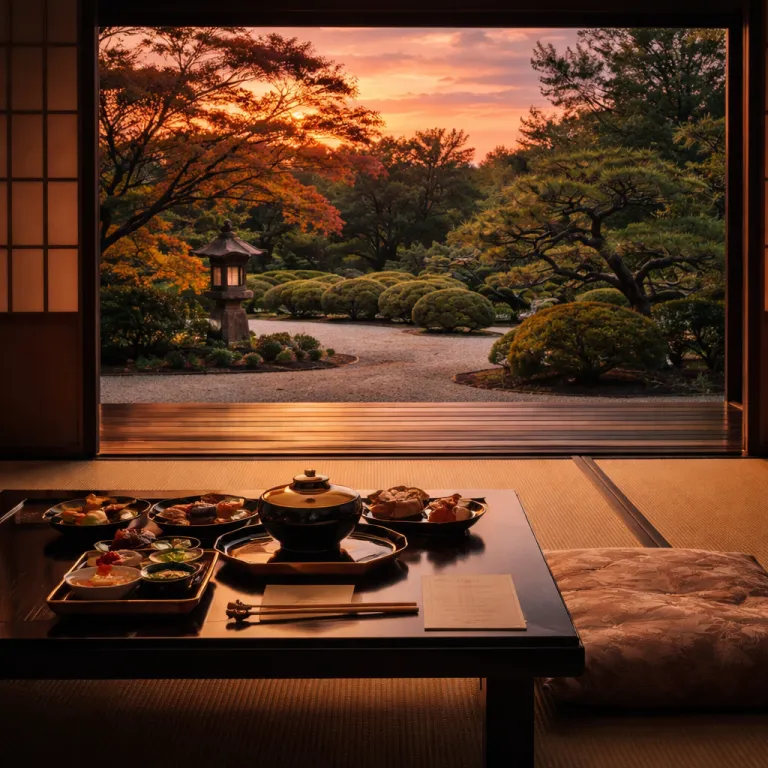
Understanding kaiseki in a hotel context in Japan
Kaiseki in a hotel setting in Japan is still a traditional multi course dinner, but framed by concierge teams, room categories and check in times. A traditional Japanese kaiseki meal is defined as a sequence of small dishes that showcase seasonal ingredients, textures and temperatures in a precise order. When you book a kaiseki hotel in Japan, you are not just reserving dinner, you are buying a complete experience that shapes your evening from the first welcome tea to the last mizumono dessert.
Specialists describe kaiseki cuisine as “A traditional multi-course Japanese dinner emphasizing seasonal ingredients.” That definition matters in a hotel because the chef must balance the classic kaiseki ryori structure with the realities of room service timing, wine pairing lists and guests arriving from long haul flights. In practice, a kaiseki hotel in Japan will usually offer a fixed course dinner in a dedicated dining room, sometimes with private dining rooms served for couples who prefer a quieter atmosphere.
The classic kaiseki sequence is worth understanding before you sit down to dinner Japanese style. A typical course dinner may include sakizuke (an amuse bouche style appetizer), hassun (a seasonal plate that sets the theme), mukozuke (sashimi), takiawase (vegetables and protein simmered together), futamono (lidded soup), yakimono (grilled dish), su zakana (palate cleanser), hashiyasume (rest for the chopsticks), shiizakana (a richer dish), gohan (rice), ko no mono (pickles) and mizumono (dessert). When this meal is served in a hotel, staff can explain each dish in English, which makes the experience more approachable than some restaurant kaiseki counters in the city.
Prices for a kaiseki meal in Japan range widely, and hotel menus sit comfortably in the middle of that spectrum. Data from Japanese cuisine references indicate that a kaiseki meal can cost from 5,000 to 40,000 yen per person, with hotel course dinners often including service and tax in the room package. For many travelers, booking a kaiseki hotel in Japan is the most efficient way to secure a high level dinner without navigating waitlists at standalone restaurant kaiseki addresses.
How hotel kaiseki differs from ryokan and standalone restaurants
Hotel based kaiseki cuisine has its own rhythm, shaped by elevators, room numbers and late arrivals from the airport. In a classic ryokan Japanese inn, the meal served is usually brought directly to your tatami room, with staff quietly laying out each dish while you change from travel clothes into a yukata. By contrast, a luxury city hotel in Japan will often host kaiseki dinners in a formal dining room, where wine lists, linen and polished service teams create a different kind of traditional Japanese atmosphere.
Both formats can be excellent, but they serve different types of experience for couples. A rural ryokan with a hot spring on site, such as Kayotei in Yamanaka Onsen or Yoshiike Ryokan in Hakone, will lean into traditional Japanese style hospitality, with seasonal ingredients sourced from nearby farmers and fishmongers. In these ryokan, kaiseki ryori is usually served in your room or in a small dining room, and the time between courses is unhurried, allowing you to move between the onsen and the meal without feeling rushed.
Urban hotels in Japan, such as Imperial Hotel Tokyo or Cerulean Tower Tokyu Hotel, offer a different angle on kaiseki cuisine. At Imperial Hotel Tokyo, the restaurant Kamon sits alongside French fine dining at Les Saisons, which means you can pair a kaiseki dinner Japanese menu one night with a Western tasting menu the next, all charged to the same room. Cerulean Tower’s Ryotei Sukiya recreates sukiya zukuri tea house architecture inside the hotel, offering private dining rooms served for small groups and couples who want a more secluded kaiseki lunch or dinner.
Hotel kaiseki has one clear advantage over many standalone restaurant kaiseki venues in Japan. Reservations are usually tied to your room booking, which makes it easier to secure a table during peak cherry blossoms season or autumn foliage trips when popular Japanese cuisine restaurants are fully booked. For travelers comparing luxury hotel suites with ryokan stays, it can be helpful to read detailed guides to refined stays and exclusive experiences, such as the overview of luxury hotel suites in Japan on MyJapanStay, before deciding where to anchor their kaiseki focused nights.
Choosing between hotel kaiseki, ryokan rooms and private dining
Couples planning a kaiseki hotel stay in Japan often face a simple but important choice. Do you want your kaiseki meal served in a formal dining room with polished hotel service, or do you prefer a ryokan Japanese room where dinner arrives on low tables while you sit in yukata. The answer shapes not only the meal served but the entire evening, from the timing of your hot spring soak to how you pair wine or sake with each dish.
For a first time kaiseki experience, many travelers feel more comfortable in a hotel where staff are used to explaining each course dinner in English. A property that positions itself clearly as a kaiseki hotel in Japan will usually have English language menus that list seasonal ingredients, cooking methods and suggested drinks, which helps you understand the structure of the meal. These hotels also tend to be more flexible about food allergies, and they will encourage you to inform food preferences or restrictions at the time of booking so the kitchen can adjust specific dishes.
Ryokan stays, especially in places like Kaiseki Yado Ougiya in Saga Prefecture, offer a more traditional Japanese immersion. Here, the kaiseki cuisine is often served in your room or in a small Japanese style dining room, and the staff may speak less English but compensate with attentive, quiet service. The rhythm of the evening revolves around the hot spring, with time to bathe before dinner, return to the onsen between dishes, and then sleep on futons laid out while you are enjoying the final mizumono course.
Some couples prefer a hybrid approach, using a city hotel as a base for sightseeing and then booking one or two nights at a ryokan for a deeper Japanese traditional experience. Guides to top rated hotels in Japan for luxury and premium travelers, such as those on MyJapanStay, can help you identify properties where kaiseki is a highlight rather than an afterthought. When you compare options, look at whether private dining rooms served for couples are available, how many kaiseki lunch or dinner seatings there are each night, and whether the property can guarantee a view of gardens, city lights or even distant Mount Fuji from the dining spaces.
How to read a kaiseki menu and talk to the staff
Understanding the structure of a kaiseki menu turns a beautiful dinner into a fully informed experience. When you sit down in a kaiseki hotel in Japan, the staff will usually present a printed menu listing each dish in order, often with poetic names that reference seasonal ingredients or local landscapes. Take a moment to read through the sequence, then ask the staff to point out which dishes are raw, grilled, simmered or steamed so you can pace your wine or sake choices.
The classic kaiseki ryori sequence is not just culinary tradition, it is choreography. Early courses such as sakizuke and hassun are light, designed to awaken the palate, while later dishes like yakimono and shiizakana carry more intensity and richness. When the meal is served in a hotel dining room, you can ask the staff to slow the pacing between dishes if you want more time to talk, or to speed up slightly if you have a later engagement, which is harder to request in some restaurant kaiseki settings.
Communication about food allergies and preferences is essential, especially in multi course dinners where many elements are pre prepared. When you book your room at a kaiseki hotel in Japan, use the reservation form to inform food restrictions clearly, listing shellfish, gluten, nuts or other concerns in detail. On arrival, repeat this information to the staff, and ask them to confirm which dishes have been adapted, so you can relax and enjoy the Japanese cuisine without worrying about hidden ingredients.
Photography etiquette is another area where hotel staff can guide you. In most hotel dining rooms and private dining rooms served for couples, discreet photography of the dishes is acceptable, but flash should be avoided to respect other guests. If you are in a more traditional Japanese style ryokan setting, ask quietly whether photos are appropriate, especially if the meal is served in a shared dining room with other guests enjoying their own time and view of the seasonal dishes.
Three kaiseki focused stays to book for your next trip
Some properties in Japan treat kaiseki as the heart of the stay rather than a side offering. Kayotei in Yamanaka Onsen is a traditional Japanese ryokan where the kaiseki cuisine leans heavily on local mountain vegetables, river fish and seasonal ingredients sourced from nearby producers. Meals are usually served in your room or in an intimate dining room, and the presence of a hot spring on site allows you to move between onsen and course dinner in a slow, almost ritual rhythm.
In Kyushu, Kaiseki Yado Ougiya in Takeo offers a different regional expression of kaiseki ryori. Here, the focus is on Japanese cuisine that reflects local Saga produce, with dishes that might include carefully grilled seafood, delicate simmered vegetables and rice cooked in traditional Japanese style pots. Couples who book this ryokan Japanese stay often comment on the quiet private dining feeling, even when the meal is served in a shared space, because staff manage timing so each table feels almost served private.
Closer to Tokyo, Yoshiike Ryokan in Hakone combines an onsen hotel layout with extensive gardens that are particularly atmospheric during cherry blossoms season. Many rooms overlook ponds and landscaped greenery, and some offer a partial view of surrounding hills that hint at the wider Fuji region beyond. The kaiseki hotel experience here centers on seasonal dishes served after a long soak in the hot spring, with the meal served either in guest rooms or in a Japanese traditional dining room depending on your booking.
For travelers who prefer to stay in the city yet still want a strong kaiseki component, it is worth looking at premium hotel experiences in Shinjuku and other central districts. Guides such as the MyJapanStay article on premium hotel experiences in Tokyo’s Shinjuku district can help you identify properties where Japanese style dining, wine pairings and thoughtful service come together. Whether you choose a rural ryokan or an urban hotel, the key is to treat kaiseki not as a one off dinner, but as the organizing principle of at least one night of your journey through Japan.
FAQ
What is kaiseki cuisine in a hotel setting ?
Kaiseki cuisine in a hotel setting is a traditional multi course Japanese dinner served within a property that also provides accommodation, hot springs or city facilities. The structure of the meal follows classic kaiseki ryori sequences, but service is adapted to room categories, check in times and guest preferences. This makes kaiseki more accessible for international travelers who want guidance in English and flexible pacing.
Where can I experience kaiseki in Japan during a hotel stay ?
You can experience kaiseki in Japan at both city hotels and ryokan inns that specialize in Japanese cuisine. Properties such as Kayotei, Kaiseki Yado Ougiya and Yoshiike Ryokan are known for integrating kaiseki dinners into their overall stay, often with meals served in guest rooms or intimate dining rooms. Many luxury hotels in Tokyo, Kyoto and Osaka also host restaurant kaiseki venues within their buildings.
How much does a kaiseki meal cost when booked with a hotel ?
The cost of a kaiseki meal booked with a hotel in Japan typically falls within the broader national range of 5,000 to 40,000 yen per person, depending on location and ingredient quality. In many cases, hotels offer packages where the meal is included in the room rate, which can provide better value than booking dinner separately. Always check whether tax and service charges are included when comparing prices.
How should I handle food allergies for a kaiseki dinner ?
If you have food allergies, you should inform food restrictions at the time of booking your room and again at check in. Kaiseki menus rely on seasonal ingredients and advance preparation, so chefs need clear information to adjust specific dishes safely. Ask staff to confirm which courses have been modified, and do not hesitate to repeat your allergies to ensure a relaxed experience.
Is kaiseki better in a ryokan or in a city hotel ?
Kaiseki is not inherently better in a ryokan or a city hotel, it is simply different. Ryokan stays emphasize traditional Japanese style hospitality, with meals often served in your room and a strong connection to local seasonal ingredients. City hotels offer more formal dining rooms, extensive wine lists and easier access to urban sightseeing, which some couples prefer for a shorter stay.