Discover the top hotels in Okinawa Prefecture, Japan. Compare main-island beach resorts and remote island luxury stays, with tips on transfer times, room types, pools, hot springs, dining, and the best seasons to visit.
Top Hotels in Okinawa Prefecture Japan
Why Okinawa Prefecture is a compelling hotel destination
Coral-fringed islands, warm air even in early spring, and a slower rhythm than mainland Japan; Okinawa Prefecture feels like a different country while remaining unmistakably Japanese. For travelers choosing a hotel in Okinawa Japan, the first decision is not the room type, but which coastline and which island will frame your stay. The prefecture stretches from the main island down to remote specks in the Pacific, and the character of your hotel changes dramatically with each area.
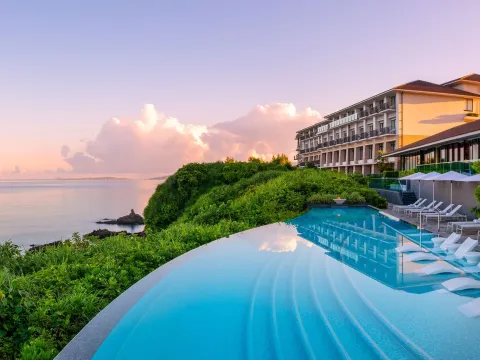
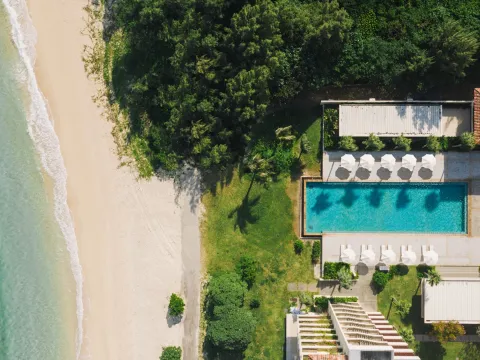
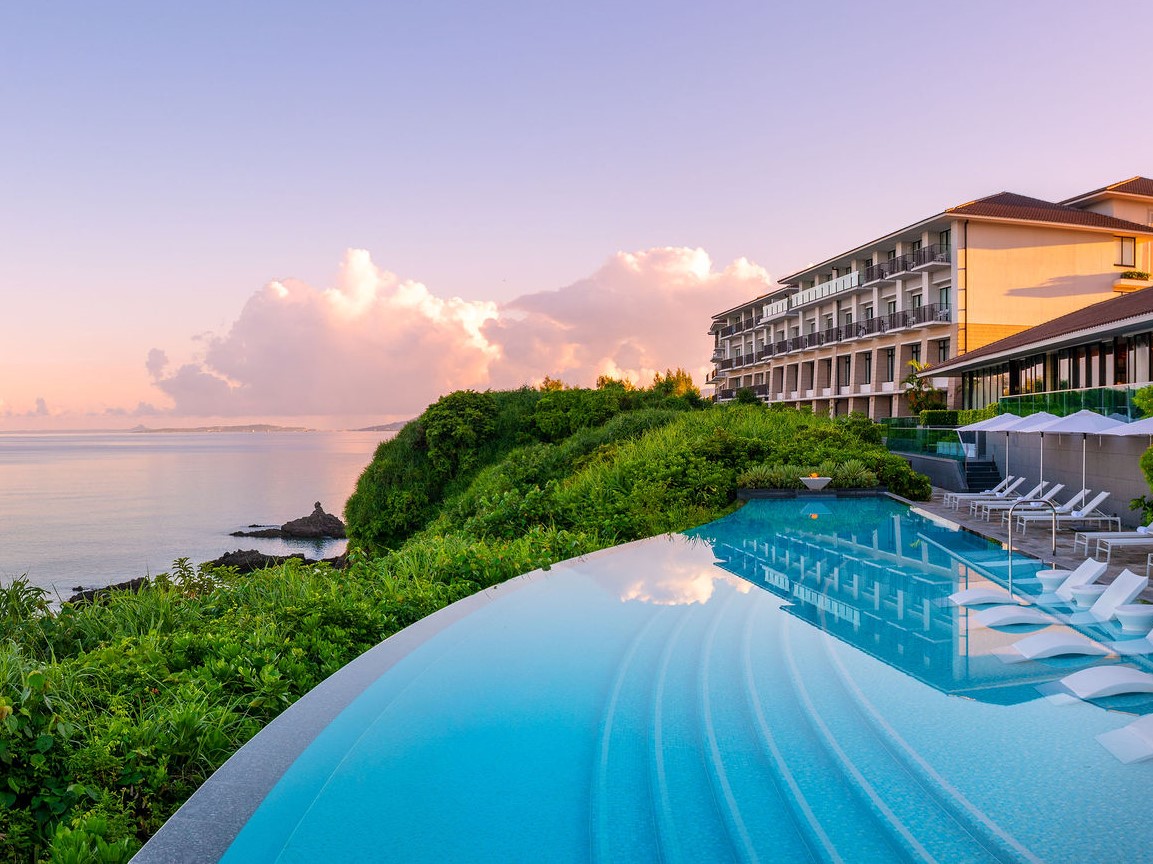
On the main island, resorts along the western shore look straight onto an almost unreal emerald sea, with long arcs of sand and a string of pools stepping down toward the water. Here, large hotels lean into refined luxury; wide terraces, generous room sizes, and a strong focus on dining and spa rituals. Further south, near Naha, properties feel more urban-resort, pairing rooftop bars and compact pools with quick access to markets and cultural sites such as Shurijo Castle Park and Kokusai Dori.
Out on Miyakojima or the smaller islands, the mood shifts again. Hotels are lower to the ground, closer to the ocean natural landscape, and the night sky is darker, with stars clearly visible from your balcony or private pool. If you are asking whether Okinawa is a good choice for a premium stay, the answer is simple; it is one of the few places in Japan where you can combine serious resort comfort with year-round sea swimming and a distinct local culture shaped by the former Ryukyu Kingdom.
Main island vs remote islands: choosing your base
North of Naha, the coastal road that curves through Onna and beyond is lined with many of the prefecture’s most established luxury hotels. This stretch is ideal if you want a classic resort; multiple pools, a full spa, several restaurants, and structured activities for guests who prefer not to plan every day. The beaches here are carefully maintained, the water is a clear blue sea in calm weather, and access from Naha Airport is straightforward by car, usually around 60–90 minutes to the main Onna beach resorts depending on traffic.
Continue north toward Nago and the atmosphere becomes quieter, with resorts more spaced out and views opening onto wider bays. This suits travelers who want space and a sense of retreat, but still appreciate a polished room hotel product with a high star rating and attentive service. You are also closer to forested interiors and capes where the ocean feels wilder, which can be a welcome contrast to the manicured resort lawns, and driving times from Naha Airport typically stretch to about 90–120 minutes.
By contrast, islands such as Miyakojima or the Yaeyama group reward those willing to add a domestic flight. Hotels there tend to sit directly on smaller coves, with fewer rooms and a stronger connection to the surrounding sea and coral. The trade-off; you gain intimacy and a more soulful island pace, but you lose some of the choice in dining and shopping that the main island offers. For many, that is precisely the point, especially if you value uncrowded beaches like Yonaha Maehama or Kabira Bay over nightlife.
Understanding Okinawa’s luxury hotel styles
Glass-fronted lobbies framing the horizon, long corridors scented with subtle florals, and staff uniforms that nod to Ryukyu textiles; luxury hotels in Okinawa lean into a specific aesthetic. It is not the hushed, tatami-lined world of a mountain ryokan, but a coastal interpretation of Japanese hospitality. Expect a blend of contemporary architecture, generous use of stone and wood, and a color palette drawn from coral, sand, and the emerald sea outside.
Some properties pursue timeless elegance with almost residential interiors; think low-slung sofas, art books on the coffee table, and terraces that feel like an extension of your living room. Others are more overtly resort-like, with dramatic pools, cabanas, and a social bar scene at sunset. When you read about a place described as a house for the soul, it usually means the design invites you to slow down, not to perform, and that the layout encourages you to move easily between room, pool, and beach.
One name you will encounter often in conversations about refined luxury on the main island is Halekulani Okinawa. While we will not dissect individual properties here in depth, it is enough to say that this brand has helped set expectations for what a high-end resort in Onna can be; layered pools, meticulous Japanese service, and a strong emphasis on both privacy and views. Use that as a mental benchmark when comparing other hotels in the region, alongside well-known neighbors such as The Busena Terrace and The Ritz-Carlton, Okinawa.
Rooms, pools and hot springs: what to look for
Room categories in Okinawa’s top hotels can vary more than first-time visitors expect. Entry-level rooms often already offer balconies and partial sea views, while higher categories add corner layouts, larger terraces, or direct access to a pool. When you see mention of a private pool, check carefully whether it is genuinely exclusive to your room or part of a semi-shared cluster; the difference matters if you value privacy and quiet, and it often explains why nightly rates can range from roughly ¥30,000 to well over ¥100,000 per room.
Many resorts feature multi-tiered pool complexes; a family-friendly main pool, a quieter adults-only area, and sometimes a lap pool tucked away for serious swimmers. The best-designed ones align the water’s edge with the horizon so that you float facing the open ocean natural panorama, with only a slim line of glass between you and the sea breeze. If you plan to spend long days on property, the pool layout will shape your experience as much as the room itself, especially in larger resorts with three or more distinct swimming areas.
Hot spring facilities, when available, add another layer. Not every hotel in Okinawa has a true hot spring, but those that do often create indoor-outdoor bathing zones where you can soak while watching the sky shift from blue to indigo. For travelers used to mainland onsen culture, the combination of warm mineral water and subtropical air feels almost decadent. Always check whether the bathing areas are gender-separated, mixed, or offer private options that can be reserved by the hour, and whether access is included in the room rate or charged as a separate spa fee.
Dining, bars and the Okinawan take on Japanese cuisine
Breakfast in a serious Okinawa resort is rarely an afterthought. You might start the day with local fruits, island tofu, and still-warm bread, then move to a Japanese set featuring grilled fish, miso soup, and rice grown in the prefecture. The better hotels treat this as a daily ritual rather than a buffet line, and it sets the tone for the rest of your culinary experience on property, particularly in resorts that emphasize farm-to-table ingredients from northern Okinawa.
At dinner, expect a spectrum from formal Japanese cuisine to relaxed grill restaurants and beachside bars. Some properties highlight Ryukyu dishes; bitter melon stir-fries, pork simmered until tender, sea grapes that pop with brine. Others lean into international menus but still weave in local ingredients, which is often the more interesting option if you are staying several nights and want variety without leaving the resort every evening, especially in areas where independent restaurants are a 10–20 minute drive away.
Bars deserve attention too. A well-run bar in Okinawa will understand the light, salty air and design its cocktails accordingly; shikuwasa citrus, local rum, and restrained sweetness rather than heavy, sugary mixes. If you enjoy lingering over a drink, look for hotels where the bar is not just a lobby corner but a considered space, ideally with an outdoor terrace facing the water. It changes how you use the property after dark, and in some of the best Okinawa luxury hotels the bar becomes a quiet observatory for sunsets and night skies.
Who Okinawa’s top hotels suit best
Couples who care about space, quiet, and design tend to gravitate toward the northern stretches of the main island or the more secluded parts of Miyakojima. There, you can spend a day moving between your terrace, the pool, and the beach without feeling part of a crowd. A room hotel with a generous balcony, a deep bathtub, and a view that catches both sunrise or sunset will matter more than proximity to nightlife, and many suites in this category are intentionally limited in number to preserve a calm atmosphere.
Families, on the other hand, often do better in larger resorts closer to Onna or mid-island. These hotels usually offer kids’ pools, structured activities, and multiple dining options, which makes it easier to keep different tastes satisfied without leaving the property. The trade-off is a busier atmosphere, especially during school holidays, but the convenience can be worth it if you are traveling with younger guests and want easy access to attractions such as Okinawa Churaumi Aquarium or Cape Manzamo.
Solo travelers and small groups with a strong interest in culture might prefer to split their stay. A few nights near Naha for easy access to markets, museums, and historic sites, followed by time in a quieter coastal resort where the focus shifts to the sea and rest. This two-part structure lets you enjoy both the island’s social energy and its more introspective side, without having to compromise, and it also reduces the amount of backtracking on the main island’s north–south routes.
Practical considerations before you book
Distances in Okinawa can be deceptive. A resort that looks close to Naha on a map may still be a long drive along Route 58, especially on busy weekends. When comparing hotels, check not only the star rating and amenities, but also the time it will take you to reach key places you care about; a diving shop, a particular beach, or a cultural site. This is where a thoughtful travel guide or local map becomes more useful than a simple list of properties, and why many travelers choose to rent a car rather than rely solely on buses or taxis.
Seasonality matters as well. From April to June and again from September to November, the weather is generally pleasant, the sea is warm, and the air is less humid than in high summer. Typhoon season can affect travel plans, so build in a degree of flexibility in your day-to-day expectations, especially if you are planning boat trips or island-hopping. Hotels are used to this and often adjust activities accordingly, sometimes shifting guests toward indoor spa treatments or cultural workshops when the sea is too rough.
Finally, pay attention to how each property communicates its approach to guest comfort and data handling. A clearly written privacy policy, transparent information about facilities, and precise descriptions of room categories are small signals, but they often correlate with a more meticulous overall operation. In a destination where many hotels compete on views and pools, these quieter details can help you choose the place that will actually feel like your temporary house by the sea.
Top Hotels in Okinawa Prefecture Japan
Okinawa Prefecture is an excellent choice if you are seeking a resort-style stay in Japan with warm seas, strong Japanese hospitality, and a distinct island culture. The main island offers polished hotels with extensive pools, dining, and spa facilities, while outlying islands such as Miyakojima provide more intimate properties closer to untouched beaches. Before booking, decide whether you prefer convenience and variety (near Naha or Onna) or seclusion and a slower pace (farther north or on remote islands), then compare room types, pool and hot spring facilities, and access to the experiences you value most.
FAQ
What is the best time of year to stay in an Okinawa hotel?
The most comfortable periods for a hotel stay in Okinawa are typically from April to June and from September to November, when temperatures are warm, humidity is moderate, and the sea is inviting for swimming. These months usually avoid the peak of summer heat and the most active part of typhoon season, giving you a better balance between stable weather and pleasant ocean conditions, and they are often recommended by local travel guides as the best time to visit Okinawa for beach resorts.
Are there many five-star hotels in Okinawa Prefecture?
Okinawa Prefecture has a notable cluster of properties that position themselves at the upper-luxury level, concentrated mainly along the western coast of the main island and in key resort areas. This relatively high number for a single Japanese prefecture reflects the region’s focus on upscale, resort-style hospitality and gives travelers a broad choice of luxury environments, from large multi-pool complexes to more discreet coastal retreats, including international brands and high-end Japanese chains.
Is Okinawa suitable for a family resort holiday?
Okinawa works very well for families who enjoy beach time and relaxed resort days, especially along the central and northern stretches of the main island. Many hotels offer family-friendly pools, children’s activities, and flexible dining options, which simplifies logistics with younger travelers. Choosing a property with easy beach access and a range of on-site facilities will make it easier to balance rest for adults with entertainment for children, and larger rooms or connecting units are common in family-oriented Okinawa beach resorts.
Do Okinawa hotels usually have English-speaking staff?
In most mid-range to high-end hotels in Okinawa, especially in major resort areas, you can expect to find staff who can communicate in English at the front desk and in key guest-facing roles. While not every team member will be fluent, basic check-in, concierge assistance, and restaurant interactions are generally manageable in English, which makes the destination accessible even if you do not speak Japanese, and many properties provide English-language menus and information booklets.
Are there all-inclusive style resorts in Okinawa?
Some resorts in Okinawa offer packages that bundle accommodation with meals, drinks, and selected activities, creating an experience similar to an all-inclusive stay. These arrangements are more common in larger coastal properties that have multiple restaurants, bars, and on-site leisure options. If this style appeals to you, look for hotels that clearly describe what is included in their packages so you can compare them with more à la carte stays, and check whether extras such as water sports, parking, or spa access are covered.