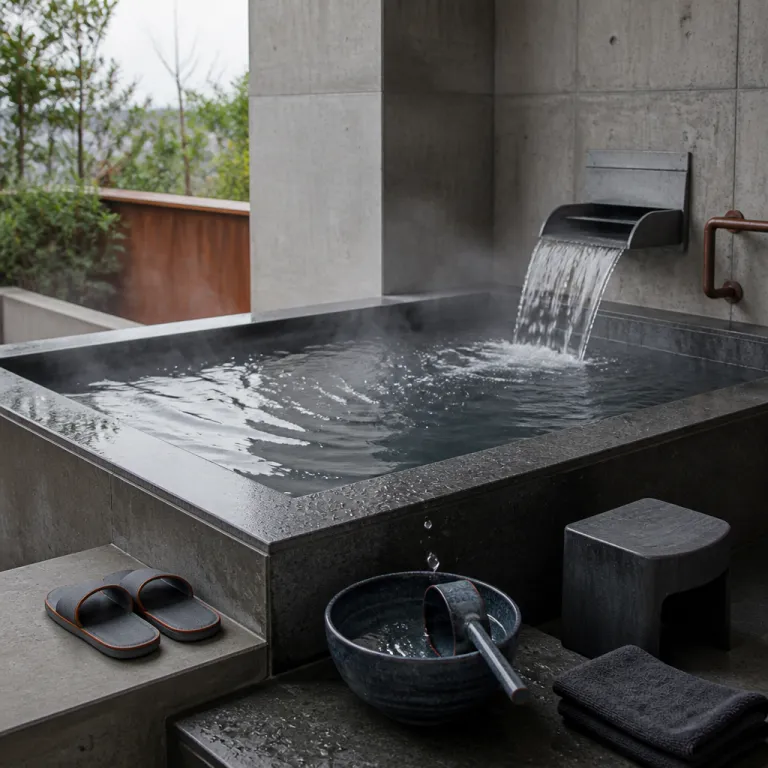
Why onsen etiquette matters in luxury Japan stays
Stepping into an onsen at a luxury hotel in Japan feels serene. Yet the moment you face the hot spring baths, the unwritten etiquette can suddenly feel more intimidating than any check in ritual. Understanding how japanese people actually use these waters will make your stay far better.
Across springs Japan there are more than 27 000 onsen facilities, and luxury hotels now compete with traditional japanese inns to offer refined spring baths and spa programs. For first time international guests, the gap between expectation and reality usually appears at the public bath entrance, where signs quietly remind you that swimwear is forbidden and that you must wash your body before entering the hot spring water. This is where staff become crucial actors ; hotel staff guide guests gently, while other guests remain the real experts you silently follow.
On myjapanstay.com we focus on onsen etiquette luxury Japan because the details define the experience. A well run onsen ryokan or urban resort treats the onsen as the heart of its culture, not just another wellness facility with hot waters and air baths. When you respect the etiquette in both private onsen suites and shared springs onsen, you allow japanese culture and omotenashi to work exactly as intended.
The step by step ritual in luxury onsen baths
Your first stop is always the changing room, never the bath itself. In luxury properties across Japan hot spring areas are clearly zoned ; shoes stay outside, clothes in baskets or lockers, and only a small towel travels with you to the washing stations. Guests and hotel staff share one objective here, to keep the spring water pristine for everyone.
At the shower area you sit on a low stool, wash your body thoroughly, and rinse away every trace of soap before approaching the baths. Dataset guidance is unambiguous ; “Is it necessary to wash before entering the onsen? Yes, thorough washing is required before entering.” The same dataset also reminds guests that “Can I wear a swimsuit in an onsen? No, swimwear is not permitted in traditional onsen.” and clarifies that “Are tattoos allowed in onsen? Policies vary; some onsen prohibit visible tattoos.”
Once clean, you enter the hot springs slowly, letting your body adjust to the japan hot mineral waters. The small towel never touches the hot spring water, so fold it and place it on your head or on the pool edge, which is a subtle but important part of onsen etiquette. Luxury hotels often provide spring water temperature information, so you can choose between slightly cooler open air pools and hotter indoor baths depending on your comfort.
Nakedness, families and tattoos in luxury onsen culture
For many guests the hardest part of onsen etiquette luxury Japan is not the water, but the nudity. In a traditional japanese public bath or onsen ryokan, everyone bathes naked, and people quickly realise that no one is actually looking at their body. The focus is on the shared experience of the hot springs, not on appearance.
Luxury hotels in Japan respond to different comfort levels by offering private onsen rooms, kashikiri spring baths for families, and even suites with open air tubs fed by real springs onsen. These private spaces are ideal for parents with children, multigenerational trips, or guests who prefer to manage long hair and tie hair without feeling rushed by others. When you book, ask clearly whether the property has tattoo friendly options, because policies differ sharply between a conservative onsen ryokan in a national park and an international brand in a ski resort town.
Many luxury properties now publish tattoo friendly guidelines in English, while still maintaining quiet zones in gender separated public baths. Families should check age rules, because some springs Japan destinations limit mixed gender bathing for older children, steering them instead toward private onsen or family air baths. For a broader view of how high end spas handle these nuances, our guide to curated spa experiences for luxury hotel guests in Japan on myjapanstay.com offers detailed, property level examples.
Choosing between indoor, open air and private onsen experiences
Once you understand the basics of onsen etiquette, the real pleasure is choosing where to soak. In luxury hotels across Japan hot spring facilities usually include an uchiburo indoor bath, a rotenburo open air pool, and sometimes semi open air baths that blur the line between both. Each option shapes how you feel the spring water on your skin and how you connect with the surrounding landscape.
Indoor baths are usually hotter and more sheltered, which suits guests returning from a cold ski day in Hokkaido or from a windy walk in a national park on the Izu Peninsula. Open air rotenburo pools, by contrast, frame the sky and nearby mountains, letting cool air balance the hot waters and making longer soaks more comfortable for your body. Many onsen ryokan design these springs onsen so that japanese people can watch snow fall or cherry petals drift while remaining immersed in japan hot mineral springs.
Private onsen suites and reservable rooms add another layer of luxury for couples and families. These spaces often feature deep stone tubs, carefully controlled hot spring water, and thoughtful amenities like Shiseido products, yukata robes and post bath tea trays. If you are planning a stay focused on forest bathing and slow wellness, pairing a private rotenburo with a guided walk such as the forest bathing along Ise Shima’s pilgrim trails at Amanemu creates a coherent, restorative rhythm.
Timing your soak and caring for your body the Japanese way
When you bathe can be as important as where you bathe in onsen etiquette luxury Japan. Early morning soaks in hot springs are usually quiet, with only a few japanese people moving silently between indoor pools and open air baths. Evening brings a more social rhythm, as guests drift from kaiseki dinners to the spring baths before returning to their room.
Luxury hotels often recommend short sessions of 10 to 15 minutes in very hot spring water, especially for first time visitors or guests arriving from long haul flights. Step out, cool down in the air baths or relaxation lounges, then re enter the springs onsen once your body feels ready again. This pattern respects both your circulation and the culture of unhurried bathing that defines traditional japanese wellness.
Hair etiquette matters as much as timing, particularly for guests with long hair. Always tie hair up before entering any public bath, whether you are in a national park resort or an urban spa in Tokyo, so that no strands touch the shared waters. If you are pairing your soak with a multi course dinner, our guide on how to read a kaiseki menu when staying at a luxury Japanese hotel on myjapanstay.com will help you pace your meal and your hot spring sessions comfortably.
What luxury hotels add beyond traditional public baths
Traditional public bath houses in Japan offer authenticity, but luxury hotels refine the experience for international travelers. At high end properties the onsen etiquette remains the same, yet the details shift ; towels are plush, amenities are curated, and staff quietly anticipate what guests need before and after the hot spring. This is where onsen etiquette luxury Japan meets contemporary hospitality standards.
In a classic onsen ryokan you might move from tatami room to springs onsen in a cotton yukata, then return to a multi course dinner served in your room. Urban luxury hotels instead frame the hot springs as part of a wider spa circuit, with saunas, mist rooms, and air baths designed for pre and post soak rituals. Both models respect japanese culture, but the hotel environment often feels better suited to families who want clear signage, flexible meal times, and private onsen options.
Many luxury properties now highlight their connection to local springs Japan, whether that means piping spring water from a nearby source or partnering with a national park authority to protect the watershed. For guests, the benefit is simple ; you enjoy mineral rich hot waters in a controlled, beautifully designed setting, with etiquette explained in clear English. That combination of traditional japanese practice and modern comfort is exactly what myjapanstay.com looks for when recommending onsen focused stays to discerning travelers.
Key figures shaping luxury onsen experiences in Japan
- Japan’s Ministry of the Environment reports around 27 000 onsen facilities across the country, which means luxury travelers can access hot springs in almost every major region, from ski resorts to coastal retreats.
- Wellness tourism in Japan has been growing at an estimated 5.15 percent compound annual rate according to market analysis by Vocal Media, supporting continued investment in high end spring baths and private onsen suites at luxury hotels.
- Dataset information confirms that traditional onsen do not allow swimwear, so luxury properties increasingly use private rooms and kashikiri baths to accommodate international guests who prefer more modesty.
- Industry surveys show that tattoo policies vary widely, with many traditional inns still restricting visible tattoos while international luxury brands adopt more tattoo friendly rules or provide private access times.
- Year round operation of onsen facilities, from snowy national park lodges to the mild Izu Peninsula coast, allows hotels to design seasonal wellness programs that combine hot spring water with hiking, forest bathing or ski activities.
FAQ about onsen etiquette at luxury hotels in Japan
Can I wear a swimsuit in a luxury hotel onsen?
Traditional onsen etiquette in Japan does not allow swimwear in the baths, even at luxury hotels. Some properties offer private onsen rooms or family kashikiri baths where personal preferences are more flexible, but shared hot springs remain strictly nude. Always check signage in the changing room and follow hotel staff guidance.
Are tattoos accepted in luxury onsen facilities?
Tattoo policies differ between properties, and there is no single rule across springs Japan. Many traditional inns still restrict visible tattoos in public baths, while international luxury brands are more tattoo friendly or provide private time slots. If you have tattoos, email the hotel before booking and ask specifically about access to public bath areas and private onsen options.
Do children follow the same onsen etiquette as adults?
Children are expected to follow the same basic etiquette, including washing thoroughly before entering the hot spring water and keeping noise low. Age limits for mixed gender bathing vary, so some national park resorts and ski hotels may ask older children to use gender separated baths. Families often find that reservable private onsen rooms offer a more relaxed way to introduce children to japanese bathing culture.
How long should I stay in the hot springs?
For most guests, especially first timers, short sessions of 10 to 15 minutes in very hot waters are recommended. Step out to cool down in open air areas or air baths, drink water, then return to the springs onsen if your body feels comfortable. Luxury hotels usually post temperature information and suggested times near each bath, so follow those guidelines and listen to your own limits.
What should I bring to the onsen at my hotel?
Luxury hotels in Japan typically provide everything you need, including towels, toiletries, hair ties for long hair, and sometimes skincare products. You only need to bring your room key and perhaps a bottle of water, leaving valuables in the room safe or locker. The small modesty towel supplied in the changing room is all you carry into the bathing area, and it should never touch the hot spring water.