Detailed guide to where to stay in central Tokyo’s Shutoken area, including hotels near Tokyo Station, Akasaka, and Roppongi, with transport tips, room expectations, and booking advice.
Where to stay in central Tokyo (Shutoken Tokyo hotel guide)
Is the Shutoken Tokyo area a good base for your stay?
Think of the Shutoken Tokyo area as the practical core of Greater Tokyo rather than a single neighborhood. In everyday use, “Shutoken” refers to the wider metropolitan region, but for visitors it usually means the central Tokyo hotel belt where most people actually sleep, meet, and move. This includes major districts such as Tokyo Station and Marunouchi, Chiyoda, Akasaka, and Roppongi, where you find dense clusters of hotels near JR and subway lines. If you want easy access to trains, varied room types, and short transfers from the international airports, this is where you focus.
For a first stay in Tokyo, choosing a hotel in this central belt is usually better than chasing a distant “hidden gem”. You gain predictable availability, clear guest rating patterns, and a choice of properties from compact business hotels to full urban resort-style stays. The trade-off is obvious: less residential quiet, more city energy right outside your room, and higher average nightly rates than in outer suburbs or purely local neighborhoods.
Travelers who plan to explore the wider Kanto region by rail benefit most. Being within a five to eight minute walk of a major station in the Shutoken area turns day trips into simple commutes. From Tokyo Station, for example, the Shinkansen reaches Kyoto in about 2 hours 15 minutes and Sendai in around 90 minutes, making hotels near Tokyo Station Shinkansen platforms especially convenient. If your priority is nightlife or dining, you will also find that many of Tokyo’s most interesting restaurants and bars cluster inside this same ring, with late-opening venues and multilingual menus.
Tokyo Station, Chiyoda and Marunouchi: the strategic business core
Red brick arches at Tokyo Station set the tone here: this is the city’s transport heart. Staying near the station places you on top of the Shinkansen network, local JR lines, and the Marunouchi and Hibiya subway lines, with clear English signage throughout the concourse. From Narita Airport, the Narita Express takes roughly 60 minutes to Tokyo Station; from Haneda Airport, the monorail and JR lines usually take 30–35 minutes. For travelers who value easy access over anything else, this is the most efficient location in the Shutoken Tokyo area and a classic answer to where to stay in central Tokyo.
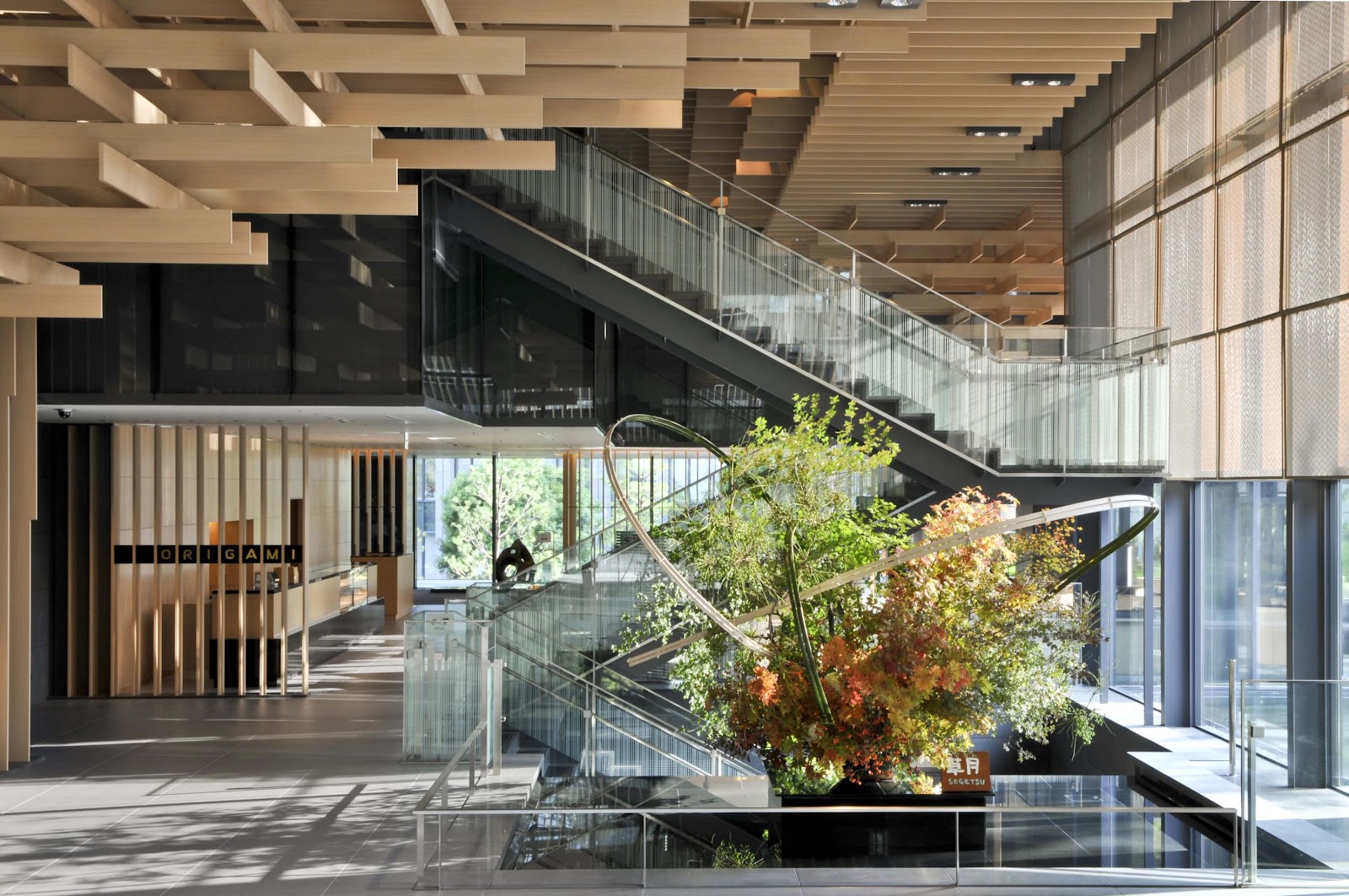
Hotels around the Marunouchi and Otemachi side tend to feel polished and businesslike. Expect well-insulated rooms, precise staff, and a calm lobby even at rush hour. Many properties here lean toward a classic hotel Tokyo style rather than playful design, with generous bedding, strong soundproofing, and clear separation between work desk and sleeping area. Representative examples include Tokyo Station Hotel (directly connected to the Marunouchi South Exit, with many rooms around 26–40 square meters) and Marunouchi Hotel (about a three minute walk from the north side of Tokyo Station), where standard rooms often start around ¥40,000–¥60,000 per night.
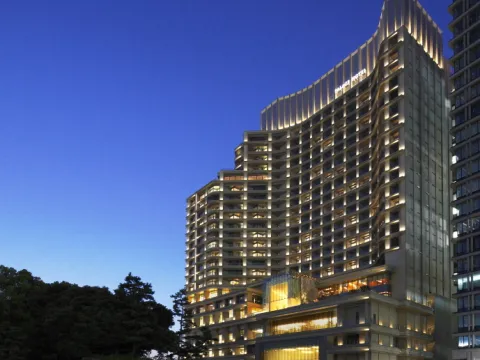
Walk ten minutes toward the Imperial Palace moat and the atmosphere softens. Joggers circle the water, office towers give way to more greenery, and some hotels quietly position themselves as an urban hotel resort alternative, with larger hotel rooms and spa floors. The Palace Hotel Tokyo, facing the moat with many rooms in the 35–45 square meter range, and Hotel Metropolitan Tokyo Marunouchi, integrated into a high-rise above the tracks, illustrate this more relaxed approach, with many rooms offering palace or city views. This area suits guests who want a refined, almost ceremonial stay hotel experience, with the city’s busiest station still within walking distance and straightforward taxi access for early-morning departures.
Akasaka and Minato: discreet government quarter meets nightlife
Low hills, embassies, and quiet backstreets define Akasaka. From a hotel perspective, this is where Tokyo’s political and media life meets a surprisingly dense dining scene. Many hotels sit on or just off Sotobori-dori, a four to seven minute walk from Akasaka or Akasaka-mitsuke station, giving easy access to both the Ginza and Marunouchi lines and quick rides to Shinjuku or Tokyo Station. From here, Shibuya is about 10 minutes by subway and Ginza roughly 12–15 minutes, so you can plan evenings without long transfers.
Compared with the strict business tone of Chiyoda Tokyo, Akasaka and the wider Minato Tokyo district feel more mixed-use. You will see office workers, visiting delegations, and leisure guests sharing the same breakfast room. Rooms here often balance compact footprints with thoughtful layouts: good lighting, efficient storage, and quiet air-conditioning matter more than sheer size. Typical mid-range properties such as Hotel Monterey Akasaka (around a three minute walk from Akasaka-mitsuke, with many doubles in the 16–20 square meter range) or Akasaka Excel Hotel Tokyu (right by the station intersection) often price standard doubles around ¥18,000–¥30,000 per night outside peak seasons.
Nightlife is close but not overwhelming. Roppongi is usually one or two stops away, or a 15–20 minute walk depending on your exact location and the slope of the backstreets. This makes Akasaka a smart compromise for travelers who want to dip into bars and late dinners, then retreat to a calmer street. If you are comparing hotels Tokyo wide, this district often delivers a strong blend of comfort, discretion, and convenient subway connections, with enough late-opening restaurants to avoid long walks after dark and plenty of convenience stores for late snacks.
Roppongi and Roppongi Ekihigashi: art, nightlife, and urban resort energy
Neon, galleries, and late-night taxis define Roppongi. Staying here places you between major art complexes and some of the city’s liveliest streets. Roppongi Hills and Tokyo Midtown, home to the Mori Art Museum and Suntory Museum of Art, sit within a five to ten minute walk of many hotels, and the streets between them are lined with cafés and small bars. Around Roppongi ekihigashi, on the east side of the station, the mood shifts slightly: fewer clubs, more residential blocks, and several properties that lean toward a resort Roppongi feeling with terraces, pools, or spa floors for a more relaxed city break.
Guests who choose this area usually accept smaller rooms in exchange for atmosphere. You step out of the lobby and into a district Tokyo is known for worldwide, with restaurants open past midnight and contemporary art museums within walking distance. For some, this is the ideal hotel resort style in the city: not a beach, but a dense, walkable playground. Representative hotels include Grand Hyatt Tokyo (integrated into Roppongi Hills, with many rooms around 38–45 square meters), ANA InterContinental Tokyo (about an eight minute walk from Roppongi-itchome Station), and Candeo Hotels Tokyo Roppongi (roughly a three minute walk from Roppongi Station), where nightly rates can range from about ¥20,000 for compact rooms to over ¥70,000 for suites.
From a practical angle, Roppongi offers good subway coverage via the Hibiya and Oedo lines. That means direct or simple connections to Chiyoda, Shinjuku, and the center Tokyo business zones, plus easy access to hubs like Daimon for airport trains. If you are comparing by guest rating and written reviews, pay attention to comments about noise and weekend crowds. Travelers who sleep lightly may prefer the slightly quieter streets toward Roppongi ekihigashi or the Minato Tokyo backstreets, where late-night bar noise tends to fade by around midnight and higher-floor rooms often feel noticeably calmer.
Understanding business chains, APA-style hotels, and room expectations
Across the Shutoken Tokyo area, you will notice a dense network of business chains, including many properties in the style of an APA hotel. These hotels prioritize efficiency: compact rooms, standardized layouts, and predictable amenities such as pajamas, kettles, and on-demand video. For solo travelers or couples who spend most of the day out in the city, they can be a very good option, especially when you want to stay close to a JR or subway station without paying luxury rates or resort-style service charges.
Room size is the main adjustment for first-time guests. A standard room in this category may feel tight if you arrive with multiple large suitcases. Typical doubles in central APA-type hotels often measure 11–15 square meters, with beds running almost wall to wall and a unit bath in the corner. In return, you often gain a location within a few minute walk of a station, late check-in possibilities, and straightforward availability even on busy dates. Staff interactions tend to be brisk but professional, focused on smooth arrivals and departures rather than extended concierge conversations.
When you compare hotels Tokyo wide, read reviews with an eye for layout rather than only for square meters. A well-designed compact room with a deep bath, good mattress, and smart storage can feel more comfortable than a larger but poorly organized space. If you prefer a slower, more resort-like rhythm, look for properties that explicitly describe themselves as a hotel resort or that highlight gardens, pools, or spa facilities in their room descriptions. In all districts, the main trade-offs revolve around three factors: transport convenience, room size, and noise levels, so decide which two matter most for your stay and filter your search accordingly.
How to choose the right Shutoken Tokyo location for your trip
Start with your daily rhythm, not with a map. If your days begin early with trains to other cities, staying near Tokyo Station or in Chiyoda Tokyo reduces stress. You walk five to ten minutes, board your Shinkansen, and return to your room without navigating late-night transfers or crowded rush-hour interchanges. For meetings in Minato Tokyo or the government quarter, Akasaka and its neighboring streets around Aoyama-dori are usually more efficient, with taxi rides to Roppongi or Toranomon often taking under ten minutes outside rush hour.
Night owls and art lovers gravitate toward Roppongi and its surroundings. Here, a hotel Tokyo stay feels plugged into the city’s cultural calendar, from exhibitions to live music and seasonal events. Families or light sleepers might prefer slightly quieter streets in Akasaka or the edges of the business districts, where traffic thins out after office hours but you still remain within walking distance of at least one major station. In practice, a five to eight minute walk to the subway is a good benchmark for balancing convenience with calmer side streets and avoiding long walks with luggage.
Consider your arrival and departure as well. From either international airport, limousine buses and rail lines converge on the Shutoken core, making transfers straightforward. Typical bus journeys from Narita to central Tokyo hotels take 70–90 minutes, while Haneda services often run 30–50 minutes depending on traffic and time of day. When comparing options, look beyond the headline price per night and focus on total convenience: the minutes you save each day by being in the right district often matter more than a small difference in rate, especially on short trips or tight business schedules.
Practical booking tips for hotels in the Shutoken Tokyo area
Central Tokyo fills quickly during major events and spring and autumn weekends. Booking early is less about chasing a discount and more about securing the exact combination of room type, view, and location you want. Properties with excellent reviews and consistently high guest rating scores in this area rarely show last-minute availability for their best rooms, especially those within a five minute walk of Tokyo Station, Akasaka-mitsuke, or Roppongi, so flexible dates and refundable plans are worth considering.
When you compare options, pay attention to what is genuinely free and what is simply included in a higher room category. Some hotels bundle breakfast or access to wellness facilities into specific plans, while others keep the base price lower and charge à la carte. For longer stays, these details can change the feel of your stay hotel experience more than you expect. A seemingly small daily breakfast charge or spa fee can add up to the equivalent of an extra night over a week, especially in higher-end properties near major stations.
Finally, read a mix of recent and older reviews to understand how a property has evolved. Look for recurring comments about staff attitude, cleanliness, and noise rather than isolated complaints. In a dense city like Tokyo, where hotels stand close to train lines and busy streets, these qualitative details matter as much as square meters or décor when choosing where to sleep. Use them to judge whether a particular Shutoken Tokyo hotel will match your expectations for quiet, comfort, and access, and to decide if you prefer a compact business chain or a more spacious urban resort.
Is the Shutoken Tokyo area a good place to book a hotel?
Yes, the Shutoken Tokyo area is generally the best place to book a hotel if you want efficient transport, varied dining, and straightforward access to the city’s main districts. You gain short transfers from the international airport, multiple station choices within walking distance, and a wide range of hotels from compact business chains to more resort-like properties. For most first-time and repeat visitors, it offers the most balanced base for exploring Tokyo and the wider region, especially if you plan day trips by rail or want to stay near the Shinkansen.
Which district in the Shutoken Tokyo area suits first-time visitors best?
First-time visitors usually do well near Tokyo Station or in neighboring Chiyoda, because these areas offer direct rail links across the city and to other regions. From here, you can reach major sights with one or two simple train rides and return easily in the evening. The streets are well signposted, the atmosphere is calm after office hours, and many hotels are designed with international guests in mind, with English-speaking staff and clear guidance on airport transfers, luggage delivery, and how to use local IC cards.
How do Akasaka and Roppongi compare for a hotel stay?
Akasaka offers a quieter, more mixed-use environment with government buildings, offices, and a strong restaurant scene, making it ideal if you want calm streets but quick access to nightlife. Roppongi, including the Roppongi ekihigashi side, feels livelier and more urban resort-like, with galleries, bars, and late-opening venues. Choose Akasaka for discretion and sleep quality, Roppongi for energy and proximity to contemporary culture, and remember that the subway ride between them usually takes under ten minutes, so you can easily sample both areas during a single stay.
What should I check before booking a business-style hotel such as an APA-type property?
Before booking a business-style property in the APA hotel category, check the exact room size, bed type, and storage options, especially if you travel with large luggage. Confirm how many minutes it takes to walk to the nearest station and whether that route involves hills or busy crossings. Finally, read recent guest comments about noise, air-conditioning, and staff efficiency, as these factors define comfort more than décor in compact city hotels, particularly in dense Shutoken Tokyo neighborhoods close to elevated train tracks or nightlife streets.
Is it better to stay near one main station or move between several hotels in Tokyo?
For most travelers, staying near one well-connected station in the Shutoken Tokyo area is more comfortable than changing hotels several times. A single, strategic base near Tokyo Station, Akasaka, or Roppongi gives you easy access to different districts without the hassle of repeated check-ins and packing. Moving hotels only makes sense if your itinerary splits clearly between distant areas or if you are combining Tokyo with other regions in a tight schedule and want to minimize backtracking between your hotel and the Shinkansen platforms.