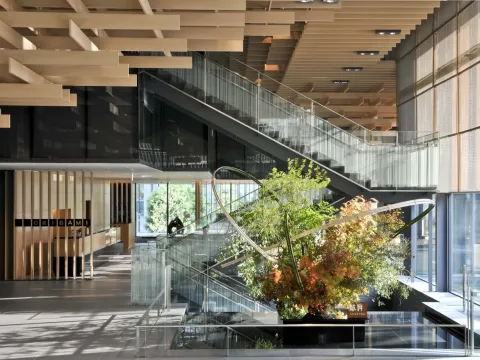
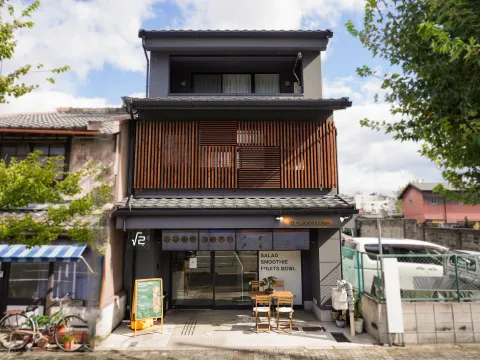
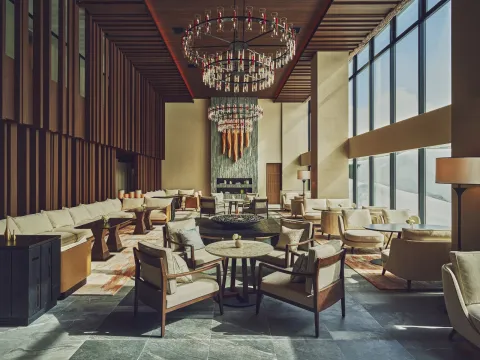
Planning where to stay in Okinawa and the Ryukyu Islands? Compare Naha city hotels, Okinawa beach resorts, and island stays on Ishigaki and Miyako, with tips on transfers, seasons, and hotel styles.
Is the Ryukyu Islands region right for your stay?
Warm evenings, hibiscus-scented air, and the low murmur of waves against coral sand define a night in the Ryukyu Islands. This southern chain of islands in Okinawa, Japan, suits travelers who want a slower rhythm than Tokyo, yet more structure and comfort than a remote beach hut. Think polished Okinawa beachfront resort stays with a strong sense of place rather than anonymous international properties, plus a few compact city hotels that work well for short stopovers.
Distances are real here. Naha on Okinawa’s main island sits almost 1,600 km from Tokyo, and hopping to Ishigaki or Miyako adds another domestic flight of about 60–70 minutes or a ferry between nearby islands. Guests who enjoy the journey as part of the experience will appreciate this archipelago; those wanting a single urban base may find the logistics less appealing. The reward is clear: subtropical seas, distinctive Ryukyu culture, and resorts that lean into both, especially between late March and early November when the weather is warmest.
For a first visit, staying on the main island near Naha or in central Okinawa works best. You can experience Okinawa Japan’s food, music, and historic sites by day, then retreat to a calm hotel with a pool or quiet beach access at night. Repeat visitors, or those who prioritize empty beaches and starry skies, often graduate to Ishigaki or Miyako, where the island atmosphere is more pronounced and the choice of hotels narrower but more immersive, with stays that feel closer to a classic island resort holiday.
Understanding the main island: Naha, central Okinawa and the south
On the ground, Naha feels compact. From Naha Airport to the city center, the airport bus or monorail covers the 4–5 km in around 15–20 minutes, dropping you near Naha Kokusai Street, the main shopping artery. Staying within a short walk of this area suits travelers who want restaurants, bars, and covered arcades at their doorstep, with hotel options ranging from understated business-style properties to full-service Naha city hotel towers with rooftop pools and mid-range to upper-mid-range nightly rates.
Urban hotels in Naha tend to emphasize convenience over beach access. Expect efficient rooms, polished lobbies, and breakfast buffets that mix Okinawa-style dishes with international standards. This is where a guest who values easy transfers to the passenger terminal for ferries, quick access to the airport bus, and late-night dining will feel at ease. You trade sea views for city lights and the ability to stroll out for a last drink or a bowl of Okinawa soba at 23:00, often paying less per night than at a comparable Okinawa beach hotel.
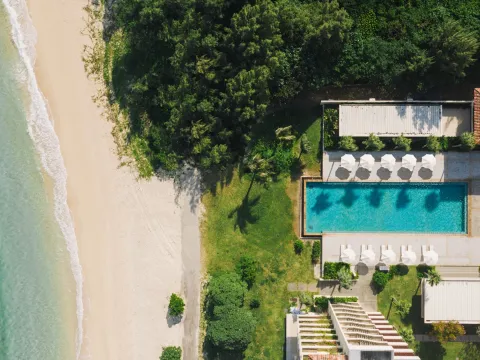
Drive 30–60 minutes north along the west coast and the mood shifts. Central Okinawa, especially the resort strip between Chatan and Yomitan, offers larger Okinawa resort hotel complexes with direct beach access, family-friendly pools, and more space between buildings. Here, a beachfront resort stay often means waking to the sound of waves, walking straight from breakfast to the sand, and returning to a private balcony at sunset. The trade-off: you rely more on taxis or rental cars, and spontaneous nightlife is limited to what your resort and nearby complexes provide, so planning dinners and day trips in advance becomes more important.
Beach resorts and coastal stays: what to expect
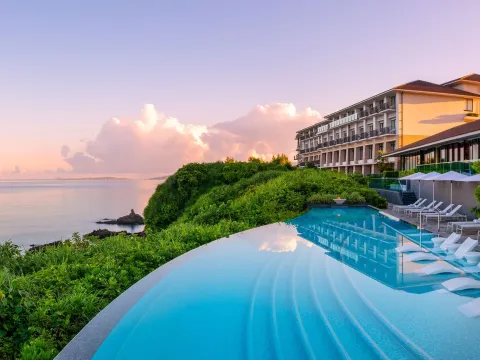
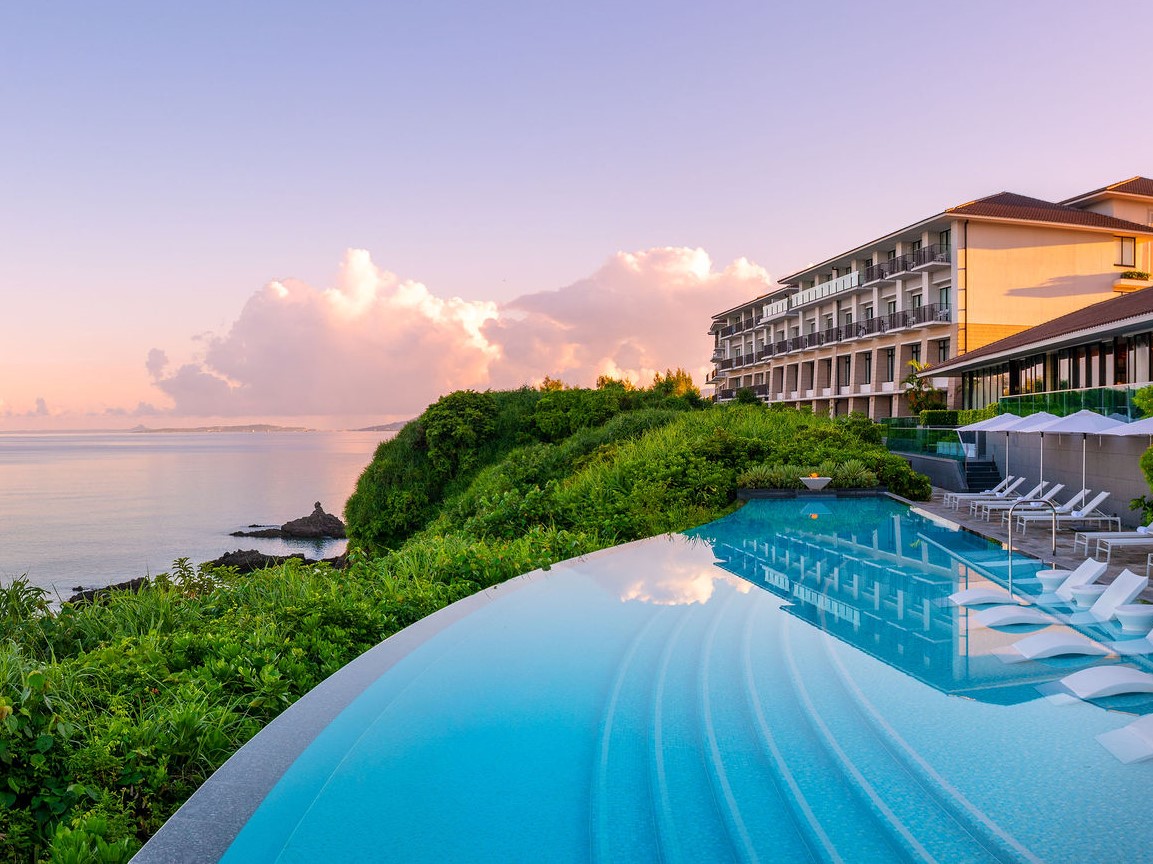
On Okinawa’s main island, coastal resorts cluster along west-facing shores. This orientation matters. Sunsets over the East China Sea become part of the daily ritual, with many hotels designing their pools, terraces, and lounges around that golden hour. A typical Okinawa beachfront resort layout places the lobby and restaurants on higher floors, with the pool deck, spa, and beach access cascading down toward the water, sometimes linked by elevators and shaded walkways.
Rooms in these properties often prioritize balconies and large windows over sheer floor space. A well-designed Okinawa beach hotel will frame the sea and sky, sometimes with sliding screens or low seating that nods to Japanese aesthetics without forcing full tatami living on every guest. Families tend to choose corner rooms or simple suites, while couples often prefer higher floors with more privacy and quieter nights. Entry-level rooms may start around the size of a typical Japanese business hotel, while premium oceanfront categories add more space and better views.
Breakfast is usually a highlight rather than an afterthought. Expect buffets where local Okinawa ingredients appear alongside Western classics: goya (bitter melon) dishes, purple sweet potato pastries, island tofu, and fresh tropical fruit. For many guests, this first meal sets the tone of the stay, and it is worth checking how a property handles breakfast service – whether it offers calm, spacious seating or a crowded, canteen-like feel. On the beach itself, some resorts maintain private-style zones with loungers and attentive staff, while others share a public stretch of sand where the atmosphere is more casual and mixed, especially during school holidays and peak summer.
Island-hopping: Ishigaki, Miyako and the outer Ryukyu islands
Beyond the main island, the character of a stay changes. Ishigaki, gateway to the Yaeyama islands, feels like a compact port town wrapped in jungle-green hills. Hotels here range from simple city properties near the ferry passenger terminal to low-rise resort hotel complexes on the coast, where the beach is quieter and the night sky darker. You come to Ishigaki to split your time between the water – snorkeling, diving, boat trips – and slow evenings over local seafood, with most visitors arriving via a 3–4 hour flight from Tokyo or Osaka.
Miyako Island, further east, is all about the coastline. Some of Japan’s most photogenic beaches lie within a short drive, with water so clear it almost looks artificial. Resorts on Miyako often sit slightly apart from town, so a guest staying here should be comfortable with a more self-contained environment. You spend the day moving between pool and beach, then return to your hotel for dinner rather than walking out to a cluster of restaurants, and many guests choose half-board or inclusive dining plans for simplicity.
These outer islands reward travelers who value nature over shopping. Compared with Naha, there are fewer hotels, fewer nightlife options, and a stronger sense of being on the edge of Japan. That is the appeal. If your ideal stay involves long walks on near-empty sand, a quiet pool, and early nights, Ishigaki and Miyako are excellent choices. If you need varied dining, museums, and easy day trips, the main Okinawa island remains the more practical base, especially outside the main beach season when some island facilities operate on shorter hours.
Urban comfort in Naha: when city hotels make sense
Staying in Naha itself works particularly well at the start or end of a trip. After a flight into Okinawa Naha Airport, checking into a city hotel within a 10–15 minute ride simplifies everything. You can drop your bags, freshen up, and be walking along Kokusai-dori – the main Naha Kokusai Street – in under an hour, browsing local craft shops and tasting beni-imo tarts before sunset, or settling into an izakaya for your first Okinawa-style dinner.
Urban hotels in Naha tend to favor vertical design. Rooftop pools, compact spa floors, and high-floor lounges make the most of limited land. Some properties near the Tomari port area position themselves as a bridge between city and sea, convenient for guests catching ferries while still offering a polished, business-leisure hybrid atmosphere. If you see names like “Aqua Citta” or “Hotel Aqua” in this zone, expect a focus on water views and easy access to the harbor rather than a classic beach resort layout, with room types ranging from compact doubles to modest suites.
For travelers who plan to experience Okinawa through day trips – to Shuri Castle, the Peace Memorial Park in Itoman, or the northern capes – a Naha base can be surprisingly efficient. You leave early, return by early evening, and still have the city’s restaurants and bars at hand. The compromise is clear: you gain convenience and urban energy, but you lose the ability to step directly from your room onto the sand, and you may rely more on public transport timetables or tour pick-up times.
Choosing the right hotel style for your trip
Deciding between a resort hotel on the coast and a city property in Naha comes down to how you imagine your mornings and nights. If you picture waking to the sound of waves, walking barefoot to the beach before breakfast, and spending long hours by a pool, then an Okinawa beachfront resort stay on the main island, Ishigaki, or Miyako will suit you. These properties are designed for guests who treat the hotel as the destination itself, often with on-site activities, spas, and multiple dining options.
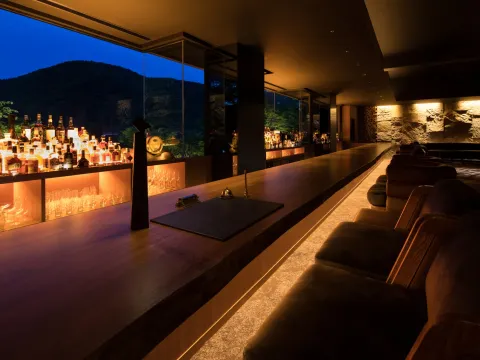
If, instead, you see yourself exploring markets, visiting historic sites, and returning late, a central Naha hotel is the better fit. You will trade sea views for street life, but you gain the ability to walk to dinner, slip into a bar for awamori, and catch early airport bus departures without stress. Many travelers quietly choose a mix: two or three nights in the city, followed by several nights at a quieter island or beach resort, balancing an Okinawa city break with a more traditional island escape.
Whatever you choose, pay attention to a few details before you book. Check the distance from Naha Airport or the nearest port, especially if you arrive late at night. Look closely at room descriptions to understand whether you will have a private balcony, how the bathroom is configured, and whether the pool and beach are genuinely adjacent or separated by a road. Finally, read the hotel’s privacy policy and house rules with the same care you give to photos; in Okinawa Japan, expectations around noise, shared baths, and public spaces can be more formal than in many Western resorts, and understanding them in advance makes for a smoother stay.
Who the Ryukyu Islands suit best
Travelers who thrive in the Ryukyu Islands tend to share a few traits. They enjoy heat and humidity, are comfortable slowing down, and appreciate subtle cultural differences – from Ryukyu music in hotel lobbies to local ceramics in guest rooms. They do not need constant entertainment; a quiet night on a balcony with the sound of cicadas counts as a good evening, especially after a day in the water or on the road.
Families often gravitate to larger hotels with kids’ pools and easy beach access on the main island. Couples may prefer smaller, more private wings within a resort, or island stays on Ishigaki and Miyako where the atmosphere is more intimate and the nights quieter. Solo travelers who like a bit of buzz usually base themselves in Naha, using the city as a hub for day trips and island-hopping, and choosing compact but well-located rooms near the monorail or Kokusai Street.
If you want a fast-paced urban break, the Ryukyu Islands are not the obvious choice. If you want to experience Okinawa through its sea, its food, and its distinct island culture, they are hard to beat. Choose your island, choose your hotel style, and let the rest of Japan’s southernmost prefecture unfold at its own, unhurried pace, whether you stay for a long weekend or weave Okinawa into a longer Japan itinerary.
FAQ
Is the Ryukyu Islands region a good choice for a first trip to Japan?
The Ryukyu Islands work best as part of a wider Japan itinerary rather than a first and only stop. They offer warm weather, beaches, and a distinct Okinawa culture, but they lack the classic temples, dense cityscapes, and rail journeys many first-time visitors expect. If you have at least 10–14 days, combining a few nights in Okinawa with time in Tokyo or Kyoto creates a more balanced first experience, and also makes domestic flight timings and connections easier to manage.
Where should I stay in Okinawa if I want both city life and the beach?
Staying in or near Naha gives you city energy, restaurants, and easy access to Naha Airport, while coastal areas 30–60 minutes north provide better beaches and resort-style hotels. A common strategy is to spend one or two nights in a Naha city hotel at the start or end of the trip, then move to a west-coast resort for a more relaxed beach stay. This split lets you enjoy both urban convenience and seaside downtime, and it also reduces the stress of catching early flights or late-night arrivals.
How do I choose between Okinawa’s main island, Ishigaki, and Miyako?
The main island suits travelers who want variety: historic sites, shopping streets, and a wide range of hotels from city properties to large resorts. Ishigaki is ideal if you prioritize marine activities and a compact port-town feel, while Miyako is best for guests who care most about spectacular beaches and are comfortable with quieter nights. If you are unsure, start with the main island and add a side trip to one outer island on a future visit, once you know how much beach time versus sightseeing you really enjoy.
What should I check before booking a hotel in the Ryukyu Islands?
Before booking, confirm the hotel’s exact location relative to the beach, Naha Airport, or ferry ports, as distances can be longer than they appear on a map. Review room layouts to see whether you have a balcony, how much privacy the bathroom offers, and whether the pool is seasonal. It is also worth reading the property’s privacy policy and house rules to understand expectations around shared facilities, noise, and any local customs that may affect your stay, such as dress codes in public baths or quiet hours in corridors.
Do I need a car to enjoy a hotel stay in Okinawa?
In central Naha, you can rely on public transport, taxis, and walking, especially if you stay near Kokusai Street or the monorail. For coastal resorts on the main island, and for exploring Ishigaki or Miyako beyond the immediate hotel area, renting a car gives you far more flexibility. Without a car, you will likely depend on hotel shuttles and taxis, which can limit spontaneous beach visits or restaurant choices away from your resort, particularly in the evening when services may be less frequent.