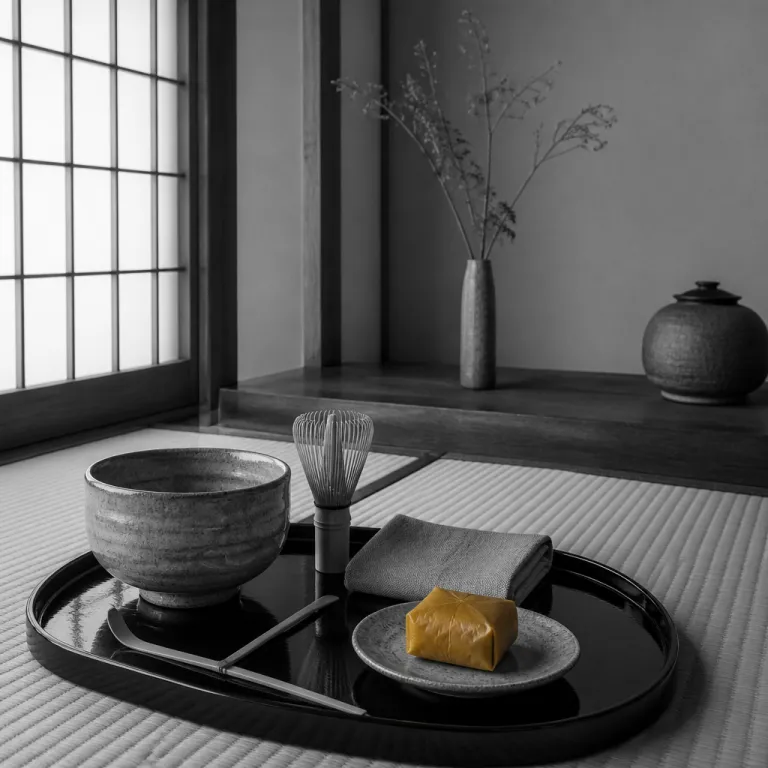
Reading the spectrum of hotel tea ceremonies in Japan
When travelers search for a tea ceremony luxury hotel in Japan, they usually meet a confusing spectrum of offers. Some properties in Tokyo and Kyoto present a quick ceremony experience in the lobby, while others invest in a dedicated tea room designed around precise Japanese cultural principles. Understanding this range helps guests book the right kind of tea ceremonies instead of relying on glossy photos alone.
At one end, you find twenty minute demonstrations where a friendly host whisks green tea for a small group, explains basic history Japanese details and encourages photos. These short tea ceremonies can be a gentle first step into Japanese tea, yet they rarely convey the deeper ritual of chanoyu, the way of tea, that evolved from the teachings of Sen no Rikyū and later schools such as Urasenke and Omotesenke. At the other end, a few luxury hotels in Japan offer multi hour ceremony tea sessions in a purpose built tea house, where guests enter through a garden path, bow at the nijiriguchi entrance and sit in a tatami room that respects classical chashitsu proportions.
Between these extremes lies a broad middle ground that most travelers will encounter in Japan. A hotel might adapt a quiet room into a semi traditional tea room, invite a certified host from a recognized sen lineage and serve authentic tea with seasonal Japanese sweets. These ceremony experiences can still feel deeply authentic when the ritual is respected, the tea bowl and utensils are chosen with care and the garden view or alcove flowers reflect the season, even if the setting is inside a contemporary luxury tower in central Tokyo.
Lobby demonstrations versus dedicated tea rooms
Not all tea ceremony formats in luxury hotels are created equal, and the difference usually starts with the room. A lobby corner with a portable tea bowl set and folding screen can frame a pleasant cultural property style demonstration, but it cannot reproduce the sensory control of a true tea room where light, sound and movement are choreographed. When you book a tea ceremony luxury hotel in Japan, ask whether the ceremony takes place in a permanent tea house or in a multipurpose function room.
Dedicated spaces such as the sukiya style rooms at Imperial Hotel Tokyo or the Sho Fu An room at Keio Plaza Hotel Tokyo are designed around the ritual, not around banquet flexibility. Tatami flooring, a sunken hearth in colder months, and a low nijiriguchi entrance all echo the ideals of Sen Rikyū, who shaped much of history Japanese tea aesthetics through his emphasis on wabi simplicity. In these rooms, guests feel how the host controls distance, eye level and the path of the tea bowl, turning a simple serving of green tea into a complete ceremony experience that engages body and mind.
When a hotel invests in a dedicated tea room, you also see it ripple through the wider stay. The same property might offer a breakfast tray that reflects seasonal Japanese culture, with careful ceramics and broths that mirror the restraint of traditional tea, a connection explored in depth in this guide to the hotel breakfast that explains Japan. Even if you only attend a short ceremony tea session, the way staff handle Japanese sweets, arrange the garden view or guide you to wear traditional friendly clothing shows whether the hotel treats tea as a marketing prop or as a living cultural practice.
Markers of authenticity in hotel tea experiences
For a traveler comparing several tea ceremony luxury hotel Japan options, authenticity is less about strict rules and more about informed choices. The first marker is the host, because a trained practitioner from a recognized sen school such as Urasenke, Omotesenke or Mushanokōji senke carries a lineage that traces back to Sen Rikyū. When a hotel names the school on its official website and explains the host’s background, it signals respect for Japanese culture rather than a generic performance.
The second marker lies in the tools and the room. Look for a purpose built tea house or tea room with tatami, a tokonoma alcove and a garden view, where the chabana flowers, hanging scroll and tea bowl change with the season. In Kyoto, properties such as Prince Kyoto Takaragaike or Aman Kyoto’s Senkutsu tea house often collaborate with local tea masters to align utensils, Japanese sweets and even the choice of green tea leaves with the time of year, creating a tangible cultural bridge between landscape and ritual that feels both authentic and quietly luxurious.
The third marker is how the hotel frames the experience before you book. Serious properties describe the ceremony experience in clear language, mention that guests may sit seiza or on stools, and explain that photography is limited during key parts of the ritual to protect the flow. When a hotel also curates stays that connect tea ceremonies with onsen bathing, kaiseki dinners and slow mornings, as seen in many luxury ryokan experiences in Japan, you sense a coherent philosophy rather than a one off activity.
Is a hotel tea ceremony real enough for serious travelers ?
Many independent travelers quietly ask whether a hotel based tea ceremony is real enough compared with a private session in a Kyoto machiya or a temple tea house. The honest answer is that a carefully curated ceremony in a luxury hotel in Japan can be deeply authentic, while a rushed group session in a famous cultural property can feel surprisingly shallow. What matters is the integrity of the ritual, the training of the host and the way guests are invited into Japanese culture, not the postal code on the booking confirmation.
For a solo explorer, a hotel setting can actually lower the barrier to entry. Staff can explain history Japanese details in English, provide kimono tea experiences where you can wear traditional garments without pressure and gently guide you through how to handle the tea bowl and Japanese sweets. Some guests will later seek out more advanced tea ceremonies in Kyoto or Tokyo, but their first ceremony experience in a hotel tea room often gives them the vocabulary and confidence to engage more deeply with authentic tea practice.
There is also a practical dimension. Hotels such as Imperial Hotel Tokyo, Keio Plaza Hotel Tokyo and Hotel Chinzanso Tokyo schedule regular tea ceremonies with clear time slots, and their official website pages state that “Do I need to book a tea ceremony in advance? Yes, advance reservations are recommended.” For travelers with limited days in Japan, this predictability, combined with the ability to charge the ceremony tea fee to the room, can make a hotel based ritual the most realistic path to experiencing Japanese tea without sacrificing comfort.
Practical etiquette for booking and attending hotel tea ceremonies
Once you have chosen a tea ceremony luxury hotel in Japan, a few practical steps will elevate the experience. First, book early through the hotel’s official website or concierge, because popular sessions in Tokyo and Kyoto often fill quickly with both domestic and international guests. When you reserve, ask whether the ceremony experience is hands on, whether explanations are in English and whether you will sit on tatami or chairs, as this affects what you should wear.
For clothing, think kneel friendly rather than photo perfect. If you plan to wear traditional kimono, confirm whether the hotel offers a kimono tea package with dressing assistance, or whether you should arrive already dressed from a rental shop nearby. Even in Western clothing, avoid short skirts and very tight trousers, because you will need to bow, handle the tea bowl with both hands and sometimes move across the tatami, all while respecting the quiet rhythm of the ritual and the presence of other guests.
During the ceremony, follow the host’s cues. Photography is usually allowed before and after, but many serious tea rooms in Japan ask guests to put phones away while the host prepares the green tea and serves Japanese sweets, so the atmosphere remains focused. Sessions in luxury hotels typically last between forty five and ninety minutes, and while no prior knowledge is required, arriving ten minutes early to settle into the room, read any notes about history Japanese tea on display and absorb the garden view will help you meet the ritual with the calm attention it deserves.
How tea culture shapes the wider luxury hotel stay
In the best properties, the tea ceremony is not an isolated attraction but a lens through which the entire stay in Japan comes into focus. A hotel that treats Japanese tea with care often extends the same sensitivity to its garden design, its choice of incense in the lobby and even the ceramics in each room. You notice it when the welcome drink is a small bowl of carefully whisked green tea rather than a generic juice, or when the minibar includes regional leaves and Japanese sweets that echo the flavors served in the tea room downstairs.
Some Kyoto and Tokyo hotels go further by integrating tea into their architecture. A path from the lobby to the tea house might pass through a compact garden designed for contemplation, where stone lanterns, stepping stones and a tsukubai water basin prepare guests for the ritual ahead. Inside the tea room, the selection of tea bowl, bamboo scoop and hanging scroll reflects not only the season but also the history Japanese tea aesthetics shaped by Sen Rikyū, turning each ceremony experience into a living conversation with the past that feels surprisingly intimate within a large luxury property.
For travelers using curated platforms such as myjapanstay.com, which profiles properties like the Imperial Hotel Kyoto inside Yasaka Kaikan, this integration of tea, design and service becomes a key selection criterion. A hotel that invests in a serious tea house, trains staff to speak confidently about Japanese culture and offers both group tea ceremonies and quieter one on one sessions signals that it understands omotenashi as more than scripted hospitality. In that context, the tea ceremony luxury hotel Japan experience becomes not just a checked box on an itinerary, but the quiet center of a thoughtfully designed journey.
Key figures shaping hotel tea ceremonies in Japan
- Imperial Hotel Tokyo hosts around 365 tea ceremonies per year, meaning guests can usually find at least one traditional tea session scheduled on any given day according to data published by the Imperial Hotel Tokyo official website.
- At Keio Plaza Hotel Tokyo, approximately 60 % of tea ceremony participants are foreign guests, a figure reported by the Keio Plaza Hotel Tokyo official website that underlines how strongly international travelers seek accessible Japanese tea experiences in hotel settings.
- Major luxury hotels in Tokyo and Kyoto now run tea ceremonies year round, reflecting a broader trend in Japanese hospitality where cultural experiences are no longer seasonal add ons but core components of the guest journey.
- Sessions in hotel tea rooms typically last between forty five and ninety minutes, which is shorter than some private tea gatherings yet long enough to guide beginners through the essential ritual without overwhelming them.
FAQ about hotel tea ceremonies in Japan
Do I need to book a hotel tea ceremony in advance ?
Yes, you should always reserve in advance, because luxury hotels in Tokyo and Kyoto often limit each ceremony experience to a small number of guests. Many properties explicitly state that “Do I need to book a tea ceremony in advance? Yes, advance reservations are recommended.” on their official website, and same day slots are rare during peak travel seasons in Japan.
Is prior knowledge of Japanese tea required to join ?
No prior study is necessary, and hotel based tea ceremonies are designed for beginners who may be encountering Japanese culture for the first time. Hosts explain key points of history Japanese tea, show you how to handle the tea bowl and Japanese sweets and guide you through the ritual step by step, so curiosity matters more than expertise.
Are hotel tea ceremonies in Japan conducted in English ?
Many luxury hotels, especially in Tokyo, offer tea ceremonies with English explanations, while some Kyoto properties provide bilingual notes or partial translation. The dataset confirms that “Are tea ceremonies conducted in English? Some hotels offer English explanations.” and in practice, concierge teams can usually match you with a session where at least one host is comfortable guiding international guests.
What should I wear to a hotel tea ceremony ?
Comfortable, modest clothing that allows you to kneel or sit on low stools works best, and you will usually be asked to remove shoes before entering the tea room. If you wish to wear traditional kimono, check whether the hotel offers a kimono tea package or can arrange dressing services, because proper wrapping and obi tying make it easier to move gracefully during the ritual.
How authentic are hotel tea ceremonies compared with those in private tea houses ?
Authenticity varies by property, but many luxury hotels collaborate with certified tea masters from established sen schools and host ceremonies in purpose built tea rooms that follow classical proportions. While a hotel setting may feel more structured than an intimate gathering in a private Kyoto tea house, the combination of trained hosts, carefully chosen utensils and respect for ritual can still offer a deeply authentic tea ceremony luxury hotel Japan experience for discerning travelers.