Plan where to stay in the Kōshin’etsu region of Japan. Compare Nagano ski hotels, Fuji view onsen resorts in Yamanashi, and design-forward stays in Karuizawa and Matsumoto, with practical tips on seasons, access and hot spring facilities.
Why the Kōshin’etsu region is worth planning your trip around
Snow peaks on the horizon, mineral steam rising from a hot spring, and a quiet station platform in Nagano city; the Kōshin’etsu region is where Japan slows down without losing its edge. For travelers choosing where to base themselves, this area offers a rare mix of alpine landscapes, refined resorts and deeply local Japanese hospitality, with some of Japan’s best onsen hotels and ski lodges.
Kōshin’etsu covers Nagano and Yamanashi prefectures and the surrounding highlands near Fuji, sitting roughly 90 to 120 minutes by train from Tokyo. That proximity makes it an easy extension to a city stay, yet the atmosphere shifts quickly from neon to cedar forests, from commuter chatter to the hush of onsen baths and ryokan corridors.
The region suits travelers who care more about sense of place than spectacle. If you are drawn to ryokan-style rituals, mountain air, seasonal kaiseki and long soaks in hot spring waters, Kōshin’etsu is a strong choice. If you want nightlife, dense shopping streets and late dinners, you will be happier keeping your base in a major Japanese city and visiting here as a short escape, using Kōshin’etsu hotels as quiet stopovers.
Nagano: alpine hotels, ski access and onsen villages
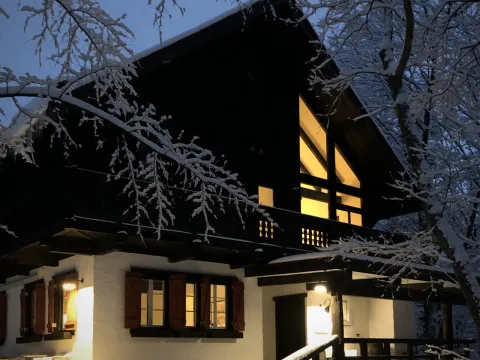
Fresh powder on the slopes in the morning, cedar-scented baths at night; Nagano is the classic Kōshin’etsu choice for winter and mountain lovers. Hotels here range from discreet ski-in/ski-out lodgings in high valleys to polished resorts on the outskirts of Nagano city, often with their own onsen wings and mountain-view rooms.
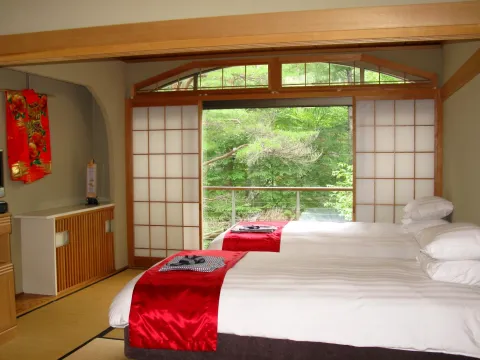
In the northern ranges, properties cluster close to lifts and hiking trailheads, with shuttle services that make it easy to move between mountain areas. Expect generous tatami rooms, deep ofuro-style tubs and public hot spring baths where the view is as important as the water temperature. The best stays balance efficient, almost understated service with small, thoughtful gestures – a thermos of tea waiting after a late descent, or staff quietly drying your boots overnight.
For travelers who prefer culture to carving turns, staying near Nagano Station along Chūō-dōri gives quick access to Zenko-ji temple and the compact restaurant streets that fan out behind it. Here, hotels feel more urban, with cleaner lines and fewer rustic touches, but you still find Japanese-style rooms and occasional rooftop baths. Choose Nagano if you want a flexible base for both ski days and day trips deeper into the region, and if you value easy shinkansen access.
| Hotel | Location | Why it stands out | Approx. nightly rate | Key features | Best for |
|---|
| Hotel Metropolitan Nagano | Directly connected to Nagano Station | Business-style city hotel with reliable comfort and quick access to trains and buses | ¥12,000–¥25,000 per room (typical range; check current rates) | Western beds, some Japanese rooms, easy access to Chūō-dōri, simple public bath (not guaranteed to be natural onsen) | First-time visitors prioritizing transport convenience; pros: station access and smooth transfers, cons: limited resort-style facilities |
| Hotel Kokusai 21 Nagano | Central Nagano city, short taxi ride from station | Full-service city hotel with wider rooms and views toward the mountains | ¥14,000–¥28,000 per room (approximate; seasonal changes apply) | Multiple restaurants, fitness facilities, shuttle to station at peak times (confirm schedule), standard public baths | Travelers wanting an urban base with more space; pros: larger rooms and dining choice, cons: requires short transfer from station |
Yamanashi and the Fuji highlands: lake views and quiet luxury
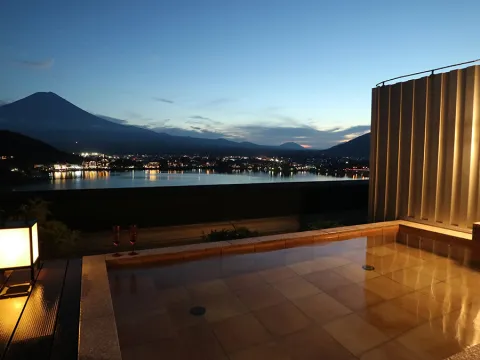
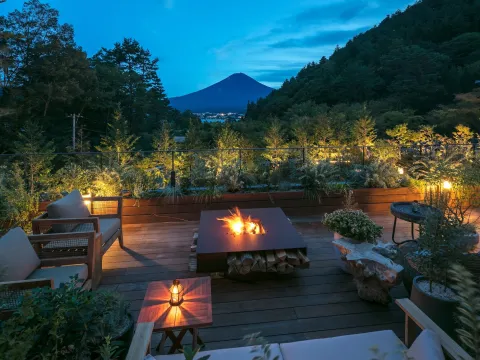
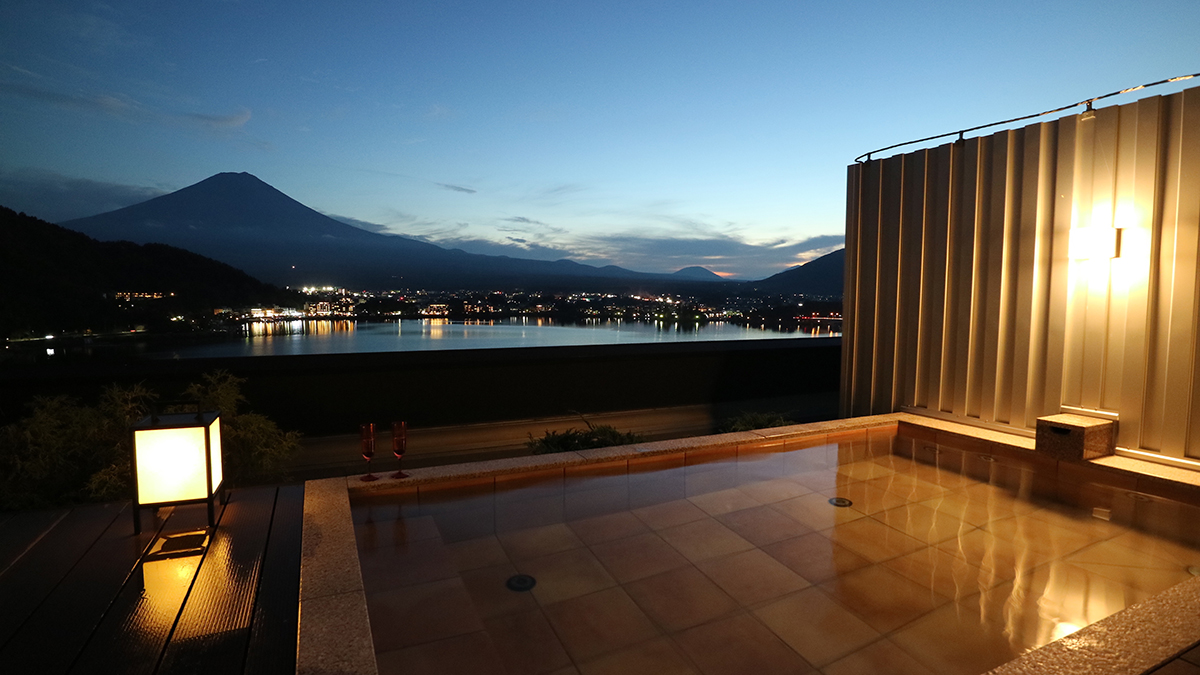
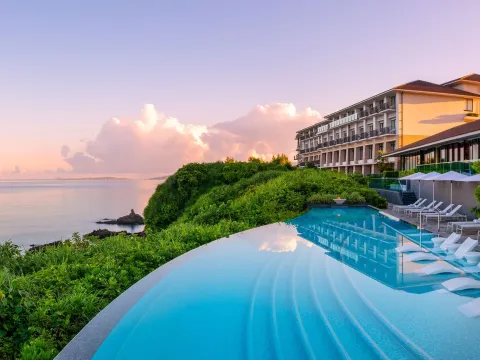
Mist lifting off a crater lake at dawn, Fuji’s outline appearing and disappearing behind clouds; Yamanashi offers a softer, more contemplative version of mountain Japan. Around the Fuji Five Lakes, many hotels are designed around the view, with picture windows framing the volcano and terraces angled to catch the evening light, making this one of the best areas for Fuji-view onsen resorts.
Properties in this area often feel like low-rise resorts rather than towers, spreading across gardens with separate wings for rooms, dining and onsen. Expect a mix of Western-style suites and Japanese rooms with futons, sometimes in the same building, which works well for couples traveling with parents or friends who have different comfort levels. The most memorable stays here are not the flashiest, but the ones where the staff quietly adjust meal times so you can catch a clear Fuji sunset, or suggest a pre-breakfast walk along a lakeside path.
Move away from the lakes toward central Yamanashi and the mood shifts again. Vineyards, fruit orchards and small hot spring towns dot the hills, and hotels lean into this rural rhythm with slower check-in rituals and menus built around local produce. Choose Yamanashi if your ideal Japan trip combines Fuji views, onsen time and unhurried drives through countryside rather than dense urban sightseeing, and if you want a calmer alternative to staying directly at Fuji’s base.
| Hotel | Location | Why it stands out | Approx. nightly rate | Key features | Best for |
|---|
| Kozantei Ubuya | Lake Kawaguchi, Yamanashi | Ryokan-style lakeside retreat with rooms facing Mount Fuji | ¥45,000–¥90,000 per room with meals (varies by season and plan) | Private open-air baths in many rooms, kaiseki dinners, shuttle from Kawaguchiko Station (confirm operating times), natural hot spring baths | Couples seeking romantic Fuji-view onsen stays; pros: immersive Fuji panorama and in-room rotenburo, cons: higher price point and structured meal times |
| Fuji View Hotel | Garden estate near Lake Kawaguchi | Classic resort hotel set in spacious grounds with partial Fuji vistas | ¥20,000–¥40,000 per room (indicative; check latest offers) | Large gardens, indoor and outdoor baths using hot spring water, mix of Western and Japanese rooms | Families wanting space to walk and relax; pros: expansive grounds and flexible room types, cons: not all rooms have full Fuji views |
Karuizawa and Matsumoto: design-forward stays and castle-town charm
Tree-lined avenues, discreet driveways and cool summer air define Karuizawa, one of Japan’s most established resort towns. Just off the main strip near Karuizawa Station, you find low-profile hotels tucked behind birch trees, with architecture that leans toward clean, contemporary lines rather than overtly traditional motifs. This is where Tokyo residents escape the heat, and the hospitality reflects that expectation of quiet efficiency and easy access to outlet shopping and cycling paths.
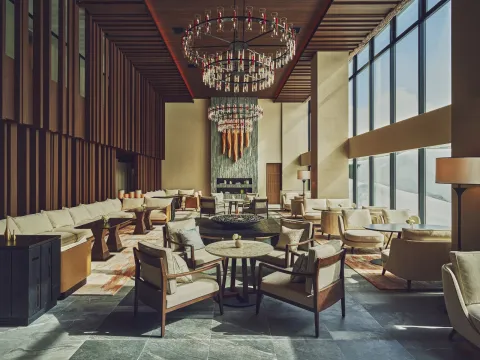
Many properties here integrate nature into their layout – rooms opening onto forest decks, long corridors with glass walls facing streams, onsen pavilions set slightly apart so you walk through the night air before entering the hot spring. The best hotels in Karuizawa work for travelers who want a polished, almost European resort feel without losing Japanese touches like seasonal kaiseki dinners and carefully curated yukata robes.
Matsumoto, by contrast, is anchored by its black-wood castle and compact grid of streets. Staying within walking distance of the castle moat or along Nakamachi-dōri puts you close to sake shops, small galleries and cafés housed in old kura storehouses. Hotels here tend to be smaller in scale, with a stronger sense of local city life – you step out in the evening and immediately join residents strolling toward dinner. Choose Matsumoto if you value walkability, history and a more urban rhythm within the wider Kōshin’etsu region, especially if you want to explore nearby valleys on day trips.
| Hotel | Location | Why it stands out | Approx. nightly rate | Key features | Best for |
|---|
| Hotel Cypress Karuizawa | Short shuttle ride from Karuizawa Station | Resort-style hotel with spacious rooms and easy access to outlet malls | ¥18,000–¥40,000 per room (subject to season and room type) | Western and Japanese rooms, rental bicycles, public baths (check if sourced from onsen), family-friendly facilities | Travelers wanting a relaxed base near Karuizawa Station; pros: roomy layouts and leisure facilities, cons: short transfer needed from the station area |
| Richmond Hotel Matsumoto | Central Matsumoto, walkable to castle | Modern mid-range hotel with consistent comfort and good value | ¥9,000–¥18,000 per room (average range; verify current pricing) | Western beds, reliable Wi‑Fi, easy access to Nakamachi-dōri and local eateries | Guests prioritizing walkability and everyday city life; pros: strong value and central location, cons: limited resort amenities and small standard rooms |
Onsen culture and hot spring hotels: what to expect
Steam curling off an outdoor pool in the snow is the image that draws many travelers to Kōshin’etsu, and the reality is even better. Onsen hotels in this region take their hot spring water seriously; the mineral composition, temperature and flow are treated almost like a wine list. You will often find separate indoor and open-air baths, sometimes with different springs feeding each pool, especially at traditional ryokan in Nagano and Yamanashi.
In traditional properties, expect a clear rhythm to the day built around bathing and meals. Guests change into yukata after check-in, soak before dinner, then again before breakfast. Some resorts offer private onsen rooms that can be reserved by the hour, a good option if you are new to Japanese bathing etiquette or traveling as a couple who prefers to bathe together. The most refined stays manage to make these rituals feel natural rather than choreographed, with staff guiding you gently through each step.
Not every hotel in Kōshin’etsu has its own hot spring source, so if onsen access is central to your trip, verify whether the baths are true hot spring facilities or standard heated pools. For travelers who are less focused on bathing, a property with a smaller, well-designed bath area but stronger location near restaurants or ski lifts can be a better trade-off than a remote onsen resort with limited daytime options, especially in winter when daylight hours are short.
How to choose the right area and hotel profile for your trip
Start with season, not with a list of hotels. In spring, when snow still lingers on the peaks but valleys turn green, Nagano’s lower mountain towns and the Fuji lakes are at their most balanced – cool mornings, clear views, and fewer crowds than high summer. Winter naturally favors ski areas and onsen villages, while early autumn is ideal for Karuizawa’s foliage and Matsumoto’s castle framed by red maples and crisp blue skies.
Next, decide whether you want a self-contained resort or a base inside a lived-in city. Resorts in forested areas or by lakes work well if you are happy to dine on-site, linger in the spa and treat the property as the destination. Hotels in Nagano city, Matsumoto or central Yamanashi suit travelers who like to step out to local izakaya, explore side streets and use trains for day trips, or who prefer to stay near major stations for smoother transfers.
Finally, think about how “Japanese” you want your stay to feel in terms of room layout and rituals. Some properties offer almost entirely Western-style rooms with beds and sofas, others focus on tatami, futons and low tables, and many now mix both. For a first visit to Japan, a hotel that combines Western bedding with access to an onsen and a Japanese breakfast can be a comfortable middle ground, giving you the essence of the region without overwhelming you with unfamiliar details or complex etiquette.
Practical booking tips for Kōshin’etsu hotels
Peak seasons in Kōshin’etsu are sharply defined, and that should shape how you plan. Winter weekends near major ski areas and the core cherry blossom weeks in Matsumoto and the Fuji lakes see rooms fill quickly, so booking well in advance is wise if you have fixed dates. Midweek stays outside national holidays often feel calmer, with staff having more time for small, personalized touches and upgrades when available.
When comparing options on a hotel booking website, look beyond room photos. Pay attention to whether dinner and breakfast are included or optional, how many onsen baths there are, and whether the property sits on a slope, by a lake, or in a compact town center. In Kōshin’etsu, location shapes your entire rhythm; a 15-minute walk from the station along Nagano’s Chūō-dōri feels very different from a hillside resort reached only by shuttle, or a hotel near Karuizawa Station where you can roll your suitcase on foot.
Transport access is the final filter. If you are traveling with large luggage or with children, staying within a short taxi ride of a major station such as Nagano, Matsumoto or Karuizawa will make arrivals and departures smoother. If you are comfortable with local buses and slower trains, more remote hot spring areas reward the extra effort with quieter baths, darker night skies and a stronger sense that you have stepped into another Japan, far from the main tourist circuits. Rate ranges, shuttle details and onsen facilities mentioned here are indicative and can change; always confirm current information at the time of booking.
Is the Kōshin’etsu region a good base for a first trip to Japan?
For a first trip, Kōshin’etsu works best as a second or third stop after a major city like Tokyo or Kyoto. The region offers a clear contrast to urban Japan – mountains, onsen, slower evenings – while still being easy to reach by train. Travelers who value nature, food and hot springs will find it an excellent base for three to five nights, especially if they choose hotels near major stations for simpler logistics.
Which area in Kōshin’etsu is best for onsen-focused stays?
Onsen-focused travelers should look to Nagano’s hot spring towns and Yamanashi’s Fuji lake area. Nagano offers classic mountain baths with snow views in winter, while Yamanashi combines hot springs with Fuji panoramas and lakeside walks. Both regions have hotels built around bathing rituals, but Nagano leans more alpine, Yamanashi more contemplative and view-driven, making it easier to match your preferred atmosphere.
How many days should I plan in Nagano and Yamanashi?
A balanced itinerary would allocate two to three nights in Nagano for mountains, skiing or temple visits, and two nights in Yamanashi for Fuji views and lakeside or countryside drives. With five nights, you can experience both the alpine and volcanic sides of the Kōshin’etsu region without rushing, especially if you base yourself near major train stations and avoid too many hotel changes.
What is the difference between staying in Karuizawa and Matsumoto?
Karuizawa feels like a modern resort town with forested villas, design-forward hotels and a focus on relaxation, shopping and cycling. Matsumoto is a compact castle city with stronger historical character, walkable streets and easier access to local restaurants and galleries. Choose Karuizawa for cool-air retreats and resort comfort, Matsumoto for culture, history and everyday Japanese city life, particularly if you enjoy exploring on foot.
Do all hotels in Kōshin’etsu have natural hot spring baths?
Not all hotels in Kōshin’etsu use natural hot spring water. Many properties offer public baths, but some are standard heated pools rather than true onsen fed by a spring source. If bathing is central to your trip, check whether the hotel specifies natural hot spring facilities and how many different baths or pools are available, and confirm whether any rooms have private open-air tubs.