How Japanese Artisan Luxury Hotel Design Is Reshaping Expectations
How japanese artisan luxury hotel design is reshaping expectations
In Japan, the most interesting luxury hotels now behave like curators of craft rather than collectors of décor. A japanese artisan luxury hotel treats every surface, from the hotel lobby to the most discreet private onsen, as a canvas for monozukuri, the Japanese philosophy that honors the art of making things with care and intention. For business travelers extending a stay in Tokyo or planning a day in Kyoto, this shift means that the choice of hotels in Japan has become a choice about which craft stories you want to live with, not just which room category you want to book.
Across Japan, the best luxury properties are moving beyond generic design and commissioning artisans whose work shapes how you move through space. In Kyoto Japan, a japanese artisan luxury hotel might use hand planed cedar for guest rooms, indigo dyed textiles in the restaurant, and a stone path in the garden cut by the same family that once paved temple grounds. In Tokyo, a modern luxury hotel may pair floor to ceiling glass with traditional Japanese paper screens, creating a design modern enough for executives yet grounded in centuries of material knowledge.
This deeper integration of craft changes how you evaluate luxury hotels when you travel. Instead of only comparing rates to book, you start asking which hotels Japan has that will introduce you to a lacquer master, a ceramicist, or a camellia oil producer during your stay. A japanese artisan luxury hotel becomes a place where art is not hung on the wall as an afterthought, but where art and design define the rhythm of your day from the first onsen soak to the last drink in the bar.
When a camellia oil house enters the spa: HOTEL THE MITSUI KYOTO
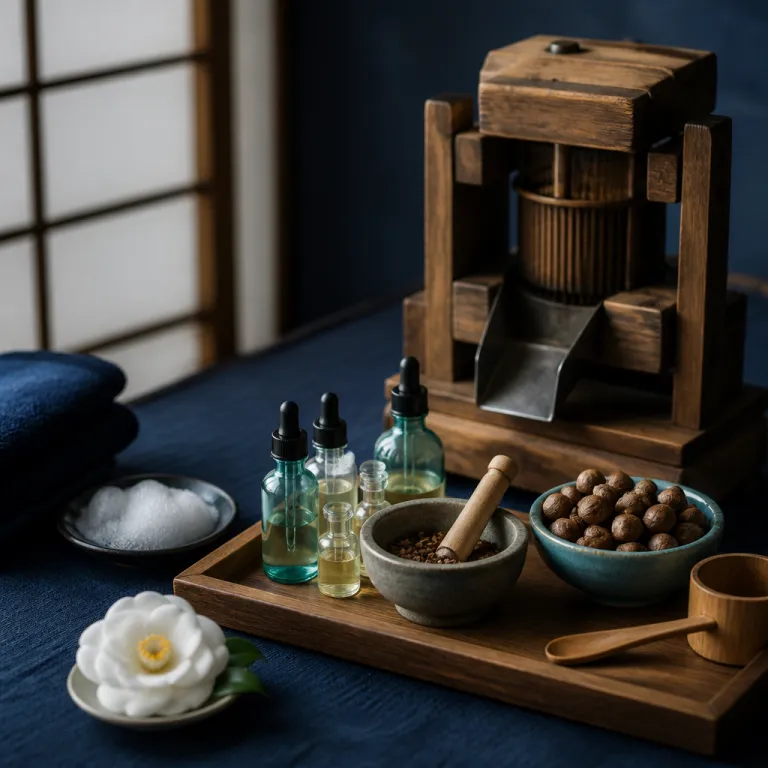
Few collaborations capture this craft first mindset as clearly as the partnership between HOTEL THE MITSUI KYOTO and Kazurasei, a Kyoto based camellia oil maker founded in the nineteenth century. According to Kazurasei’s official brand history, the company traces its roots to 1865, and HOTEL THE MITSUI KYOTO highlights this collaboration in its spa materials as a way to connect guests with traditional Japanese beauty culture. In this japanese artisan luxury hotel, the spa is not just a modern wellness facility attached to a luxury hotel, but a quiet stage where traditional Japanese beauty rituals meet contemporary techniques. The property sits in central Kyoto, yet the moment you step from the hotel lobby toward the onsen wing, the city falls away and the language of cedar, stone, and water takes over.
Kazurasei supplies camellia oil for a series of signature treatments that draw on long standing Japanese practices for skin and hair care. As the brand explains to guests who ask about the ingredient, “What is camellia oil? A traditional Japanese oil used for skin and hair care.” Therapists at this craft driven spa are trained in traditional application methods, so the oil is warmed, pressed, and layered with a precision that feels closer to a tea ceremony than a standard spa routine.
The spa’s thermal zone, with its hot spring inspired baths, echoes the atmosphere of a ryokan while remaining resolutely urban and modern. You move from a stone lined hot spring pool to a quiet relaxation room where shoji filtered light falls across hand woven textiles, each sourced from Kyoto workshops that also supply historic temples. For travelers planning a day in Kyoto around meetings and sightseeing, booking one of the five camellia oil treatments in advance turns the hotel into more than a place to sleep; it becomes a living introduction to Kyoto Japan’s craft ecosystem and a practical way to experience monozukuri without leaving the city center.
Art as architecture: from Hotel Gajoen Tokyo to Capella Kyoto
In Tokyo, Hotel Gajoen Tokyo shows how art can become the architecture of a japanese artisan luxury hotel rather than a decorative layer. The property’s Hyakudan Kaidan, a registered cultural property, is a series of seven rooms connected by a wooden staircase, each space decorated by early Showa period artists representing different Japanese craft traditions. Hotel Gajoen Tokyo describes this area as “a museum hotel of Japan beauty,” and staying here feels less like checking into one of the city’s luxury hotels and more like moving through a private museum where every panel, ceiling, and alcove tells a story.
Guests can arrange private tours of these rooms, turning what might have been a quick photo stop into a guided immersion in lacquer, painting, and carved wood. The experience reframes what a hotel room can be, especially for travelers used to design modern spaces in business districts of Tokyo. You begin to see how a japanese artisan luxury hotel can use historical art to shape contemporary hospitality, from the way corridors are lit to how guest rooms frame views of the garden outside.
Further west in Kyoto, Capella Kyoto takes a different but equally focused approach to craft. Its interior design draws from machiya townhouses, using timber grids, paper screens, and stone to create guest rooms that feel both traditional Japanese and quietly international. For executives who split their time between Tokyo and Kyoto, this japanese artisan luxury hotel offers a counterpoint to glass tower stays, with a restaurant that highlights local ceramics and a courtyard garden that changes character with the seasons.
Ryokan heritage, private onsen rituals, and regional craft
Some of the most compelling examples of japanese artisan luxury hotel experiences appear where ryokan heritage meets contemporary expectations for privacy and comfort. Properties such as Gora Kadan in Hakone reinterpret the classic ryokan format with guest rooms that open onto private onsen, allowing you to soak in mineral rich hot springs while surrounded by carefully composed garden views. Here, traditional Japanese architecture, from tatami floors to tokonoma alcoves, is paired with subtle modern lighting and climate control so that the ritual feels timeless yet effortless.
Hoshinoya’s portfolio across Japan extends this idea by tying each property to regional craft traditions. At Hoshinoya Kyoto, reached by boat along a forested river, the interior design leans into local textiles and woodworking, while in coastal regions near the inland sea or Ise Shima, ceramics and lacquerware from nearby kilns and studios appear in both the restaurant and the guest rooms. For travelers comparing luxury hotels in Japan, these details matter as much as spa menus or rates to book, because they determine how deeply you connect with place during a short stay.
Further north, destinations such as Yamanaka Onsen show how hot spring culture and craft can anchor an entire itinerary. A japanese artisan luxury hotel in this region might commission local artisans to create custom hinoki tubs for each private onsen, or to carve signage and screens that guide you from the hotel lobby to the bathing areas. When you understand onsen etiquette and the unwritten rules around shared hot spring spaces, which guides from MyJapanStay explain in depth, you can relax into these environments and appreciate how design, water, and landscape work together.
Monozukuri as a decision tool for choosing your next stay
For business leisure travelers, the concept of monozukuri offers a practical lens for choosing a japanese artisan luxury hotel in Japan. Instead of starting with brand names alone, look at how each hotel integrates craft into its design, from the hotel lobby materials to the way guest rooms frame the surrounding city or garden. Ask whether the property collaborates with named artisans, as HOTEL THE MITSUI KYOTO does with Kazurasei, or whether it simply imports generic luxury finishes that could belong to any hotel in any country.
In Kyoto, Aman Kyoto sits in a forested valley where moss covered stones, timber pavilions, and a carefully edited palette of materials create a retreat that feels both ancient and sharply modern. The design modern language here is quiet enough to let the surrounding nature lead, yet precise enough to satisfy travelers who expect the best luxury standards from global brands. Compare that to a japanese artisan luxury hotel along the inland sea or near Ise Shima, where the emphasis might fall on sea facing hot spring baths, regional seafood in the restaurant, and textiles woven in nearby villages.
When you evaluate hotels Japan offers for an upcoming trip, consider how each option treats art and craft as part of the guest journey. Does the property offer access to workshops, studio visits, or in room amenities that tell a clear story about Japanese materials and makers. The more specific the collaboration, the more likely it is that your stay will feel rooted in place rather than like a generic luxury experience that happens to be set in Japan.
How to book and experience these craft driven properties
Turning this knowledge into an actual booking strategy for a japanese artisan luxury hotel requires a bit of planning, but the payoff is significant. Start by mapping your travel route between Tokyo, Kyoto, and any regional destinations such as Hakone, Yamanaka Onsen, or coastal areas near the inland sea, then identify one or two hotels in Japan along that path where craft collaborations are central to the concept. For a short day in Kyoto, for example, pairing a stay at HOTEL THE MITSUI KYOTO with a visit to nearby galleries and workshops creates a coherent narrative around traditional Japanese design.
When you compare rates to book, look beyond room size and breakfast inclusions to see what is embedded in the stay. Some japanese artisan luxury hotel properties include guided art tours, access to private onsen sessions, or introductions to local makers as part of higher room categories, while others offer these as add ons that can be reserved through the concierge. In either case, asking specific questions about art, interior design, and spa partnerships signals to the hotel that you value these elements, which often leads to more tailored recommendations.
Finally, treat your time in these hotels as an opportunity to slow down and observe how craft shapes your experience. Notice the ceramics in the restaurant, the textiles in the guest rooms, the joinery in the hotel lobby, and the way hot spring areas are framed by stone and wood. In a landscape where many luxury hotels compete on views and amenities, choosing places that honor monozukuri ensures that your memories of Japan will be tied not only to where you went, but to how things felt in your hands and under your feet. When you are ready to plan, contact your preferred hotel or a specialist advisor such as MyJapanStay with your target dates and cities so they can match you with properties that align with your craft interests.
FAQ
What is camellia oil and why does it matter in Japanese hotel spas ?
Camellia oil is a traditional Japanese plant oil long used for skin and hair care, prized for its light texture and nourishing properties. In a japanese artisan luxury hotel such as HOTEL THE MITSUI KYOTO, partnering with a specialist like Kazurasei means spa treatments draw directly from this heritage rather than using generic products. For guests, this creates a wellness experience that is both sensorially refined and culturally grounded.
How can I book a spa treatment that uses traditional ingredients ?
Most luxury hotels in Japan allow you to reserve spa treatments by email, phone, or through your booking channel once you have a room confirmed. For collaborations such as the Kazurasei camellia oil rituals at HOTEL THE MITSUI KYOTO, it is wise to book in advance because the number of daily slots is limited. When you contact the spa, mention your interest in traditional Japanese ingredients so the team can recommend the most appropriate menu.
What makes a japanese artisan luxury hotel different from a standard luxury property ?
A japanese artisan luxury hotel integrates local craft, materials, and maker partnerships into its core design and operations rather than treating them as decorative extras. This can include architecture inspired by machiya townhouses in Kyoto, guest rooms furnished with regionally produced textiles, or private onsen areas built by local stone masons. The result is a stay where every detail, from the restaurant tableware to the hotel lobby lighting, reflects a specific place in Japan.
Can I visit artisan workshops through my hotel in Japan ?
Many high end hotels in Japan, especially in Kyoto, Hakone, and craft focused regions, can arrange visits to studios and workshops. Concierges at properties that emphasize monozukuri often maintain relationships with ceramicists, textile weavers, and woodworkers who welcome small numbers of guests. When you book, ask whether the hotel offers curated craft experiences or can tailor an itinerary around your interests.
How should I prepare for using onsen facilities at luxury hotels ?
Before using shared hot springs or a private onsen in a japanese artisan luxury hotel, it helps to understand basic etiquette such as washing thoroughly before entering the bath and keeping towels out of the water. Many hotels provide written guides in the room, and some offer short orientations for international guests. For a deeper overview of customs and unwritten rules, specialist resources from MyJapanStay on onsen etiquette at luxury hotels in Japan are particularly useful.