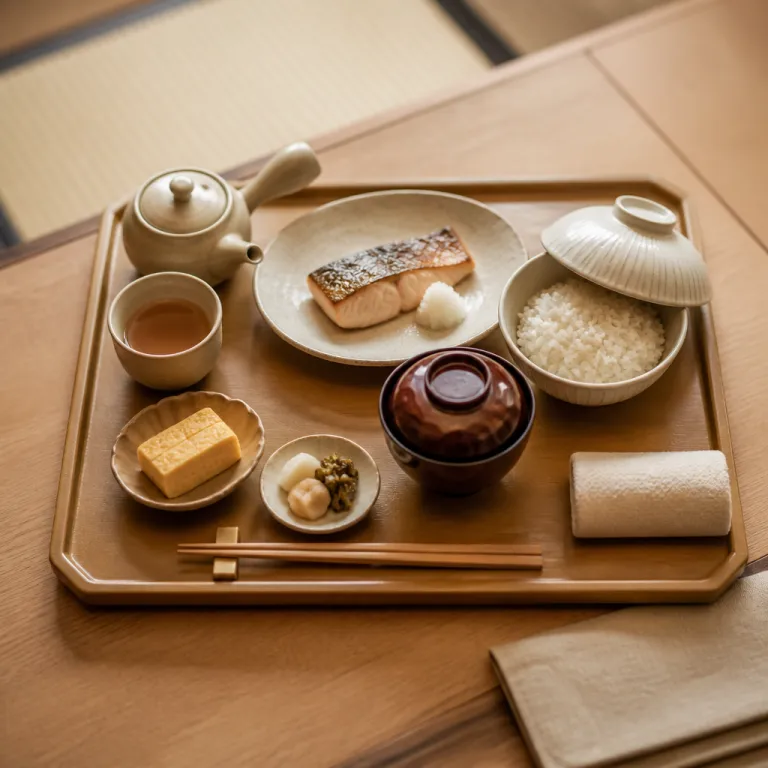
The quiet ritual of japanese ryokan breakfast luxury
The most revealing moment of a japanese ryokan breakfast luxury stay often happens before you taste anything. After an early soak onsen in the onsen hot springs, you step back into your room wrapped in a soft yukata and the low table has transformed into a lacquered stage for a traditional japanese breakfast. This is the instant when a japanese ryokan turns from simple accommodation into a cultural guide, and the ryokan experience becomes a quiet masterclass in how Japan thinks about time, season and hospitality.
At high end ryokans throughout Japan, the morning tray follows the ichiju sansai principle, meaning one soup and three main side dishes anchored by perfect rice. The average traditional japanese breakfast in a traditional ryokan might feature seven dishes, yet japanese ryokan breakfast luxury properties often extend this to fifteen or more small plates, each one a precise expression of local food culture. This is not about excess ; it is about giving your ryokan stay a rhythm where every bowl and plate will tell you something about the region, the season and the philosophy of the house.
Grilled fish arrives first, usually a local river fish in mountain ryokans or a fatty coastal catch in seaside ryokans, its skin blistered and crisp. Beside it sit miso soup, steamed Koshihikari rice, house made pickles, tamagoyaki, nori and sometimes natto, all arranged in a balanced japanese style geometry that feels both formal and intimate. When you stay ryokan in Kyoto or travel Japan through onsen towns, you start to see how the best ryokans offer breakfast as a daily ceremony, where the staff will move almost silently, yet their timing, their english explanations and their small bows create an experience ryokan guests remember long after check out.
The anatomy of the morning tray: from rice to multi course kaiseki echoes
Look closely at a japanese ryokan breakfast luxury tray and you will notice that rice is not just a side ; it is the quiet centre of the entire experience. Many of the best ryokans in Japan name their rice source on the menu, proudly serving Koshihikari from Niigata or Sasanishiki from Miyagi in small, perfectly lidded bowls. When you travel through Kyoto or the Hokuriku coast, a good ryokan guide will often point out that the subtle sweetness and texture of the rice define how every other flavour on the tray lands on your palate.
The supporting cast follows the logic of kaiseki, the traditional japanese multi course dinner, but compressed into a single, carefully edited breakfast tray. You might find grilled river fish, a clear dashi based soup, simmered vegetables, tofu, house made pickles and a small salad, each in its own ceramic or lacquer vessel. As one reference neatly puts it, “What is a typical dish in a ryokan breakfast? Grilled fish, miso soup, rice, pickles, and nori.”
Luxury properties interpret this structure with their own signatures, turning the ryokan experience into a form of destination dining. At Aman Kyoto, the japanese breakfast leans into forest terroir, with mountain vegetables and fragrant miso echoing the cedar hills outside, while HOSHINOYA ryokans offer regionally focused trays that feel almost like curated food tours on a lacquer board. If you are planning to travel Japan for gastronomy, pair one of these stays with a contemporary hotel restaurant such as the one profiled in our review of an Asia’s 50 Best restaurant inside a Tokyo hotel, and you will see how morning and evening now compete as the most memorable meals of the day.
Season, region and ceramics: how the tray teaches you Japan
A japanese ryokan breakfast luxury tray is also a map of where you are in Japan and when you chose to travel. In spring, bamboo shoots and young greens appear in tiny bowls, while summer brings myoga ginger, chilled tofu and lighter broths that suit the heat. Autumn in Kyoto might mean matsutake mushrooms and chestnuts, whereas winter in onsen hot spring regions leans into daikon, turnips and heartier miso that warm you after a dawn soak onsen session.
The vessels matter as much as the food, because traditional ryokan owners treat ceramics and lacquerware as part of the story. Instead of uniform hotel china, you will see wabi sabi pottery, hand painted bowls and black lacquer trays that frame each japanese breakfast element like a small artwork. This is where japanese style aesthetics meet function ; the textures keep rice warm, the shapes cradle miso soup, and the colours echo the landscape outside your room.
For couples planning a ryokan stay, this attention to detail is what separates a simple stay from a true ryokan experience. When you stay ryokan in a property with only a handful of rooms, the staff will often choose specific plates for repeat guests, turning breakfast into a subtle conversation over time. If you are weighing different luxury hotel suites in Japan, our guide to refined suites and exclusive experiences can help you pair a spacious room with a traditional japanese breakfast program, so your travel feels both indulgent and deeply rooted in place.
Onsen, privacy and the choreography of the morning
The rhythm of japanese ryokan breakfast luxury is inseparable from the onsen culture that shapes so many of Japan’s best stays. In classic hot spring towns, couples wake early, soak onsen in gender separated baths or in a private onsen attached to their room, then return to find the futons folded away and the breakfast tray waiting. That sequence — hot spring, yukata, lacquer tray — is the choreography that turns a simple meal into a full ryokan experience.
Many traditional ryokans offer the choice between in room dining and a private breakfast room, and both options have their own charm. Eating in your room keeps the focus on intimacy, with shoji screens filtering the light and the staff will moving quietly as they lay out each japanese breakfast dish in order. Opting for a private dining room lets you see how other guests travel Japan too, from local couples on weekend breaks to international travellers listening carefully as the team explains dishes in english.
If you are planning a romantic trip built around hot springs, consider properties where every suite has its own private onsen, especially in Kyoto and Hakone. Our in depth feature on private onsen luxury in Kyoto highlights ryokans where the onsen hot water is piped directly from the source, and the japanese ryokan breakfast luxury service is timed to your preferred soaking schedule. In these stays, the ryokan staff become quiet partners in your morning ritual, adjusting serving times so you can linger in the hot spring without ever feeling rushed to the breakfast table.
How to choose and book a breakfast focused ryokan stay
For couples using a luxury hotel booking website to plan a japanese ryokan breakfast luxury trip, the key is to read beyond room size and onsen photos. Look for ryokans that publish sample japanese breakfast menus, name their rice producers and highlight seasonal ingredients, because these details signal a serious approach to food. Properties that mention ichiju sansai, multi course breakfast formats or collaborations with local farmers and fishmongers usually treat the morning tray as a core part of the ryokan experience, not an afterthought.
When you compare ryokans across Japan, pay attention to how flexible they are with timing and dietary needs. Many houses now note that they can adapt the traditional japanese breakfast for pescatarian or vegetarian guests, and the most polished teams offer english explanations of each dish so you understand what you are eating. The dataset we use to evaluate properties reminds guests of two simple but crucial points : “Inform staff of dietary restrictions in advance. Embrace local customs and flavors.”
Practicalities matter too, especially if you plan to travel Japan across several regions in one trip. Check whether your ryokan guide or booking platform offers support in english, whether travel insurance covers non refundable stays, and how far the property sits from train stations or key tours you might join later in the day. A well chosen traditional ryokan with a thoughtful japanese breakfast can anchor your itinerary, giving you one fixed point of calm and nourishment around which the rest of your travel can unfold.
FAQ
What is typically included in a japanese ryokan breakfast ?
A typical japanese ryokan breakfast includes grilled fish, steamed rice, miso soup, pickles, nori, tamagoyaki and several small seasonal side dishes. Many traditional ryokans offer tofu, simmered vegetables and salad, following the ichiju sansai principle of one soup and three main sides. Luxury ryokans often expand this into a multi course style tray with ten to fifteen individual plates.
Can dietary restrictions be accommodated at a traditional ryokan ?
Most high end ryokans in Japan can accommodate dietary restrictions if informed in advance. Many properties now provide english language forms before your stay, asking about allergies, religious requirements and preferences such as vegetarian or no raw fish. The more detail you share before you travel, the more precisely the staff will adjust your japanese breakfast without losing its traditional structure.
Is breakfast usually served in the room or in a dining area ?
In many traditional ryokans, breakfast is served in your room on a low table that staff set up after folding away the futons. Some properties also offer private dining rooms or a main breakfast hall, which can be preferable if you want to move straight to tours or a hot spring walk afterwards. When you book, you can usually request your preferred style of service and time slot.
What time is breakfast served during a ryokan stay ?
Breakfast at japanese ryokans is generally served in the morning window between 7:00 and 9:00. Staff will ask your preferred time at check in and coordinate it with onsen access so you can soak onsen before or after eating. If you plan early travel or guided tours, mention this so they can adjust the schedule where possible.
Do I need travel insurance for a luxury ryokan booking ?
Travel insurance is strongly recommended when you book a luxury ryokan stay, especially during peak seasons when cancellation policies are strict. Comprehensive policies can cover non refundable nights, missed connections and medical issues that might prevent you from reaching remote hot spring regions. For couples planning several ryokans across Japan, this extra layer of protection helps you commit to the best properties without worrying about unforeseen changes.