Practical guide to where to stay in Japan’s Tokai region near Nagoya, with tips on areas, hotel styles, access to Mount Fuji and national parks, and how to choose the right base for your trip.
Where to Stay in the Tokai Region: Best Areas and Notable Hotels Near Nagoya
Why the Tokai region is worth considering for your trip to Japan
Shinkansen passengers often rush through Nagoya without looking up, unaware that the Tokai region quietly links some of Japan’s most compelling contrasts. Industrial coastlines, cedar-covered hills, onsen towns, and access to Mount Fuji all sit within a few hours of each other. For a certain kind of traveler, this mix is far more interesting than a simple Kyoto–Tokyo axis.
Think of Tokai as a hinge between major cities and outdoors Japan. To the east, Shizuoka opens towards Fuji and the Pacific; to the west, Aichi and Gifu carry the weight of automotive plants, ceramics workshops, and dense urban life. Hotels here tend to serve Japanese business travelers first, leisure guests second, which means efficient service, strong respect for privacy, and a more local rhythm than in classic resort areas. If you enjoy watching everyday culture rather than curated spectacle, this region rewards you.
For a trip to Japan that balances art, nature, and working-city energy, Tokai is a strong candidate. It will not replace Kyoto’s temples or Tokyo’s galleries, but it complements them. Many travelers now structure Japan tours with a few nights in this area to explore national parks, coastal scenic spots, and lesser-known heritage sites before looping back to the big-name destinations.
Understanding Tokai’s geography: where you will actually be staying
Hotel searches for “Tokai” can be confusing. Sometimes they refer to Tokai City in Aichi Prefecture, an industrial municipality south of Nagoya around Osuhama and Ota-machi. Sometimes they mean the broader Tokai region stretching along the Pacific coast, including Aichi, Shizuoka, Gifu, and Mie. Clarifying this distinction is the first thing to verify before you book any hotel located here.
Tokai City itself sits roughly 20 minutes by train from central Nagoya Station, with local lines running through areas like Otagawa and Shibata. This is a practical base if you want quick access to Nagoya’s museums, food and drink scene around Sakae, and onward trains to Kyoto or Tokyo, while staying in a quieter, more local area at night. Expect compact city hotels, functional rooms, and surroundings shaped by factories and port facilities rather than by traditional culture.
The wider Tokai region offers a very different experience. Shizuoka Prefecture brings you closer to Fuji views and tea fields; Gifu opens the door to river valleys and historic towns; Mie leads towards Ise-Shima’s coastline and spiritual heritage. When you see “hotels Tokai” in search results, look carefully at the prefecture and nearest station. Distances can be deceptive; a property that seems “near Fuji” might still be more than an hour away by local train or highway bus.
What to expect from hotels in Tokai: style, service, and atmosphere
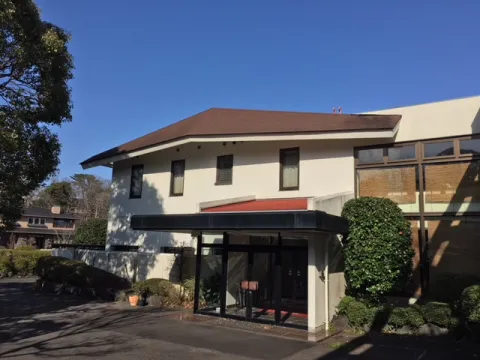
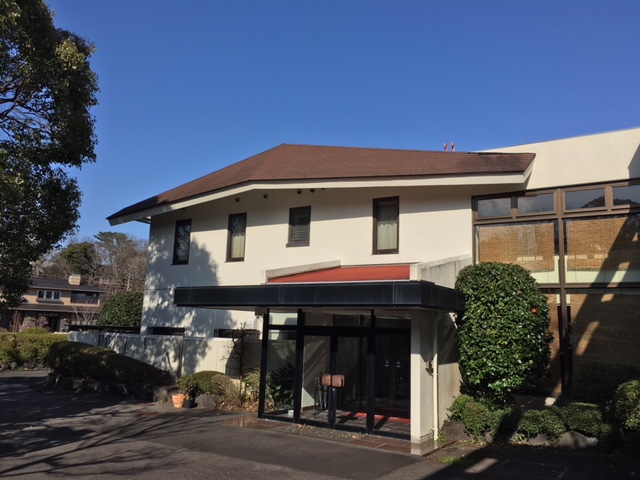
Rooms in this region tend to prioritize function over theatrical design. You will find clean lines, firm beds, and thoughtful Japanese touches rather than dramatic lobbies or statement art installations. In Tokai City and similar urban hubs, many properties cater primarily to domestic business guests, so expect efficient check-in, clear English signage in key areas, and staff used to late arrivals from major cities.
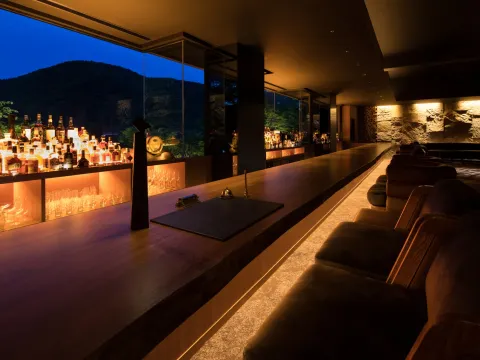
Wellness facilities are a quiet strength. Several hotels in the area offer public baths or small hot spring-style bathing areas, sometimes with dry saunas attached. These are not grand onsen resorts in the classic sense, but they provide a welcome ritual at the end of a travel day. The atmosphere is usually calm and understated; you bathe, you rest, you sleep. For travelers who value routine and recovery during a busy trip to Japan, this rhythm can become a favorite part of the stay.
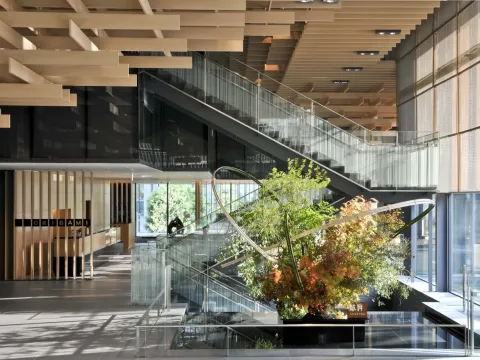
Design-wise, do not expect the curated intimacy often associated with a boutique hotel in Tokyo or Kyoto. Properties here are more straightforward, with occasional nods to local art culture in the form of ceramics, calligraphy, or regional textiles in public spaces. The upside is authenticity. You share breakfast buffets with local workers, hear Nagoya dialect in the elevators, and watch everyday culture in Japan unfold around you rather than a stage-managed version for visitors.
Location choices: industrial coast, city hubs, or nature gateways
Staying in or near Tokai City places you in the industrial heart of Aichi. Around the address band of Osuhama in Ota-machi, the landscape is dominated by warehouses, port infrastructure, and wide roads. This is not a scenic quarter, but it is practical. Free parking is common, access to expressways is straightforward, and you are a short drive from Tenozaki Park, a small green pocket on the waterfront where locals walk at sunset.
If you prefer a more urban feel, basing yourself closer to Nagoya Station or Sakae gives you faster access to museums, shopping, and Japanese food experiences such as hitsumabushi (grilled eel over rice) or miso katsu. From there, a 15 to 30 minute walk or short train ride often separates your hotel from major cultural venues like the Nagoya City Science Museum or the Aichi Prefectural Museum of Art. This suits travelers who want to enjoy art, culture, and nightlife, then retreat to a quiet room.
For nature and views of the natural landscape, consider the broader Tokai region rather than Tokai City itself. Shizuoka’s coastal towns bring you closer to Fuji-facing scenic spots and access to national parks, while inland Gifu offers river gorges and hiking. The trade-off is logistics; you gain outdoors Japan on your doorstep but lose the immediate convenience of bullet-train hubs. Decide whether your trip prioritizes day trips to heritage sites and nature, or easy movement between major cities.
Who the Tokai region suits best – and who should look elsewhere
Travelers who enjoy watching the everyday machinery of Japan will feel at home here. The Tokai region, especially around Aichi, is where factories, ports, and research centers quietly power the country’s economy. Staying in hotels in Tokai means sharing elevators with engineers, sales teams, and local families rather than tour groups. If you like your travel to intersect with real working life, this is a strong fit.
Culture seekers are not left out. From Nagoya, you can reach Inuyama Castle, one of Japan’s oldest surviving wooden keeps, in under an hour, and explore history, culture, and riverside walks along the Kiso. Local festivals, from summer fireworks on the Nagoya Port to autumn events in nearby shrines, offer a grounded sense of heritage. You will not find Kyoto’s density of temples, but you will encounter a more lived-in, less curated version of Japanese culture.
Those looking for a pure resort experience, with dramatic Fuji panoramas from every room and onsen complexes spilling into forests, may be better served by classic hot spring towns in Hakone or Kawaguchiko. The Tokai region is more about balance; a day of meetings, a quick detour to a coastal park, a quiet bath, then simple but satisfying food and drink. If that rhythm appeals, this area can anchor a very rewarding segment of your trip.
How to choose the right hotel in the Tokai region
Start with your primary purpose. If your focus is business in Aichi or easy access to Nagoya, prioritize properties within a short walk of key stations on local lines, or within a five to ten minute walk of major arterial roads if you are driving. Confirm whether the hotel offers on-site parking, especially in industrial districts where public transport is less dense. For travelers planning multiple Japan tours within the region, proximity to the Shinkansen at Nagoya Station is often the decisive factor.
For leisure-focused stays, look at how each hotel connects to specific experiences. Some are better placed for quick drives to coastal scenic spots and small parks like Tenozaki, others for day trips to heritage towns or art culture venues in Nagoya. If you care about bathing rituals, verify whether the property has public baths or a hot spring-style facility, not just standard bathrooms. This single feature can transform a functional overnight into a restorative pause in your trip to Japan.
Language support matters too. In business-oriented areas, front-desk staff are generally comfortable handling basic requests in English, but printed information may remain largely in Japanese. If you are less confident navigating local systems, choose hotels that clearly state multilingual support and have clear wayfinding. Finally, consider whether you want to be embedded in a local neighborhood with few tourists, or closer to international pockets around Nagoya where menus, signage, and services are more adapted to overseas guests.
Planning your wider itinerary around Tokai
Anchoring a few nights in the Tokai region allows you to stitch together a more layered Japan itinerary. From Nagoya, Kyoto is around 35 minutes away by Shinkansen, while Tokyo sits roughly 90 minutes in the other direction. This makes Tokai a practical midpoint if you want to move between major cities without constantly changing hotels. Many travelers now use it as a base for regional day trips, then continue onwards to more iconic destinations.
Nature excursions are straightforward. Shizuoka’s access to Fuji and surrounding national parks can be reached by train or car, while coastal drives along the Pacific reveal fishing ports, tea fields, and low-key beaches. Inland, Gifu’s river valleys offer rafting, hiking, and glimpses of traditional architecture. None of this is as heavily packaged as classic resort areas, which is precisely the appeal; you experience outdoors Japan in a more everyday, less choreographed way.
Food is another reason to linger. Nagoya’s distinctive Japanese food culture – from tebasaki chicken wings to kishimen noodles – gives you a different flavor profile than Tokyo or Osaka. Local izakaya near smaller stations in Tokai City or along the Meitetsu lines serve hearty, unfussy dishes to workers finishing late shifts. Plan your evenings around these experiences rather than only around hotel restaurants, and the region’s character comes into focus.
Is the Tokai region a good place to stay for a first trip to Japan?
For a first trip, the Tokai region works best as a complement to Tokyo and Kyoto rather than a replacement. It offers a more local, working-city perspective on Japanese life, good connections between major cities, and access to nature, but it lacks the concentration of iconic temples and museums that many first-time visitors expect. Two or three nights here, anchored around Nagoya and nearby areas like Tokai City, can add welcome depth to a classic itinerary.
What should I check before booking a hotel in Tokai?
Verify whether the hotel is in Tokai City itself or simply in the broader Tokai region, then check the nearest station and travel time to Nagoya. Confirm access to parking if you are driving, and look for details on public baths or hot spring-style facilities if bathing is important to you. Finally, review language support and transport links to the places you plan to visit, such as Fuji-facing areas, national parks, or heritage towns.
Is Tokai a good base for visiting Mount Fuji and national parks?
Tokai can be a workable base for day trips towards Mount Fuji and nearby national parks, especially if you stay closer to Shizuoka Prefecture, but it is not the closest option. For travelers who want sunrise views of Fuji from their room, classic resort towns around the mountain are more suitable. Use Tokai when you want a balance of city access, local culture, and occasional nature excursions rather than a pure Fuji-focused stay.
What kind of traveler will enjoy staying in Tokai City?
Tokai City suits travelers who value practicality, local atmosphere, and proximity to Nagoya over postcard scenery. It works well for business visitors, repeat travelers to Japan, and anyone curious about the industrial side of the country’s economy. If you enjoy mixing meetings or urban exploration with low-key walks in nearby parks and simple, authentic food and drink, this area can be very satisfying.
How many nights should I plan in the Tokai region?
Two to four nights is usually enough to experience the Tokai region without rushing. This allows one day focused on Nagoya’s museums and food, another for a nature or heritage excursion, and some unstructured time in local neighborhoods. Longer stays make sense if you are combining business commitments with leisure or using the region as a central base between Tokyo, Kyoto, and Fuji-facing areas.