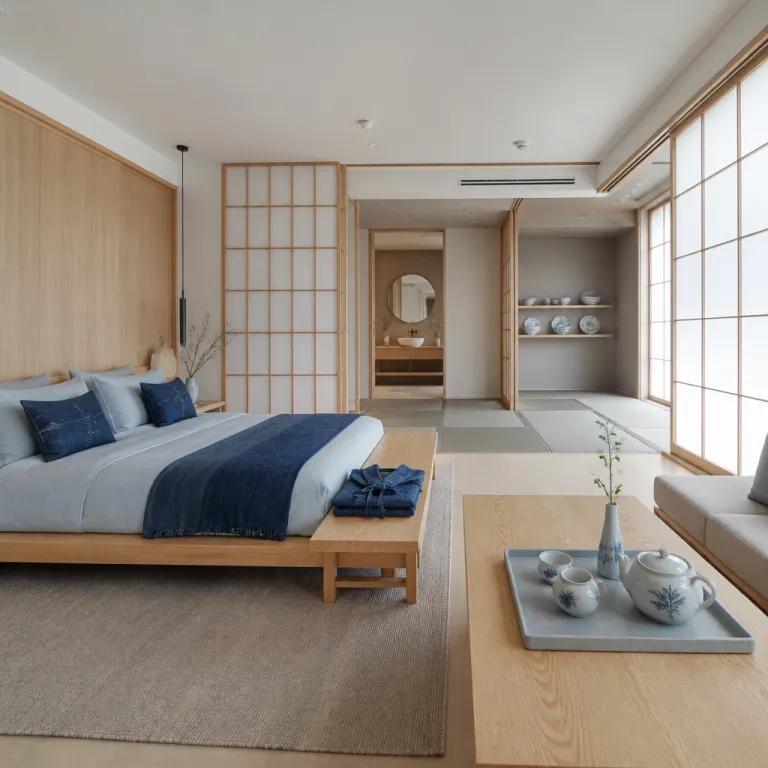
Monozukuri as the quiet power behind japanese craft luxury hotel interiors
In the most thoughtful luxury hotel in Japan, craft is not decoration. It is monozukuri, the japanese philosophy that every object in a hotel room should be precisely made and quietly purposeful. For families comparing hotels in Japan, this shift in hotel design means the difference between a generic stay and a stay where children remember the feel of a washi lamp as clearly as the view from the floor to ceiling windows.
Across tokyo, kyoto and osaka, luxury hotels are partnering with artisans to embed traditional japanese craft into architecture, interior design and service rituals. The Japan Tourism Agency reports that around 50 luxury hotels now integrate traditional crafts into guest rooms, hotel lobby spaces and restaurants, a number that signals a structural change rather than a passing trend. For travelers using a booking platform like myjapanstay.com, this makes the act of checking hotel interior photos and clicking check availability an early step into a deeper cultural story.
This craft led movement is especially visible in japanese hotel collaborations with washi makers, indigo dyers and Arita porcelain kilns. These partnerships turn hotel rooms into living galleries where art, design and hospitality share the same tatami like calm. For premium families, japanese style luxury becomes less about marble and chandeliers and more about how a child can slide open a washi partition, step onto warm wood floors and feel that they are truly in japan, not in an interchangeable design hotel anywhere in the world.
Washi walls, light and sound in contemporary japanese hotel interiors
Washi paper is the most underestimated material in japanese craft luxury hotel interiors. In properties from Hotel The Mitsui Kyoto to Hotel Indigo Hakone Gora, handcrafted washi panels now line guest rooms, soften hotel lobby acoustics and frame restaurants with a glow that feels both traditional and modern. This is not nostalgia ; it is high performance interior design that uses a 1 500 year old material to solve contemporary comfort problems.
Luxury hotels in japan increasingly commission Echizen papermakers to create custom wall panels, sliding doors and lampshades that filter light and absorb sound. The Ministry of Economy, Trade and Industry has tracked a 30 percent increase in demand for traditional crafts, and hotel interior projects are a visible driver of that growth. In family sized rooms, washi partitions allow parents to create a quiet sleeping zone while still keeping an eye on children, a practical detail that matters more than any abstract talk of japandi style.
For travelers comparing hotels japan wide, it is worth reading how each luxury hotel describes its use of washi in guest rooms and shared spaces. Some design studio teams treat it as a thin wallpaper, while others work directly with artisans to engineer layered panels that change character from morning to night. When you check availability, look for photos where washi screens run from floor to ceiling, because that usually signals a deeper collaboration rather than a surface level design gesture, similar in spirit to the craft focused spa partnerships explored in this guide to Japanese luxury craft collaborations.
Indigo textiles, japandi style and the family friendly side of wabi sabi
Natural indigo, or aizome, is quietly transforming japanese craft luxury hotel interiors from the bed linen up. In tokyo and osaka, design hotel brands now work with Tokushima dyers to create robes, cushions and wall textiles that deepen in colour as they age, embodying wabi sabi in a way that feels tactile rather than theoretical. For families, these indigo textiles make a hotel room feel less like a showroom and more like a lived in japanese home.
In practice, this means guest rooms where indigo throws sit on low sofas, where children can touch the fabric and notice subtle variations in tone. Some luxury hotels pair these textiles with pale oak furniture and clean lines, creating a japandi style blend of Scandinavian calm and traditional japanese warmth. Others lean into a more traditional japanese style, combining indigo futon covers with shoji screens and views of a small inner garden, so that the entire hotel interior reads as a coherent story of craft.
When you compare luxury hotels on a booking site, pay attention to how they describe their textiles, not just their architecture or hot spring facilities. A japanese hotel that names its dyers and explains how indigo is used in both rooms and public areas is usually more serious about monozukuri than one that simply mentions blue accents in passing. This level of detail matters as much as the presence of a hot spring, because it signals a commitment to craft that will shape everything from the hotel lobby atmosphere to the feel of the yukata your child wears to breakfast.
Arita porcelain and the way hotel restaurants tell regional stories
If washi shapes the light and indigo shapes the textiles, Arita porcelain shapes the way you taste japan inside luxury hotel restaurants. In kyoto and across hotels japan wide, chefs now work directly with Saga Prefecture kilns to design plates, bowls and tea cups that match specific dishes and seasons. A single porcelain plate can carry a regional story more effectively than a paragraph on a menu, especially when children notice the tiny hand painted motifs under their dessert.
Hotel Indigo Hakone Gora and Hotel The Mitsui Kyoto are often cited as examples of hotels incorporating traditional crafts into room designs, and their restaurants extend this philosophy to the table. As one official explanation puts it, "Hotels like Hotel Indigo Hakone Gora and Hotel The Mitsui Kyoto incorporate traditional crafts into their room designs." When you dine in these properties, the same attention to hotel design that shaped the guest rooms continues through the ceramics, cutlery and even the tea pots used in private dining rooms.
For travelers using myjapanstay.com, it is worth reading restaurant descriptions as carefully as room descriptions when choosing a luxury hotel. A property that invests in bespoke Arita porcelain usually also invests in thoughtful interior design, from the floor to ceiling shelving that displays ceramics in the hotel lobby to the way guest rooms include small porcelain trays for tea. If you are planning a family stay, look for hotels where children can see and handle different porcelain pieces during meals, because these quiet encounters with craft often become the most vivid memories of a trip.
From aman tokyo to ryokan style retreats : how to book for craft first
Monozukuri driven japanese craft luxury hotel interiors are no longer limited to a few design forward properties in tokyo. Flagship addresses like aman tokyo helped set the tone by pairing minimalist architecture with traditional japanese materials, but the movement now extends to smaller luxury hotels in kyoto, osaka and regional hot spring towns. For premium families, this means you can prioritise craft when you choose where to stay, not treat it as a pleasant surprise.
When you browse hotels on myjapanstay.com, start by filtering for a luxury hotel or design hotel, then read beyond the headline amenities. Look for mentions of traditional japanese crafts, collaborations with a design studio, and details about how guest rooms use washi, indigo or Arita porcelain in both singular and plural forms. Our editorial team often highlights properties where hotel design integrates a garden view, a hot spring bath and a tea room, because these elements together create a japanese style rhythm to the stay.
For deeper cultural immersion, consider pairing a craft focused city hotel with a ryokan style retreat that offers a formal tea ceremony. This dedicated guide to the hotel tea ceremony in Japan explains how architecture, art and service intersect in those spaces. When you finally click check availability, you are not just reserving a hotel room ; you are choosing which version of japan your family will carry home, from the texture of the washi walls to the weight of the porcelain cup in your hand.
FAQ
Which hotels in Japan feature traditional crafts in their rooms ?
Several luxury hotels in Japan now integrate traditional crafts directly into their rooms and shared spaces. Hotels like Hotel Indigo Hakone Gora and Hotel The Mitsui Kyoto are well known for using washi, indigo textiles and regional ceramics as core elements of their interior design. On myjapanstay.com, you can filter for luxury hotels and then read property descriptions to find similar craft focused hotels across tokyo, kyoto, osaka and beyond.
How do traditional crafts enhance the hotel experience for families ?
Traditional crafts change the way a hotel feels and functions for both adults and children. Washi partitions soften light and sound in guest rooms, indigo textiles add warmth and texture, and Arita porcelain makes meals in the restaurant feel like part of a cultural experience rather than a routine buffet. Together, these elements create japanese craft luxury hotel interiors where families can engage with art and design in everyday moments, from opening a sliding door to choosing a tea cup.
Are traditional crafts used in hotels available for purchase ?
Many japanese hotels that invest in craft collaborations also provide ways for guests to bring those objects home. Some properties operate small boutiques in the hotel lobby, while others arrange visits to nearby artisan workshops or stock limited pieces in their online shops. If you are interested in a particular washi lamp, indigo robe or porcelain plate, ask the concierge ; they can usually connect you directly with the maker.
Why are more luxury hotels in Japan working with artisans now ?
There is a renewed interest in traditional japanese crafts among both travelers and the hospitality industry. Official data shows a significant increase in demand for these crafts, and hotels see collaborations as a way to differentiate their interiors from global templates while supporting local artisans. For guests, this means that japanese craft luxury hotel interiors now offer a more authentic sense of place, turning each stay into a story about materials, makers and regions.
How can I identify a hotel that takes craft seriously when booking online ?
When you compare hotels japan wide on a booking platform, read beyond star ratings and room size. Look for detailed mentions of washi, indigo, Arita porcelain and other traditional japanese materials, as well as references to specific artisans, kilns or papermaking regions. Properties that explain how these crafts shape their rooms, restaurants and spa areas usually offer a deeper, more coherent japanese style experience than hotels that only reference design trends like japandi style in passing.