Discover the best places to stay in Kyushu, Japan: top hotels in Fukuoka, onsen ryokans in Beppu, Yufuin and Kurokawa, and coastal resorts in Miyazaki and Kagoshima, plus practical tips on access and booking.
Why the Kyushu region works so well for a hotel‑focused trip
Steam rising from a riverside vent in Beppu tells you quickly what Kyushu does best : hot water, and plenty of it. This southern Japanese island is one of the country’s richest regions for onsen, with entire towns built around natural hot springs and traditional Japanese hospitality. If your ideal stay revolves around long baths, considered service and a sense of place, Kyushu is an excellent choice.
Unlike a single‑city break, a Kyushu itinerary is about contrasting prefectures and distinct accommodation styles. Fukuoka and its Hakata district offer polished city hotels near Hakata Station, ideal for a first or last night with easy shinkansen access. A few hours away, rural ryokans in Oita or Kumamoto prefecture trade skyline views for cedar forests, river mist and private onsen carved into rock.
Travelers who enjoy slow journeys benefit most. Distances are manageable, yet each area feels distinct : volcanic landscapes around Kumamoto, coastal scenery in Kagoshima prefecture, dramatic gorges in Miyazaki prefecture. You can check availability in one region, then build outward, combining a city hotel, an onsen ryokan and perhaps a coastal resort into a single, coherent stay that highlights Kyushu’s best hotels and hot‑spring retreats.
- Best for first‑timers : Fukuoka + Beppu or Yufuin
- Best for couples : Kurokawa onsen or Yufuin ryokans
- Best for families : coastal resorts in Oita or Miyazaki
- Best for scenery : Takachiho Gorge and Kagoshima Bay
Fukuoka and Hakata: urban base with easy access
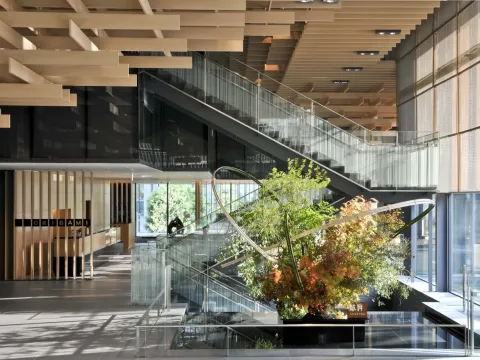
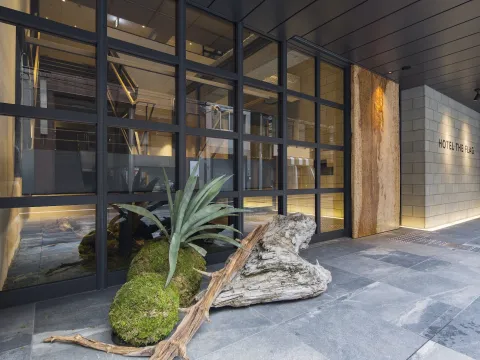
Neon reflections on the Naka River at Tenjin contrast sharply with the quiet of a tatami room, but both belong in a Kyushu trip. Fukuoka city is the island’s main gateway, and staying near Hakata Station gives you a practical, comfortable base with quick rail links to the rest of the region. Hotels here tend to offer contemporary rooms, efficient service and smooth arrivals after a long flight.
For travelers focused on food and nightlife, Hakata is hard to beat. You can walk from your hotel to yatai food stalls along Nakasu, then return to a calm, well‑insulated room rather than a rural inn. This is not where you come for open‑air hot springs, but some higher‑end properties integrate small onsen baths or spa floors that nod to Kyushu’s bathing culture.
Use Fukuoka as your logistical anchor. One or two nights here allow you to adjust to the time zone, organize rail passes and plan onward stays in onsen towns such as Beppu or Yufuin. It also suits travelers who prefer a familiar urban environment yet want to discover Kyushu on curated day trips before committing to more remote accommodations.
- Best for convenience : business hotels within a 5–10 minute walk of Hakata Station, such as JR Kyushu Hotel Blossom Hakata Central (mid‑range, reliable city base)
- Best for food lovers : properties near Nakasu and Tenjin nightlife districts, including Grand Hyatt Fukuoka (upper‑mid to luxury, close to Canal City and yatai stalls)
- Typical access : around 5 minutes by subway from Fukuoka Airport to Hakata Station on the Kuko Line
Beppu, Yufuin and Oita: classic hot‑spring escapes
Steam plumes along the coast road into Beppu announce the city long before you see the bay. This is one of Japan’s most famous hot spring hubs, with a dense concentration of onsen hotels and ryokans across the hillsides. Many properties here offer rooms with private hot baths on the balcony, letting you soak while watching ferries cross Beppu Bay.
Travelers who want choice above all will appreciate Oita prefecture. In Beppu onsen areas, you find everything from simple onsen ryokan to polished resorts with multiple pools, family‑friendly facilities and elaborate kaiseki dinners. A short train ride inland, Yufuin onsen feels more curated : low‑rise streets, art galleries, and ryokans that emphasize garden views and quiet, rather than spectacle.
When comparing accommodations, look closely at how the onsen is arranged. Some hotels focus on large communal hot springs with varied baths, ideal if you enjoy moving between indoor and rotenburo outdoor pools. Others prioritize privacy, offering a limited number of rooms with private onsen or reservable family baths, better suited to couples or travelers new to Japanese bathing etiquette.
- Best for variety : Beppu onsen districts with many public baths and hotels, including Suginoi Hotel (large resort with multiple pools and bay views)
- Best for couples : Yufuin ryokans with in‑room open‑air tubs, such as Yufuin Gettoan (upscale, private rotenburo and mountain scenery)
- Typical access : about 2 hours by Sonic or Nichirin limited express train from Hakata to Beppu, 2.5 hours to Yufuin via Yufuin no Mori or limited express services
Kurokawa and central Kyushu: ryokan immersion in nature
Mist hanging over a cedar valley at dawn is Kurokawa’s calling card. This small onsen town in Kumamoto prefecture is where Kyushu’s hot‑spring culture feels most distilled : wooden bridges, lantern‑lit lanes, and ryokans that appear almost hidden in the forest. Many travelers come here specifically for a stay that revolves around bathing, seasonal cuisine and unhurried time.
Properties in and around Kurokawa onsen tend to be intimate, with a strong sense of historic traditional design : low beams, irori hearths, and rooms where sliding shoji open directly onto mossy gardens. The onsen experience is the main differentiator. Some ryokans offer riverside rotenburo, others cave‑like baths or gender‑mixed pools, and a growing number include private hot spring tubs attached to suites for those who prefer to bathe alone.
Central Kyushu also works well as a base for light exploration. From a ryokan near the upper valleys, you can drive towards the Aso caldera or continue east towards Takachiho. Travelers who value immersion over convenience will be happiest here : transfers take longer, but the reward is a stay where the hotel, the baths and the surrounding landscape form a single, coherent experience.
- Best for traditionalists : small ryokans with fewer than 20 rooms, such as Ryokan Sanga (mid‑range to upper‑mid, classic wooden buildings and forest setting)
- Best for scenic baths : riverside rotenburo overlooking forested ravines, including Yamamizuki (romantic riverside open‑air pools and strong sense of seclusion)
- Typical access : roughly 2.5–3 hours by highway bus or car from Fukuoka via Aso, with limited direct public transport into the village
Takachiho, Miyazaki and Kagoshima: scenery‑driven stays
Basalt cliffs plunging into emerald water at Takachiho Gorge create one of Kyushu’s most photographed scenes. Staying in or near Takachiho allows you to visit the gorge early or late in the day, when tour groups thin and the light softens. Accommodations here are fewer and more modest than in Beppu or Kurokawa, but you gain proximity to the landscape and to local shrines.
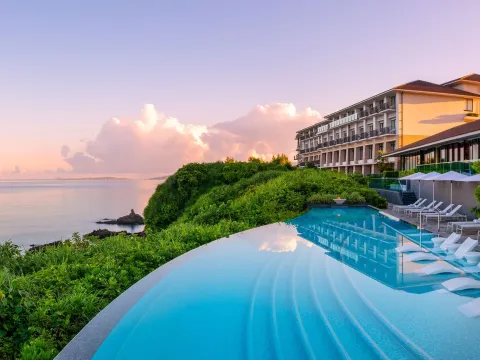
Further south, Miyazaki prefecture offers coastal resorts where every room seems angled towards the Pacific. These properties suit travelers who want a classic resort stay : pools, wide terraces, and easy access to beaches, with optional excursions inland to Takachiho or to subtropical gardens. The onsen element is present but often secondary to sea views and outdoor space.
Kagoshima prefecture, by contrast, leans into its volcanic identity. Many hotels and ryokans here frame views of Sakurajima across the bay, pairing hot springs rich in minerals with regional cuisine. When you compare options in southern Kyushu, decide whether your priority is oceanfront resort living, access to dramatic gorges, or a more traditional Japanese inn experience anchored in geothermal baths.
- Best for ocean views : Miyazaki beach resorts with balconies facing the Pacific, such as Sheraton Grande Ocean Resort (large seaside hotel with golf and spa)
- Best for volcano scenery : Kagoshima bayfront hotels looking towards Sakurajima, including Shiroyama Hotel Kagoshima (hilltop onsen hotel with panoramic city and volcano views)
- Typical access : around 3–4 hours by Kyushu Shinkansen from Hakata to Kagoshima‑Chuo, with onward local buses or taxis to coastal areas
How to choose between hotel, resort and ryokan in Kyushu
Tatami underfoot or thick carpet ? The choice between a modern hotel, a resort and a ryokan in Kyushu shapes your entire stay. Urban hotels in Fukuoka or Kumamoto offer familiar layouts, Western beds and predictable amenities, ideal if you prefer structured days with sightseeing and dining out. They work especially well for short stays or for travelers who value efficient transport connections over onsen access.
Resorts, particularly along the Oita and Miyazaki coasts, prioritize space. Expect larger rooms, landscaped grounds and a mix of pools and hot baths, sometimes with a dedicated onsen wing. These properties suit families or couples who want to remain on site for much of the day, moving between restaurants, spa areas and terraces without needing to plan every outing.
Ryokans and onsen ryokan are the most distinctively Kyushu option. Here, the room, the hot spring and the multi‑course dinner form a single ritual : you arrive mid‑afternoon, bathe before and after the evening meal, then sleep on futons laid out while you soak. When you check availability, pay attention to whether dinner and breakfast are included, whether there are private onsen options, and how many rooms share each bath. These details matter more than room size in determining the feel of your stay.
- Best for independence : city hotels and larger resorts where you can opt out of meal plans and book room‑only rates
- Best for cultural immersion : traditional ryokans with kaiseki dinners and set bathing times, often requiring advance reservation for specific room categories
- Best for shy bathers : properties with private or reservable family onsen, which often need to be booked at check‑in or in advance for peak evenings
Planning your Kyushu stay: practical structure and timing
A well‑balanced Kyushu itinerary usually combines at least two different types of accommodations. One effective pattern is to start with a city hotel near Hakata Station in Fukuoka for one or two nights, then move to an onsen town such as Beppu, Yufuin or Kurokawa for a deeper immersion. If time allows, adding a final night in Kagoshima or along the Miyazaki coast gives you a contrasting, sea‑oriented finale.
Season influences both atmosphere and availability. Spring brings fresh foliage around Takachiho and comfortable temperatures for outdoor baths, while cooler months make hot springs feel especially restorative. Because demand for the best luxury ryokans and resorts can be high, particularly in famous areas like Kurokawa onsen or Beppu onsen, it is wise to secure your preferred room type well ahead of your travel dates.
When comparing properties across the Kyushu region, look beyond broad labels. In each prefecture, ask yourself : is the onsen central or incidental ? Are you here to explore, or to stay mostly within the hotel grounds ? Do you want a historic traditional inn with set meal times, or the flexibility of a contemporary resort where you can dine when you wish ? Clear answers to these questions will lead you to the right part of Kyushu, and to the right kind of stay.
- Sample 5‑night outline : 2 nights Fukuoka → 2 nights Beppu or Yufuin → 1 night Kagoshima, booking popular onsen hotels 2–3 months ahead in busy seasons
- Sample 7‑night outline : 2 nights Fukuoka → 2 nights Kurokawa → 2 nights Miyazaki coast → 1 night Hakata, reserving private‑onsen rooms or suites as early as possible
- Typical transfers : most legs between major hubs take 2–4 hours by train or bus, with extra time needed for rural ryokans reached by shuttle
Is Kyushu a good region for a first hot‑spring trip to Japan ?
Kyushu is an excellent choice for a first hot‑spring focused trip, because it combines major onsen towns such as Beppu, Yufuin and Kurokawa with an easy urban gateway in Fukuoka. You can start in a comfortable city hotel, then move gradually towards more traditional ryokans, learning bathing etiquette as you go. Distances between key areas are manageable, and each prefecture offers a distinct take on hot springs, from coastal baths to forested rotenburo.
Where should I stay in Kyushu if I want both city life and onsen ?
For a mix of city life and hot springs, base yourself first in Fukuoka’s Hakata district, near Hakata Station, then add two or three nights in Oita prefecture. Beppu onsen offers the widest range of hotels and onsen ryokan, while Yufuin onsen provides a quieter, more curated atmosphere with art galleries and countryside views. This combination lets you enjoy dining and nightlife in the city, followed by slower days centered on baths and ryokan hospitality.
What is the difference between Beppu, Yufuin and Kurokawa onsen ?
Beppu is a large, lively hot‑spring city with many types of baths and a broad spectrum of accommodations, from simple inns to full‑scale resorts. Yufuin is smaller and more design‑conscious, with low‑rise streets, boutiques and ryokans that emphasize views and calm. Kurokawa onsen, in the mountains of Kumamoto prefecture, is the most atmospheric : a compact village of traditional ryokans where the entire stay revolves around nature, bathing and seasonal cuisine.
Who is best suited to staying in a traditional ryokan in Kyushu ?
A traditional ryokan stay in Kyushu suits travelers who are comfortable with set meal times, futon bedding and the ritual of shared baths. It works particularly well for couples and small groups who want to slow down, enjoy kaiseki dinners and spend time in onsen rather than sightseeing intensively. Those who prefer flexible schedules, Western beds and independent dining may be happier in a modern hotel or resort that still offers access to hot springs.
How many nights should I plan for an onsen stay in Kyushu ?
Two nights is an ideal minimum for an onsen stay in Kyushu, as it gives you one full day without travel to enjoy the baths and the surrounding area. With a single night, you may feel rushed between check‑in, dinner, morning bathing and departure. Travelers with more time often combine two nights in one onsen town, such as Beppu or Kurokawa, with an additional night in another prefecture to experience a different style of hot spring and accommodation.