Understanding the top hotels in Kyoto as refined urban retreats
Kyoto is a city where every stay feels like a dialogue between past and present. The top hotels in Kyoto balance traditional grace with modern comfort, giving travelers refined rooms that frame temples, the Kamo River, or discreet city streets. When you choose a hotel in Kyoto, you are also choosing how you will walk the city, feel its rhythm, and access its most atmospheric areas.
In central Kyoto, many of the best places to stay sit between Kyoto Station and the Kyoto Imperial Palace, which creates a practical base for both business and leisure. This area lets you experience Kyoto in style while remaining a short walk from major subway lines, shopping streets, and the historic Nijo Castle district. Travelers who want to make the most of the city often select an address that allows quick access to both downtown nightlife and the quieter temple zones at dawn.
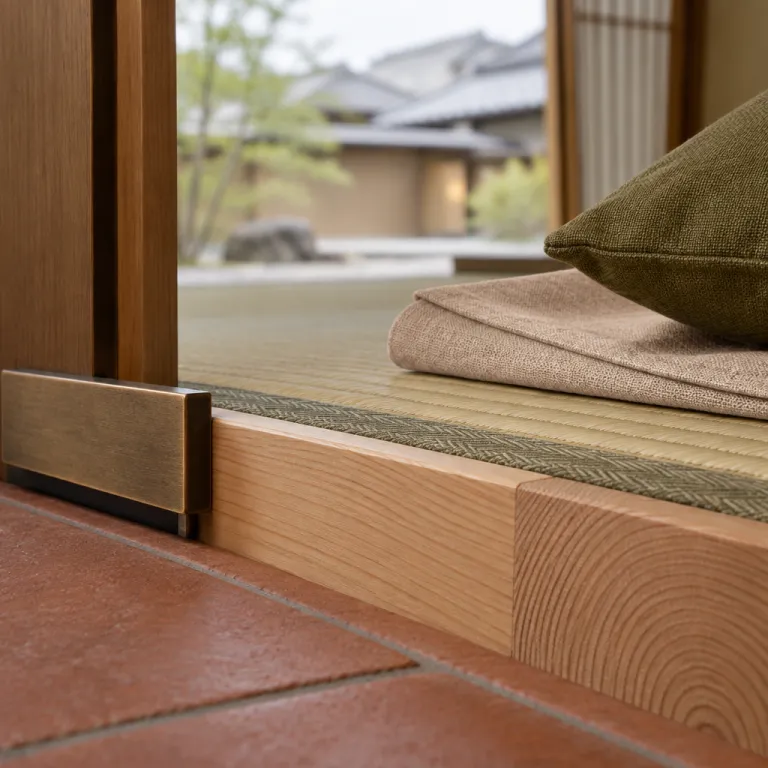
Urban retreats in Kyoto are not only about luxury rooms but also about how the property frames the city outside. Some hotels open toward a Japanese garden courtyard, while others orient their room layouts toward the Kamo River or the distant hills of southern Higashiyama. When you compare each Kyoto hotel, pay attention to whether you prefer a traditional Japanese room with tatami or a modern Western-style room with panoramic city views.
Where heritage meets luxury near Kyoto Station and central landmarks
For many visitors, the top hotels in Kyoto begin around Kyoto Station, because this transport hub connects you to almost every corner of Japan. A hotel near Kyoto Station can be the best choice if you plan frequent day trips, yet still want refined rooms and attentive Japanese service. In this area, staying in a central property often means a five to ten minute walk to bullet trains, airport buses, and underground shopping arcades.
Central Kyoto also places you between the Kyoto Imperial Palace grounds and Nijo Castle, two landmarks that define the city’s aristocratic and samurai history. When you stay in this corridor, you can leave your room after breakfast and reach the Kyoto Imperial gardens or the Nijo Castle complex in less than a thirty minute walk, depending on your exact hotel. This balance of heritage and convenience is why many travelers consider central Kyoto best for a first or second visit.
Urban travelers who appreciate elevated city stays often compare Kyoto with Tokyo, especially when planning multi-city itineraries. If you are considering a refined urban retreat before or after Kyoto, it is worth reading about a carefully curated Tokyo property such as the one presented in this elevated urban retreat in Tokyo. Combining a stay near Kyoto Station with a polished Tokyo hotel creates a coherent Japan journey, where each property, each room, and each city area plays a distinct role.
Riverside elegance and southern Higashiyama charm
Many travelers searching for the top hotels in Kyoto are drawn to the Kamo River, which cuts through the city like a calm, reflective spine. An address along the river offers rooms where you can watch locals stroll the embankments at sunrise, then see lanterns glow after dark. These riverside properties often feature a Japanese garden or river-facing terraces, creating a soft transition between the city and nature.
The southern Higashiyama area is another favorite for travelers who want to stay close to temples, narrow lanes, and traditional wooden townhouses. From a refined hotel in southern Higashiyama, you can reach major temple complexes such as Kiyomizu-dera or Kodai-ji within a fifteen to twenty minute walk, then return to your room for a quiet tea ceremony or a modern spa treatment. This area is especially appealing for guests who want a traditional atmosphere without sacrificing modern comforts or easy access to downtown Kyoto.
When comparing riverfront and hillside locations, think about how you like to structure your days. A riverside hotel in Kyoto might be the best choice if you enjoy evening strolls and quick access to central dining, while a southern Higashiyama stay suits travelers who prioritize temple visits at dawn. For those exploring other Japanese cities with strong urban retreat identities, properties such as the one highlighted in this elevated urban retreat in Kagoshima show how regional Japan interprets luxury differently from Kyoto.
Iconic luxury names and characterful urban stays
Among the top hotels in Kyoto, certain international names stand out for their riverside locations and polished service. The Ritz-Carlton, Kyoto, for example, sits along the Kamo River in the Nakagyo ward and offers rooms that blend modern design with subtle Japanese elements such as washi paper and local textiles. Typical nightly rates for entry-level rooms often start from around ¥80,000–¥120,000 in peak seasons, and guests frequently praise the way the hotel frames views of the river and the eastern hills while still keeping downtown Kyoto within a ten to fifteen minute walk. Notable amenities include an indoor pool, Michelin-recognized dining, and curated cultural activities such as tea ceremonies and calligraphy workshops, as reported on the hotel’s official materials (rate ranges and facilities based on publicly available information as of 2023–2024).
Another notable name in the city is Ace Hotel Kyoto, which brings a creative, design-forward approach to the local hotel scene. Located in central Kyoto near Karasuma Oike Station, Ace Hotel Kyoto occupies a building that integrates a historic telephone exchange structure with a modern extension designed by Kengo Kuma, giving guests a sense of the city’s layered history. Travelers who choose Ace Hotel often appreciate its relaxed public spaces, on-site coffee roastery, and regular music or art events, with typical nightly rates for standard rooms starting around ¥30,000–¥50,000 depending on the season, before heading out to walk Kyoto’s streets or visit nearby cultural venues (price guidance based on recent publicly listed ranges in 2023–2024; always confirm current rates directly with the property).
Looking ahead, many travelers are curious about how brands such as Dusit Thani might interpret Kyoto if they expand further into the country. While Dusit Thani is not yet a fixture among existing properties the city offers, its reputation for blending local culture with refined hospitality makes it a relevant reference point when discussing future luxury options in Japan. Whether you prefer a globally recognized name like The Ritz-Carlton or a more contemporary address such as Ace Hotel, the key is to match each Kyoto choice with your own rhythm of staying, dining, and exploring.
Rooms, layouts, and the art of the Japanese stay
Choosing among the top hotels in Kyoto often comes down to the details of the rooms and how they support your daily rituals. Many properties offer both Western-style rooms with beds and Japanese-style rooms with tatami mats and futons, sometimes within the same floor. If you are staying in Kyoto for several nights, consider splitting your time between a traditional room and a modern room to experience both styles.
Room size and layout vary widely across the city, especially in central and downtown districts where space is at a premium. Some travelers prioritize a larger room with a separate seating area, while others prefer a compact but well-designed space that keeps them close to Kyoto Station or Nishiki Market. When evaluating each option, look closely at floor plans, window orientation, and whether the bathroom design suits your preferences for deep soaking tubs or quick showers.
Japanese hospitality places strong emphasis on the small gestures that shape your stay. In many of the best hotels, you will find amenities such as yukata robes, local tea sets, and carefully curated bathroom products that reflect regional ingredients from across Japan. These touches transform a standard hotel room into a personal retreat, especially after a long day visiting a temple, a palace, or a castle in and around Kyoto.
Location, budget, and how to match a hotel to your itinerary
Even when focusing on the top hotels in Kyoto, travelers still need to balance budget, location, and style. Luxury properties near the river or in southern Higashiyama often command higher rates, while some excellent options near Kyoto Station or in central neighborhoods can offer better value. The key is to decide whether your budget should prioritize larger rooms, a Japanese garden view, or proximity to specific city landmarks.
For culture-focused itineraries, staying near the Kyoto Imperial Palace, Nijo Castle, or the temple districts east of downtown can save you both time and transport costs. A hotel in this area allows you to walk Kyoto’s historic streets early in the morning, then return to your room for a late breakfast before continuing to other parts of the city. Travelers who plan frequent day trips by train may instead find that a base near Kyoto Station offers the best overall balance between convenience and comfort.
Those planning a longer journey across Japan often combine Kyoto with other cities such as Tokyo, Kanazawa, or Hiroshima. To help structure such a trip, resources like this curated refined Japan itinerary for luxury hotel seekers can provide a useful framework for sequencing cities and hotels. By aligning your Kyoto hotel choice with the rest of your Japan route, you ensure that each stay, each room, and each city area contributes to a coherent travel narrative.
Urban retreats near markets, gardens, and everyday Kyoto life
Some of the top hotels in Kyoto are defined less by grand lobbies and more by their proximity to everyday city life. Properties near Nishiki Market, for example, place you within a five to ten minute walk of Kyoto’s most famous food street, where you can sample Japanese pickles, sweets, and seasonal specialties. Staying in this part of downtown gives you quick access to both traditional shops and modern department stores, making it ideal for travelers who enjoy browsing between temple visits.
Other guests prefer hotels that open onto a Japanese garden, offering a quiet counterpoint to the city’s busy avenues. In such a Kyoto retreat, you might start your day with tea overlooking a moss-covered stone lantern, then head out to visit the Kyoto Imperial Palace or Nijo Castle in the late morning. This rhythm of calm mornings, active afternoons, and peaceful evenings back at your hotel can be one of the best ways to experience Kyoto as an urban retreat.
When comparing areas, remember that Kyoto is a compact city where many key sights are within a thirty minute walk or a short subway ride. Whether you choose to stay near the river, Kyoto Station, southern Higashiyama, or central districts, focus on how each location supports your preferred pace of staying, dining, and exploring. By aligning your hotel choice with your interests, you transform a simple room reservation into a carefully tuned Kyoto experience.
Key figures about Kyoto travel and hotel stays
- Kyoto welcomed over 53 million domestic and international visitors in 2019, according to Kyoto City tourism statistics, highlighting the city’s sustained appeal for both short and extended stays (Kyoto City Tourism Association, 2019 annual report).
- Average hotel occupancy in Kyoto has frequently exceeded 70 percent during peak spring and autumn seasons, based on data from the Japan Tourism Agency, which means early booking is essential for the best rooms and rates (Japan Tourism Agency, Accommodation Statistics Survey, 2018–2019 data).
- The Shinkansen connects Kyoto Station to Tokyo in roughly 2 hours and 15 minutes, as reported by JR Central, making Kyoto a practical base for travelers combining multiple cities in Japan (JR Central Tokaido Shinkansen timetable, accessed 2024).
- Kyoto’s central wards, including areas around downtown and Nishiki Market, host several hundred registered accommodation facilities, according to Kyoto City records, offering a wide spectrum from budget-friendly hotels to high-end urban retreats (Kyoto City accommodation registry, latest figures published pre-2020).
- Walking remains one of the primary modes of sightseeing in Kyoto, with many major attractions located within a 2 to 3 kilometre radius of central hubs, which reinforces the importance of choosing a well-located address (Kyoto City tourism maps and visitor survey summaries, compiled up to 2019).
FAQ about the top hotels in Kyoto
Which area is best for first time visitors choosing a hotel in Kyoto ?
For a first stay, central Kyoto around downtown and the Kyoto Station corridor usually offers the best balance of convenience and atmosphere. You can reach major sites such as Nijo Castle, the Kyoto Imperial Palace, and Nishiki Market within a short ride or a manageable walk. This area also provides a wide range of accommodation, from luxury riverfront properties to more budget-conscious options.
How far in advance should I book the top hotels in Kyoto ?
For peak cherry blossom and autumn foliage seasons, booking your Kyoto hotel three to six months in advance is strongly recommended. The best rooms at popular properties near the river, southern Higashiyama, and Kyoto Station often sell out first. Outside peak periods, you may still want to reserve at least one to two months ahead to secure your preferred room type and view.
Is it better to stay near Kyoto Station or near the temples ?
Staying near Kyoto Station is ideal if you plan frequent day trips or prefer easy access to trains and airport transport. Choosing a hotel near southern Higashiyama or other temple districts works better if your priority is early morning or evening visits to historic sites. Many travelers split their time between two areas, starting near Kyoto Station and then moving closer to the river or temple zones.
Can I find luxury hotels in Kyoto that still feel traditional ?
Yes, several of the top hotels in Kyoto combine modern facilities with traditional Japanese design elements. Properties along the Kamo River and in southern Higashiyama often feature tatami rooms, Japanese gardens, and local craftsmanship alongside contemporary comforts. When researching places to stay, look for descriptions that mention Japanese-style rooms, tea ceremony spaces, or curated cultural programs.
Are there good options for travelers on a tighter budget in Kyoto ?
Even though Kyoto is known for high-end stays, there are many well-located hotels that suit a more modest budget. Areas around Kyoto Station and some parts of central Kyoto offer compact but efficient rooms with easy access to public transport. By booking early and staying slightly away from the riverfront or major temple gates, you can still enjoy a comfortable experience without overspending.