Mapping the spectrum of a luxury stay in Japan
Searching for a luxury stay in Japan can feel strangely overwhelming. The same city block in Tokyo might hold a minimalist sanctuary, a ceremonial palace-style hotel and a discreet ryokan-inspired property, all promising five-star comfort yet delivering radically different nights. Before you compare any price per night, you need to understand which version of luxury actually matches the way you want to feel in the room.
In Japan, high-end hotels sit on a spectrum defined less by marble and chandeliers and more by how they choreograph space, silence and service. A luxury stay might mean a high-floor view hotel in a glass tower, a low-slung wooden inn on a Seto Inland Sea island or a design-forward city retreat in Kyoto or Osaka that treats architecture as storytelling. The same guest room size and the same nightly rate can translate into completely different experiences depending on whether the property leans minimalist, ceremonial, ryokan-traditional or design-experimental.
When you browse Japan hotels online, the marketing language rarely explains this spectrum clearly. Terms like luxury hotel, design hotel or heritage stay are used loosely across the country, from a grand skyscraper in Tokyo to a quiet Kyoto townhouse conversion. This guide maps the territory so that your next search for an upscale stay in Japan becomes a precise booking decision rather than a gamble between styles that might not suit how you travel.
The minimalist pole: Aman Tokyo and the art of refined absence
At the minimalist end of the luxury spectrum, Aman Tokyo has become the reference point. Opened in 2014 in the Otemachi Tower, this Tokyo hotel turns 84 rooms into a study in negative space, with pale stone, camphor wood and washi paper framing a cinematic view of the skyline. Large windows in every room create a view-hotel experience where the city becomes moving art rather than background noise.
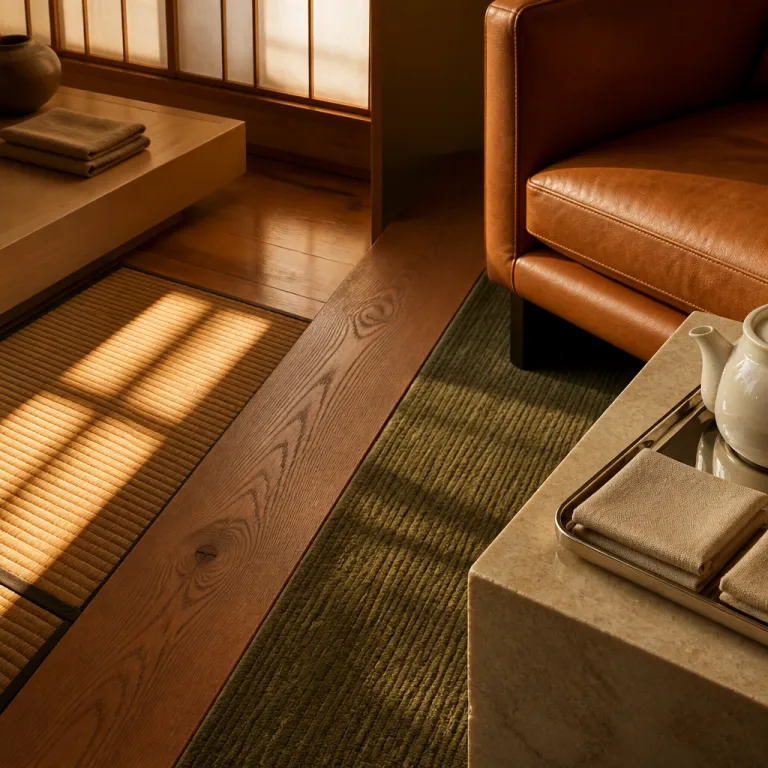
The philosophy here is simple yet demanding, because minimalist luxury hotels in Japan remove distractions instead of adding features. Public spaces feel like a contemporary temple, and the lobby bar rises around a soaring shoji lantern that glows softly over night cocktails. You notice how the guest room layout includes deep soaking tubs, tatami-inspired platforms and sliding panels that let you edit your own space, which makes the price per night feel tied to architecture and calm rather than to visible opulence.
For travelers comparing different styles of accommodation, this minimalist pole suits those who want a luxury stay in Japan that feels like a private retreat above Tokyo rather than a social scene. It is the opposite of a busy Ginza hotel where the lobby bar is a stage and the city presses in from every angle. If you are planning a multi-city route such as Tokyo–Kyoto or Kyoto–Osaka, pairing a few minimalist nights in Aman Tokyo with a more theatrical hotel in another city can keep the overall trip balanced and extra special.
Minimalist luxury is not limited to the capital, and you will find similar restraint in some Kyoto townhouse conversions and quiet hotels in Osaka side streets. Properties like Azumi Setoda on Ikuchijima island extend the same ethos to the countryside, where a handful of guest rooms open onto gardens and the night soundtrack includes waves instead of traffic. When you see Japanese hotels marketing themselves as serene or pared back, read between the lines and ask whether the sense of indulgence comes from materials, light and silence rather than from a long list of facilities.
If your itinerary includes art islands or coastal detours, consider combining a minimalist city hotel with a stay on Japan’s art islands after the last ferry leaves, as described in this guide to Naoshima by night. The contrast between a high-rise view hotel in Tokyo and a low-horizon inn on the Seto Inland Sea can redefine what a luxury stay in Japan means for you. Minimalist properties reward travelers who value space, proportion and the quiet precision of Japanese design more than they value chandeliers or branded amenities.
The ceremonial pole: palace style luxury and the Ritz-Carlton, Tokyo
At the other end of the spectrum sit the ceremonial palace-style hotels, where ritualized service and layered protocols define the experience. The Ritz-Carlton, Tokyo in Roppongi is a clear example, blending Eastern and Western design cues in 245 rooms that look across the city toward Mount Fuji on clear days. Opened in 2007 on the upper floors of the Midtown Tower, it regularly appears in lists such as the Forbes Travel Guide Five-Star hotels in Japan, underscoring its global reputation.
Travelers who choose this style of luxury hotel in Japan often want reassurance that every Western comfort standard has been anticipated. You will find multiple restaurants, a spa, a club lounge and guest rooms that include plush bedding, marble bathrooms and technology that feels familiar if you stay often in international luxury brands. When you compare the price per night with a minimalist property, remember that part of what the rate includes here is staffing density and the ability to request almost anything at any hour of the night.
In this ceremonial pole, the city outside becomes a glittering backdrop rather than the main character. A Tokyo property like The Ritz-Carlton offers a panoramic view-hotel experience, but the narrative unfolds inside the lobby bar, the afternoon tea service and the carefully staged entrances and exits. For some travelers on a luxury stay in Japan, especially first-time visitors, this style feels like a safe bridge between Japanese hospitality and global expectations.
When you search for upscale hotels in Tokyo or Osaka in this category, you will see familiar international names and often higher headline prices than smaller Japanese inns. Look closely at what the rate includes, from breakfast to club access, because ceremonial luxury hotels often structure offers that add value for longer stays. If you plan a route such as Tokyo–Kyoto or Kyoto–Osaka, anchoring the trip with a few ceremonial nights at the start or end can make the whole journey feel extra special without committing to this style for every night.
Marketing language around these properties often emphasizes prestige, skyline views and award-winning restaurants rather than the subtleties of Japanese design. That does not make them less authentically Japanese, but it does mean that your experience here will be filtered through an international lens. For travelers who want to feel celebrated, dressed up and gently guided through the city, the ceremonial pole remains a compelling choice.
The ryokan tradition: ritual, seasonality and the quiet power of omotenashi
Between minimalist towers and ceremonial palaces lies a third axis of luxury in Japan that many international travelers underestimate at first. The ryokan tradition, whether in Kyoto, Hakone or rural prefectures, defines indulgence not by the number of rooms or the height of the building but by the depth of attention paid to each guest. Here, luxury hotels in Japan become intimate inns where the line between home and hotel blurs through ritual and seasonality.
In a classic ryokan or a contemporary interpretation like Azumi Setoda, guest rooms often include tatami floors, futon bedding and sliding doors that open to gardens or sea views. The price per night usually includes kaiseki dinner and Japanese breakfast, which means the stay is structured around meals that change with the seasons and local produce. What defines a luxury stay in Japan? Combining traditional aesthetics with modern comforts.
For travelers used to palace-style hotels across Japan, the absence of a grand lobby bar or branded spa can initially feel like a downgrade. In reality, the luxury hotel experience here is concentrated into details such as how the staff remember your tea preference, how the bath water is drawn at the right temperature and how the room is transformed while you eat. If you want to understand why many connoisseurs consider ryokan the pinnacle of a luxury stay in Japan, read about why Japan’s finest ryokan keep their room count under twenty in this analysis of the economics of intimacy.
In Kyoto, some hotel properties now blend ryokan elements with contemporary design, offering tatami-style guest rooms within low-rise city buildings. Along the Kyoto–Osaka corridor, you can alternate nights between urban hotels and countryside ryokan, using the city for art and dining while retreating to hot springs at night. This rhythm turns a standard Japan itinerary into a luxury stay that feels layered and deeply local.
When you compare nightly rates between ryokan and central-city hotels in Tokyo or Osaka, remember that ryokan prices usually include two elaborate meals and often private onsen access or reserved time slots in shared baths. The value of a luxury stay in Japan here lies in how the entire day is curated, from the moment you change into a yukata to the final bow at checkout. For solo travelers, the quiet structure of ryokan life can be grounding, offering a different kind of extra special night than any skyline view hotel ever could.
The design forward middle: Edition, Ginza and the new urban hybrids
Between the minimalist and ceremonial poles, a fast-growing category of luxury stays in Japan has emerged where architecture, culture and nightlife intersect. These design-forward hotels speak directly to travelers who want strong aesthetics, a sense of place and social energy without the formality of palace-style brands. They are particularly concentrated in Tokyo, Kyoto and Osaka, where the city itself becomes part of the hotel’s narrative.
In Tokyo, the Edition Toranomon and the Tokyo Edition properties exemplify this middle ground, pairing sharp architecture with a lobby bar scene that feels more like a living room than a ballroom. Here, guest rooms include clean lines, warm woods and floor-to-ceiling windows, but the atmosphere is looser than in traditional luxury hotels. The price per night reflects both the design pedigree and the ability to move easily between your room, the rooftop bar with city views and the surrounding neighborhoods without changing gears.
Ginza hotel options and other central Tokyo addresses in this category often use art collaborations, playlists and restaurant partnerships to signal their identity. A luxury stay in Japan at one of these properties might include a chef-led breakfast, a curated neighborhood walk and a nightcap in a lobby bar that doubles as a creative hub. For many solo travelers, this design-forward middle is the sweet spot, offering enough structure to feel cared for while leaving space to explore the city on your own terms.
Outside the capital, hotels in Osaka and Kyoto are catching up quickly, with properties that turn former machiya townhouses or warehouses into contemporary luxury hotels. Along routes like Tokyo–Kyoto or Kyoto–Osaka, you can now design an itinerary that hops between these hybrids, using each city as a different chapter in your luxury stay in Japan story. The key is to read past the marketing words and look at how the hotel uses architecture, art and public spaces to frame your experience.
If your trip includes time in Shibuya, consider staying in one of the cool hotels that treat the district as an extension of their lobby, as profiled in this guide to elevated urban stays in Shibuya. These Japanese hotels show how a luxury stay can feel plugged into nightlife and culture without sacrificing comfort or design integrity. For travelers who want every night to feel extra special yet unpretentious, the design-forward middle is often the most satisfying choice.
How to decode Japanese hotel marketing language
Once you understand the four main poles of luxury stays in Japan, the next challenge is decoding how hotels describe themselves online. Marketing terms are not regulated, so the same word can mean very different things in Tokyo, Kyoto or Osaka. Learning to read between the lines will help you match your expectations with the right property long before you arrive at the lobby bar.
When a listing for hotels in Japan emphasizes design, art or architecture without mentioning extensive service rituals, you are likely looking at the minimalist or design-forward middle categories. If the description highlights a grand lobby, multiple restaurants, club floors and a high room count, it usually signals a ceremonial palace-style luxury hotel. References to kaiseki cuisine, onsen baths, tatami rooms and seasonal menus almost always point toward ryokan-influenced properties, even when they sit inside the city rather than in the countryside.
Pay attention to how the hotel talks about rooms versus guest rooms, because the nuance can reveal priorities. A view hotel in a skyscraper might lead with square meters, floor numbers and skyline vistas, while a ryokan-style Kyoto property will focus on how the room opens to a garden or how the night air smells from the engawa veranda. In both cases, the price per night may be similar, but what the rate includes in terms of atmosphere and ritual will differ sharply.
Search filters on booking platforms rarely capture these subtleties, especially when you look at large lists of hotels in Tokyo or Osaka. That is why reading full descriptions and guest reviews matters more in Japan than in many other markets, because a luxury stay here is as much about cultural context as it is about thread count. When you see offers that bundle dinner, breakfast and late checkout, remember that Japanese hospitality often prefers to package experiences rather than discount bare room rates.
Finally, do not let the word luxury alone guide your booking decisions across Japanese hotels. A small Azumi Setoda–style inn on an island, a Ginza hotel above a department store and a towering property in Shinjuku can all claim the same label while delivering wildly different nights. The more you train yourself to decode language around seasons, rituals, views and service style, the more likely your luxury stay in Japan will feel intentional rather than accidental.
Choosing your own luxury: a self selection guide for Japan
With the spectrum mapped, the final step is choosing which version of a luxury stay in Japan fits your own way of traveling. Start by asking yourself how you want to feel when you close the room door at night, not just what you want the lobby photos to look like. Your answers will guide whether you lean toward minimalist sanctuaries, ceremonial palaces, ryokan rituals or design-forward hybrids in each city.
If you crave stillness and mental space, prioritize minimalist luxury hotels in Tokyo and Kyoto, or seek out Azumi Setoda–style properties along the coast. Travelers who feel energized by ceremony, uniforms and structured service will be happier in palace-style towers in Tokyo or Osaka, where the lobby bar hums until late. Those who want to immerse themselves in Japanese customs should allocate several nights to ryokan or ryokan-inspired Kyoto stays, even if that means reducing the total number of cities on a Tokyo–Kyoto–Osaka loop.
For many solo travelers, the most rewarding luxury stay in Japan is a blend rather than a single style. You might begin with a ceremonial Tokyo hotel to recover from the flight, shift to a design-forward Ginza or Shibuya property for nightlife, then move on to a ryokan near Kyoto or Osaka for hot springs and quiet. Along the way, keep an eye on what the price per night includes, from meals to cultural activities, so that each stop feels like a considered choice rather than a generic stay.
When comparing offers across Japanese hotels, resist the urge to chase the lowest price in each city. Instead, think in terms of a total trip budget and allocate more to the nights that matter most, such as a special-occasion dinner at a ryokan or a corner suite with skyline views at Tokyo Edition or Edition Toranomon. A few extra special nights, chosen with intention, will shape your memory of the journey far more than a uniform standard across every hotel.
Ultimately, luxury in Japan is less about universal rules and more about alignment between your expectations and the property’s philosophy. By reading marketing language carefully, understanding the four poles of Japanese luxury and planning your Tokyo–Kyoto–Osaka route around contrasting stays, you turn a simple hotel booking into a curated narrative. That is when a luxury stay in Japan stops being a search term and becomes the story you tell long after the last checkout.
Key figures shaping luxury stays in Japan
- Aman Tokyo operates with 84 rooms, a relatively low count for a major city property, which allows staff to maintain a minimalist, high-touch service model in the heart of Tokyo.
- The Ritz-Carlton, Tokyo offers 245 rooms, more than double Aman Tokyo, reflecting its role as a ceremonial palace-style hotel with extensive facilities and layered service protocols.
- Both properties demonstrate how luxury hotels in Japan integrate traditional aesthetics with modern comfort, using materials like camphor wood and washi paper alongside large windows that frame panoramic city views.
- Year-round demand for luxury stay Japan experiences means that advance booking is strongly recommended for top hotels in Tokyo and Kyoto, especially during peak cherry blossom and autumn foliage seasons.
- Growing interest in minimalist luxury and culturally authentic Japanese hotels has led to increased attention on design-forward properties and ryokan-style stays, particularly along the Tokyo–Kyoto–Osaka travel corridor.
FAQ about luxury stays in Japan
What defines a luxury stay in Japan compared with other countries ?
A luxury stay in Japan is defined by how traditional aesthetics and modern comforts are combined rather than by visible opulence alone. Minimalist hotels, ceremonial palaces and ryokan all use different design languages, but each focuses on precise service and thoughtful details. The most luxurious Japan hotel stays often feel calm, choreographed and deeply connected to the seasons.
How do Aman Tokyo and The Ritz-Carlton, Tokyo differ for guests ?
Aman Tokyo offers a minimalist sanctuary with 84 rooms, where space, materials and quiet define the experience. The Ritz-Carlton, Tokyo, with 245 rooms, blends Eastern and Western styles in a more ceremonial setting with grand public areas and extensive facilities. Travelers who want a hushed retreat tend to prefer Aman, while those who enjoy structured service and social spaces gravitate toward the Ritz-Carlton.
Is a ryokan stay more expensive than a luxury city hotel in Japan ?
On paper, ryokan price per night figures can look higher than some hotels in Tokyo or Osaka. However, ryokan rates usually include elaborate kaiseki dinners and Japanese breakfasts, plus access to hot springs or private baths. When you factor in meals and experiences, a ryokan can offer strong value within a luxury stay Japan itinerary.
How far in advance should I book luxury hotels in Tokyo, Kyoto and Osaka ?
For peak seasons such as cherry blossom and autumn foliage, aim to secure Tokyo, Kyoto and Osaka reservations at least three to six months ahead. Minimalist properties and top ryokan with fewer guest rooms often sell out even earlier. Outside peak periods, one to two months is usually enough, but last-minute booking is risky for the most sought-after Japan hotels.
What is the best mix of hotel styles for a first luxury trip to Japan ?
A balanced first luxury stay Japan might include a ceremonial Tokyo hotel for arrival, a design-forward property in Shibuya or Ginza, and a ryokan near Kyoto or Osaka for hot springs and kaiseki. This combination exposes you to the main poles of Japanese luxury without overwhelming your schedule. Adjust the number of nights in each style based on whether you value nightlife, ritual or quiet design most.