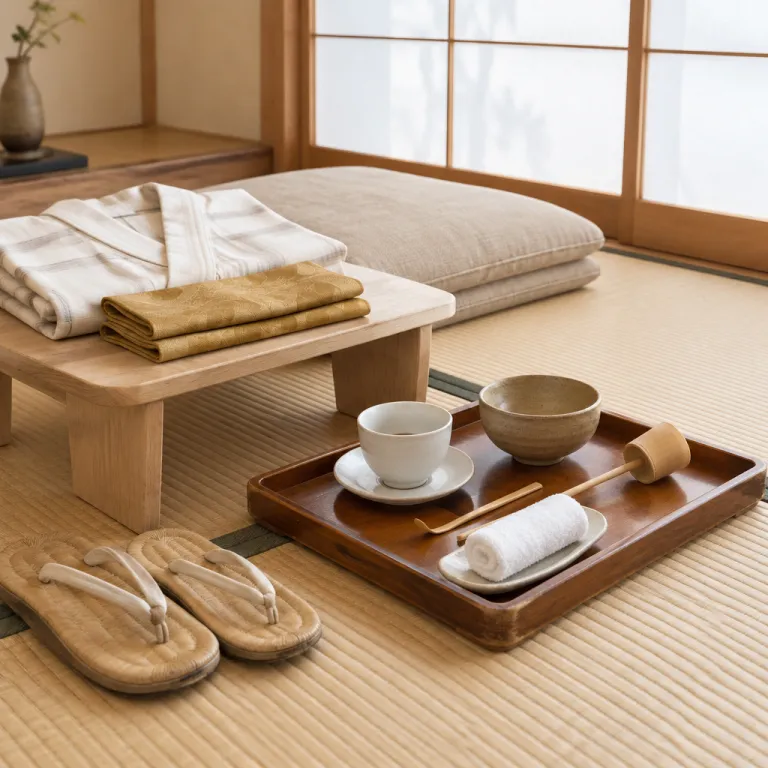
Ryokan nakai service in Japan and the quiet power of the okami
At a refined traditional ryokan in Japan, the person who shapes your entire stay is rarely the general manager you never meet. The real centre of ryokan hospitality is the nakai, the ryokan room attendant who moves quietly between your tatami room, the corridor and the kitchen, while the okami, the female proprietor, orchestrates the overall rhythm of the house. In this world, the main SEO keyword ryokan nakai service Japan is not a marketing slogan but a living description of how one staff member can transform a simple room into a complete ryokan experience.
In Western luxury hotels a concierge or butler usually handles requests, yet the nakai role in a traditional ryokan is more holistic and more intimate, because this person manages your welcome, your tea sweets, your dinner and even your futon service in the same room. The okami, often the owner or heir of the family that runs the property, sets the tone for every staff member, from the kitchen to the onsen attendants, and trains the team so that each guest feels personally known rather than processed. At long-established inns in places like Hakone, Kinosaki Onsen or Yufuin, this training can span decades, with senior okami mentoring younger staff so that the house style of omotenashi feels consistent even as faces change.
For couples planning a romantic trip to Japan, it helps to keep in mind that a ryokan is not just one more option among many inns. A traditional ryokan is a self contained universe where the room, the onsen and the dining room all connect through the same person, your nakai, who reads your pace and mood. Understanding this structure before you enter your room makes it easier to relax into the flow of the stay and to appreciate how much invisible work sits behind each apparently effortless gesture, especially when a single night for two with dinner and breakfast can range from roughly ¥40,000 at a modest countryside inn to well over ¥150,000 at a luxury onsen ryokan.
From first bow to last bow: how a nakai choreographs your ryokan stay
The choreography of ryokan nakai service in Japan begins the moment you step out of your shoes in the entrance hall. A room attendant, often your dedicated nakai, greets you with a bow, confirms your name and leads you through the quiet corridors to your ryokan room, while your luggage disappears into the hands of other staff. Inside the room, the tatami mats, low table and neatly folded futon stored in the oshiire closet signal that you have left the logic of a Western room behind.
Once you enter the room and sit, the nakai prepares tea and places seasonal tea sweets on a lacquer tray, explaining the flavour and sometimes the region, which is your first small lesson in Japanese food culture. This same staff member will outline the timing of your onsen session, your kaiseki dinner and your dinner breakfast combination the next morning, checking any dietary needs and suggesting when to visit the hot springs so you can enjoy quieter periods. In many onsen towns, quieter times are just after check in, around 16:00, or later in the evening after 21:00, and an experienced ryokan room attendant will gently steer you toward those windows so that the baths feel almost private.
If you have read a guide on the questions that actually separate a great stay from a marketed one, this is the moment to clarify preferences, because the nakai can subtly adjust the flow of your ryokan stay. Later, while you soak in the onsen ryokan baths, the nakai returns to your room ryokan space to lay futon mattresses where the low table stood, transforming the same room from salon to bedroom without you seeing the work. After you come back from the hot springs, the room feels freshly aired, yukata are neatly arranged and the futon service has turned the floor into a soft landscape of quilts. This sequence repeats in plural form across all guests and rooms, yet each person experiences it as if the entire inn were moving only for them.
Dinner, futon and the art of invisible room service
Evening is when ryokan nakai service in Japan reveals its full depth, because dinner is usually served inside the room rather than in a restaurant. Your nakai arrives with the first course, sliding the door open with a soft knock, and begins a carefully timed procession of dishes that turns the ryokan room into a private dining salon. For couples staying in an onsen ryokan, this in room dinner creates a sense of seclusion that many luxury hotels in Tokyo or Kyoto cannot match.
Course by course, the nakai explains the food, from sashimi to nimono, often highlighting local ingredients and the season, while watching how quickly you eat and adjusting the pace without asking. This is where ryokan hospitality differs from standard room service, because the staff member is reading the atmosphere between the guests, noticing whether you are talking quietly, celebrating something or simply tired from travel. At classic properties in Kyoto’s Higashiyama district or along the Hida River in Takayama, some okami describe this as “listening with the eyes,” a way of observing body language so that service feels anticipatory rather than intrusive.
If you have experienced a premium urban property such as those featured in our look at premium hotel experiences in Shinjuku, the intimacy of a traditional ryokan dinner will feel like a different category of luxury. After dinner the nakai clears the table, leaves you alone for a short period, then returns to lay futon bedding if it has not already been prepared while you visited the onsen. This futon service is a small performance in itself, as the room attendant folds, shakes and aligns each futon so that both person and couple feel equally considered, whether there are one or two guests. By the time you are ready to sleep, the room ryokan space has shifted again, and the invisible labour of the staff has removed every trace of dinner while leaving only the quiet promise of rest.
Etiquette, communication and how to receive such personal hospitality
For many Western guests, the intensity of ryokan nakai service in Japan can feel almost overwhelming at first, because one person appears repeatedly inside the room throughout the stay. The key is to keep in mind that this pattern is normal in Japanese inns and that the nakai is trained to read subtle cues about when to speak and when to withdraw. A simple smile, a clear thank you and gentle eye contact go a long way toward building mutual comfort.
Language can be a concern, yet most nakai in higher end traditional ryokan know basic English phrases related to dinner, onsen times and futon arrangements, and they often carry a small card with translations for food allergies or schedule questions. If you need something, use short sentences, point politely and, when necessary, write numbers or times on paper, because this helps the staff member understand without embarrassment. When you enter the room and the nakai is present, a small bow from the guest side acknowledges their role, while letting them continue their work without interruption.
Tipping is another area where couples from the United States often hesitate, since Japanese hospitality is not built around overt gratuities. In many ryokan, especially more traditional inns, a small cash envelope given discreetly to the nakai at the beginning of the stay is appreciated but never demanded, while in some onsen ryokan the policy is to refuse tips entirely. When in doubt, ask the front desk quietly, and remember that respectful behaviour, punctuality for dinner breakfast times and care for the inside room furnishings are often valued more than any extra payment.
Recognising great nakai service when it is meant to be unseen
The highest level of ryokan nakai service in Japan is designed to feel almost invisible, which makes it harder for first time guests to recognise just how much skill is involved. You may notice only that the tea sweets are always refreshed, the yukata are folded in the right size and the futon feels slightly warmer on a cool night, yet each of these details reflects deliberate choices by a specific person. In a well run traditional ryokan, the okami watches these patterns closely and mentors younger room attendants so that the house style remains consistent across generations.
One way to sense quality is to observe how the nakai manages timing, because great ryokan hospitality means you rarely wait, yet you never feel rushed between onsen, dinner and sleep. Another sign is how the staff member handles small mistakes, such as a miscommunicated dinner item or a forgotten amenity, since a sincere apology and swift correction often reveal more about the culture of the inns than perfection. When planning a journey that combines rural hot springs with urban stays, consider pairing a night or two in an onsen ryokan with a first class rail journey in a private compartment, as outlined in our guide to supreme class Shinkansen travel, because the contrast will sharpen your appreciation of both styles of service.
As you leave, the final bow from your nakai at the entrance is not a formality but a closing gesture to the shared period of your ryokan stay. Many guests feel a quiet sadness at this moment, realising that the person who entered the room, served dinner, arranged futon and guided them through the hot springs has become part of their memory of Japan. When you look back later, you may find that the most vivid images are not of the room itself but of the way one attentive human being shaped the entire ryokan experience around you.
FAQ
What exactly is a nakai in a ryokan ?
A nakai is the room attendant in a Japanese ryokan who looks after a specific guest room and often the same guests throughout their stay. This person serves welcome tea, brings dinner and breakfast, prepares futon bedding and coordinates timings for onsen baths. The nakai is the main point of contact for guests and embodies the house style of hospitality.
How is a nakai different from a hotel butler or concierge ?
A hotel butler or concierge usually focuses on specific tasks such as reservations, luggage or in room amenities, while a nakai manages the entire flow of the stay inside one ryokan room. The same person will handle tea, meals, futon service and many questions, creating a more continuous relationship. This integrated role is central to traditional ryokan hospitality and reflects the Japanese idea of omotenashi, or wholehearted service.
Should I tip my nakai when staying at a ryokan in Japan ?
Tipping is not expected in Japan, and many ryokan have a no tipping policy, with service included in the room rate. In some more traditional inns, a small cash envelope given discreetly at the beginning of the stay is accepted as a gesture of appreciation, especially for longer visits. When unsure, ask the front desk or simply express thanks through polite behaviour and punctuality.
What etiquette should I follow when a nakai enters my room ?
When a nakai enters the room, it is polite to pause your activity briefly, sit up if you are lying down and acknowledge them with a small bow or verbal greeting. You do not need to stand each time, but avoid ignoring their presence while they serve tea, bring food or arrange futon bedding. Keeping the room reasonably tidy also shows respect for their work and makes service smoother.
Can I request less frequent visits from the nakai if I want more privacy ?
Yes, you can ask the front desk or the nakai directly, using simple English, to reduce the number of visits for cleaning or tea service. Essential moments such as dinner, breakfast and futon preparation will still require entry to the room, but timings can often be adjusted. Clear, polite communication at check in helps the staff tailor the rhythm of service to your preferences.