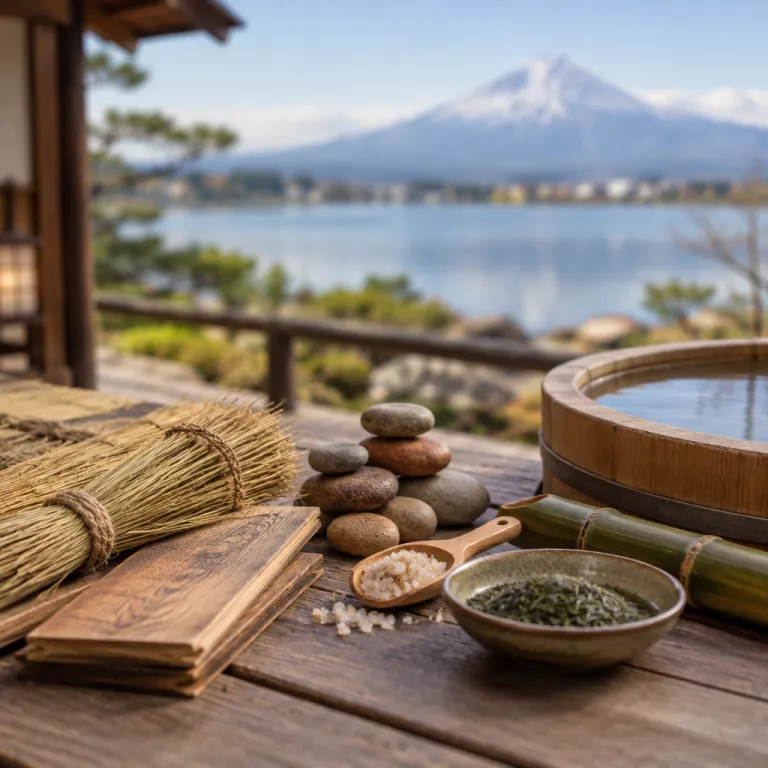
Why a ryokan near Mount Fuji defines the ultimate mountain escape
Choosing a ryokan near Mount Fuji means waking to a clear view of the sacred mount. For many travelers to Japan, a stay in traditional inns around Fuji’s lake districts such as Kawaguchiko or Hakone turns a simple night into a deeply rooted cultural experience. When you combine a steaming onsen bath with a framed Fuji panorama from your room, the mountain escape becomes both intimate and unforgettable.
In this region, the term ryokan mt fuji usually refers to Japanese style inns positioned to maximize every possible angle of the mountain. Some properties sit directly on the shores of Lake Kawaguchiko, while others perch on hillsides with an elevated bath view over the water and the peak. Whether you choose a lakeside hotel or a secluded mountain lodge, the best onsen ryokans here balance refined service, hot spring authenticity, and a sense of quiet that is rare even in rural Japan.
Guests often prioritise a private open air bath when booking a ryokan mt fuji stay, especially for romantic trips or anniversaries. These outdoor tubs, sometimes called rotenburo, allow you to soak in natural hot springs while breathing crisp mountain air and watching clouds drift around Mount Fuji. On a recent autumn visit, for example, a couple staying in a Fuji view suite at a Kawaguchiko ryokan described how they watched the summit turn pink at sunrise from their balcony tub, then stepped straight onto the tatami for breakfast in yukata. When the weather is clear, the combination of hot water, cool air, and a direct view of the summit creates a sensory contrast that defines Japanese mountain hospitality at its finest.
Kawaguchiko lakeside ryokans with onsen and uninterrupted Fuji views
The Kawaguchiko lake area is often the first choice for a ryokan mt fuji reservation because the shoreline offers some of the most iconic silhouettes of the mountain. Many ryokans here orient every room toward the water, so even standard categories can feature a wide window framing the lake and the peak. When you add a private onsen bath to that layout, you gain a bath view that feels like a living painting rather than a simple hotel amenity.
Several onsen ryokans around Kawaguchiko onsen specialise in open air baths that face directly toward the mount, giving guests a dramatic hot spring panorama at sunrise. Some properties offer multiple spring baths, including indoor pools, semi open air baths, and rooftop terraces where the breeze from the lake cools your face while the mineral rich water warms your body. As a reference point, a Fuji view room with private rotenburo at a well known Kawaguchiko ryokan such as Konansou or Kozantei Ubuya can easily range from ¥60,000 to ¥120,000 per night for two guests with half board, depending on season and room size. If you are comparing options, look carefully at whether the outdoor onsen is shared or private, and whether the Fuji facing view is guaranteed from all rooms or only from selected suites.
Staying at a lake hotel in this area also means easy access to Kawaguchiko’s cafés, ropeway, and walking paths, which can be helpful if you prefer not to rely on taxis. Many ryokans include a Japanese breakfast featuring local produce, river fish, and seasonal vegetables, served in either a private room setting or a calm dining hall. For travelers focused on refined mountain retreats with private onsen serenity in Hakone as well, it is worth reading in depth guides such as Hakone mountain retreats with private onsen serenity to compare how Kawaguchiko onsen and Hakone onsen differ in atmosphere and access.
Hakone and Gora: heritage ryokans, design icons, and legendary hot springs
While Kawaguchiko focuses on direct lake and Mount Fuji views, the Hakone region offers a different ryokan mt fuji experience built around deep hot spring culture and forested hills. Here, onsen ryokans such as Gora Kadan and Fugaku Gunjo have become reference points for travelers seeking Japanese style refinement with discreet luxury. Many Hakone ryokan properties feature rooms with private open air baths, but the emphasis often shifts toward architecture, gardens, and multi course kaiseki dinners.
Gora Kadan, for example, occupies a former imperial villa site and blends traditional tatami rooms with contemporary lines, while still centering every stay around the onsen and the surrounding air of quiet exclusivity. Some rooms offer a partial Fuji view on clear days, yet the main attraction is the quality of the hot springs and the variety of spring baths, from stone lined indoor pools to cedar open air baths surrounded by moss covered rocks. As of 2024, entry level rooms at Gora Kadan with shared onsen access typically start around ¥90,000 to ¥120,000 per night for two with kaiseki dinner and breakfast, while suites with private open air baths can be significantly higher. In contrast, Fugaku Gunjo leans into expansive bath view terraces where the horizon opens toward the sea and distant mountains, giving a different interpretation of the ryokan mt fuji escape even when Mount Fuji itself is not always visible.
Because Hakone onsen and nearby Gora can be busy during peak foliage and cherry blossom seasons, booking early is essential if you want specific room types with private outdoor soaking facilities. Travelers planning a stay at a Hakone ryokan or around Kawaguchiko lake during the autumn leaves period should consult specialised advice such as the autumn foliage booking window for luxury ryokans to secure the right rooms. When demand is high, flexible dates and a willingness to consider both Hakone and Kawaguchiko can significantly increase your chances of finding a ryokan mt fuji stay with the exact hot spring and view combination you want.
How to choose the right room type, bath style, and Fuji view
Selecting a ryokan mt fuji stay involves more than simply checking whether Mount Fuji is visible from the property. You need to decide whether you prefer a private open air onsen attached to your room, or whether shared hot springs with a panoramic bath view are sufficient. In many ryokans, only a limited number of rooms include a private outdoor tub, so understanding the room categories before booking can prevent disappointment on arrival.
When evaluating options, look at floor plans and photos to see how the room and bath are oriented toward the mount and the lake. Some lake hotel suites place the open air bath on a balcony facing the water, creating a direct line of sight from both the tub and the tatami area, while others tuck the bath to the side with only a partial glimpse of the peak. If a full Mount Fuji panorama is your priority, confirm whether the property guarantees a mountain view from your specific room type, rather than relying on general marketing descriptions of rooms or ryokans.
Bath style also shapes the overall experience, especially in Japanese style properties where the ritual of washing, soaking, and resting is central. Stone or hinoki wood tubs retain heat differently, and some onsen ryokans adjust the hot spring temperature seasonally to balance the hot water with the cool mountain air. Guests who value privacy may prefer rooms with enclosed open air baths, while others might enjoy larger shared spring baths where the social atmosphere complements the natural setting of Mount Fuji and its surrounding lakes.
Cuisine, breakfast rituals, and the rhythm of a ryokan stay
One of the defining pleasures of a ryokan mt fuji stay is the focus on food, especially the carefully prepared Japanese breakfast and multi course dinners. In many ryokans around Kawaguchiko and Hakone, breakfast becomes a slow ritual that matches the pace of the hot springs and the mountain air. You might start the day with grilled river fish, seasonal vegetables, miso soup, and rice, all served while you gaze at Mount Fuji or the calm surface of the lake.
Luxury onsen ryokans often highlight local ingredients, such as freshwater fish from nearby rivers, mountain vegetables, and wagyu beef from surrounding regions of Japan. Some Hakone ryokan properties pair these dishes with views into mossy gardens, while Kawaguchiko lake hotels may orient dining rooms toward the water and the mount, creating a soft morning light that enhances every moment at the table. If you book a room with a private open air bath, you can structure your evening around a long soak before dinner, followed by another hot spring session under the night sky.
Because meals are usually included in the room rate, it is worth reading detailed descriptions of breakfast and dinner formats when comparing ryokans. Some properties serve meals in a shared dining room, while others offer in room service that allows you to move directly from your bath to a low table set with seasonal dishes. Matching your expectations for cuisine, timing, and privacy with the specific rhythm of each ryokan mt fuji property will help you choose a stay that feels both indulgent and aligned with your travel style.
Booking strategies for luxury ryokans around Mount Fuji and beyond
Securing a ryokan mt fuji reservation at the right property, in the right room, often requires more planning than a standard city hotel. Many onsen ryokans have a limited number of rooms with private open air baths or guaranteed mountain facing layouts, and these sell out quickly during weekends and holiday periods. If your dates are fixed, you should start monitoring availability several months in advance, especially for Kawaguchiko onsen and Hakone onsen areas.
Specialist luxury and premium hotel booking platforms focused on Japan can help you compare ryokans across Kawaguchiko, Hakone, and other Mount Fuji vantage points. Some of these services provide detailed bath view information, clarifying whether a room faces the lake, a garden, or the mount itself, and whether the hot springs are natural or artificially heated. For a broader perspective on how the country’s high end accommodation landscape has evolved, resources such as this analysis of Japan’s reshaped luxury hotel map can be useful when deciding how to balance time between mountain escapes and urban stays.
When comparing prices, remember that ryokan rates usually include dinner and Japanese breakfast, access to hot springs, and often extras such as yukata robes and welcome sweets. This means that a ryokan mt fuji stay with a private outdoor bath and full board can represent strong value compared with booking separate rooms, meals, and spa treatments at a conventional lake hotel. Flexibility with weekdays, openness to both Kawaguchiko and Hakone regions, and a clear understanding of your priorities around view, bath style, and room size will give you the best chance of securing the mountain retreat you imagine.
Key statistics on luxury ryokans and hot spring travel in Japan
- According to the Japan Tourism Agency’s annual onsen usage surveys, domestic and international travelers make tens of millions of hot spring visits each year, with Hakone onsen and other Kanto region hot springs consistently ranking among the most popular destinations for overnight stays (see Japan Tourism Agency, “Onsen Utilization Status,” latest edition).
- Data from the Yamanashi and Shizuoka prefectural tourism offices show that the wider Mount Fuji area, including Kawaguchiko lake and surrounding towns, attracts several million visitors annually, many of whom prioritise at least one night in a ryokan with a view of the mount (for example, Yamanashi Prefecture Tourism Statistics and Shizuoka Prefecture Visitor Reports).
- Surveys by the Japan Ryokan and Hotel Association indicate that rooms with private open air baths can command rate premiums of 20 to 40 percent compared with standard rooms, especially in onsen ryokans that guarantee a direct mountain or lake view (Japan Ryokan & Hotel Association, member property pricing analyses).
- Industry reports from the Japan National Tourism Organization highlight that average length of stay in hot spring regions such as Hakone and Kawaguchiko has been gradually increasing, as travelers combine traditional ryokan experiences with hiking, lake activities, and cultural visits around Mount Fuji (see JNTO regional tourism trend reports).
FAQ: planning a luxury ryokan stay around Mount Fuji
What is the best area to book a ryokan near Mount Fuji ?
Kawaguchiko lake is ideal if you want a strong chance of a full Mount Fuji view from your room or from shared baths, while Hakone offers deeper hot spring culture, design focused ryokans, and easier access from Tokyo. Travelers who prioritise direct lake and mountain views often choose Kawaguchiko, whereas those who value architecture, gardens, and a wider range of hot springs may prefer Hakone onsen and Gora.
How far in advance should I book a ryokan mt fuji stay ?
For peak seasons such as cherry blossoms, summer holidays, and autumn foliage, booking several months ahead is recommended, especially for rooms with private open air baths and guaranteed mountain facing layouts. Outside these periods, you may find availability closer to your travel dates, but the most desirable room types in onsen ryokans around Kawaguchiko and Hakone still tend to sell out early.
Are private onsen baths worth the extra cost ?
Rooms with private open air baths provide privacy, flexibility in bathing times, and the ability to enjoy the hot spring while looking directly at Mount Fuji or the nearby lake without sharing the space. For couples, families, or travelers who feel shy in public baths, the added cost often translates into a more relaxed and personalised ryokan mt fuji experience.
Can I enjoy hot springs if I have tattoos ?
Policies vary by property, but some onsen ryokans around Kawaguchiko and Hakone now accept tattoos, especially if they are small or can be covered with patches, while others still restrict access to shared baths. If you are concerned, consider booking a room with a private outdoor tub or contacting the ryokan in advance to confirm their tattoo policy.
Do all ryokans near Mount Fuji guarantee a mountain view ?
Not all ryokans in the wider Mount Fuji region offer a direct view of the mount, and even those that do may only guarantee it from specific room categories or shared baths. When booking, check whether the property explicitly states a mountain view from your chosen room type, and remember that weather conditions can still obscure the peak even from the best located lake hotel or Hakone ryokan.