Why luxury hotel architecture in Japan is part of the journey
In Japan, a luxury hotel is rarely just a place to sleep. The building itself often carries layers of Japanese history, design intent and quiet symbolism that shape every moment of your travel. When you start to read this architecture, Japan luxury stays become deeper, more textured experiences couples remember long after check out.
Many luxury hotels in Japan sit where older structures once stood, yet the best properties treat that heritage as a living script rather than a marketing line. Instead of demolishing and rebuilding every few decades, architects and owners increasingly adapt existing buildings, preserving traditional details while inserting modern Japanese comfort. This adaptive reuse wave has created a new category of hotels across Japan, where the architecture is the primary experience and the rooms are only one chapter.
For couples planning a city break in Tokyo or a slower escape in Kyoto, understanding this quiet dialogue between traditional and modern design changes how you choose a hotel. You are no longer just comparing room sizes and spa menus, but asking how the building, the garden and the hotel lobby express local culture. That shift is where architectural heritage becomes a practical filter, helping you decide which stays feel rooted in place and where to invest your time.
Hotel Gajoen Tokyo and the Hyakudan Kaidan: a vertical gallery in motion
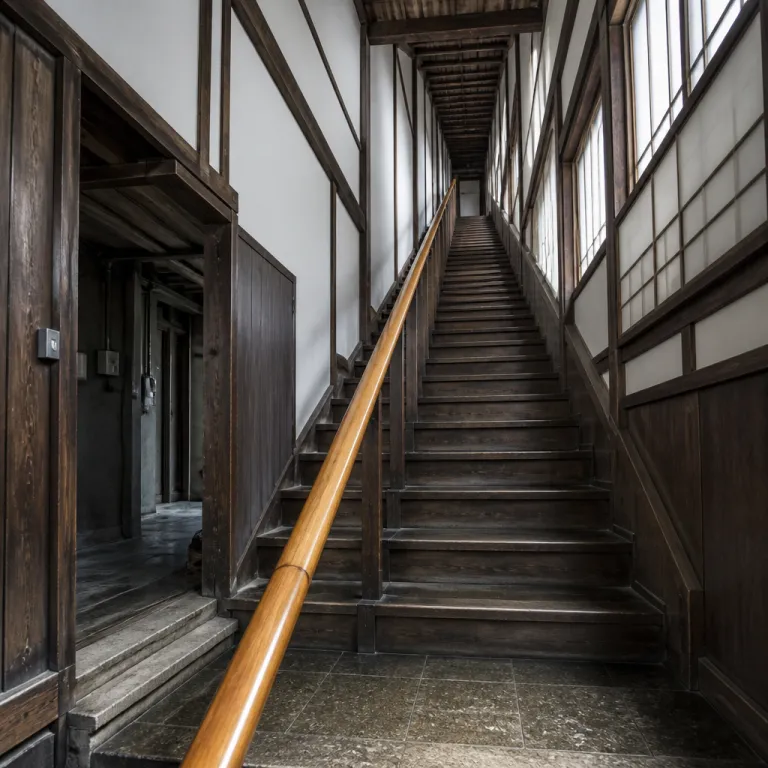
Hotel Gajoen Tokyo looks, at first glance, like a polished luxury hotel beside the Meguro River in Tokyo. Yet hidden within this city building is the Hyakudan Kaidan, a 99 step wooden staircase lined with seven rooms, each wrapped in early Showa period art. Officially recognised as a Tangible Cultural Property by the Tokyo Metropolitan Government, it is one of the clearest examples of historic architecture quietly embedded inside a working hotel.
The Hyakudan Kaidan is not a corridor to your room; it is a separate world that most guests never enter unless they plan ahead. The staircase rises through a sequence of rooms where carved transoms, painted ceilings and lacquer panels turn the walls into a vertical museum of Japanese art. As one official description puts it, "A 99-step staircase in Hotel Gajoen Tokyo, adorned with traditional art."
To experience this hidden architecture, you usually need to book a timed visit or join a special exhibition, rather than simply checking in to the hotel. The hotel’s own event calendar and reservation desk are the typical routes, and the Hyakudan Kaidan is regularly opened for seasonal exhibitions documented in the Tokyo Metropolitan cultural property listings. Walking those steps, you feel how traditional Japanese craftsmanship, natural wood and filtered light transform a functional staircase into a ceremonial ascent, and you start to see how other luxury hotels in Japan also hide their most important spaces in plain sight.
Imperial Hotel Kyoto and Yasaka Kaikan: 16,387 tiles and a new kind of preservation
In Kyoto, the Imperial Hotel Kyoto has taken a different path, anchoring its new luxury hotel within the historic Yasaka Kaikan building. Rather than treating the structure as a shell, the project cataloged and restored 16,387 original tiles, each one documented before being returned to the façade. This level of care signals how seriously high end Japanese hospitality now takes architectural memory.
Those tiles matter because they carry the patina of Kyoto’s theatre and entertainment district, linking a modern Japanese hotel design to the city’s cultural past. When you walk toward the entrance, you are not just approaching another design hotel; you are reading a surface that has been handled, cleaned and reset by artisans who understand both traditional and modern construction. For a deeper dive into this restoration, the detailed feature on Yasaka Kaikan’s 16,387 tiles explains how each piece was numbered and replaced, drawing on figures published in the project’s conservation report.
As a guest, you feel this work in subtle ways, from the way light grazes the tiles in the hotel lobby to how the interior design echoes their rhythm in stone floors and wall panels. When you book this Kyoto stay, pay attention to room descriptions that mention heritage views or proximity to the original building envelope. This is architectural preservation at its most meticulous, where the façade becomes a curated object and your room becomes a front row seat to a century of Kyoto streetscape.
Hoshinoya Nara and Capella Kyoto: adaptive reuse as a romantic setting
Outside the main city grid, Hoshinoya Nara has transformed a former Meiji era prison into a 48 suite luxury hotel, preserving the radial layout of cell blocks while softening every surface. The long corridors that once held barred doors now lead to generous rooms, where warm wood, soft textiles and views of nature replace iron and echoing concrete. This is adaptive reuse at its boldest, turning a strict institutional architecture into a quiet retreat for couples who want experiences in Japan that feel genuinely singular.
The key is how much of the original building remains legible, from brickwork to window proportions, while the interior design layers in Japanese style comfort. You walk through spaces that still hint at their past, yet the hot spring style bathing, the garden views and the calm hotel lobby atmosphere reframe that history as reflection rather than punishment. When you reserve a stay here, look for room categories that reference the former cell wings, because those often hold the most striking juxtapositions of traditional Japanese materials and modern amenities.
Back in Kyoto, Capella Kyoto offers a softer expression of architectural heritage, built around a central garden inspired by a traditional machiya townhouse. The property wraps its rooms and suites around this inner garden, creating a cloistered world where shoji like screens, stone paths and carefully pruned nature define the mood. For an in depth look at this courtyard centric design, read the Capella Kyoto central garden review, which unpacks how the garden, the building and the interior design work together to create a modern Japanese sanctuary.
From Aman Tokyo to Benesse House: when star architects shape the stay
Some of the most influential luxury hotels in Japan are defined less by heritage façades and more by how leading architects reinterpret Japanese tradition. In Tokyo, Aman Tokyo occupies the top floors of the Otemachi Tower, yet its soaring hotel lobby feels like a contemporary take on a traditional Japanese residence, with shoji inspired screens, stone, and a vast central lantern. Here, cultural lineage is expressed through proportion, material and light rather than preserved tiles or prison walls.
Architects such as Kengo Kuma, Tadao Ando and Shigeru Ban have each shaped hotels across Japan, weaving nature, art and structure into stays that feel almost gallery like. Benesse House on Naoshima, designed by Tadao Ando, is the clearest example, where concrete, sea views and contemporary art merge so completely that your room becomes part of the museum route. When you travel as a couple, choosing a design hotel by one of these architects can turn a simple city break into a curated architecture tour, especially if you pair Aman Tokyo with a stay at a Kyoto property influenced by the same design language.
To read these buildings, look for how the garden is framed from your room, how corridors reveal or conceal nature, and how traditional Japanese elements are abstracted into modern forms. When you compare options, do not just filter by spa or hot spring access; consider the architect, the building story, and whether the hotel design engages with local art or landscape. That is where Japan luxury stays shift from pleasant to unforgettable, and where the architecture you almost overlook becomes the quiet highlight of your trip.
How to actually see the hidden architecture when you stay
Understanding that these layers exist is one thing; actually experiencing them during your stay requires a little planning. Many luxury hotels in Japan keep their most significant spaces behind event doors or on guided routes, which means you need to ask directly at the hotel lobby or when you first check in. A quick email before you book can also reveal seasonal tours, private viewings or architecture focused experiences that never appear on booking engines.
When you arrive, walk the building slowly before retreating to your room, paying attention to staircases, side corridors and any change in floor level or material. These often mark transitions between original structures and modern Japanese additions, especially in properties like Hoshinoya Nara or the Imperial Hotel Kyoto. If you are planning a deeper dive into traditional Japanese stays, the guide to booking a premium ryokan in Kyoto offers a useful framework for reading architecture, from garden placement to room orientation.
Finally, choose hotels where architecture is clearly part of the narrative, whether that is a city tower like Aman Tokyo, a heritage focused Kyoto conversion, or an art centric retreat such as Benesse House. Ask staff about local architects, about any involvement from Kengo Kuma, Tadao Ando or Shigeru Ban, and about how the hotel design reflects the surrounding nature or neighbourhood. When you treat built heritage as a lens rather than a backdrop, every corridor walk, garden view and hot spring soak becomes part of a larger, more intimate story of travel through Japan.
FAQ
What is the Hyakudan Kaidan and can hotel guests visit it?
The Hyakudan Kaidan is a 99 step wooden staircase inside Hotel Gajoen Tokyo, lined with seven rooms decorated by early Showa period artists. Access is usually through special exhibitions or guided visits rather than as part of a standard room booking. Guests should check the hotel’s official event schedule or contact the concierge in advance and confirm any photography rules at the hotel lobby.
Why do luxury hotels in Japan invest so much in preserving old buildings?
Preserving existing architecture allows luxury hotels in Japan to maintain local identity while offering modern comfort. Adaptive reuse of structures such as Yasaka Kaikan in Kyoto or the former Nara prison creates unique guest experiences that new builds cannot easily replicate. This approach supports cultural continuity, engages local artisans and turns each hotel into a living archive of Japanese design.
How can I tell if a hotel stay will include meaningful architectural heritage?
Look for clear references to the building’s history, named architects such as Kengo Kuma or Tadao Ando, and specific mentions of restored elements like tiles, staircases or gardens. Properties that highlight traditional Japanese features, modern Japanese reinterpretations and collaborations with local craftspeople usually integrate heritage into daily guest life. When you review booking details, read beyond room size and focus on how the hotel describes its architecture, art and nature.
Are hidden architectural features only in luxury hotels, or also in smaller properties?
While many headline examples sit in luxury hotels, smaller properties across Japan also preserve significant architecture, from machiya townhouses in Kyoto to rural inns with historic hot spring facilities. The difference is that luxury hotels often have the budget for meticulous restoration, detailed documentation and curated tours. In both cases, asking staff about the building’s story is the simplest way to access these quieter layers of heritage.
Do I need an architecture background to appreciate these hotels in Japan?
No formal knowledge is required; curiosity is enough. Focus on how the building makes you move, where it frames the garden or city, and how traditional Japanese elements appear in modern materials. Over a few stays, you will start to recognise patterns in how Japanese luxury hotels use architecture to express heritage, and that awareness will naturally guide your future travel choices.