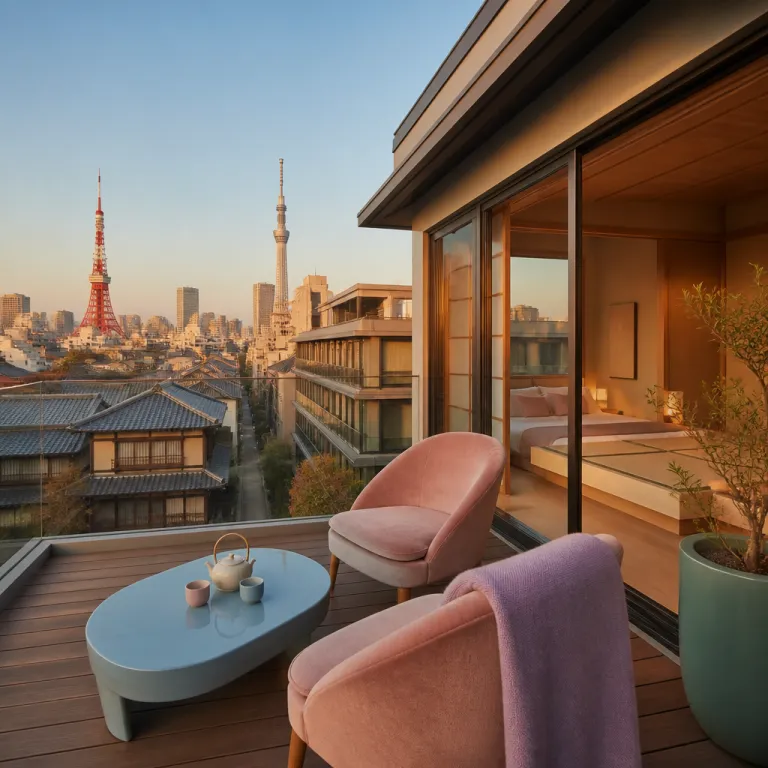
Where to stay in Tokyo on your first trip
How to choose the best place to stay in Tokyo for your first visit
Finding the best place to stay in Tokyo for a first visit can feel overwhelming. The city stretches for kilometres, offers thousands of hotels, and each area has a distinct personality that shapes your stay. When you choose a hotel in Tokyo that matches your travel style, the entire trip in Japan becomes smoother, calmer, and far more rewarding.
First time visitors should begin by deciding what they want within a 15 minute walk of their hotel. Some travellers prioritise a major station for easy airport transfers, while others prefer quiet streets near a park or temple where they can unwind after exploring the city. Your ideal base in Tokyo will balance transport, ambience, and budget rather than chasing a single “best” neighbourhood on a map.
Luxury travellers often focus on hotels in Ginza, Marunouchi near Tokyo Station, or western Shinjuku for panoramic skyline views. Those seeking a mid range stay in Tokyo might gravitate toward Shibuya, Ueno, or Asakusa, where character and value intersect. For a tighter budget, you can still find well designed rooms within 10 minutes of a major station if you check dates early and remain flexible on exact location.
Shinjuku and Shibuya: dynamic hubs for a first time urban stay
Shinjuku is often the best choice for travellers who want energy, nightlife, and unmatched rail access. Shinjuku Station is one of the busiest in the world, and staying near this station gives you direct lines across Tokyo, including fast access to Tokyo Station and the airports. For a first time visitor who wants to feel the pulse of the city, a Shinjuku hotel offers neon streets, sky bars, and luxury hotels stacked above department stores.
Shibuya, by contrast, feels younger and slightly more compact, yet it remains one of the best places for a first stay in Tokyo. Around Shibuya Station you will find fashion, cafés, and mid range hotels that suit couples or friends who plan late nights and relaxed mornings. When you compare both areas, Shinjuku excels for sheer scale and transport, while Shibuya works beautifully as a base for travellers who want walkable streets and a softer nightlife edge.
In terms of price, expect quality mid range rooms in Shinjuku or Shibuya to start around 180 to 250 USD per night, with premium hotel brands rising well above that range. Luxury hotels in these districts, such as Park Hyatt Tokyo in Shinjuku or Cerulean Tower Tokyu Hotel in Shibuya, often include club lounges, large rooms by Tokyo standards, and direct limousine bus access to airports, which can justify higher nightly rates. If you plan your first Tokyo itinerary during late spring or the quieter weeks between cherry blossom and the rainy season, reading a specialised guide to luxury hotel dynamics in late spring can help you time your booking for better value.
Asakusa, Ueno, and traditional districts: slower rhythm for a reflective first stay
For travellers who want their first place to stay in Tokyo to feel more traditional, Asakusa and Ueno offer a different rhythm. Asakusa centres around Sensō ji Temple, with narrow streets, small shops, and a riverside park that softens the urban landscape. Ueno adds major museums, a large park, and easy rail access to northern Japan, making it a thoughtful option for culture focused itineraries.
In Asakusa, hotels range from compact budget rooms to refined mid range properties with views of the Sumida River and Tokyo Skytree. Families often appreciate that streets here feel calmer than Shinjuku or Shibuya, and that many attractions sit within a 10 minute walk of their hotel. Ueno hotels tend to offer slightly larger rooms for the price, and the area around Ueno Station gives quick access to both Narita Airport and regional trains.
Are there budget friendly areas in Tokyo? Ueno and Asakusa provide affordable accommodation options. That official guidance aligns with what many luxury travellers now do, combining a few nights in a high end Tokyo hotel with quieter nights in a characterful district. If you are planning a wider journey beyond the capital, you might pair your urban retreat with a stay in a refined countryside ryokan, such as those featured in this guide to a Kyoto ryokan with private onsen as an urban retreat, then return to Tokyo Station for your flight home.
Ginza, Tokyo Station, and Marunouchi: polished luxury for business and leisure
Ginza is the district many travellers picture when they imagine luxury hotels in Tokyo, with flagship boutiques, fine dining, and immaculate streets. Staying in Ginza places you within walking distance of the Kabuki theatre, high end shopping, and some of the city’s most refined cocktail bars. For a first time visitor who values elegance and convenience over nightlife, Ginza can be the best area to stay in central Tokyo.
Just to the north, the Marunouchi and Nihonbashi areas around Tokyo Station offer a different style of luxury. Here, several five star hotels occupy restored historic buildings or gleaming towers directly connected to the station concourse. Flagship properties such as The Tokyo Station Hotel and Four Seasons Hotel Tokyo at Marunouchi make this location ideal if your first Tokyo itinerary includes day trips on the Shinkansen, because you can walk from your rooms to the platforms in minutes while porters handle luggage.
Rates in Ginza and around Tokyo Station often start near 300 USD per night for polished mid range rooms and rise sharply for suites with Tokyo Tower or Imperial Palace park views. Many of these hotels partner with major booking platforms, so you may see labels such as “photo credit Agoda” or “credit Agoda” in promotional images, especially when you check offers through booking Agoda channels. When evaluating these properties, focus less on brand names and more on room size, view corridors, and whether the hotel offers direct access to underground passages that keep you dry in rainy weather.
Shinjuku Station to Tokyo Tower: navigating the city with ease on your first trip
Transport should sit at the centre of your decision about where to stay in Tokyo on a first visit, because it shapes every day of your stay. Shinjuku Station, Shibuya Station, and Tokyo Station form a powerful triangle that connects most of the city within about 30 minutes. When your hotel stands within a short walk of one of these hubs, you spend less time navigating and more time enjoying parks, museums, and restaurants.
From Shinjuku Station, you can reach Tokyo Tower in roughly 25 minutes by train via the Oedo Line, making it easy to plan an evening visit after a day of shopping or meetings. Shibuya offers similar access times, while Ginza and Tokyo Station areas shorten the journey to around 15 minutes, which matters if you want night views but prefer to return quickly to your rooms. For a first time visitor, mapping these travel times before you book helps you compare not only nightly rates in USD but also the hidden cost of longer commutes.
Luxury hotels often highlight their proximity to a specific station in marketing materials, and this is not just a slogan. In a city as large as Tokyo, being 300 metres closer to a major station can save 20 minutes each day, especially in bad weather or with luggage. When you check maps, look for covered walkways, underground passages, and nearby park access, because these details transform a simple Tokyo hotel booking into a genuinely comfortable urban retreat.
Balancing budget, booking strategy, and multi city stays across Japan
Even in the luxury segment, most travellers still work within a budget, so understanding price tiers helps you define the best places for your first Tokyo itinerary. In central districts such as Shinjuku, Shibuya, Ginza, and around Tokyo Station, refined mid range rooms usually fall between 200 and 350 USD, while top tier suites in landmark hotels can exceed 800 USD. As you move slightly away from each core area, you often gain larger rooms or quieter streets without sacrificing too much convenience.
For a first time visitor planning several stays across Japan, it can be wise to allocate more of the budget to Tokyo and Kyoto, where luxury hotels and premium ryokan experiences are most concentrated. Some travellers then balance costs by choosing more modest hotel options in secondary cities, or by adding a night in a countryside retreat such as the riverside ryokan highlighted in this guide to a refined riverside retreat in rural Japan. This approach allows you to enjoy both urban sophistication and natural hot spring tranquillity within a single trip.
When you check availability, pay attention to flexible rates and loyalty benefits on major platforms, but do not rely solely on headline discounts. Look closely at cancellation terms, breakfast inclusion, and whether the hotel offers late checkout, because these details often matter more than saving a small amount in USD. For travellers who value visual research, always read the fine print under each image, including any “photo credit Agoda” notes, to ensure that the rooms shown match the category you intend to book through booking Agoda or directly with the property.
Urban retreats and wellness focused stays for discerning travellers
Many luxury travellers now define the best place to stay in Tokyo for a first visit not only by location, but by how well the hotel functions as an urban retreat. In districts such as Shinjuku, Shibuya, and Ginza, high end properties increasingly emphasise wellness floors, spa suites, and quiet lounges that feel far removed from the city outside. This shift reflects a broader trend in Japan, where guests seek restorative experiences even in the heart of the metropolis.
When comparing hotels across Tokyo, look for features such as floor to ceiling windows facing a park, in room soaking tubs, and club lounges that serve as calm workspaces during the day. Some Tokyo hotels integrate traditional elements like onsen style baths or tatami rooms, creating a bridge between classic ryokan hospitality and contemporary design. These details matter especially for a first time visitor who may feel sensory overload from the city and needs a sanctuary like atmosphere at the end of each day.
For travellers planning multiple stays across the country, consider alternating intense urban days with slower mornings in wellness oriented hotels. A carefully chosen neighbourhood in Tokyo, combined with a night in a countryside onsen or a Kyoto ryokan, can reset your energy and deepen your connection to Japan. As you refine your itinerary, remember that the best area for you is the one where your hotel feels like a personal refuge, not just a place to sleep between sightseeing stops.
Key figures for luxury and premium stays in Tokyo
- Tokyo welcomed around 15.2 million international visitors in 2019, according to the Japan National Tourism Organization (JNTO), which supports a sophisticated hospitality ecosystem for first time and repeat visitors.
- The Tokyo Metropolitan Government reported roughly 3,000 registered accommodation facilities in the city in 2022, giving travellers a wide spectrum from budget to ultra luxury properties across every major area.
- Staying within a 500 metre radius of a major station such as Shinjuku Station or Tokyo Station can reduce daily commuting time by 20 to 30 minutes compared with more distant neighbourhoods, which is significant on short trips.
- In central districts, refined mid range rooms typically range from 180 to 350 USD per night, while suites in landmark luxury hotels can exceed 800 USD, especially during peak cherry blossom and autumn foliage periods.
FAQ about choosing where to stay in Tokyo for the first time
Which Tokyo district is best for nightlife on a first visit ?
Which Tokyo district is best for nightlife? Shinjuku and Shibuya are renowned for vibrant nightlife. For a first time visitor, Shinjuku offers larger scale, more bars, and late night dining, while Shibuya feels slightly more compact and youth oriented, so your choice depends on whether you prefer big city intensity or a more casual scene.
Is Asakusa suitable for families on their first trip ?
Is Asakusa suitable for families? Yes, Asakusa offers family-friendly attractions and a traditional atmosphere. The area around Sensō ji Temple, the riverside park, and nearby museums creates a calm environment, and many hotels provide easy access to public transport without the crowds of Shinjuku Station.
Are there budget friendly areas in Tokyo for first time visitors ?
Are there budget-friendly areas in Tokyo? Ueno and Asakusa provide affordable accommodation options. These districts often offer better room sizes for the price than Ginza or Shibuya, while still giving convenient rail links and plenty of dining choices for travellers watching their USD spend.
Should I stay near Tokyo Station for my first time in the city ?
Staying near Tokyo Station works very well if you plan day trips on the Shinkansen or arrive by airport train, because you can walk from your hotel to long distance platforms in minutes. The area also offers easy access to Ginza, the Imperial Palace park, and several luxury hotels, making it a strong choice for business and leisure travellers alike.
How far in advance should I book a luxury hotel in Tokyo ?
For peak seasons such as cherry blossom and autumn foliage, aim to book your preferred luxury hotel at least three to six months ahead, especially in Shinjuku, Shibuya, Ginza, and around Tokyo Station. Outside those periods, you can sometimes secure attractive mid range or premium rates closer to your dates, but early booking still gives the best selection of rooms and views.
