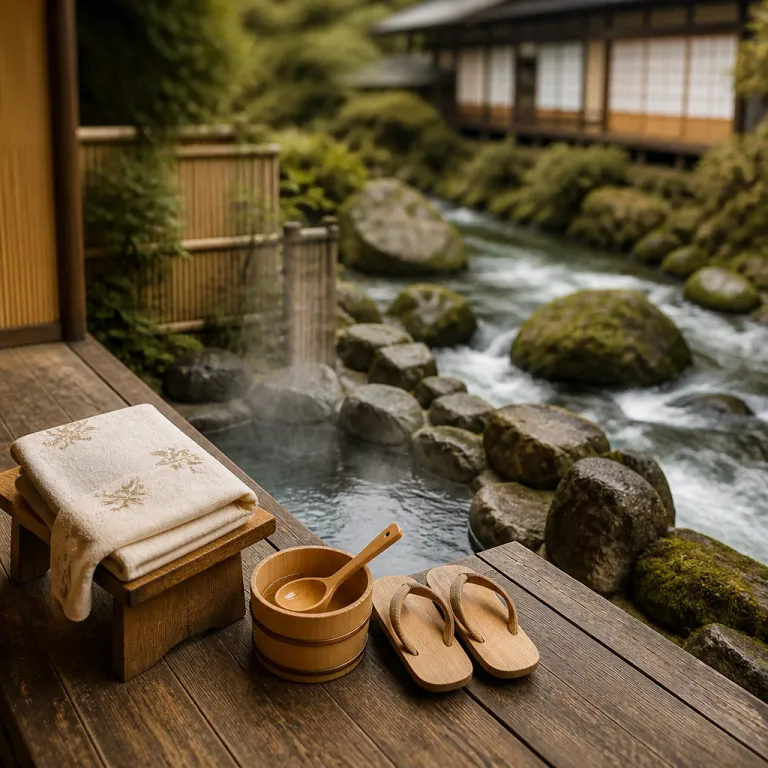
Yamamizuki ryokan as a hidden gem in kurokawa onsen
Yamamizuki is a traditional onsen ryokan in the forested valley of Kurokawa Onsen, offering guest rooms that feel deeply connected to the river and trees. A traditional Japanese inn in Kurokawa Onsen offering hot spring baths and kaiseki meals, it sits slightly apart from the main village, adding to the sense of retreat. This quiet corner of Kumamoto in rural Japan attracts travelers who value hot springs, refined kaiseki cuisine, and a sense of seclusion.
The ryokan stands in Minamioguni, in the wider Aso region, where volcanic geology feeds mineral rich hot spring water into the open air baths. From the moment you step into the lobby, the air feels warm and slightly steamy, carrying the faint scent of spring water rising from the onsen baths below. Many guests choose Yamamizuki because it balances authentic tatami style rooms with modern comforts, making it easier to relax after long hours of travel.
With only around 21 rooms, Yamamizuki remains intimate, and each guest room is designed to frame the surrounding forest or river rather than city lights. Some rooms feature access to baths private to your party, while others are close to the larger open air hot spring areas that have made Kurokawa famous. For travelers comparing luxury stays across Japan, Yamamizuki stands out as a place where the hot springs, the ryokan architecture, and the natural setting work together as one experience.
Reaching yamamizuki from kumamoto airport, fukuoka airport, and aso
Planning the journey to Yamamizuki is part of the pleasure, especially if you enjoy scenic drives and quiet mountain roads. Most international travelers arrive first at Fukuoka Airport or Kumamoto Airport, then continue by train, rental car, or bus into the Aso region. From either airport Kurokawa is reachable in a few hours, but the route from Kumamoto Airport usually feels shorter and more direct.
If you prefer not to drive, look for highway bus services that connect the airport and Aso to Kurokawa Onsen, then arrange a shuttle bus or onsen bus transfer with the ryokan in advance. Some services run only during certain hours, so confirm the latest timetables before you finalize your room reservation and dinner plans. When you contact Yamamizuki, ask the front desk about any available shuttle options from the nearest bus stop, because rural roads can feel dark at night and a private transfer adds comfort.
Travelers who enjoy slow journeys sometimes combine a stay at Yamamizuki with time around Mount Aso, using local bus routes to move between the caldera area and Kurokawa Onsen. If you are planning a wider luxury itinerary across Japan, it pairs well with refined city hotels and alpine retreats, as outlined in this elegant guide to the finest hotels in Hakuba for a refined mountain escape at this detailed Hakuba hotel guide. Whether you arrive from Fukuoka Airport, Kumamoto Airport, or the Aso highlands, allow extra time for weather and enjoy the clear mountain air as you approach the ryokan.
Hot spring culture, open air baths, and private soaking rituals
The heart of Yamamizuki is its collection of hot spring baths, especially the dramatic open air pools set beside the river. These outdoor onsen baths are fed by natural hot springs, and the constant flow of spring water keeps the bath temperature stable while the river air cools your face. Many guests say the contrast between the indoor hot areas and the open air pools creates a layered experience that feels both energizing and deeply calming.
Yamamizuki offers several types of onsen baths, including large riverside spring baths, smaller indoor hot pools, and baths private to couples or families who prefer to soak together. With three outdoor baths and eight private baths reported by regional ryokan guides, there is usually space to enjoy a quiet air bath moment, listening only to the river and the wind in the trees. The ryokan staff will guide you through onsen etiquette, from washing before you enter the bath to managing towels and hair, which helps preserve the tranquil atmosphere for everyone.
For travelers who are new to onsen culture, Kurokawa Onsen is an ideal introduction because many ryokan, including Yamamizuki and nearby Miyama Sansou, focus on traditional design and natural surroundings rather than flashy facilities. You can alternate between the open air hot spring pools and the indoor hot baths, adjusting the water temperature and air exposure to suit your comfort. When planning your stay, consider booking guest rooms that are close to your preferred baths, especially if you expect to bathe multiple times during the evening hours.
Rooms, guest rooms, and the rhythm of a stay at yamamizuki
Each room at Yamamizuki is designed around tatami flooring, shoji screens, and low furniture, creating a calm base for your onsen routine. Guest rooms vary in size, but all 21 rooms share a focus on natural materials, soft lighting, and views that frame either the forest or the river below. Some rooms include a private bath or semi open air soaking space, allowing you to enjoy hot spring water without leaving your own room.
Check in usually begins in the afternoon, and many travelers aim to arrive early enough to enjoy the baths before dinner in the dining room. After you settle into your room, staff often serve tea and a light sweet, giving you time to breathe the fresh air and plan which onsen baths you will visit first. Because the ryokan is relatively small, the flow between guest rooms, corridors, and bathing areas feels intimate, and you rarely encounter crowds even during busy seasons.
At night, futons are laid out in the rooms while you dine, so you return from the dining area to a prepared sleeping space that still carries a faint scent of tatami. The combination of repeated hot spring bathing, cool mountain air, and quiet rooms often leads to deep sleep, even for travelers who usually struggle with jet lag. When you wake, morning light through the shoji screens and the sound of the river below signal another chance to move between indoor hot baths, open air pools, and the calm of your private room.
Dining room elegance, seasonal kaiseki, and shared spaces
Meals at Yamamizuki are served either in a dedicated dining room or in a more intimate dining area, depending on your room category and booking. The cuisine follows the kaiseki tradition, with multiple small courses that highlight local ingredients from Kumamoto and the wider Aso region. Expect river fish, mountain vegetables, and carefully prepared beef, all presented in a way that reflects the seasons of rural Japan.
The dining room experience is structured yet relaxed, with staff explaining key dishes while allowing you to maintain a quiet, reflective mood. Because many guests have spent hours in the hot springs before dinner, the atmosphere feels unhurried, and conversations tend to be soft and low. If you are traveling with children or have specific dietary needs, it is wise to communicate these when you reserve your rooms, so the kitchen can adapt the kaiseki sequence.
Shared spaces beyond the dining area include small lounges where you can sit in yukata, sip tea, and let your body cool after an air bath session in the open air pools. These areas are also useful meeting points if different members of your group choose different baths or private soaking times. For families planning a wider luxury trip across Japan, including city stays and rural ryokan, it can be helpful to review what to ask when booking a luxury hotel in Japan with children, as outlined in this practical guide at this resource on family focused luxury bookings.
Practical booking tips for a luxury stay at yamamizuki
Securing a room at Yamamizuki requires advance planning, especially during peak foliage and snow seasons when Kurokawa Onsen is in high demand. Because the ryokan has only 21 guest rooms and a limited number of baths private to each group, early reservations give you more control over room type, view, and meal arrangements. When you book, confirm whether your room includes a private bath with hot spring water or whether you will primarily use the shared open air and indoor hot baths.
It is wise to align your arrival and departure with bus and shuttle schedules from Kumamoto Airport, Fukuoka Airport, or the Aso area, especially if you rely on an onsen bus or shuttle bus service. Ask the ryokan about the last shuttle of the day and typical travel hours from each airport to Kurokawa, then build some buffer time into your itinerary. If you are combining Yamamizuki with other rural stays, consider reading this analysis of what changes for the luxury traveler in Japan, which highlights evolving expectations around service, wellness, and sustainability at this overview of changing luxury travel in Japan.
Before arrival, review onsen etiquette, including how to move between the dressing room, washing area, and the various onsen baths without bringing towels into the water. Pack light, breathable clothing for the dining room and shared spaces, as the combination of hot springs and mountain air can make heavy garments uncomfortable. Finally, remember that Yamamizuki is part of a wider onsen ryokan culture in Kurokawa, so your stay supports local farmers, artisans, and tourism partners who help maintain this hidden gem of rural Japan.
Key figures and onsen statistics for yamamizuki and kurokawa onsen
- Yamamizuki offers around 21 rooms, which keeps guest numbers low and supports a quieter hot spring experience compared with larger hotels in urban Japan (figures based on regional ryokan listings; confirm directly with the property for the latest details).
- The property features three outdoor baths, allowing multiple open air soaking options along the river and reducing crowding during peak bathing hours (information drawn from local onsen directories; facilities may change over time).
- There are eight private baths available, giving couples and families more flexibility to reserve baths private to their group when shared spaces feel busy (numbers reported by Japan ryokan overview sites and subject to periodic updates).
- Check in typically begins around 14:00 and check out is usually at 11:00, which creates a generous window for guests to enjoy both afternoon and morning onsen sessions within a single night stay (always verify current times when booking).
- Kurokawa Onsen and the wider Aso region have seen increased interest in rural tourism and wellness focused travel, reflecting a broader shift toward hot springs and nature based stays across Japan (regional tourism trend summaries and prefectural reports).
FAQ about yamamizuki and kurokawa onsen
What is Yamamizuki and what makes it special ?
Yamamizuki is a traditional Japanese ryokan in Kurokawa Onsen, known for its riverside open air hot spring baths and refined kaiseki cuisine. The combination of only 21 guest rooms, multiple outdoor and private baths, and a forested setting in Kumamoto creates an intimate, wellness focused stay. Travelers value its balance of authentic tatami style rooms and modern comforts, especially for multi night onsen focused trips.
Where exactly is Yamamizuki located in Japan ?
Yamamizuki stands in Minamioguni, a town in Aso gun, Kumamoto Prefecture, on the island of Kyushu in southern Japan. The address is commonly listed as 6392-2 Manganji within the Kurokawa Onsen area, surrounded by forest and a mountain river. Access is usually via bus or car from Kumamoto Airport, Fukuoka Airport, or the Aso region, followed by a short shuttle or taxi ride to the ryokan.
What types of hot spring baths does Yamamizuki offer ?
The ryokan offers several kinds of onsen baths, including large riverside open air pools, indoor hot baths, and multiple private baths that can be reserved by couples or families. Natural hot spring water flows continuously through these baths, maintaining temperature and freshness. Guests can move between different spring baths during their stay, adjusting for weather, time of day, and personal comfort.
What amenities and services can guests expect during a stay ?
Guests at Yamamizuki can expect Japanese style rooms with tatami flooring, kaiseki meals served in a dining room or private dining area, and access to both shared and private hot spring baths. The ryokan emphasizes traditional hospitality, with staff assisting with yukata, onsen etiquette, and transport coordination such as shuttle bus arrangements from nearby bus stops. Many travelers appreciate the quiet lounges, river views, and the way the property integrates natural materials and local ingredients into the overall experience.
How far in advance should I book Yamamizuki, and what should I request ?
Because Yamamizuki has only 21 rooms and a limited number of private baths, it is wise to book several months in advance for weekends, holidays, or peak foliage seasons. When reserving, specify whether you prefer a room with a private bath, particular meal arrangements, or proximity to certain onsen baths. You should also confirm arrival times, bus or shuttle connections from the airport to Kurokawa Onsen, and any dietary or accessibility needs so the ryokan can prepare accordingly.