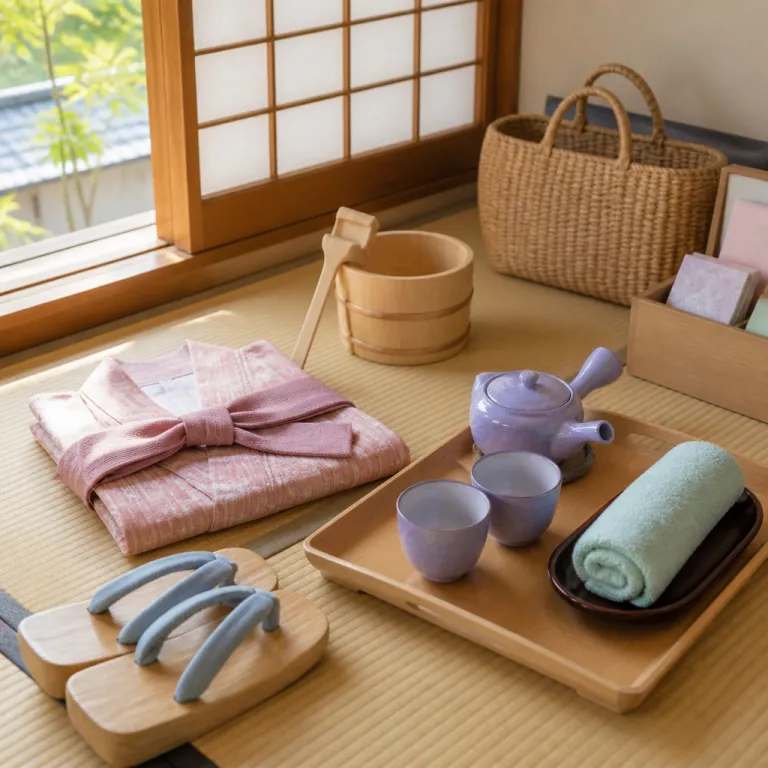
Ryokan Sumiya in Kyoto Japan as a hidden gem for luxury travelers
Ryokan Sumiya sits quietly in central Kyoto Japan, yet it feels worlds away. This traditional ryokan has welcomed guests for over a century, preserving a style of hospitality that many luxury travelers now seek. For visitors comparing stays between Osaka, Kyoto, and Tokyo, this inn offers a rare immersion in Kyoto culture with the comfort level of a premium hotel.
The property, often referred to as Sumiya Ryokan, occupies a discreet address near Sanjō in Nakagyō ku, placing guests within walking distance of key temples and refined shopping streets. According to the official information from Sumiya Ryokan, the inn maintains only 23 guest rooms, each designed around tatami floors, sliding shōji, and carefully framed garden views. That limited number of rooms keeps the atmosphere calm, and it also means travelers should reserve well in advance, especially in spring when Kyoto is at its most requested.
Inside every room, the air feels soft and lightly scented with tatami, creating an immediate sense of calm. Some guest rooms feature private baths, and 18 of these rooms include a private bath directly attached, a figure confirmed by the ryokan’s own materials and consistent with details shared by the Kyoto City Tourism Association. For travelers used to Western style suites in Tokyo, the combination of futon bedding, low tables for tea, and the option of private bathing makes Sumiya Ryokan a compelling alternative.
The team at Ryokan Sumiya focuses on cultural immersion rather than flashy amenities, yet the service level matches many luxury hotels. Staff speak English, which helps international guests understand the nuances of kyo kaiseki dining and the etiquette of the tea ceremony. The official guidance from the property is clear and reassuring for first time visitors; “What is kyo-kaiseki?” and “Does Sumiya Ryokan offer private baths?” and “Is English spoken at Sumiya Ryokan?” are answered directly in their materials and echoed by the Kyoto City Tourism Association. One recent guest described the experience simply: “The staff anticipated what we needed before we could ask, but still encouraged us to try every custom at our own pace.”
Guest rooms, kyo kaiseki dining, and the rhythm of a Kyoto spring stay
Guest rooms at Ryokan Sumiya are designed to change character with the seasons, and spring in Kyoto brings the most dramatic shift. Morning light enters the rooms open to inner courtyards, while cooler air from the gardens balances the warmth of the tatami underfoot. Travelers arriving from Tokyo often comment that the slower rhythm here makes jet lag fade more quickly.
Each room is arranged as a flexible living space, with low tables for tea during the day and futon bedding laid out by staff at night. The guest rooms vary in size, yet even compact rooms feel generous because sliding doors can be left open to connect spaces and frame the garden. For couples or solo travelers, a smaller room with a private bath can feel more intimate than a larger suite, especially when the spring air carries the scent of nearby temple gardens.
Kyo kaiseki, the traditional Kyoto multi course dinner, is the culinary centerpiece of a stay at Sumiya Ryokan. Seasonal ingredients guide the menu, so in spring guests might taste bamboo shoots, mountain vegetables, and delicate white fish, all presented on handcrafted ceramics from Kyoto artisans. The inn’s objective is to preserve this style of dining, and the staff explain that kyo kaiseki is “a traditional Kyoto multi-course meal emphasizing seasonal ingredients,” a definition consistent with descriptions from the Japan National Tourism Organization (JNTO).
Luxury travelers planning a broader itinerary across Japan should consider how a night or two at Ryokan Sumiya complements stays in larger city hotels. Recent changes in luxury travel expectations, especially for travelers who want deeper cultural context, are well analyzed in this guide to what is changing for the luxury traveler in Japan. When you align those expectations with the intimate scale of Sumiya Ryokan’s rooms and dining, the property stands out as a strategic base for exploring Kyoto Japan in depth.
Onsen style bathing, private baths, and how Ryokan Sumiya compares to hot spring retreats
Although Ryokan Sumiya sits in central Kyoto rather than a mountain valley, bathing remains a core part of the experience. The inn offers shared tubs indoor that echo the design of traditional onsen baths, with smooth stone, warm lighting, and a quiet atmosphere. For guests who prefer more seclusion, 18 rooms include baths private to that room, which is a significant advantage for travelers who value privacy.
These private baths are not natural hot spring baths in the strict geological sense, because central Kyoto does not have the same hot spring sources as places like Kameoka Yunohana. However, the water temperature is carefully maintained at a soothing level, and the design of each bath encourages slow, mindful soaking. When you slide open the window panels slightly, cooler air meets the hot water, creating a gentle air hot contrast that many guests find deeply relaxing.
Travelers who want a full hot spring onsen ryokan experience often pair a stay at Sumiya Ryokan with a night in the mountains near Kameoka or Arashiyama. In those areas, properties such as riverside retreats with open air baths offer direct access to mineral rich hot spring water, and one useful reference is this detailed review of a riverside Kyoto ryokan with refined open air serenity. By combining a central Kyoto stay at Ryokan Sumiya with a night in a true hot spring valley, guests can experience both cultural immersion and classic onsen bathing.
Within Sumiya Ryokan itself, the bathing etiquette mirrors that of larger onsen ryokan properties across Japan. Guests wash thoroughly before entering the tubs indoor, keep towels out of the water, and speak quietly to maintain a calm mood. For travelers new to Japan, staff are happy to explain these customs, which helps reduce anxiety and allows even first time visitors to enjoy the baths with confidence.
From Kyoto to Kameoka Yunohana and Sumiya Kiho: understanding regional hot spring culture
Many travelers who fall in love with Ryokan Sumiya’s atmosphere start looking outward toward nearby hot spring regions. Kameoka Yunohana, located west of Kyoto, is one of the closest traditional hot spring areas and can be reached easily as a day trip or overnight escape. The contrast between central Kyoto Japan and the quieter valleys around Kameoka is striking, especially in spring when mist hangs over the hills.
In Kameoka Yunohana, several onsen ryokan properties draw natural hot spring water into both indoor tubs and open air baths. Some of these inns, including those associated with the Sumiya Kiho and Kiho Kameoka names, emphasize rustic architecture, mountain views, and a slower pace than you find in Osaka, Kyoto, or Tokyo. Travelers who appreciate the refined service at Sumiya Ryokan often feel comfortable in these sister style properties, because the approach to hospitality and kyo kaiseki dining is similar.
When planning an itinerary, it can be helpful to think of Ryokan Sumiya as your cultural anchor in Kyoto city and Kameoka Yunohana as your hot spring retreat. Spend two or three nights in Kyoto Japan exploring temples, tea houses, and museums, then add one or two nights in a Kameoka onsen ryokan with open air hot spring baths. This combination allows you to experience both the urban elegance of Kyoto and the rural calm of a hot spring valley without long transfers from Osaka, Kyoto, or Tokyo.
Travelers who enjoy comparing different refined stays across Japan may also appreciate curated guides to other cities, such as this overview of refined hotels in Kanazawa. By studying how properties in Kanazawa, Kyoto, and Kameoka Yunohana present their guest rooms, baths, and dining, you can better understand which style of onsen ryokan or city ryokan best matches your expectations. That kind of comparison is especially useful when you are planning a once in a lifetime journey across Japan.
Tea ceremony, cultural immersion, and how Ryokan Sumiya preserves Kyoto traditions
One of the defining features of Ryokan Sumiya is its commitment to cultural immersion, especially through tea and the arts. The property regularly hosts a formal tea ceremony on specific dates each month, inviting guests to experience the choreography of preparing and serving matcha. This ritual, held in a traditional tearoom, offers a quiet counterpoint to the sensory richness of kyo kaiseki dinners and onsen style baths.
During the tea ceremony, guests sit on tatami while the host prepares tea using carefully selected utensils and seasonal sweets. The air in the room is still, and the only sounds are the whisk against the bowl and the soft movement of fabric, which helps travelers shift their attention inward. For many visitors, this is the moment when Kyoto’s reputation as a cultural capital becomes tangible rather than abstract.
Beyond tea, Sumiya Ryokan collaborates with local artisans and the Kyoto tourism community to showcase traditional crafts and seasonal events. The architecture itself, with its wooden beams, paper screens, and inner gardens, functions as a living museum of Kyoto design, yet it never feels staged or artificial. Guests are encouraged to ask questions about the meaning of each element, from the alcove scrolls to the flower arrangements, which deepens their understanding of Japanese aesthetics.
This focus on education aligns with broader trends in luxury travel, where guests seek not only comfort but also context. At Ryokan Sumiya, the staff’s ability to explain customs in English, from how to wear yukata to how to move through shared baths, makes the experience accessible without diluting its authenticity. For travelers who value both refinement and learning, this balance of guidance and tradition is one of the strongest reasons to choose Sumiya Ryokan over a conventional city hotel.
Practical booking advice for Ryokan Sumiya and pairing it with other Japanese stays
Booking Ryokan Sumiya requires more planning than reserving a standard hotel in Tokyo or Osaka, Kyoto, but the effort is rewarded. With only 23 rooms, availability can be tight during peak seasons, especially in spring when cherry blossoms and mild air draw visitors from across Japan and overseas. Travelers who want specific room types, such as guest rooms with private baths, should secure reservations several months ahead.
When choosing between room categories, consider how you plan to use the space during your stay. If you expect to spend long evenings inside, perhaps enjoying tea while wearing yukata, a slightly larger room with a view of an inner garden can feel more comfortable. Guests who prioritize bathing privacy may prefer rooms where baths private to that room are available, even if the overall floor area is smaller.
For itineraries that include multiple cities, a common pattern is to start in Tokyo, move to Kyoto Japan for three or four nights at Sumiya Ryokan, then continue to Osaka, Kyoto, or onward to regions like Kanazawa or Kameoka Yunohana. This sequence allows you to adjust gradually from the fast pace of Tokyo to the calmer rhythm of Kyoto before entering the even quieter world of a mountain onsen ryokan. Travelers who enjoy hot spring culture may also add a night at a property such as Sumiya Kiho in the Kameoka area, where open air hot spring baths and tubs indoor fed by natural sources are more prominent.
Finally, remember that a stay at Ryokan Sumiya is not just a room rental; it is a curated experience that includes kyo kaiseki dining, access to shared baths, and opportunities for cultural activities like the tea ceremony. When you compare nightly rates with other luxury options in Kyoto Japan, factor in the value of these inclusions and the personalized attention from staff. For many guests, the combination of history, service, and atmosphere makes Ryokan Sumiya one of the most memorable stays of their journey across Japan.
Key statistics and figures about Ryokan Sumiya and traditional stays in Kyoto
- Ryokan Sumiya operates with 23 rooms, which keeps guest numbers low and allows staff to maintain a high level of personalized service compared with larger hotels in Kyoto Japan.
- The property has been welcoming guests for over a century since its establishment, making it one of the longer running traditional inns in central Kyoto and reinforcing its reputation for stable, consistent hospitality.
- Out of the total guest rooms, 18 rooms have private baths, giving a high proportion of baths private to each room and appealing strongly to international travelers who value privacy while still wanting a traditional ryokan atmosphere.
- The central location in Kyoto city places guests within a short walking radius of multiple cultural sites, which reduces local transport time compared with staying in outlying districts or commuting from Osaka, Kyoto.
- Growing interest in traditional accommodations and cultural experiences has increased demand for ryokan stays in Kyoto Japan, which is why advance booking at properties like Sumiya Ryokan is now essential during peak spring and autumn seasons.
FAQ about Ryokan Sumiya and luxury ryokan stays in Kyoto
What type of accommodation is Ryokan Sumiya ?
Ryokan Sumiya is a traditional Japanese inn in central Kyoto Japan, offering tatami floored guest rooms, kyo kaiseki dining, and shared baths in the style of an onsen ryokan. The focus is on cultural immersion and personalized service rather than large scale hotel facilities. Its location near Sanjō makes it convenient for exploring major Kyoto landmarks.
Does Ryokan Sumiya offer private baths in the rooms ?
Yes, Ryokan Sumiya offers private baths in many of its guest rooms, and 18 rooms have private baths directly attached. These baths are designed for individual or couple use and provide a more intimate alternative to the shared tubs indoor. While the water is not from a natural hot spring source, the bathing experience follows the same etiquette as onsen baths across Japan.
What is kyo kaiseki and is it included in a stay at Sumiya Ryokan ?
Kyo kaiseki is a traditional Kyoto multi course dinner that emphasizes seasonal ingredients, careful presentation, and balance of flavors. At Sumiya Ryokan, kyo kaiseki is typically served in the guest room or a private dining space, and many stay plans include both dinner and breakfast. This style of dining is one of the main reasons travelers choose a ryokan over a standard hotel in Kyoto Japan.
Is English spoken at Ryokan Sumiya and is it suitable for first time visitors to Japan ?
Staff at Ryokan Sumiya can communicate in English, which makes it suitable for first time visitors who may be unfamiliar with Japanese customs. They explain how to use the baths, how to wear yukata, and what to expect during kyo kaiseki and the tea ceremony. This guidance helps guests feel comfortable while still experiencing authentic Kyoto hospitality.
How far is Ryokan Sumiya from other major destinations like Tokyo or Kameoka Yunohana ?
Ryokan Sumiya is located in central Kyoto, which is around two and a half hours from Tokyo by shinkansen and a short train ride from Osaka, Kyoto. From Kyoto Station, travelers can reach the ryokan by taxi or subway in about 15 to 20 minutes, based on typical transit times listed by the Japan National Tourism Organization (JNTO) for central Kyoto journeys. Day trips or overnight excursions to nearby hot spring areas such as Kameoka Yunohana are straightforward, making Sumiya Ryokan a practical base for exploring both city and countryside.
References
- Japan National Tourism Organization (JNTO)
- Kyoto City Tourism Association
- Official information from Sumiya Ryokan