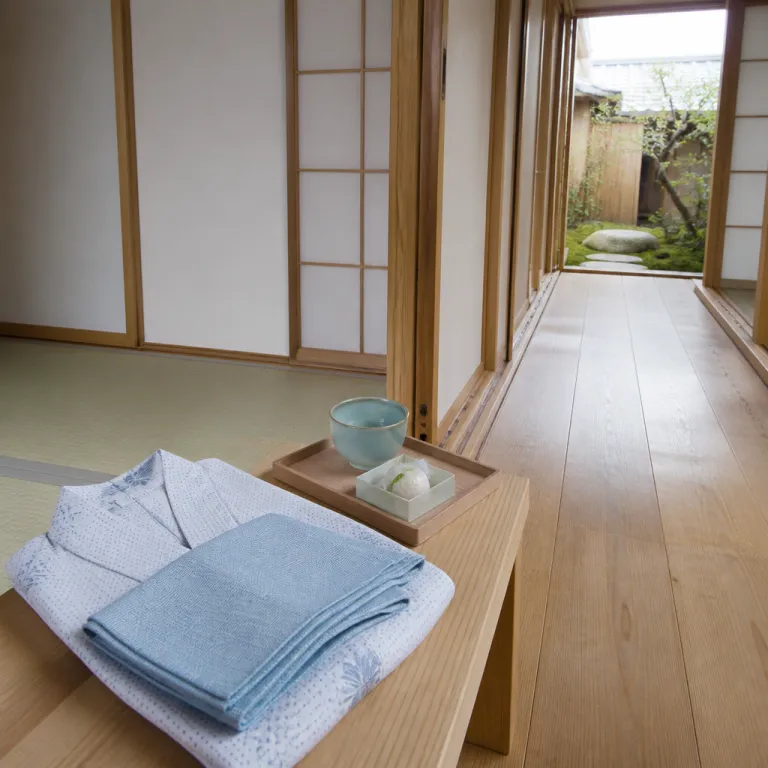
Why a ryokan in Gion is the most atmospheric Kyoto stay
Choosing a ryokan in Gion places you inside Kyoto’s most evocative streets. This historic entertainment quarter grew around Yasaka Shrine and still feels like a living stage for traditional Japanese culture. For guests planning a refined Kyoto stay, a traditional inn in Gion offers a quieter, more intimate alternative to a conventional hotel elsewhere in the city.
Staying in Gion means you sleep just a short walk from lantern lit lanes, wooden machiya townhouses, and teahouses where geiko still perform. Many Gion properties sit within easy walking distance of the Kamo River, so you can enjoy a calm riverside stroll before returning to your tatami mats and futon. Compared with a stay in Tokyo, nights spent in this part of Kyoto feel slower, more ceremonial, and deeply rooted in local history.
Traditional Japanese inns in Gion typically offer fewer rooms than a large hotel, which allows the front desk team to focus on each guest. This intimacy is one reason Kyoto ryokan stays attract visitors seeking the best balance between comfort and cultural immersion. When you choose a Gion address, you are also supporting local artisans, culinary experts, and cultural guides who help preserve the city’s heritage.
Historic landmarks around Gion that shape your ryokan experience
Every stay in Gion is framed by the historic landmarks that surround you. Yasaka Shrine stands at the eastern edge of the district, and many inns are only a few minutes’ walk from its vermilion gates. When guests step out from their rooms at dawn, they can enjoy a quiet walk through the shrine grounds before the city fully wakes.
Shiraume Ryokan, for example, sits beside the Shirakawa canal in the heart of Gion, and its location lets you move easily between preserved alleys and nearby temples. From this kind of Kyoto ryokan, you can walk to Maruyama Park, Chion-in, and the stone paved Ninenzaka and Sannenzaka slopes that lead toward Kiyomizu-dera. These routes turn a simple overnight stay into a sequence of small, memorable encounters with traditional architecture and seasonal nature.
Historic landmarks also influence how a luxury hotel or ryokan in Kyoto designs its services. Many properties near Yasaka Shrine or along Hanamikoji Street arrange private tea ceremony experiences, allowing guests to enjoy matcha in a tatami room that echoes the aesthetics of local teahouses. If you appreciate heritage rich stays, consider combining Gion with another historic hot spring town by studying a refined guide to luxury onsen stays in Atami, such as staying at Furuya Ryokan in Atami, which shows how traditional hospitality can adapt to different regions of Japan.
Inside a Gion ryokan: rooms, rituals, and refined service
Stepping into a Gion ryokan feels very different from entering a modern hotel lobby. You remove your shoes at the front entrance, then the front desk staff guide you to your room while explaining house customs with calm precision. This ritual sets the tone for a Kyoto stay that values quiet, attentive service over spectacle.
Guest rooms usually feature tatami mats, shoji screens, and low tables, with futons laid out each evening by staff while you enjoy dinner or a bath. Many Gion houses offer both traditional Japanese rooms and a few hybrid rooms with beds, which suits guests who want cultural immersion without sacrificing sleep preferences. In both cases, the best properties in the city balance heritage details with discreet modern comforts such as climate control, Wi-Fi, and well designed bathrooms.
Service at a Kyoto inn is highly personalized, especially in smaller Gion establishments where there are fewer rooms to manage. Staff will often remember your tea preferences, arrange luggage storage before check in, and help plan a walk to nearby landmarks such as Yasaka Shrine or the Kamo River. One manager described their approach simply: “We try to anticipate the next question before the guest needs to ask.” For travelers comparing different styles of high end accommodation in Japan, it can be helpful to read about unique luxury hotels that blend art, tradition, and modern elegance, then decide how deeply you wish to lean into the Gion style of hospitality.
How to choose the best Gion ryokan for your Kyoto stay
Selecting the best option starts with clarifying how you like to travel. If you want an immersive Kyoto stay with elaborate kaiseki dinners and in depth cultural activities, focus on a traditional inn that includes half board and on site experiences. Travelers who prefer to explore the city’s restaurants at night might choose a Gion property that offers breakfast only, using hotel style flexibility to enjoy different dining rooms around town.
Location matters greatly in Gion, because a few extra minutes of walking can change how easily you reach key sites. Properties close to Yasaka Shrine and Hanamikoji Street place you in the liveliest part of Kyoto, while inns near the Shirakawa canal feel more secluded and romantic. When you read descriptions, look for clear references to walking time from tram or bus stops, as this will shape how convenient your stay becomes.
Specific names can guide your research, even if you ultimately book through a luxury and premium hotel platform. Gion Ryokan Q-beh offers a more budget conscious way to experience traditional Japanese rooms, while Gion Misen presents itself as a hotel with a Japanese ambiance that suits guests who want modern design near historic streets. For travelers who enjoy combining city stays with nature rich retreats, consider pairing your nights in Gion with refined onsen stays in Takayama, using a curated guide to hot spring elegance in Japan’s mountain towns to plan the rest of your itinerary.
Practicalities: front desk support, luggage storage, and city logistics
Behind the serene atmosphere of a Gion ryokan lies a very practical operation. The front desk team usually speaks at least basic English, and they will help with restaurant reservations, taxi bookings, and directions across Kyoto. Many inns also coordinate luggage transfers between Kyoto and Tokyo, which allows guests to walk the streets unburdened while their suitcases travel separately.
Luggage storage is a key service to confirm before you book any Gion accommodation. If you arrive in Kyoto early, a property that offers secure storage lets you enjoy a full day of sightseeing before your room is ready. The same applies on departure day, when leaving bags at the front desk means you can stay in the city until evening, then collect your belongings and continue to another destination.
Transport logistics also influence which address will suit you best. Some Gion properties sit on quiet side streets that require a short walk from the nearest bus stop, while others stand directly on main avenues that taxis can reach easily. When comparing options on a luxury booking website, study maps carefully, read how many minutes of walking separate each property from train stations, and consider how this aligns with your own pace and mobility.
Cultural etiquette: making the most of traditional Japanese hospitality
Respecting etiquette is central to enjoying a stay in Gion. Before entering your room, you remove shoes and step onto tatami mats in socks or provided slippers, which protects the flooring and signals a shift into a calmer, more private space. Staff will usually explain how to wear yukata robes, where to place luggage, and how to use shared baths so that guests feel confident rather than uncertain.
Many Kyoto ryokan properties in Gion offer cultural activities that deepen your connection to the city. A guided tea ceremony in a traditional Japanese room teaches you how each gesture reflects centuries of refinement, while walking tours around Yasaka Shrine and nearby alleys reveal stories that most casual visitors miss. When you participate fully, your stay becomes less about checking landmarks and more about understanding why this part of Japan has shaped national identity for so long.
Local tourism organizations emphasize that guests should “Book in advance, especially during peak seasons, respect ryokan customs such as removing shoes indoors, and try the traditional kaiseki meals offered.” These simple guidelines help visitors align with the rhythm of a Gion inn, where meals, baths, and quiet hours follow a considered pattern. If you carry this respect onward to other regions, whether you remain Kyoto side, visit Tokyo, or explore rural onsen towns, you will find that Japanese hosts respond warmly to travelers who value their traditions.
Key figures on Gion and Kyoto ryokan stays
- Industry and tourism sources indicate there are hundreds of ryokan and small traditional inns across Kyoto, which means travelers can choose from a wide range of stays at different price points.
- According to surveys by Japanese hospitality associations, the average nightly rate for a ryokan stay in Kyoto is often in the region of 200 USD, placing many Gion properties in the premium but still accessible segment compared with top tier hotels.
- Recent data from the Kyoto Tourism Association shows that foreign guests account for a substantial share of ryokan stays in the city, underlining how international travelers increasingly value immersive cultural experiences over standard hotel stays.
- Because many Gion properties have fewer rooms than large hotels, advance bookings are essential during cherry blossom and autumn foliage seasons, when occupancy rates approach full capacity across Kyoto.
FAQ about staying in a ryokan in Gion
What is a ryokan and how does it differ from a hotel ?
A ryokan is a traditional Japanese inn featuring tatami rooms and communal baths. Compared with a hotel, a Kyoto ryokan in Gion usually includes set meal times, more formal etiquette, and rooms designed around futons rather than Western style beds. Guests who value ritual, quiet, and close contact with staff often find a stay here more memorable than a standard city hotel.
Are ryokans in Gion expensive compared with other Kyoto stays ?
Prices vary widely, but many Gion properties sit in the mid to upper range of Kyoto stay options. Are ryokans expensive ? Prices vary; budget options are available, especially in Gion. When you factor in multi course dinners and breakfasts that are often included, a traditional Kyoto inn can offer strong value compared with booking a luxury hotel and separate restaurant meals.
Do Gion ryokans accommodate dietary restrictions during kaiseki meals ?
Most Kyoto ryokan kitchens can adapt kaiseki menus for allergies, religious needs, or vegetarian preferences if informed early. Do ryokans accommodate dietary restrictions ? Many offer options; it's best to inform them in advance. When booking a Gion property through a premium platform, always add detailed notes and confirm again with the front desk by email before your stay.
Is Gion a better base than Tokyo for first time visitors to Japan ?
Gion in Kyoto offers a concentrated experience of traditional Japanese culture, with easy access to temples, shrines, and preserved streets. Tokyo excels for contemporary art, dining, and nightlife, while a stay in Gion focuses on history, ceremony, and slower walks through atmospheric alleys. Many travelers combine both, starting with a few nights in a ryokan to ground themselves in heritage before moving to a hotel in Tokyo for a contrasting urban experience.
How far in advance should I book a Gion ryokan during busy seasons ?
For peak cherry blossom and autumn foliage periods, aim to secure your reservation several months ahead, especially for properties with limited rooms near Yasaka Shrine. Because many Kyoto ryokan houses are small, last minute availability can be scarce even on large booking websites. Early planning also gives you time to arrange tea ceremony sessions, private guides, and luggage transfers that will elevate your overall Kyoto stay.