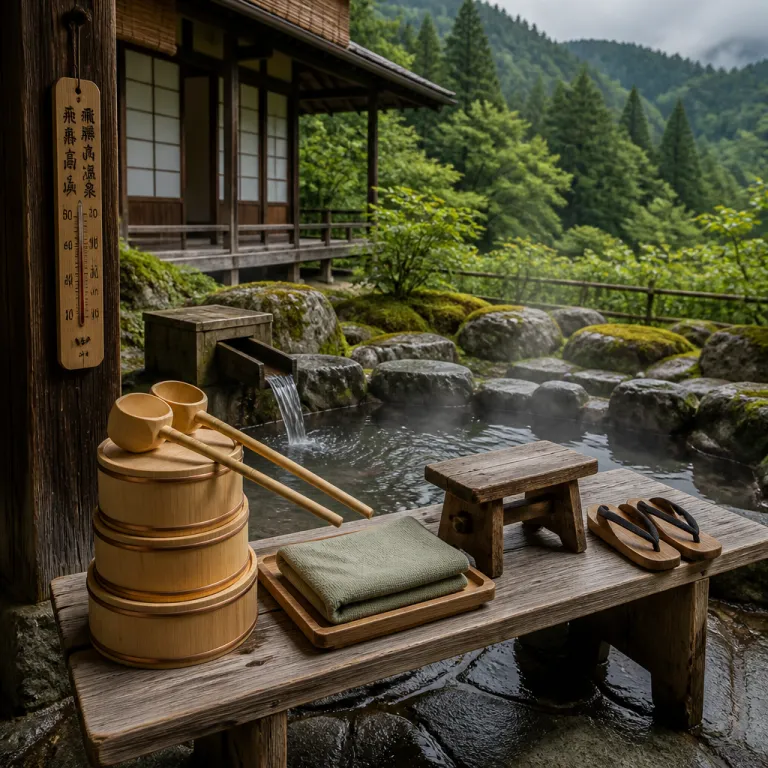
Why onsen Takayama Japan is ideal for refined mountain escapes
Takayama in central Japan offers a rare balance of hot spring serenity and preserved town character. In this compact Hida region hub, you can enjoy onsen Takayama experiences that feel both intimate and deeply rooted in local culture. The combination of Hida Takayama mountain scenery, traditional streets, and refined hotel service makes this town a natural choice for luxury travelers.
Set in northern Gifu, Takayama town sits close to the Japanese Alps and benefits from mineral rich spring water that feeds several onsen Gifu facilities. These hot spring sources supply onsen ryokan properties, premium hotels, and independent houses with indoor baths and open air baths that frame forested slopes. For guests who value privacy, many hotels now feature baths private to each suite, allowing you to enjoy hot spring rituals without leaving your own style rooms.
From Takayama station, most leading hot spring hotels lie only a few minutes away by taxi or local bus. This short transfer time means you can step off the train and be in a steaming air bath or soaking in open air spring baths before your luggage has even cooled. For travelers planning a wider onsen Takayama Japan itinerary, Takayama also works as a base for day trips into the Hida mountains and the Shinhotaka Onsen area, where ropeways, riverside baths, and quiet forest walks extend the experience beyond town.
Choosing between luxury hotel and traditional onsen ryokan in Takayama
Staying in a luxury hotel in Takayama town gives you polished service, multilingual concierges, and western style comforts. Many of these hotels integrate Takayama onsen facilities directly into their wellness floors, with large indoor baths and landscaped open air baths that overlook the Hida hills. If you prefer familiar bedding and flexible dining, these western style rooms with access to hot spring areas can be ideal.
A traditional onsen ryokan in Hida Takayama offers a different rhythm, centered on tatami style rooms, kaiseki dinners, and slow bathing rituals. Here, the focus is on seasonal cuisine such as marbled Hida beef, quiet corridors, and spring baths that may be shared or fully private depending on your booking. Some Japanese western hybrid properties now blend futon and bed setups, creating Japanese western style rooms that suit couples or families who want both authenticity and comfort.
When comparing options in onsen Takayama Japan, consider how you like to move through your day and evening. If you want structured rituals and in house dining, a ryokan with baths private to each room or reserved time slots in open air baths will suit you well. Travelers who plan to visit other hot spring regions later can use Takayama as a reference point, comparing service levels, room categories, and bathing styles across different onsen towns in Japan.
Signature onsen experiences: from Takayama Green Hotel to Hirayuno Mori
Among full service properties, Takayama Green Hotel stands out for travelers who want variety in their hot spring routine. This hotel offers two distinct onsen experiences, including open air baths that use natural spring water and indoor pools framed by stone and timber. Guests can move between different air baths and indoor baths, adjusting water temperature and atmosphere to match their mood.
For a more focused bathing experience, Hirayuno Mori operates as a dedicated onsen facility rather than a full hotel. It offers indoor and outdoor baths, private baths, and a sauna, giving you the freedom to book baths private to your group while still enjoying shared spring baths if you wish. Many visitors pair a stay in central Takayama town with an afternoon at Hirayuno Mori, using a short bus ride to reach this quieter hot spring house in the hills, where the scent of cedar and the sound of nearby streams add to the sense of retreat.
Shinhotaka Onsen, set deeper in the Northern Alps, appeals to travelers who want dramatic mountain views with their hot spring rituals. Here, open air baths often sit close to rivers or forests, and the air feels noticeably cooler than in Takayama station’s lowland area. One guest described watching snow fall into the steaming pool while the ropeway cabins glided overhead, a contrast they later compared with stays in other classic hot spring resorts when deciding how many nights to allocate to each region.
Practical planning: access, timing, and etiquette for onsen Takayama Japan
Reaching Takayama is straightforward, which matters when you are carrying luggage and planning premium stays. From Nagoya, the limited express train runs directly to Takayama station, and many hotels sit within ten to fifteen minutes on foot or a short bus ride. This compact layout means you can check in quickly, change into loungewear, and be in a hot spring bath before evening.
Once in town, you will find that Takayama onsen facilities range from hotel based baths to independent houses with day use options. Public baths, private baths, and hotel facilities all rely on natural hot springs, and many integrate saunas or semi open air baths to create variety. Local tourism boards and hotel associations have encouraged an innovation trend where traditional wooden interiors now sit alongside modern air conditioning and refined lighting, so you enjoy both heritage and comfort.
Etiquette remains central to every onsen Takayama experience, especially in shared spring baths. You must wash thoroughly before entering any bath, keep towels out of the water, and respect quiet conversation levels in both indoor and open air spaces. Policies on tattoos vary; official guidance from regional tourism offices notes that “Policies vary; some allow with conditions.”, so always check with your chosen hotel or onsen ryokan before arrival and be ready to use a private air bath or baths private to your room if needed.
Immersing in Takayama town: Edo period streets, Hida beef, and mountain air
Beyond the baths, Takayama town rewards slow exploration between soaks. The preserved streets of the old quarter echo the Edo period, with dark timber facades, sake breweries, and merchant houses that now host galleries and refined cafés. Walking these lanes in the cool mountain air before returning to your hot spring hotel creates a rhythm that many guests remember long after their trip.
Culinary experiences are another highlight of any stay in Hida Takayama, especially for travelers who appreciate regional beef. Many onsen ryokan and luxury hotels serve Hida beef in multi course dinners, pairing grilled cuts with seasonal vegetables and local sake, while some western style restaurants in town offer Hida beef burgers or steaks. Choosing style rooms that include half board can be worthwhile here, because you enjoy both elaborate dinners and relaxed breakfasts without leaving the property.
Daytime, you might take a bus from Takayama station to nearby villages or trailheads, then return to your hotel for an evening air bath under the stars. Some guests prefer to book Japanese western rooms so they can sleep in beds yet still sit on tatami for tea before heading to the spring baths. If you are planning a broader rural itinerary, reading about a refined riverside ryokan with onsen in rural Japan can help you compare how Takayama’s mountain town atmosphere differs from more secluded hot spring valleys.
How to choose the right room and bath style for your stay
Selecting the right room category in onsen Takayama Japan can transform your experience from pleasant to exceptional. Many hotels now offer a spectrum of style rooms, from compact western style doubles near Takayama station to expansive suites with open air baths on private terraces. If you value quiet mornings and unhurried evenings, consider rooms that include an in room air bath or direct access to semi private spring baths.
Traditional onsen ryokan properties in Hida often feature tatami rooms with sliding doors, low tables, and futons that staff set out after dinner. Some have evolved into Japanese western hybrids, where one part of the room holds beds while another retains tatami and shoji screens, giving you flexibility without losing atmosphere. In these spaces, baths private to each room may be smaller than communal open air baths, but they offer unmatched privacy for couples or families who prefer to bathe together.
For travelers who enjoy variety, a property such as Takayama Ouan illustrates how a single hotel can offer multiple bathing options. Guests can rotate between large communal hot spring baths, rooftop open air baths with views over Takayama town, and smaller baths private to individual time slots. When you combine this with refined service, fresh mountain air, and easy access by bus or on foot from Takayama station, you gain a stay that feels both logistically simple and emotionally restorative.
Key figures for onsen stays in Takayama
- As of 2024, Takayama hosts several dedicated onsen facilities, according to Discover Onsen and local tourism listings, which sit alongside numerous hotels and ryokan that also use local spring water.1
- The typical entry fee for a stand alone hot spring bath visit in Takayama is often in the mid hundreds of JPY per person, based on Discover Onsen data collected in 2023 and sample price checks, making day use bathing an accessible add on to a luxury hotel stay.1
- Onsen experiences in Takayama operate year round, so you can enjoy hot spring baths in both snowy winters and mild shoulder seasons without major closures.
- Local tourism initiatives that promote public baths, private baths, and hotel facilities have been designed to enhance visitor satisfaction while supporting the regional economy of Hida and Gifu.
1 Figures are indicative and may change; always confirm current details with local tourism offices, Discover Onsen, or individual facilities before you travel.
FAQ about luxury onsen stays in Takayama
Are tattoos allowed in Takayama onsen facilities ?
Policies differ between hotels, ryokan, and independent hot spring houses in Takayama. Some onsen Gifu properties accept small tattoos if they are covered with patches, while others may restrict access to shared spring baths. Always confirm in advance and, if needed, reserve baths private to your room or book a private air bath session.
Do I need to book onsen visits in advance ?
For hotel guests, access to in house hot spring baths is usually included without separate reservations. However, some properties require advance booking for private baths or time slots in rooftop open air baths, especially during peak weekends. Independent facilities such as Hirayuno Mori may also request reservations for private rooms or group use, so checking ahead avoids disappointment.
Are there onsen facilities within hotels in Takayama ?
Several leading hotels in Takayama town integrate full onsen zones into their wellness floors. Takayama Green Hotel, Takayama Ouan, and other premium properties offer a mix of indoor pools, open air baths, and sometimes saunas that all use natural spring water. Choosing a hotel with in house hot spring facilities allows you to bathe multiple times a day without leaving the building.
What is the best season to enjoy onsen Takayama Japan ?
Onsen experiences in Hida Takayama are available throughout the year, and each season offers a distinct mood. Winter brings snow framed open air baths and crisp mountain air, while spring and autumn pair mild temperatures with cherry blossoms or foliage in Takayama town. Summer stays can be refreshing too, as cooler evenings in the hills make hot spring bathing comfortable after daytime excursions.
How long should I stay in Takayama for a luxury hot spring trip ?
For a focused onsen Takayama itinerary, two nights allow you to sample multiple baths, explore the Edo period streets, and enjoy at least one Hida beef dinner. Travelers combining Takayama with Shinhotaka Onsen or other Gifu hot spring areas often extend to three or four nights to balance relaxation and sightseeing. If you are pairing Takayama with other renowned hot spring regions such as Hakone or Kyushu, consider allocating similar durations to each to compare different styles of onsen ryokan and hotel service.
Trusted sources for further reading
- Japan National Tourism Organization (JNTO)
- Gifu Prefecture official tourism website
- Takayama City official tourism information