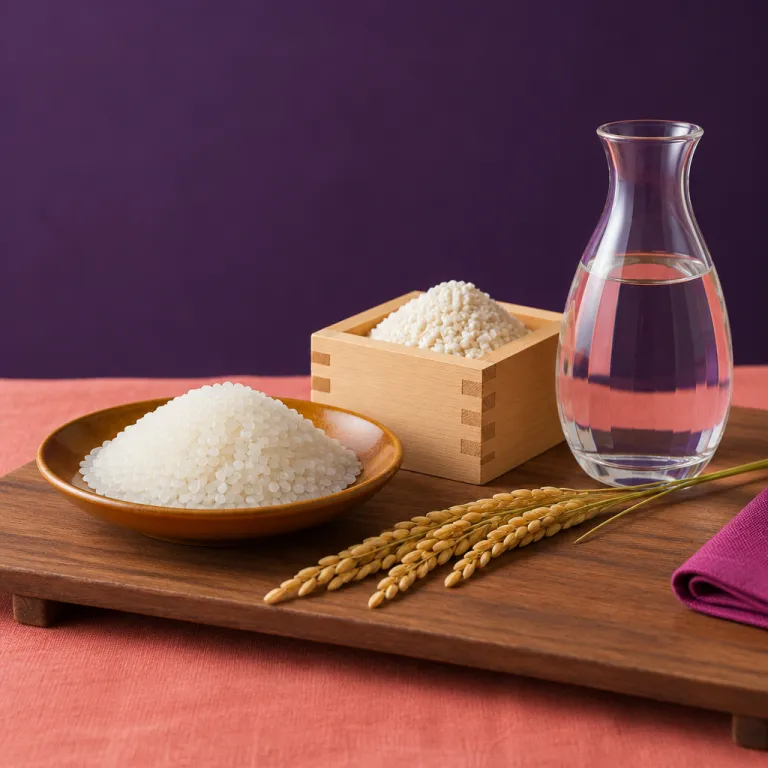
Why sake lists now define the serious luxury hotel in Japan
In japan, the most interesting luxury hotel dining rooms now treat sake with the same gravity once reserved for wine. For couples planning luxury travel, the depth of a property’s sake pairing program quietly signals how committed it is to regional cuisine, japanese culture and genuinely local sourcing. When you compare hotel options across kyoto, osaka or a remote island, the sake list often reveals more about the soul of the place than the size of the guest rooms.
For years, international guests associated japan luxury with whisky bars, French wine cellars and dramatic rooftop cocktail lounges. Today, the most forward looking hotel and hotel ryokan teams are building sake tasting flights, multi course pairing menus and collaborations with a nearby sake brewery to express their location through the glass. When you plan to travel japan for a romantic stay, asking about sake pairing options is now as essential as checking whether there is an onsen or open air hot spring.
At a serious japanese luxury hotel, sake is no longer a single chilled bottle placed next to kaiseki or modern tasting menus. Instead, carefully selected labels are mapped to specific dishes, temperatures and vessels, turning the dining experience into a quiet masterclass in taste japan and regional japanese culture. Couples who care about food quickly realise that a thoughtful sake program separates a generic hotel from a destination hotel ryokan where japanese hospitality feels precise, personal and rooted in place.
From rice fields to glass: terroir, toji and regional japan
Understanding sake at a luxury hotel in japan starts with geography, because rice, water and climate shape every bottle. A knowledgeable kikizakeshi, the certified sake sommelier, will talk about the toji, or master brewer, with the same respect a sommelier gives a Burgundy producer, explaining how a coastal island brewery differs from one in the mountains near kyoto. When guests hear these stories during sake tasting, the drink stops being an abstract rice wine and becomes a direct line to local fields, hot springs and seasonal cuisine.
In kansai, many hotel ryokan properties highlight labels from kyoto and osaka, pairing them with kaiseki that leans on river fish, mountain vegetables and traditional japanese pickles. Down in fukuoka and northern Kyūshū, a luxury hotel might focus on richer, umami driven sake that stands up to hot dishes, grilled seafood and pork, reflecting the region’s bolder cuisine and humid climate. When couples travel japan with an interest in regional flavors, these carefully selected lineups turn dinner into one of the most memorable cultural experiences of the trip.
Even the water from a nearby hot spring can influence how a local sake brewery thinks about texture and minerality. Some onsen resorts quietly reference this connection, serving a soft, rounded junmai in open air rotenburo areas as an aperitif before guests change into yukata and move to the guest rooms or dining hall. If you want a deeper primer on how japanese hospitality uses everyday rituals to explain the country, read this guide to the luxury ryokan breakfast tray and what it reveals about japan.
Pairing sake with kaiseki and modern tasting menus
For couples booking a luxury hotel in japan, the real magic happens when sake pairing is woven through a full kaiseki or contemporary multi course menu. A skilled kikizakeshi will often start with a light, aromatic ginjō served slightly chilled, matching the first zensai appetisers and sashimi with glassware that narrows the aroma and keeps the texture crisp. As the meal moves into grilled, simmered and hot dishes, temperatures rise, vessels change and the sake becomes richer, echoing the rhythm of traditional japanese dining.
Temperature is choreography, not an afterthought, in serious sake tasting programs at japan luxury properties. You might begin with a cool pour in a thin wine glass, shift to room temperature in a small ceramic cup, then finish with a gently warmed sake in a heavier guinomi that feels almost hot against your fingers. This progression allows guests to taste japan in layers, noticing how the same label can feel delicate with sashimi yet powerful alongside a slow simmered course or a dish cooked over charcoal.
Glassware and ceramics matter as much as the sake itself, especially in hotel ryokan dining rooms that work closely with local artisans. Some luxury travel couples choose properties specifically for this level of detail, where each pour is carefully selected to match not only the food but also the plate, the season and even the view from the rooms. If you are planning a special occasion stay, look for hotels that offer a dedicated sake pairing menu in both their main restaurant and more intimate bar, then compare those options with the curated suites highlighted in our guide to luxury hotel suites in japan and their most refined experiences.
The rise of the hotel sake sommelier and what to ask for
Many of the most interesting luxury hotels in japan now employ a dedicated sake sommelier, or kikizakeshi, who moves between the bar, the main restaurant and private guest rooms. This role sits at the intersection of japanese hospitality and beverage expertise, translating a complex sake list into a relaxed, confident dining experience for international guests. When you travel japan as a couple, learning how to use this person well can transform one dinner into the highlight of your stay.
Start by sharing your usual wine preferences, then ask the kikizakeshi to suggest a sake pairing flight that mirrors those profiles across a multi course menu. If you like crisp white wines, they may propose a series of light, aromatic labels from a nearby sake brewery, served cool with sashimi and seasonal vegetables, before moving into fuller bodied pours for grilled or hot dishes. Red wine drinkers often enjoy richer, umami forward sake served slightly warm, especially when the cuisine includes charcoal grilled meat or deep flavored broths.
Do not hesitate to request a mini sake tasting before committing to a full bottle, particularly in michelin starred dining rooms where the list can feel intimidating. A good kikizakeshi will offer carefully selected options at different price points, explain the toji’s philosophy and suggest whether to enjoy each pour in an open air terrace bar, a private tatami room or the main dining space. This kind of guidance is where japan luxury hospitality excels, turning what could be a technical lesson into one of the most relaxed cultural experiences of your trip.
From farm to onsen: how sake programs express place and craft
The most compelling sake programs in japan luxury hotels are now aligned with a broader farm to table movement that prioritises regional producers, seasonal ingredients and traditional japanese craft. Properties such as hoshinoya and other high end hotel ryokan brands increasingly frame their sake lists as an extension of the landscape, highlighting breweries that share the same water sources as the local onsen or hot springs. For couples who value authenticity, this alignment between sake, cuisine and location turns a simple dinner into a layered exploration of japanese culture.
In mountain resorts, you might soak in a hot spring before dinner, then drink a junmai from a nearby valley where snowmelt feeds both the rice fields and the baths. Coastal hotels on an island often feature sake that pairs naturally with seafood, served in guest rooms with open air balconies or in a bar that overlooks the harbour lights. When a property explains these connections clearly, guests understand that sake pairing is not a gimmick but a way to taste japan through its water, rice and seasons.
This focus on craft extends beyond the glass, as many luxury travel properties now collaborate with regional artisans for ceramics, lacquerware and even spa products. If you are interested in how deep these partnerships can go, read our feature on craft collaborations in japanese luxury hotels and long term makers, which shows how the same philosophy shaping a sake list can also guide a spa menu. When you choose a hotel that treats sake, onsen water and local craft as one continuous story, every part of your stay feels quietly, confidently rooted in place.
How to choose a sake focused luxury hotel in Japan
When you search for a sake pairing luxury hotel in japan, start by reading the restaurant pages as carefully as you study the rooms. Look for mentions of a dedicated kikizakeshi, collaborations with a local sake brewery and multi course pairing menus that change with the seasons. Properties that highlight sake tasting experiences alongside onsen access, hot spring views or open air baths usually take their overall japanese hospitality seriously.
Next, pay attention to how the hotel describes its cuisine and cultural experiences, because vague language often signals a generic offering. Strong candidates will specify whether they serve kaiseki rooted in traditional japanese techniques, a michelin starred tasting menu or a more relaxed izakaya style bar, then explain how sake pairing is integrated into each format. When a property can articulate why certain labels were carefully selected for particular dishes, you know the program is more than a marketing line.
Finally, consider the broader context of your travel japan itinerary and how sake fits into it. A remote hotel ryokan near kyoto or fukuoka might offer deeper immersion, while a city hotel in osaka could balance serious sake lists with easy access to nightlife and street food. Either way, choosing a place where the sake list is treated as a destination pour ensures that every evening, whether in guest rooms, at the bar or beside a hot onsen, becomes part of a coherent, quietly luxurious story.
FAQ
How do I know if a hotel takes its sake program seriously ?
Look for a named kikizakeshi or sake sommelier, detailed descriptions of pairings on the restaurant page and references to specific regional breweries. Hotels that offer sake tasting flights, multi course pairing menus and collaborations with local producers usually treat sake as a core part of the dining experience. If staff can explain temperature choices, vessels and the toji’s philosophy, you are in good hands.
Is sake pairing only available in michelin starred restaurants ?
No, many high end hotel and hotel ryokan properties without michelin starred status now offer thoughtful sake pairing menus. The key is whether the kitchen and beverage team work together to match labels with each course, not the presence of a star. Some of the most memorable pairings happen in intimate dining rooms attached to onsen resorts or island retreats.
Can I enjoy sake pairing if I usually prefer wine ?
Yes, a good kikizakeshi will translate your wine preferences into sake styles, suggesting light, aromatic options for white wine drinkers or richer, umami forward labels for red wine fans. Many guests who travel japan expecting to focus on wine end up preferring sake with japanese cuisine, especially kaiseki. Starting with a small tasting flight is an easy, low risk way to explore.
What should couples ask for when booking a sake focused stay ?
When reserving, ask whether the hotel offers a dedicated sake pairing menu, private tastings in guest rooms or bar counter experiences with the sommelier. Clarify if the program highlights local breweries connected to the onsen water or region, which deepens the sense of place. If you are celebrating, request a customised flight built around your favourite flavours or a particular multi course dinner.
Are onsen and sake ever combined in one experience ?
Some luxury hotels and ryokan near hot springs offer pre dinner or post bath sake in relaxation lounges, gardens or open air terraces, though drinking directly in the onsen water is usually discouraged. These settings allow you to feel the connection between hot spring sources, local rice fields and the sake in your glass. Always follow the property’s guidelines to balance enjoyment with safety and etiquette.