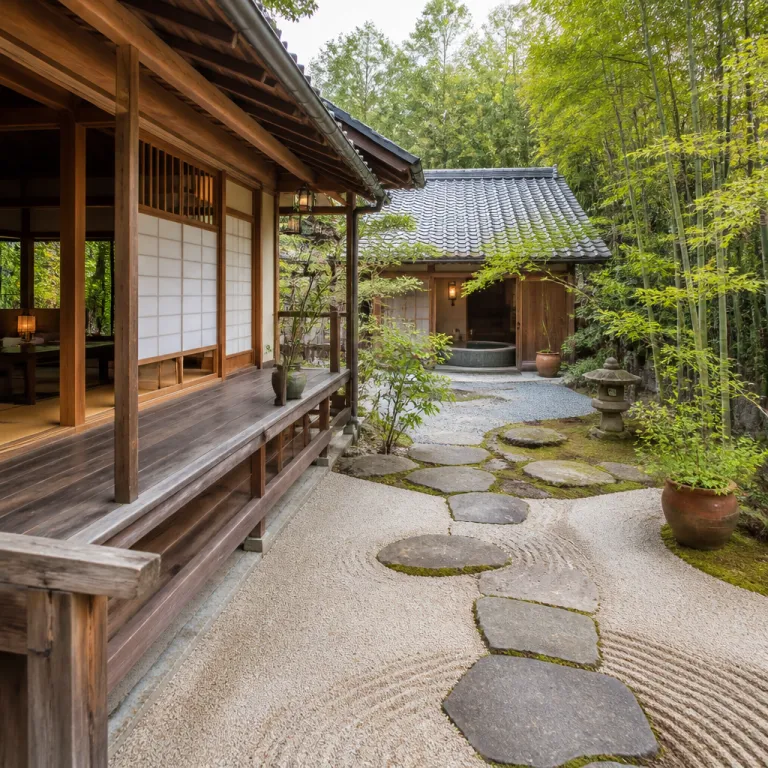
How to read “best hotels Japan” without falling for the ranking trap
Search for the best hotels Japan can offer and you meet lists, stars and glossy photos. Real luxury in Japan starts where those lists end, in the quiet gap between a polished lobby and the first moment a japan guest feels genuinely recognised. When you compare hotels in Tokyo, Kyoto or Osaka, the first question should be simple yet demanding ; does this place feel designed for algorithms or for human attention.
Across hotels Japan wide, marketing leans on skyline shots, a dramatic view and a familiar roster of names such as Aman Tokyo, Mandarin Oriental or a Ritz Carlton address in central Tokyo Japan. These properties can be excellent, but a great hotel Tokyo stay is never guaranteed by a brand alone, so you need a framework that cuts through the noise and lets you filter hype from substance. Our ongoing mystery guest audits across japan show that the best hotels Japan wide share one trait ; they treat every room as a private world, not a unit in an inventory.
That is why myjapanstay.com evaluates each hotel using methods usually reserved for professional hospitality consultants, from structured review check analysis to on site facility inspections. We work with tourism boards and travel agencies, and we integrate AI tools to read thousands of guest comments for patterns in service, not just star ratings. The goal is clear and measurable ; provide travelers with reliable information so that when you finally book a room, you know exactly which details matter and which are just decorative language.
The texture of omotenashi: service that goes beyond scripted smiles
In the best hotels Japan has refined over decades, omotenashi is not a slogan but a choreography of small, almost invisible gestures. Authentic japanese hospitality shows in how staff remember your tea preference, how customer service handles an early check request, and how a night manager quietly adjusts your pillow choice without fanfare. When you stay at a high floor view hotel in Tokyo Japan, the real test is not the panorama but whether someone notices you returned from an onsen visit slightly chilled and offers tea before you ask.
Our mystery guest audits across hotel Tokyo properties, from Aman Tokyo to JW Marriott Tokyo and Bulgari Tokyo, repeatedly show that genuine service is defined by anticipation rather than performance. One of the core findings from our evaluation work is simple and non negotiable ; “How to identify genuine hotel quality? Look beyond marketing; assess service consistency and guest reviews.” That means reading beyond a single glowing review check and instead scanning for patterns in how a hotel handles late arrivals, special diets, or a complicated early check situation after a delayed flight.
In Osaka Japan, at newer luxury openings such as Patina Osaka or an established hotel Osaka address along the river, we look closely at staff to room ratios and how many interactions feel naturally paced rather than rushed. A high staff count means little if no one has time to walk you through onsen etiquette or explain the difference between a western room and a traditional ryokan style suite. When you next book hotels in japan, pay attention to how quickly the reservation team responds, how clearly they explain availability rates, and whether they offer to check availability at sister properties if your dates are tight.
Rooms, ratios and the quiet power of breakfast
Star ratings tell you almost nothing about how a room will feel at 06.00 after a long haul flight. The best hotels Japan wide understand that a room is not just square metres and a view but a carefully tuned environment where light, acoustics and textiles work together. When you compare a hotel Kyoto suite to a ryokan room in the hills above Kyoto Japan, ask yourself whether the layout encourages rest or forces you to work around awkward furniture.
Our evaluation checklists for hotels Japan wide focus on three ratios that matter more than any marketing headline ; staff to room, room count to public space, and breakfast quality to price night. A smaller japan property with fewer rooms and a generous lounge can feel more spacious than a huge tower, especially when you can filter your shortlist by these structural details rather than only by nightly rates. When you review check a property, look for mentions of how crowded breakfast feels, how long guests wait for eggs or miso soup, and whether the buffet matches the advertised offers.
In Kyoto Japan, we often compare a central hotel Kyoto stay with refined apartment style options in quieter districts such as Nishinokyo Enmachi, where an urban retreat guide can help you judge space and privacy. A ryokan near an onsen village may offer fewer amenities on paper but deliver a better breakfast to price night balance, especially when seasonal produce is treated with respect. When you book any room, from a minimalist suite in Tokyo to a tatami floored space in Kyoto, always read the fine details on bed type, blackout curtains and ventilation before you check availability.
Location intelligence: why the quiet street often wins in Tokyo, Kyoto and Osaka
Many travelers searching for the best hotels Japan can provide start by anchoring on landmarks, whether Shibuya Crossing, Gion or Osaka Castle. A more reliable approach is to think in neighbourhoods and daily rhythms, asking how you will move through the city and where you want to return at night. In Tokyo Japan, a hotel Tokyo address slightly removed from the busiest stations can offer calmer streets, better sleep and a more nuanced view of local life.
Take Aman Tokyo as an example of an urban retreat that floats above the city yet connects easily to business districts and quieter residential pockets. Its design shows how a high rise view hotel can still feel like a ryokan inspired refuge, with an onsen style bath and a lobby that absorbs noise rather than amplifies it. When you compare such a property to another hotel in tokyo japan that leans heavily on nightlife access, ask whether the trade off in noise and crowding is worth a marginally shorter commute.
In Kyoto Japan, the choice between a central hotel Kyoto stay near the station and a ryokan on the city’s northern edge shapes your entire trip. A riverside property may offer a softer view and easier access to morning walks, while a hillside ryokan near an onsen can turn the city into a day trip rather than a constant backdrop. Osaka Japan presents a similar puzzle ; a hotel Osaka room near Umeda is efficient for trains, but a quieter island district or riverside block can transform evenings, especially if you value walking to dinner more than shopping arcades.
How to read hotel language, rates and availability like an insider
The way a hotel describes itself often reveals more than the photos. When you scan websites for the best hotels Japan wide, pay attention to how often vague buzzwords replace concrete details about room size, onsen facilities or customer service. A trustworthy property in Japan will show clear availability rates, transparent price night ranges and precise descriptions of each room category.
On myjapanstay.com, every listing is structured so you can filter by essentials first ; neighbourhood, room type, onsen access, breakfast style and whether early check options are realistically offered or just mentioned. We always encourage readers to click through to view details carefully, not just skim the hero image or a single review check. When a hotel invites you to view details on cancellation terms, late checkout and dining reservations without hiding them behind multiple clicks, it signals confidence in its own service.
Urban retreats such as Patina Osaka or a discreet hotel Tokyo address near a major station often use language about “curated experiences” and “elevated stays”, which can mean everything or nothing. Cross check those claims against independent feedback and against how the property handles availability when a japan guest changes dates or requests an early check after a red eye arrival. For mountain or island escapes, such as a refined retreat in Karuizawa where our detailed review of a historic mountain hotel shows, the most reliable indicator is how honestly the hotel describes transfer times, seasonality and the limits of its own offers.
From sky bars to onsen wings: frameworks you can apply to any shortlist
Once you have a shortlist of the best hotels Japan can realistically offer for your dates, the next step is to apply a consistent framework. Start with three pillars ; service texture, spatial quality and daily rituals, then test each hotel in Tokyo, Kyoto, Osaka or beyond against them. This approach works whether you are comparing Aman Tokyo to Mandarin Oriental, a city Ritz Carlton to a hillside ryokan like Gora Kadan, or a lesser known island retreat with only a handful of rooms.
Service texture means asking how each japan property handles the unglamorous moments, from a late night room service order to a complicated early check request after a missed connection. Spatial quality is about more than a dramatic view ; it is about how the lobby, bar, onsen wing and corridors feel at different times of day, and whether you can move from room to restaurant without feeling funnelled through a shopping arcade. Daily rituals include breakfast, turn down service, bar culture and how staff remember your preferences, something we explore in depth in our look behind the hotel bar in Tokyo where Japanese whisky meets luxury hospitality.
Apply this framework equally to famous names and to quieter hotels Japan wide, whether you are weighing a hotel Osaka tower against a compact ryokan with an onsen courtyard. Use filters thoughtfully ; instead of sorting only by price night, combine check availability data with your own priorities for space, view and access to specific neighbourhoods. When you finally book, you are not just choosing a room but committing to a pattern of days and nights, and the best hotels in Japan are the ones whose details support the trip you actually want, not the one a marketing campaign imagines for you.
Key figures that help decode luxury hotels in Japan
- The average hotel rating in Japan stands around 4.5 stars across major review platforms, which means many hotels appear excellent at first glance, so travelers need deeper criteria than scores alone to identify the best hotels Japan can truly offer (source ; 50 Best Hotels, aggregated country data).
- Approximately 85 % of hotels in Japan report having preventive maintenance systems in place, a figure that directly influences room reliability, onsen safety and overall guest comfort during longer stays (source ; Selin Tekstil, hotel evaluation criteria data).
- Our internal audits show that properties with a staff to room ratio closer to one staff member for every one or two rooms consistently outperform larger hotels on guest satisfaction, especially in areas such as customer service responsiveness and handling of early check requests.
- Mystery guest audits, combined with structured review check analysis, have become a standard evaluation method among leading hospitality consultants in Japan, providing more unbiased insights than self reported marketing claims or single platform ratings.
FAQ: choosing the best hotels in Japan for your trip
How can I identify genuine hotel quality in Japan beyond star ratings ?
Look for consistent comments about service, cleanliness and room comfort across multiple platforms, then compare those with how clearly the hotel presents its own details. Properties that describe room layouts, onsen facilities and availability rates precisely tend to deliver more reliable experiences. As our dataset states ; “How to identify genuine hotel quality? Look beyond marketing; assess service consistency and guest reviews.”
What are the key factors to evaluate when booking luxury hotels in Japan ?
Focus on room comfort, cleanliness, service quality and amenities such as onsen access, breakfast standards and bar culture. Check how the hotel handles early check or late checkout requests, and whether customer service responds quickly and specifically. A balanced view of these elements will tell you more than a single photo of a skyline view.
Why are mystery guest audits important for assessing the best hotels Japan offers ?
Mystery guest audits simulate real stays, allowing evaluators to experience check in, room service, onsen use and checkout exactly as a japan guest would. They reveal gaps between marketing promises and actual delivery, especially in areas such as staff training and maintenance. As the dataset notes ; “Why are mystery guest audits important? They provide unbiased insights into actual guest experiences.”
How should I use availability and rates information when comparing hotels in Tokyo, Kyoto and Osaka ?
Start by using filters to align availability with your preferred neighbourhoods and room types, then compare price night figures against what is included, such as breakfast or onsen access. Transparent hotels Japan wide will show clear availability rates and flexible options rather than pushing only prepaid, non refundable offers. Always view details on cancellation policies before you book, especially during peak seasons.
Is a ryokan stay with onsen access better than a city luxury hotel for first time visitors ?
Both can be excellent, but they serve different travel rhythms. A city hotel Tokyo or hotel Osaka stay offers easier transport and dining variety, while a ryokan with onsen, such as Gora Kadan or a mountain retreat near Kyoto Japan, emphasises slow time and ritual. Many travelers combine both ; a few nights in an urban retreat, then a quieter ryokan or island stay to balance the trip.