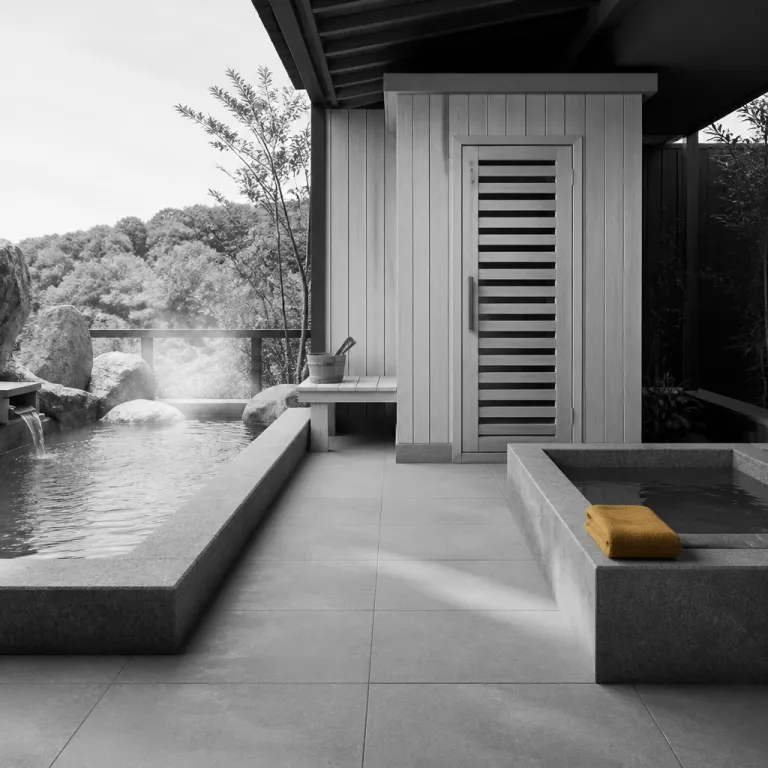
From sauna subculture to centerpiece of onsen sauna luxury in Japan
The phrase onsen sauna luxury in Japan now signals a very specific ritual. It describes a carefully paced sequence of hot immersion, intense heat, cold shock and quiet air bathing that aims to bring the body into totonou, a state of deep clarity and balance. In luxury hotels across Japan, this once niche practice has moved from underground sauna culture into the heart of serious spa and wellness programs.
Totonou literally means “to be aligned”, and in the context of an onsen or hot spring it refers to the moment when your pulse, breathing and thoughts settle into a calm, almost meditative rhythm. Guests who once booked a ryokan only for a private open air bath now ask detailed questions about sauna temperatures, cold plunge depth and how many cycles they can complete before dinner. The focus has shifted from simply enjoying hot springs to using every bath, every rest and every breath of cool air as part of a designed wellness circuit.
For solo travelers, this evolution changes how you read a hotel description in Japan. Instead of only checking whether the room has a private onsen or whether the property is in a famous onsen town, you now evaluate how the sauna, cold bath and air bath spaces are choreographed around the traditional spring baths. The most forward thinking properties in Tokyo, Kyushu and classic onsen towns like Arima Onsen or Beppu Onsen are quietly competing to offer the most coherent, restorative totonou journey.
The choreography of heat, cold and air bathing in Japanese hotels
A serious onsen sauna luxury in Japan experience follows a clear choreography. You start with a thorough wash, then move into a hot spring bath to warm the core and prepare the body for the more intense heat of the sauna. Only after this first immersion in mineral rich spring water do you step into the dry or mist sauna, where the goal is not endurance but reaching a comfortable, sustainable level of heat.
From there, the cold phase begins, which might be a dedicated plunge pool, a cold shower beside the onsen baths or even a river fed pool in some rural ryokan settings. The contrast between hot springs and cold water triggers a powerful vascular response, and repeating this cycle two or three times is what many Japanese guests consider essential for reaching totonou. The final stage is gaiki yoku, or air bathing, where you rest in a quiet lounge, terrace or open air deck, letting your body temperature normalize while you simply breathe.
Luxury hotels now design entire floors around this sequence, placing open air baths, saunas, cold baths and air baths so that movement feels intuitive rather than forced. In Tokyo, urban properties with compact footprints use clever zoning to separate noisy city energy from the silence of the onsen room and air bath lounges. For a deeper sense of how ritualized this can become in high end hospitality, read about the structured morning spa ritual at Aman Kyoto in our guide to its signature wellness routine, which shows how Japanese hotels choreograph heat, water and rest with almost ceremonial precision.
Integrating traditional spring baths with modern sauna circuits
What distinguishes onsen sauna luxury in Japan from Nordic or European sauna culture is the presence of natural hot springs. In classic onsen towns such as Arima Onsen, Beppu Onsen and smaller Kyushu villages, the mineral composition of the spring water has been studied for generations, and each ryokan builds its identity around specific spring baths. When these properties add saunas and cold plunges, they are not replacing the onsen baths but layering new experiences onto centuries of bathing knowledge.
Many high end hotels now offer both shared and private onsen options, with some rooms open to terraces that feature a private open air bath fed directly by spring water. Guests might move from a communal onsen Tokyo style bath to a dry sauna, then return to their own onsen room for a quieter, more private onsen soak before breakfast or after dinner. This integration allows solo travelers to choose between the social rhythm of shared baths and the introspective calm of onsen private spaces without sacrificing the integrity of the totonou circuit.
In Kyoto and other heritage cities, new luxury openings often sit above deep wells of spring water, which are channeled into both indoor baths and open air baths with carefully framed views. Properties that take wellness seriously design their spa menus around this water, offering treatments that complement the heat and cold sequence rather than distract from it. For a detailed example of how a full stay can be structured around repeated bathing, sauna and rest, see our analysis of a structured wellness retreat in Kyoto, where the onsen, sauna and air bath spaces shape the entire day rather than sit as an optional add on.
Booking around the bath sequence, not just the room category
For many readers of myjapanstay.com, the decision to book a luxury hotel in Japan now starts with the bathing map rather than the room list. You might still compare room sizes in square meters, check whether certain rooms open onto gardens or city views and confirm if breakfast and dinner are included, but the real question becomes how the onsen sauna luxury in Japan experience fits your personal rhythm. Solo travelers in particular often plan their entire day around when shared baths are quietest and when private onsen access is available.
When evaluating a ryokan or urban hotel, look beyond the headline promise of a hot spring and ask how many distinct baths and saunas you can realistically use in one stay. Does the property offer both indoor and open air baths, and are there dedicated air baths or relaxation lounges where you can rest between cycles without being rushed toward dinner or breakfast service. Families or guests traveling with young children will also want to read the fine print on age limits in onsen baths and saunas, then compare that with our guide to what luxury hotels actually provide for younger guests in Japan, which you can find in our article on traveling with under fives.
Another practical layer is timing your check in and check out around the busiest bathing hours, especially in popular onsen towns during peak seasons. Arriving early enough to enjoy the hot springs before dinner, then returning to the baths after the evening rush, can transform the same facilities into a far more tranquil experience. Guests who understand this often choose slightly smaller rooms if it means better access to spring baths, private onsen slots or quieter air bath terraces with a clear view of the surrounding city or mountains.
How to read wellness claims and spot a serious totonou program
Not every property using the language of onsen sauna luxury in Japan offers a genuinely thoughtful totonou experience. Some city hotels install a small sauna cabin beside a generic hot bath and call it a wellness floor, but the lack of cold plunge, air bath space or connection to spring water means the ritual never quite lands. As a traveler, your task is to read between the lines of marketing copy and identify which hotels have built a real circuit rather than a checklist of facilities.
Start by looking for clear descriptions of the heat and cold sequence, including water temperatures, whether the baths use natural hot springs and how the air baths or rest areas are arranged. A serious ryokan or urban spa will explain whether its onsen baths are fed by local springs, how many different spring baths are available and whether there are both shared and private onsen options. Pay attention to whether rooms open onto terraces with open air baths, whether there is a true cold plunge rather than only a cool shower and whether breakfast dinner timings allow enough space for unhurried bathing.
For solo travelers, the most telling sign is how staff talk about the ritual when you ask practical questions at check in. If they can explain the best times to use the onsen Tokyo style baths, how long to stay in the sauna and where to sit for quiet air bathing with good air circulation, you are likely in capable hands. Over time, you will develop your own criteria for what makes a view ryokan, a city spa or a Kyushu hot spring retreat feel genuinely aligned with the totonou philosophy, rather than simply borrowing its language.
FAQ
What does totonou feel like during an onsen and sauna session ?
Totonou usually arrives after two or three full cycles of hot spring bathing, sauna, cold plunge and quiet air bathing. Many guests describe a light, clear sensation in the head, slower breathing and a pleasant heaviness in the limbs. You should feel calm and alert rather than exhausted, which is why shorter, repeated sessions are better than one long stay in any single bath.
Do I need a private onsen room to enjoy the totonou ritual ?
A private onsen or onsen room is not essential, although it can add privacy and flexibility to your schedule. Shared onsen baths in both ryokan and city hotels are usually designed with the full heat and cold sequence in mind, including saunas, cold baths and air baths. If you are shy about communal bathing, booking at least one night with a private open air bath can help you relax into the ritual.
How should I plan meals around onsen, sauna and cold plunge sessions ?
Most Japanese properties recommend bathing before both breakfast and dinner, leaving enough time for your body temperature and heart rate to settle. A light snack and plenty of water between cycles will help you tolerate the heat and cold more comfortably. Avoid heavy alcohol before intense sauna sessions, and always listen to your body rather than chasing a fixed number of rounds.
Are urban hotels in Tokyo as good as traditional ryokan for hot spring wellness ?
Urban hotels in Tokyo rarely have direct access to natural hot springs, but many now pipe in spring water from nearby regions or create sophisticated sauna and cold plunge circuits. Traditional ryokan in onsen towns such as Arima Onsen or Beppu Onsen offer more authentic spring baths and often quieter air bath spaces. If your priority is mineral rich spring water, choose an onsen town, while Tokyo excels at design led sauna experiences with strong city convenience.
What should solo travelers pack for an onsen sauna luxury stay in Japan ?
Most hotels provide towels, amenities and often yukata robes, so focus on bringing a swimsuit only if the property allows mixed gender bathing areas that require one. Pack a water bottle, light clothing for air bathing terraces and any personal skincare you like to use after repeated hot and cold exposure. If you wear contact lenses or glasses, consider how steam and hot air will affect your comfort in both saunas and open air baths.