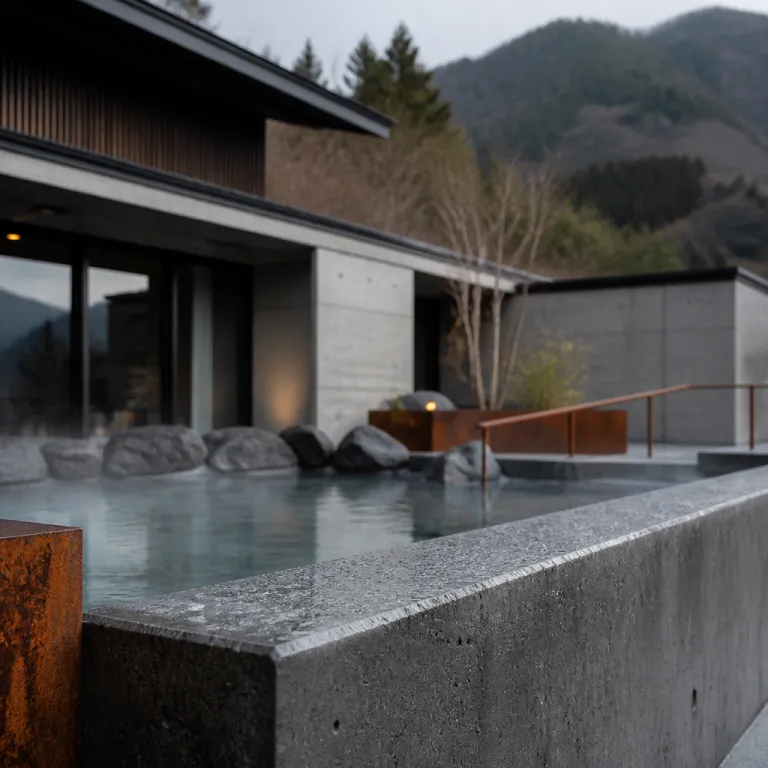
Takayama onsen as a refined wellness base in the Hida mountains
Takayama onsen sits quietly in the Hida mountains, offering a serene base for wellness focused travelers. In this historic Takayama city, natural hot springs meet polished hospitality, creating a spa landscape where every bath feels curated for calm. The wider onsen area around Hida Takayama blends traditional streets, refined hotel options, and easy access to Okuhida onsen valleys.
Within Takayama city you find an elegant balance between heritage and comfort, with many hotels integrating onsen Gifu mineral waters into their spa programs. These hot springs are known locally for skin smoothing effects and deep muscular relaxation, and the city promotes them as part of a broader wellness culture. According to figures published by the Takayama City Tourism Office (latest Japanese language statistics available via the official tourism website), there are around 20 onsen facilities in the area, which gives guests a generous choice of spring baths, day use spas, and private outdoor experiences.
Takayama Station anchors this compact city, making it simple to arrive by rail and then continue by bus into the surrounding hot spring valleys. Limited express trains from Nagoya connect directly to Takayama Station, and highway buses link the city with Tokyo and Kanazawa on regular timetables. Many luxury properties offer transfers of only a few minutes bus or taxi ride from Takayama Station, so you can step from train to hot spring with minimal effort. For travelers planning a multi night stay, combining a night in a refined Takayama hotel with one or two nights deeper in the Hida region creates a layered onsen Takayama itinerary.
The climate around Takayama onsen changes dramatically with each season, and wellness experiences shift accordingly. In spring the air is soft and cool, cherry blossoms frame open air baths, and evening soaks feel especially restorative. Winter brings snow to the Northern Alps backdrop, and the contrast between hot spring water and crisp air baths becomes one of Japan’s most memorable spa sensations.
Local operators emphasize etiquette and cultural immersion as part of the wellness journey in this onsen area. Visitors are reminded to wash thoroughly before entering any bath, to keep towels out of the water, and to respect quiet shared spaces. Practical advice from regional guides often highlights three simple points for guests: “Check onsen etiquette before visiting. Some facilities may have tattoo restrictions. Bring your own towel or rent one on-site.”
For travelers using a premium hotel booking website focused on Japan, Takayama onsen appears as both a destination and a gateway. The city’s location in central Japan allows easy pairing with Tokyo, Kanazawa, or Nagoya, while still feeling distinctly rural and intimate. This balance makes Hida Takayama one of the most compelling spa and wellness bases for discerning visitors seeking authentic hot springs without sacrificing comfort.
Choosing luxury hotels with onsen in Takayama city
Within Takayama city, luxury and premium hotels with onsen facilities cater to travelers who value both design and ritual. Many properties channel the atmosphere of a traditional Japanese ryokan while offering international service standards and multilingual concierge teams. For guests used to private spa suites, curated onsen Takayama stays can feel familiar yet distinctly local.
When comparing hotels near Takayama Station, focus on how each property integrates hot spring water into its wellness concept. Some hotels feature large communal spring baths with separate men’s and women’s areas, while others prioritize private outdoor baths attached to suites. A few high end addresses combine both, offering open air baths on upper floors with views over the city and the distant Northern Alps.
Representative options in the city include hotels such as Honjin Hiranoya Kachoan, Takayama Ouan, and Hidatei Hanaougi, which are known for incorporating natural hot spring baths into their guest experience. Room categories matter greatly for spa oriented travelers booking in Japan. Entry level rooms may grant access to shared hot springs only, while premium rooms and suites often include private onsen baths or reserved time slots in private outdoor facilities. When using a luxury hotel booking website, filter by “hot spring” or “onsen” and then read carefully to confirm whether the bath in your room is a true hot spring or simply heated tap water.
Wellness focused guests should also pay attention to opening hours for each bath area. Some Takayama onsen hotels keep their spring baths open twenty four hours, allowing late night or dawn soaks that align with jet lag and personal routines. Others operate on fixed opening hours, sometimes alternating men’s and women’s access, which makes advance planning essential if you want to enjoy both indoor and open air baths.
Travelers who appreciate refined privacy can look for hotels that offer bookable private baths by the hour. These spaces, often designed as intimate air baths with partial open air roofs, allow couples or families to enjoy hot springs together without entering gender separated areas. One frequent guest recalls reserving a rooftop bath at sunset and “watching the lanterns come on in Takayama’s old town while the steam rose around us,” a small moment that made the city feel both cinematic and deeply personal. When demand is high, especially during peak foliage or snow seasons, reserving these private outdoor baths at check in is strongly recommended.
For readers comparing spa focused stays across Japan, it helps to understand how Takayama onsen fits into the broader luxury landscape. Tokyo offers sophisticated urban retreats with in room onsen style tubs, as explored in this guide to elegant Tokyo private onsen stays for discerning travelers. Takayama city, by contrast, places you much closer to natural hot spring sources, with many hotels piping water directly from nearby onsen Gifu springs.
From Takayama to Okuhida onsen: spa journeys into the northern Alps
Beyond the compact streets of Takayama city, the Okuhida onsen region unfolds along valleys carved into the Northern Alps. This wider Okuhida onsen area includes several distinct villages, each with its own character, water qualities, and style of bath architecture. For travelers booking through a premium Japan focused platform, combining a city stay with a night or two in Okuhida creates a deeper spa narrative.
Hirayu onsen is often the first stop, reachable in roughly forty five minutes bus ride from Takayama Station. This Hirayu area is one of the oldest hot spring settlements in Hida, and many hotels here feature generous open air baths framed by cedar forests. Guests can enjoy both indoor spring baths and outdoor pools, with steam rising against a backdrop of snow in winter and lush green slopes in summer.
Farther into the mountains, the Okuhida Onsengo cluster of villages offers some of Japan’s most atmospheric open air baths. Properties here often position their hot springs beside rivers or on terraces facing the Northern Alps, creating a sense of immersion in the landscape. For wellness travelers, the combination of crisp mountain air, hot spring water, and quiet surroundings can feel like a natural spa retreat designed on a grand scale.
Shin Hotaka, reached by bus from Takayama city, is particularly appealing for guests who want to pair onsen with light adventure. Many hotels in this area coordinate with the Shin Hotaka Ropeway, allowing guests to spend a day among high altitude viewpoints before returning to soak in hot springs. The contrast between cool summit breezes and the warmth of evening baths reinforces the restorative rhythm of an onsen Takayama itinerary.
When booking Okuhida properties, pay close attention to room descriptions and bath facilities. Some hotels offer only shared indoor baths, while others highlight private outdoor baths attached to select rooms, which are ideal for couples or families seeking quiet. Because these mountain properties often have limited rooms, spa oriented travelers should secure their preferred category well in advance, especially during peak foliage and snow periods.
Travelers who have already experienced classic ryokan stays in other regions, such as those highlighted in this feature on ryokan Hokkaido stays for refined travelers seeking authentic onsen luxury, will notice subtle differences in Hida. Here, the emphasis often falls on expansive open air baths and views of the Northern Alps rather than coastal or forest settings. This makes Okuhida onsen particularly attractive for guests who value mountain scenery as part of their wellness journey.
Designing a spa and wellness itinerary around Takayama onsen
A well planned spa itinerary around Takayama onsen allows you to move gracefully from urban comfort to mountain immersion. Many travelers begin with one or two nights in a refined hotel near Takayama Station, using the first day to adjust to the time zone and explore the old town. During this phase, the focus often rests on gentle evening baths and short walks rather than ambitious excursions.
On day two, guests might schedule a full wellness day centered on hot springs and slow exploration. Morning can start with a quiet soak in the hotel’s indoor spring baths, followed by a leisurely breakfast featuring Japanese and Western options. Afternoon hours lend themselves to a visit to another onsen facility in the city, perhaps one known for open air baths or a different mineral composition.
The next stage often involves traveling by bus into the Okuhida onsen area for a deeper retreat. The journey from Takayama city to Hirayu onsen or other villages typically takes under an hour, yet the atmosphere shifts dramatically from urban to alpine. Many hotels in these valleys time their check in hours to align with bus arrivals, allowing guests to move smoothly from travel to bath.
Once settled in Okuhida, wellness oriented guests can structure their days around alternating activity and rest. Morning might bring a short walk along river paths or a cable car ride near Shin Hotaka, while afternoon is reserved for hot springs and quiet reading in the rooms. Evening meals, often served as multi course Japanese kaiseki, showcase Hida ingredients that complement the restorative effects of the baths.
For travelers using a luxury hotel booking website, it is wise to check not only room types but also the specific opening hours of each bath facility. Some properties offer women only hours in certain air baths or reserve particular pools for private use by the hour. Clear information on these patterns helps you schedule soaks at quieter times, which is especially valuable for guests seeking a meditative spa experience.
Those planning longer journeys across Japan can integrate Takayama onsen into a broader wellness themed route. A common pattern links Tokyo, Hida Takayama, and the Kansai region, with hot springs punctuating urban stays. For readers interested in how premium booking platforms curate such routes, this overview of five star international excellence in premium hotel booking experiences in Japan offers useful context on service standards and personalization.
Maximizing privacy and comfort: private onsen, rooms, and etiquette
Privacy is a central concern for many international travelers considering onsen in Japan, especially those new to shared nude bathing. Luxury hotels in Takayama city and the wider Hida region have responded by expanding options for private baths and private outdoor facilities. These spaces allow guests to enjoy hot springs in a more intimate setting while still engaging with Japanese bathing culture.
Private onsen can take several forms, each with different implications for booking and price. Some hotels offer rooms with in room hot spring baths, where water from Takayama onsen or nearby sources flows directly into a stone or cypress tub. Others provide reservable family baths, which guests can book by the hour for exclusive use, often with partial open air designs that bring in fresh mountain air.
When reviewing hotel descriptions, look carefully for phrases such as “natural hot spring in guest rooms” or “private outdoor bath with onsen water.” These indicate that the bath is supplied by genuine hot springs rather than standard heated water, which matters for travelers seeking the full therapeutic effect. In the Okuhida onsen area, many high end properties highlight their private outdoor baths as signature features, often pairing them with views of the Northern Alps.
Understanding etiquette helps guests feel more at ease, whether using shared baths or private facilities. The basic sequence remains the same: shower thoroughly before entering, soak quietly without splashing, and avoid bringing towels into the water. Even in private baths, following these steps preserves water quality and aligns your experience with local expectations in onsen Gifu regions.
Guests with tattoos should pay particular attention to each property’s policy, which can vary across Takayama onsen and Okuhida Onsengo hotels. Some luxury properties now welcome tattooed guests in private baths but may restrict access to large communal spring baths. When in doubt, contact the hotel in advance through your booking platform to clarify options and, if needed, reserve private time slots.
For families or groups traveling together, private baths can transform the rhythm of a stay. Parents can enjoy relaxed soaks with children without worrying about disturbing others, while friends can share air baths and open air pools in a more social way. In every case, the combination of privacy, hot spring water, and thoughtful design supports a deeper sense of comfort and well being.
Seasonal wellness: how Takayama onsen changes from spring to winter
Seasonality shapes every aspect of the spa and wellness experience around Takayama onsen. In spring, cherry blossoms frame rivers and temple grounds in Takayama city, and mild temperatures make open air baths especially inviting. Guests can enjoy long evening soaks in hot springs while cool breezes move through the onsen area.
Summer in Hida brings lush greenery and warmer air, yet the mountain setting keeps nights pleasantly cool. Many hotels adjust their opening hours for outdoor baths to encourage early morning and late evening use, when the air is freshest. This is an ideal season for combining light hiking near Shin Hotaka with restorative spring baths on return.
Autumn is perhaps the most visually dramatic time for onsen Takayama stays. The Northern Alps and Okuhida valleys blaze with red and gold foliage, creating vivid backdrops for open air baths. Luxury hotels often design seasonal menus around local mushrooms and Hida beef, aligning culinary pleasures with the comfort of hot spring soaks.
Winter transforms both Takayama city and the Okuhida onsen area into quiet, snow dusted retreats. Snowfall muffles sound, and steam rising from outdoor baths creates a cinematic contrast against white landscapes. For many spa travelers, sitting in a hot spring while snowflakes fall is the defining image of a Japanese onsen journey.
Seasonal shifts also influence practical planning for wellness oriented trips. In colder months, guests may prefer hotels with both indoor and open air baths, allowing them to move between sheltered and outdoor spaces depending on wind and temperature. During peak foliage and snow periods, booking rooms and private baths well in advance becomes essential, as demand for premium properties in Hida Takayama rises sharply.
Regardless of season, the underlying benefits of Takayama onsen remain consistent. Local tourism materials describe the waters as supporting relaxation and gentle skin care, and guests who structure their itineraries to include regular soaks, adequate rest, and balanced meals often report leaving the region with a sense of both physical renewal and cultural enrichment.
Practical access, transport, and booking strategies for spa focused travelers
Access to Takayama onsen is straightforward, which makes it an excellent choice for travelers building a wellness focused itinerary in central Japan. Most visitors arrive via Takayama Station, served by limited express trains from Nagoya and bus connections from Tokyo and Kanazawa. From the station, taxis and local buses link quickly to hotels in Takayama city and to the wider Okuhida onsen area.
For those heading directly into the mountains, buses depart from near Takayama Station toward Hirayu onsen, Shin Hotaka, and other Okuhida Onsengo villages. Typical journeys take between thirty and ninety minutes bus ride, depending on the specific valley and road conditions. These approximate travel times are based on current timetables published by regional bus operators, and many hotels publish recommended routes and estimated hours on their websites, which helps guests coordinate arrival times with check in and bath opening hours.
When using a luxury hotel booking website, filter tools can significantly streamline the search for spa oriented stays. Selecting criteria such as “hot spring,” “open air bath,” or “private onsen” quickly narrows options to properties that prioritize wellness. Reading detailed room descriptions and guest reviews then helps confirm whether baths are supplied by natural hot springs and whether private outdoor facilities are available.
Travelers should also consider how many nights to allocate to each part of the Hida region. A balanced plan might include two nights in a Takayama city hotel with convenient access to restaurants and cultural sites, followed by two nights in an Okuhida onsen retreat focused on quiet and nature. This structure allows time to enjoy both urban comforts and mountain hot springs without feeling rushed.
Budgeting for spa experiences involves more than just room rates, especially in premium hotels. Some properties include unlimited access to communal spring baths in the nightly price but charge extra for private baths by the hour, spa treatments, or late check out. Clarifying these details during booking prevents surprises and allows you to allocate funds toward the experiences that matter most, such as a sunset session in an open air bath overlooking the Northern Alps.
Finally, remember that wellness in Takayama onsen extends beyond the baths themselves. Slow walks through the morning markets, quiet visits to temples, and unhurried meals built around Hida ingredients all contribute to a restorative rhythm. By aligning transport, hotel choices, and daily pacing, spa focused travelers can transform a simple stay in onsen Gifu country into a deeply layered journey of rest and renewal.
Key figures and onsen statistics for Takayama and Hida
- Takayama and its surrounding region host around 20 onsen facilities, according to data shared by the Takayama City Tourism Office on its official channels, giving spa travelers a broad choice of hot spring styles within a relatively compact area.
- Bus journeys from Takayama Station to major Okuhida onsen villages such as Hirayu onsen typically range from 30 to 60 minutes, based on current regional bus timetables, which makes same day transfers from urban hubs like Nagoya or Kanazawa realistic for wellness focused itineraries.
- The Takayama onsen region promotes year round bathing, with distinct experiences in all four seasons: cherry blossoms in spring, lush greenery in summer, foliage in autumn, and snow views in winter.
- International visitor numbers to private onsen experiences in Japan have been rising steadily over the past decade, according to national tourism trend reports, and Takayama’s mix of city hotels and Okuhida retreats positions the area well to serve this growing demand.
FAQ about Takayama onsen spa and wellness stays
What are the main wellness benefits of Takayama’s hot springs ?
Local experts highlight that the mineral rich waters around Takayama onsen support relaxation and gentle skin care. Official guidance from regional tourism materials notes that “They are known for skin-smoothing properties and relaxation.” Many guests also report relief from muscle fatigue after days spent walking or hiking in the Hida region.
Do I need to stay overnight to use onsen in Takayama ?
Overnight stays are not strictly necessary, because many onsen facilities in Takayama city and the surrounding area offer day use plans. These often include access to indoor and open air baths for a set number of hours, sometimes paired with lunch or light refreshments. However, spa focused travelers usually prefer at least one night in a hotel or ryokan to fully enjoy evening and early morning soaks.
Are private onsen options available for guests who prefer more privacy ?
Yes, both Takayama and Okuhida onsen regions provide a range of private options. Many high end hotels offer rooms with in room hot spring baths or reservable family baths that can be booked by the hour. These private outdoor or semi open air baths are especially popular with couples, families, and guests with tattoos who may face restrictions in communal facilities.
How strict is onsen etiquette in Takayama and Hida ?
Etiquette is taken seriously but is easy to follow once you understand the basics. Guests are expected to wash thoroughly before entering any bath, keep towels out of the water, and speak quietly in shared spaces. Some facilities maintain tattoo restrictions in communal baths, so checking policies in advance and using private baths when needed ensures a smooth experience.
Is Takayama onsen suitable for first time visitors to Japan ?
The region is well suited to first time visitors, because Takayama city combines clear signage, helpful tourism offices, and a compact layout. Hotels accustomed to international guests provide guidance on onsen etiquette and often offer English support at reception. With straightforward access from major cities and a wide range of hot spring styles, Takayama and Okuhida form an accessible yet authentic introduction to Japan’s onsen culture.