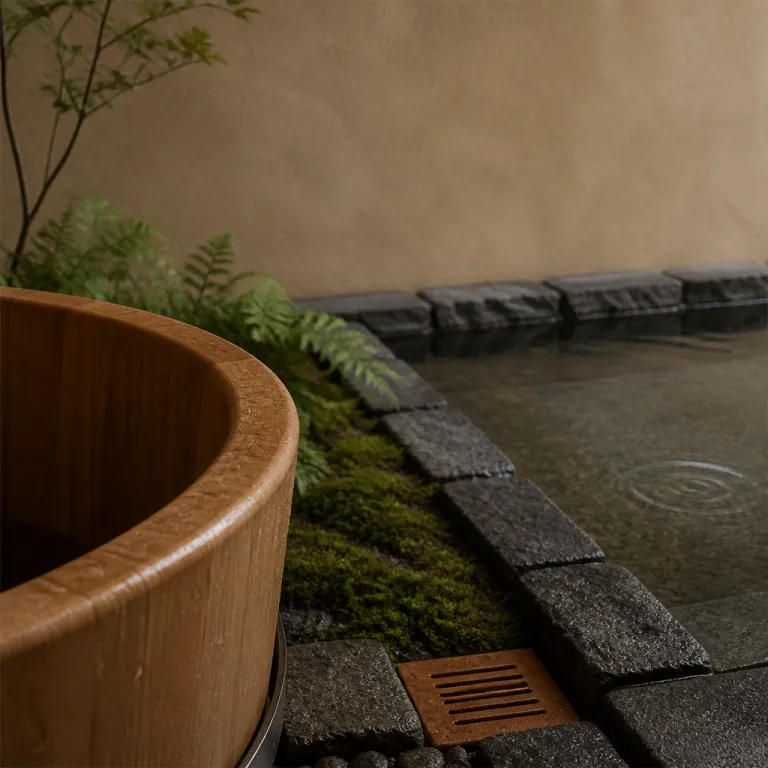
Why the Hotel The Mitsui Kyoto wellness retreat matters for serious spa travelers
Hotel The Mitsui Kyoto sits in Nakagyō Ward, directly facing the stone walls of Nijo Castle and a short walk from the Kyoto Imperial Palace gardens. This central yet historic setting gives the property a rare combination of imperial heritage, urban convenience, and access to a natural hot spring that quietly sets it apart from other luxury hotels. For business-leisure travelers used to global spa standards, the hotel shows how a Japanese onsen-based program can feel both clinically structured and deeply atmospheric.
The Hotel The Mitsui Kyoto wellness retreat, officially called the Onsen Healing Retreat, is one of the first fully structured wellness stays at a top-tier Kyoto hotel. It is exclusive to in-house guests and weaves private onsen bathing, targeted spa treatments, nourishing cuisine, mindfulness, and gentle movement into a coherent two-night framework. For travelers comparing hotels across Japan, this is not just another spa add-on but a program designed around sleep quality and nervous system reset.
The retreat is hosted by Hotel The Mitsui Kyoto, part of The Luxury Collection under Marriott, and fully integrated with the Marriott Bonvoy ecosystem for points and elite benefits. Pricing is transparent and positioned at the upper tier of Kyoto luxury wellness: around 1,240 USD for a single guest and 1,945 USD for two guests, with accommodation in your chosen room or suite charged separately. Reservations must be made at least seven days in advance, and the spa concierge team manages capacity carefully to keep the number of participants low at any given time.
The property’s defining asset is its Kyoto Nijo onsen, a genuine thermal spring drawn from deep below Nakagyō and piped into both the main spa and several suites with a private onsen. Unlike many hotels that heat tap water, this hot spring carries natural minerals associated with circulation and muscle relaxation, which are central to the retreat’s sleep-focused objectives. For travelers who value authenticity, the presence of a real hot spring within a contemporary Luxury Collection setting is a rare combination.
Context matters when you are choosing where to book your stay in Kyoto for wellness. Aman Kyoto leans into forest immersion and meditative silence, while Amanemu on the Shima Peninsula builds its identity around coastal hot springs and wide horizon views. Hotel The Mitsui Kyoto, by contrast, offers an urban sanctuary where you can step from a structured spring spa session into a meeting in the city, then return to your room and enjoy another private onsen soak before dinner.
For readers comparing premium hotels across Japan, it is worth pairing this retreat with broader guidance on five-star international excellence and premium hotel booking experiences in the country, which you can find in our dedicated overview on how to choose top tier properties across the country. That wider lens helps you understand where this imperial-neighborhood spa hotel sits in the national landscape. It also clarifies why the spa program here feels more like a curated Luxury Collection experience than a generic add-on.
A typical day inside the onsen healing retreat at Hotel The Mitsui Kyoto
A structured day in the Hotel The Mitsui Kyoto wellness retreat begins before breakfast, when the spa concierge gently encourages you to meet the hot spring before your emails. You walk from your room through quiet corridors to a private onsen suite, where Kyoto Nijo thermal spring water fills a deep stone tub with steam rising in soft curls. The ritual is unhurried, and guests are guided to soak, cool down, and repeat, allowing the body to adjust gradually to the onsen’s mineral-rich heat.
After this first immersion, you return to the main hotel building for a Japanese-influenced breakfast that supports the spa program rather than fights it. Expect seasonal Kyoto ingredients, fermented elements for gut health, and light proteins instead of heavy Western plates, all served with views of the inner garden that opens towards the historic walls of Nijo Castle. This is where the retreat’s focus on sleep and stress relief becomes tangible, because the cuisine is calibrated to sustain energy without the spikes that many business travelers accept as inevitable.
Late morning is usually reserved for a consultation with the spa concierge, who acts as your guide through the hotel spa and its treatments. Together you review your sleep patterns, stress levels, and any physical constraints, then shape the day’s sequence of spa treatments, mindfulness sessions, and gentle movement. The language is precise but never clinical, and guests who are used to Marriott Bonvoy elite recognition will appreciate the same level of personalization applied to wellness rather than just room upgrades.
Afternoons in this Kyoto luxury program often center on the Kazurasei camellia oil rituals, which anchor the treatments in a specifically Japanese lineage. Between sessions, you might step into the hotel’s landscaped garden, a calm rectangle framed by traditional architecture that reminds you this is still Kyoto, not a generic resort. Some guests choose to walk briefly towards the Kyoto Imperial Palace or the outer grounds of Nijo Castle, then return for another spring spa circuit before evening.
As night approaches, the retreat shifts towards down-regulation, with an herbal steam sauna and quieter onsen bathing designed to prepare the body for deep rest. Dinner continues the nourishing cuisine theme, with Kyoto vegetables, seasonal fish, and fermented components presented in a way that feels luxurious without being heavy. By the time you return to your room, the combination of hot springs, mindful breathing, and measured dining has created the conditions for the kind of sleep that most frequent flyers rarely experience in hotels.
For travelers mapping out a broader spa journey across Japan, it is useful to read our guide to Japanese spa experiences for luxury hotel guests. That piece explains how onsen etiquette, spring types, and regional traditions vary from Kyoto to Hokkaido and beyond. When you place the Hotel The Mitsui Kyoto program within that context, its emphasis on structured rest rather than fitness or detox becomes even clearer.
The Kazurasei partnership and what makes the treatments feel distinctly Kyoto
One of the most compelling aspects of the Hotel The Mitsui Kyoto wellness retreat is its partnership with Kazurasei, a Kyoto establishment that has worked with camellia oil since the nineteenth century. In a city where heritage can feel like a marketing line, this collaboration brings a tangible sense of continuity between traditional Japanese self-care and contemporary hotel spa practice. The result is a series of treatments that feel rooted in Kyoto rather than imported from a global wellness template.
During the retreat, guests experience camellia oil in multiple ways, from scalp rituals that support relaxation to full-body massages that work with the nervous system rather than against it. Therapists explain how Kazurasei’s formulations are designed to absorb cleanly after a hot spring session, when pores are open from the thermal spring heat of the onsen. This sequencing matters, because the body responds differently to oils and pressure after time in hot springs, and the program uses that physiological window intelligently.
The treatment rooms themselves are understated, with natural materials, low lighting, and a quiet that feels more Kyoto townhouse than international spa hotel. You might hear a faint bell from a nearby temple or the muffled city beyond Nakagyō, but the focus remains on breath, scent, and touch. For business travelers used to bright, perfumed hotel spas in other countries, the restraint here reads as a form of luxury that respects both the guest and the city.
Mindfulness is woven into the treatments through breath measurement, guided exhalations, and the occasional use of singing bowls to mark transitions. These elements are not presented as spiritual theater but as tools to support the retreat’s core goals of better sleep, lower stress, and gentle recalibration. The spa concierge and therapists work as a coordinated équipe, adjusting pressure, timing, and even room temperature based on how each guest responds across the stay.
Compared with Aman Kyoto, where forest immersion and outdoor hot spring experiences dominate, Hotel The Mitsui Kyoto offers a more urban, ritualized approach to wellness. Amanemu, on the other hand, uses coastal views and expansive hot springs to create a sense of horizontal openness that you will not find in central Kyoto. Here, the focus is on the intimacy of a private onsen, the precision of Kazurasei treatments, and the quiet geometry of the inner garden framed by the hotel’s architecture.
If you are planning a wider itinerary that includes Tokyo, it is worth contrasting this Kyoto spa rhythm with the more kinetic energy of premium stays in the capital. Our review of refined comfort at a premium Akihabara hotel shows how urban Japanese hotels can prioritize design and connectivity over onsen and hot spring rituals. Seen together, these properties illustrate how Japan’s Luxury Collection and other premium hotels offer very different forms of comfort depending on whether your priority is wellness, business, or nightlife.
How the retreat compares with other Kyoto luxury and onsen options
For travelers used to scanning Marriott Bonvoy and other loyalty apps for the next stay, it helps to position the Hotel The Mitsui Kyoto wellness retreat within the broader Kyoto luxury market. On one side, you have traditional ryokan-style properties with communal onsen and multi-course kaiseki dinners, often located outside the city center. On the other, you have international hotels with polished rooms and efficient service but limited engagement with hot springs or structured spa programs.
Hotel The Mitsui Kyoto occupies a middle ground that feels particularly relevant for business-leisure guests. As a Luxury Collection hotel under the Marriott umbrella, it offers the familiar benefits of a global brand, from points earning to consistent room standards, while still delivering a deeply Japanese onsen and spa experience. This balance is rare in Kyoto, where many hotels either lean fully into heritage or fully into international business functionality.
Compared with Aman Kyoto, which is set in a forested enclave on the city’s northern fringe, Hotel The Mitsui Kyoto is more accessible for guests with meetings or events in central districts. You can step out from the hotel garden, cross towards Nijo Castle, and be in an office or restaurant within minutes, then return for a private onsen session before bed. Amanemu, by contrast, is a destination in itself on the coast, ideal for longer hot spring-focused stays but less practical as an add-on to an imperial sightseeing or business schedule.
Pricing for the Onsen Healing Retreat at Hotel The Mitsui Kyoto is competitive when you consider what is included. At approximately 1,240 USD for one guest and 1,945 USD for two guests, excluding accommodation, the program sits in line with high-end wellness offerings at other spa hotels in Japan that do not always provide natural thermal spring access. Here, the presence of a genuine hot spring, integrated treatments, and curated cuisine means the cost reflects a complete system rather than isolated services.
Another point of differentiation is structure. Many hotels in Kyoto offer excellent individual spa treatments or access to hot springs, but they leave guests to assemble their own wellness narrative. The Hotel The Mitsui Kyoto wellness retreat removes that cognitive load by presenting a clear arc across at least two nights, from arrival and initial onsen immersion to final integration and departure, which is particularly valuable for executives arriving jet-lagged from the United States.
For travelers who prioritize loyalty programs, the fact that Hotel The Mitsui Kyoto is part of Marriott Bonvoy and The Luxury Collection means you can align a deeply Japanese wellness experience with your global travel strategy. This is not a generic collection hotel stamped onto Kyoto; it is a property that uses the brand framework to highlight its onsen, garden, and proximity to Nijo Castle and the Kyoto Imperial Palace. When you book this stay, you are effectively choosing a specific interpretation of Japanese wellness within a familiar international structure.
Who the Hotel Mitsui Kyoto wellness retreat is really for
The Hotel The Mitsui Kyoto wellness retreat is not a boot camp, and that is precisely its strength. It is designed for guests who want to enjoy deep rest, nervous system repair, and a quieter relationship with their own bodies, rather than dramatic fitness transformations. Business leaders extending a trip in Kyoto, couples seeking reconnection, and solo travelers recovering from long-haul schedules will feel particularly at home here.
Movement within the program is intentionally gentle, with yoga, stretching, and water-based practices that complement rather than compete with the hot spring sessions. This approach respects the realities of jet lag, time zone shifts, and the accumulated fatigue that many frequent travelers carry into their hotel stays. Instead of pushing you through high-intensity workouts, the retreat uses onsen, spa treatments, and mindful breathing to coax the body back towards equilibrium.
Couples often choose rooms with a private onsen, turning the thermal spring experience into an intimate ritual that bookends each day. In these suites, hot spring water flows directly into the tub, allowing you to bathe in silence before breakfast or after a late dinner in Kyoto’s restaurant districts. The combination of a quiet room, a view towards the garden or city, and the knowledge that the spa team is orchestrating the rest of your stay creates a sense of being held that many guests describe as rare.
For solo travelers, especially executives who are used to maximizing every hour, the structure of the retreat can feel like a welcome constraint. Your schedule is shaped around onsen, treatments, and nourishing meals, which leaves less room for late-night emails and more space for sleep. The spa concierge becomes a kind of accountability partner, ensuring that you actually use the hot spring and mindfulness tools you have technically paid for.
Families with young children or travelers seeking nightlife-driven stays may find other hotels in Kyoto more suitable. The atmosphere at Hotel The Mitsui Kyoto during the retreat is calm, with an emphasis on quiet public spaces, measured lighting, and a garden that invites contemplation rather than play. This is a property that understands its role as a sanctuary within Nakagyō, not an entertainment hub.
For readers who want to align their wellness priorities with their broader Japan itinerary, it can help to think of this retreat as the restorative anchor in a longer journey. You might pair a two-night stay here with more active days exploring Kiyomizu-dera, other temple sites, and the hills of eastern Kyoto, then continue to Tokyo for a more kinetic urban hotel experience. In that sense, the Hotel The Mitsui Kyoto wellness retreat functions as both a destination and a recalibration point within a multi-city trip.
Practical booking guidance for the onsen healing retreat in Kyoto Japan
Securing a place in the Hotel The Mitsui Kyoto wellness retreat requires a bit more planning than a standard room reservation. The program must be booked at least seven days in advance, and it is only available to guests staying at the hotel, which preserves a sense of intimacy in the spa and onsen areas. When you plan your Kyoto itinerary, treat the retreat dates as fixed points around which you arrange meetings, sightseeing, and transfers.
Start by choosing your room category, paying particular attention to whether you want a private onsen in your suite or are content with access to the main hot spring facilities. Rooms with direct hot spring access offer the most seamless integration of the retreat into your daily rhythm, especially for early morning or late-night soaks. If you prefer to keep the onsen as a destination within the spa, a garden-facing room can be equally restorative, with views that open onto carefully framed greenery and stone.
Once your accommodation is set, contact the spa concierge or use the hotel’s official channels to add the Onsen Healing Retreat to your stay. The program price of around 1,240 USD for one guest or 1,945 USD for two guests covers the structured sequence of onsen sessions, spa treatments, nourishing cuisine elements, mindfulness practices, and movement guidance. Accommodation, additional à la carte treatments, and any off-property excursions to sites like Kiyomizu-dera or other temple complexes are billed separately.
When planning your flights and transfers, aim to arrive in Kyoto with enough time before your first scheduled onsen session to decompress from travel. Many guests choose to spend their arrival day settling into the room, walking briefly around Nijo Castle or the Kyoto Imperial Palace area, and having an early dinner before the retreat formally begins the next morning. This buffer allows the body to adjust so that the hot spring and spring spa elements can work more effectively from day one.
Because the program is available year-round, seasonality becomes a strategic choice rather than a constraint. Winter stays emphasize the contrast between cold air and steaming hot springs, while summer visits lean on lighter cuisine and cooler garden evenings, with the onsen temperature adjusted accordingly. Autumn and spring bring their own visual drama to the garden and the wider imperial district, but the core structure of the retreat remains consistent across seasons.
For travelers managing complex corporate travel policies or loyalty strategies, it is worth coordinating with your company’s travel équipe and checking how the retreat charges appear on invoices. As part of a Marriott Bonvoy-aligned Luxury Collection hotel, Hotel The Mitsui Kyoto usually codes the program in a way that is compatible with premium travel policies, but wellness-specific line items can sometimes require clarification. Planning this in advance ensures that your structured wellness stay in Kyoto supports both your health and your professional obligations.
Integrating the retreat into a wider Kyoto and Japan itinerary
Thinking of the Hotel The Mitsui Kyoto wellness retreat as a standalone experience is tempting, but it becomes even more powerful when integrated into a broader Japan journey. Kyoto offers a dense concentration of cultural sites, from Kiyomizu-dera on the eastern hills to the quieter temple clusters in the north, and the retreat can serve as a counterbalance to days spent walking, climbing stairs, and navigating crowds. By anchoring your stay near Nijo Castle and the Kyoto Imperial Palace, you keep logistics simple while accessing both heritage and wellness.
One effective pattern is to schedule the retreat in the middle of a longer trip that includes Tokyo, Osaka, or coastal regions with other hot springs. You might begin with meetings and urban hotel stays in Tokyo, then take the Shinkansen to Kyoto for three or four nights, with two of those nights dedicated to the Onsen Healing Retreat at Hotel The Mitsui Kyoto. Afterward, you could continue to another spa hotel in Japan, perhaps one focused on outdoor hot spring experiences, carrying the sleep and stress benefits of the Kyoto program into the rest of your journey.
Within Kyoto itself, the hotel’s Nakagyō location makes it easy to weave light sightseeing around the retreat without undermining its restorative goals. Short walks to Nijo Castle, the Kyoto Imperial Palace park, or nearby museums can be slotted between onsen sessions and spa treatments, especially on the second day when your body has begun to adjust. The key is to resist over-scheduling; the value of the retreat lies in the space it creates, not in how many temples you can tick off.
For guests traveling with partners who may not wish to participate fully in the structured program, Hotel The Mitsui Kyoto offers enough flexibility to accommodate different rhythms. One person can commit to the full sequence of hot spring sessions, treatments, and mindfulness, while the other uses the spa and garden more casually, or explores Kyoto’s shopping streets and cafés. Shared time in a private onsen or over dinner in the hotel’s restaurants then becomes the daily point of reconnection.
When you look beyond Kyoto, the retreat also serves as a reference point for evaluating other hotels and wellness offerings across Japan. Properties that advertise onsen access but rely on heated tap water, or that offer spa menus without coherent programs, will feel less compelling once you have experienced a structured, sleep-focused stay like this. The Hotel The Mitsui Kyoto wellness retreat effectively raises the bar for what a Luxury Collection hotel in Japan can do with its hot spring assets.
For readers building a long-term relationship with Japan as a destination, returning to this retreat every few years can function as a personal reset. Each stay becomes a marker in your own travel history, framed by the constant presence of the garden, the hot springs, and the stone walls of Nijo Castle just beyond. In a hospitality landscape where many hotels chase novelty, the quiet consistency of this imperial-district spa hotel may be its most luxurious feature.
Key figures and data points about the Hotel The Mitsui Kyoto wellness retreat
- The Onsen Healing Retreat at Hotel The Mitsui Kyoto launched on April 1, 2024 as an ongoing, year-round program, reflecting the growing demand for structured wellness tourism in Japan focused on sleep and stress relief (source: Hotel The Mitsui Kyoto official announcement and Luxury Travel Magazine 2024 coverage; always confirm current details on the official hotel or Marriott pages).
- Program pricing is approximately 1,240 USD for a single guest and 1,945 USD for two guests, positioning it at the upper tier of Kyoto luxury wellness offerings while remaining competitive with other high-end spa hotel programs that lack natural hot spring access (source: Hotel The Mitsui Kyoto official information; rates may change, so check the latest figures directly with the property).
- The retreat is built around five core methods: onsen bathing, spa treatments, nourishing cuisine, mindfulness practices, and gentle movement, which together aim to improve sleep quality and overall well-being for hotel guests (source: Hotel The Mitsui Kyoto wellness program outline).
- Reservations must be made at least seven days in advance and are exclusive to in-house guests, a capacity strategy that preserves privacy in the private onsen suites and maintains a calm atmosphere in the spa (source: Hotel The Mitsui Kyoto booking guidelines).
- The program leverages Kyoto Nijo onsen water, a natural thermal spring beneath Nakagyō, integrating authentic hot spring bathing into a contemporary Luxury Collection hotel environment adjacent to the UNESCO-listed Nijo Castle (source: Hotel The Mitsui Kyoto property description).
FAQ about the Hotel The Mitsui Kyoto onsen healing retreat
What is included in the Onsen Healing Retreat at Hotel The Mitsui Kyoto ?
What is included in the Onsen Healing Retreat? Onsen bathing, spa treatments, nourishing cuisine, mindfulness practices, and gentle movement. In practice, this means scheduled access to the Kyoto Nijo hot spring facilities, curated spa treatments using Kazurasei camellia oil, meals aligned with the program’s wellness goals, and guided sessions in breathwork and gentle movement.
How can I book the Hotel Mitsui Kyoto wellness retreat ?
How can I book the retreat? Reservations must be made at least seven days in advance through the hotel's website. You first secure a room or suite at Hotel The Mitsui Kyoto, then add the Onsen Healing Retreat to your stay via the spa concierge or official booking channels, confirming dates and any personalization needs.
Is the Onsen Healing Retreat available to non hotel guests in Kyoto Japan ?
Is the retreat available to non-hotel guests? No, the program is exclusive to hotel guests. This policy ensures that access to the hot springs, private onsen suites, and spa treatment rooms remains limited, preserving the quiet atmosphere that is central to the retreat’s effectiveness.
How long should I stay to benefit from the Hotel Mitsui Kyoto wellness program ?
The hotel recommends at least a two-night stay to experience the full arc of the Onsen Healing Retreat, from initial onsen immersion to deeper sleep improvements. While you can technically book the program across different lengths of stay, most guests find that two or three nights in Kyoto provide the right balance between structure and flexibility.
How does the Hotel The Mitsui Kyoto retreat compare with other spa hotels in Japan ?
Compared with other spa hotels and hot spring resorts in Japan, the Hotel The Mitsui Kyoto program stands out for its urban location near Nijo Castle, its integration of genuine thermal spring water, and its focus on sleep and stress relief rather than fitness. It offers a structured, Marriott Bonvoy-aligned Luxury Collection experience that feels distinctly Japanese while remaining practical for business-leisure travelers.