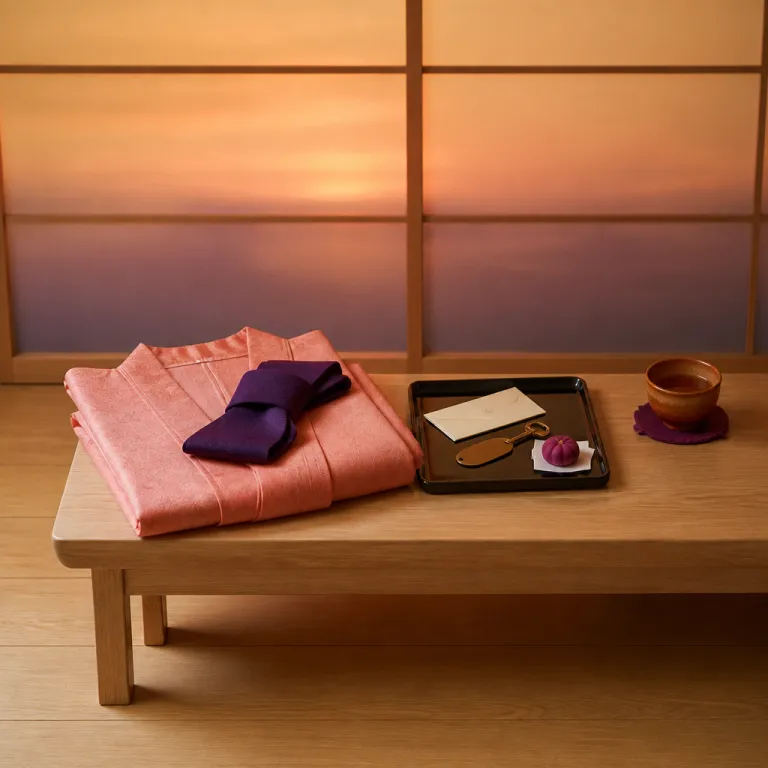
Reading Japanese luxury: why restraint feels like true indulgence
Luxury hotels in Japan rarely announce themselves with spectacle or noise. In cities like Tokyo Japan and Kyoto Japan, the most refined hotel experiences hide behind sliding doors, soft lighting and a lobby where voices drop instinctively. For travelers used to louder five star statements, this quieter language of luxury can feel understated at first glance.
What defines the best luxury hotels Japan offers is not a grand chandelier but the way staff adjust the pace of every interaction. A leading hotels concierge in a hotel Tokyo property will often pause before speaking, reading your posture and tone, then select exactly the right level of detail for your travel question. That silence between sentences is not hesitation ; it is omotenashi, the Japanese art of anticipating needs before you articulate them.
In this context, a so called urban oasis in Tokyo or Osaka Japan is less about rooftop pools and more about how the city disappears the moment the elevator doors close. A view hotel suite may frame Shinjuku’s towers or Kyoto’s temple roofs, yet the room itself remains calm, with restrained materials and a price per night that reflects craftsmanship rather than square meter excess. When you book these hotels Japan wide, you are paying for control of tempo, not just for a bed for the night.
Omotenashi in practice: attentive, never intrusive
Omotenashi is often translated simply as hospitality, but in luxury hotels Japan wide it operates more like choreography. Staff in a hotel in Tokyo or a hotel in Osaka learn to appear at the exact moment you might need them, then vanish before the interaction lingers too long. The finest hotels resorts in major cities train their équipe to read micro signals rather than rely on scripted checklists.
At properties such as The Ritz Carlton Tokyo or The Ritz Carlton Kyoto, the difference between attentive and intrusive service becomes obvious within the first night. A ritz carlton team member may remember your preferred tea temperature or the hour you like turndown, yet they will not knock repeatedly or over explain amenities, and this restraint includes how they handle questions about taxes fees or late checkout. When you book a room here, the quoted price per night usually includes local taxes and service charges, which removes awkward conversations about extra fees at departure.
Urban retreats like the elevated city sanctuary in Kagoshima described in our review of Shiroyama Kankō Hotel as an elevated urban retreat show how this service culture extends beyond Tokyo Japan and Osaka Japan. Even in a busy hotels resorts complex, staff will angle your chair to optimise the view hotel panorama, then step back so you can take in Sakurajima in silence. That balance between presence and absence is the quiet signal that you are in a genuinely luxury hotel, not just a high priced property.
Design restraint: minimalism, silence and the urban oasis
Walk into a top tier collection hotel in Tokyo or Kyoto and the first impression is often space, not stuff. In luxury hotels Japan wide, corridors are wide, art is sparse and lighting is low, creating an urban oasis effect even when you are metres from a crowded station. This restraint is deliberate, and it shapes how you experience every night you stay.
Brands like The Tokyo Edition, The Ritz Carlton and Mandarin Oriental in Tokyo Japan use materials such as untreated wood, stone and shoji inspired screens to filter the city rather than block it. A view hotel room at a hotel Tokyo skyscraper might frame Tokyo Tower or the bay, yet the interior palette stays calm so your eye travels outward, and this is where the higher price per night quietly justifies itself. You are paying for acoustic engineering, air quality and sightlines as much as for square meters or a famous name.
In Kyoto Japan, a hotel Kyoto property aligned with a luxury collection or autograph collection often blends contemporary comfort with traditional proportions. Tatami mat rooms, low seating and deep baths slow your movements, while the sound insulation turns the space into a true urban oasis after a long day of travel. For a deeper immersion in this restrained aesthetic, our guide to a Kyoto ryokan with private onsen as an urban retreat shows how similar principles apply in more intimate stays.
Unspoken codes: slippers, thresholds and timing of service
Staying in luxury hotels Japan wide means stepping into a world of unspoken codes that shape every interaction. The moment you enter a hotel in Kyoto or Tokyo, you will notice thresholds marked by changes in flooring or subtle level shifts. These are cues to remove shoes, change posture or lower your voice, and staff will gently guide you with gestures rather than explicit instructions.
In many hotels Japan travellers will find slippers waiting just inside the room, sometimes a second pair for the bathroom, and using them correctly is part of reading the space with respect. Housekeeping will often time service for when you are at breakfast or out for evening drinks, so the room feels untouched by others during your night, and this timing is a hallmark of leading hotels in Japan. You rarely see carts in corridors or hear doors slamming ; the choreography happens in the background.
These codes extend to how information about price, taxes and fees is presented when you book. A luxury hotel Tokyo or Osaka Japan property will usually show a clear breakdown that includes taxes and mandatory charges, so the final price per night matches what you see at the reservation stage. When you night book through a curated platform like myjapanstay.com, you gain an extra layer of translation for these norms, ensuring that the quiet signals of omotenashi feel welcoming rather than opaque.
Where Japanese luxury diverges from Western five star norms
For many international guests, the first surprise in luxury hotels Japan wide is the absence of tipping. Whether you stay at a Ritz Carlton property, a Mandarin Oriental tower or a discreet collection hotel aligned with Leading Hotels, staff salaries already include service, so extra cash on the tray can create confusion. The most respectful gesture is a sincere thank you and, if appropriate, a handwritten note.
Check in rituals also differ from Western hotels resorts standards. In a hotel Tokyo lobby, you may be invited to sit while registration is completed, with tea or a small sweet offered as a quiet welcome, and this pause signals that your travel pace is shifting from transit to rest. Room design often prioritises bathing areas and seating over oversized beds, reflecting a culture where the evening bath can be as important as the night’s sleep.
Even in international brands such as Autograph Collection or Luxury Collection hotels Japan wide, you will notice fewer overt status signals like loud music or visible VIP queues. Instead, recognition happens through room placement, amenity selection and subtle schedule adjustments that match your preferences. For travellers used to more performative luxury, this understated approach can feel almost invisible at first, yet it is precisely what makes an urban oasis in Tokyo Japan or Osaka Japan feel genuinely restorative.
Booking smart: reading prices, taxes and value signals
Understanding how pricing works in luxury hotels Japan wide is essential if you want to compare value accurately. When you book a hotel in Tokyo, Kyoto or Osaka, look closely at whether the displayed price per night includes taxes and service charges, as some international booking engines show only the base rate. Japanese properties tend to be transparent, but third party platforms sometimes separate taxes fees into a smaller line that appears late in the process.
For a business leisure traveller extending a work trip, the smartest move is to select hotels resorts that align with your schedule and transport patterns rather than chasing the lowest price. A hotel Kyoto stay near the station may save you an extra car transfer every night, while a view hotel in Osaka Japan connected to a major rail hub can cut your total travel time significantly. When you night book through a specialist site like myjapanstay.com, filters for luxury hotels, leading hotels and specific brands such as Ritz Carlton, Autograph Collection, Luxury Collection or Mandarin Oriental help you match service culture to your expectations.
True value in luxury hotels Japan wide is rarely about discounts ; it is about how the stay supports your rhythm. A carefully curated collection hotel that functions as an urban oasis between meetings may justify a higher price because it lets you arrive at dinner composed rather than drained. For travellers interested in extending this philosophy beyond the big three cities, our guide to Matsumoto ryokan stays for refined travellers seeking hidden Japan shows how similar service signals appear in regional resorts and traditional inns.
Key figures that frame luxury stays in Japan
- According to the Japan National Tourism Organization, international visitor arrivals to Japan surpassed 25 million in a recent pre pandemic year, creating strong demand for high end hotel and resorts inventory in Tokyo, Kyoto and Osaka.
- Data from the Japan Tourism Agency shows that average daily rates for luxury hotels in central Tokyo are often more than double those in regional cities, reflecting both land costs and sustained corporate travel demand.
- STR market reports indicate that occupancy in the upper upscale and luxury segment in Tokyo frequently exceeds 70 percent during peak seasons, which limits last minute price flexibility for travellers hoping to book premium rooms at short notice.
- Industry analyses from companies such as CBRE highlight that new luxury hotels and hotels resorts openings in Osaka Japan and Kyoto Japan have outpaced some other Asian cities in recent years, signalling long term confidence in Japan as a premium destination.
FAQ: reading the quiet signals of Japanese luxury hotels
How should I interpret quiet or reserved staff in Japanese luxury hotels ?
In luxury hotels Japan wide, quiet or reserved staff are usually a sign of respect rather than indifference. Omotenashi emphasises anticipating needs without imposing conversation, so team members often wait for your cues before engaging. If you need something, a simple request will be handled efficiently, then the interaction will end without unnecessary small talk.
Why do many Japanese luxury hotel rooms feel smaller than Western equivalents ?
In dense urban centres like Tokyo Japan and Osaka Japan, space is at a premium, so luxury hotels prioritise layout and materials over sheer size. Rooms often allocate more area to the bathroom and seating, creating a spa like feel even when the total square meters are modest. The value lies in design, soundproofing and comfort rather than in oversized furniture.
Are taxes and service charges usually included in Japanese hotel prices ?
When you book directly with many hotels Japan wide, the displayed price per night often includes mandatory taxes and service charges, though this can vary by property. Some international booking sites initially show a lower base rate and add taxes fees near the final step, which can surprise first time visitors. Always check the breakdown carefully so you can compare options on a like for like basis.
Is tipping expected at luxury hotels in Japan ?
Tipping is generally not expected in luxury hotels Japan wide, even at international brands such as Ritz Carlton, Autograph Collection, Luxury Collection or Mandarin Oriental. Staff compensation already includes service, and offering cash can sometimes create discomfort or confusion. A warm thank you and, for exceptional help, a note or positive feedback to management are more culturally appropriate.
How can I choose between Tokyo, Kyoto and Osaka for a first luxury stay ?
Tokyo offers the widest range of luxury hotels and hotels resorts, from skyline icons to discreet urban oasis properties in quieter districts. Kyoto focuses more on heritage, with hotel Kyoto stays and traditional inns that emphasise ritual and proximity to temples, while Osaka Japan combines strong dining, nightlife and increasingly sophisticated luxury hotels. Many business leisure travellers book a primary base in Tokyo then add two or three nights in Kyoto or Osaka to experience different expressions of Japanese luxury.