From transfer to experience: what Supreme Class changes for luxury itineraries
Shinkansen Supreme Class private compartment service is set to quietly rewrite how luxury travelers move between Tokyo and Kansai. For couples used to five star suites in central Tokyo or Kyoto, the bullet train has long been the one segment that felt merely efficient rather than indulgent. With Supreme Class, Japan Railway operators Central Japan Railway (JR Central) and West Japan Railway (JR West) turn the Tokaido Shinkansen and Sanyo Shinkansen corridor into a coherent premium journey, not just a fast transfer between hotels.
Starting in October 2026, shinkansen trains on the Tokaido–Sanyo route are scheduled to carry two distinct Supreme Class products that matter for high end hotel itineraries. According to JR Central’s June 2024 service outline for the Tokaido Shinkansen, the headline is the fully enclosed Shinkansen Supreme Class private compartment, a lockable class cabin that finally gives long haul flight style privacy on land based bullet trains. For couples planning a multi city route through Tokyo, Nagoya and Shin-Osaka, this means the same level of discretion they expect from a top suite car transfer, but inside the train itself.
The solo person cabin in Car 10 is described in JR Central’s Smart EX notice as being aimed at business travelers and single guests, yet it also reshapes how one half of a couple might travel ahead to handle check in at a luxury property. That same Smart EX announcement specifies that the indicative cost of a Supreme Class cabin between Tokyo and Shin-Osaka is around ¥60,790 per person one-way, which positions the class seat pricing clearly in the premium tier. For hotel concierges building bespoke rail and room packages, that transparent structure will make it easier to bundle Supreme Class with airport limousine cars and high category rooms without awkward surprises on prices, while still allowing for minor adjustments if JR Central or JR West refine the final fare tables closer to launch.
Inside the cabin: how Supreme Class amenities mirror top tier hotel standards
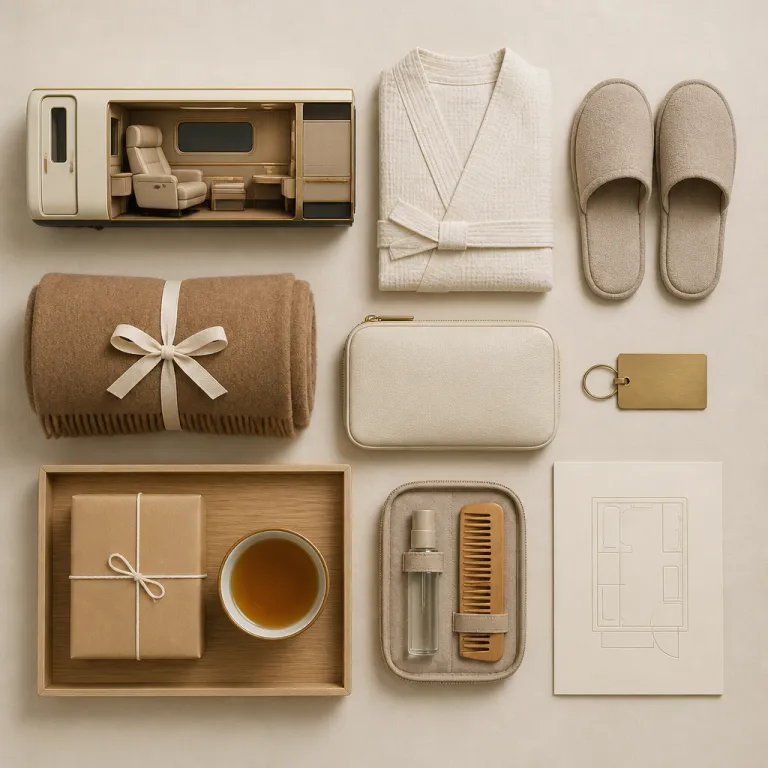
The Shinkansen Supreme Class private compartment is designed less like a traditional train seat and more like a compact hotel room on rails. Each cabin car offers lockable electronic doors, tablet controlled lighting and air conditioning, and a personal audio system integrated into the headrest, which brings the sensory control luxury guests expect from high floor suites in central Japan. Dedicated Wi-Fi for these private cabins also aligns with the always connected profile of international travelers who move between boardrooms in Tokyo and ryokan stays in Kyoto.
Two layouts define the experience and both have clear implications for hotel focused itineraries that rely on shinkansen trains. The solo class cabin in Car 10 offers a generous class seat for one person cabin use, ideal when one partner wants a quiet, semi private workspace before checking into a business oriented property near Tokyo Station. The duo configuration in Car 7 functions more like a compact lounge, with a sofa and facing seats that echo the feel of a small suite and pair naturally with premium hotel amenities in Japan for discerning travelers, as explored in JR Central’s own cabin mock-up descriptions and early design materials.
For couples used to chauffeured car services, the ability to close a door on a moving bullet train matters as much as any champagne amenity. These private compartments turn the stretch between Tokyo and Shin-Osaka into usable, intimate time, whether that means planning a tasting menu in a Kyoto dining room or reviewing art reservations in Naoshima before continuing along the Sanyo Shinkansen. Because Supreme Class sits at the top of the shinkansen train hierarchy, it also reframes Green Car as a mid tier, semi private option rather than the ceiling for rail comfort in Japan, and encourages travelers to think of cabin selection with the same care they apply to suite categories at flagship hotels.
Booking strategy: aligning Supreme Class with luxury hotel stays
For travelers who treat rail as an integral part of their Japan journey, the Shinkansen Supreme Class private compartment introduces a new layer of planning that sits alongside suite selection and late checkout negotiations. JR Central has confirmed via its Smart EX service notice that reservations for Supreme Class compartments are planned to open September 15, 2026, through the Smart EX platform, and that online reservations and dedicated boarding procedures will be the norm for these cabins. With only around 30 trains per day expected to carry Supreme Class by the end of the first phase, couples should treat these cabins like limited inventory rooms at a top property rather than standard train seats, and verify exact train numbers and departure times once the official timetable is released.
Timelines matter for anyone stitching together a multi stop route that links central Tokyo, Hakone, Kyoto and Hiroshima with stays in luxury hotels. The announcement in June signaled a clear ramp up toward the October 2026 launch, with September reservations acting as the real stress test for demand on the Tokaido Shinkansen and the connecting Sanyo Shinkansen. Because Supreme Class will initially appear on roughly a dozen bullet trains per day at launch, each with a small number of private compartments in Cars 7 and 10, aligning check in times and late checkout at hotels with specific shinkansen train departures will be essential, especially when traveling with young children or multi generational groups who need more support, and when coordinating luggage forwarding or station escort services through a concierge.
Looking ahead, JR Central’s plan to introduce a lower cost Supreme Class Seat as a semi private option will add another tier between Green Car and the full private cabins. That future class seat category will suit travelers who want more quiet than standard cars on shinkansen trains but do not need a fully enclosed person cabin, especially on shorter hops such as Tokyo to Nagoya. For now, couples building high end itineraries across central west Japan should assume that the cabin car inventory on flagship bullet trains will sell out quickly in peak months like April, August and October, and coordinate with hotel concierges who understand both rail patterns and room categories as part of one coherent luxury experience that treats the Tokaido–Sanyo corridor as a continuous, curated journey.