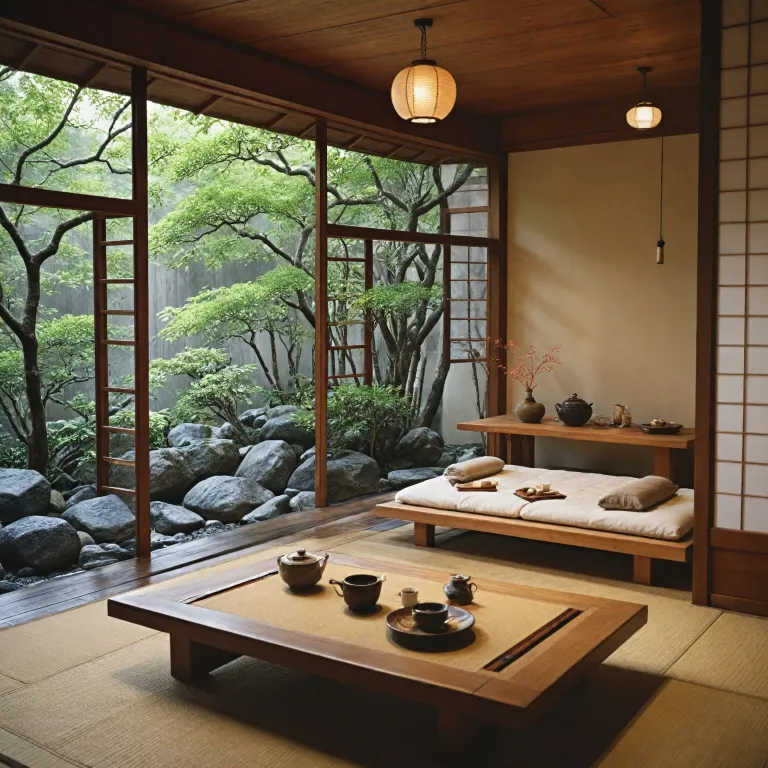
Embracing the essence of luxury ryokan: tradition meets modern comfort
Luxury ryokan in Japan offer an unparalleled blend of traditional Japanese hospitality and contemporary elegance. Guests are welcomed into serene spaces where tatami-matted rooms, sliding shoji doors, and subtle lighting create a tranquil atmosphere. Each ryokan is designed to immerse visitors in authentic Japanese culture, with meticulous attention to detail and a focus on personalized service.
From the moment you step inside, the air is filled with a sense of calm and anticipation. The guest rooms are thoughtfully arranged to maximize privacy and comfort, often featuring open air baths or private onsen that overlook meticulously landscaped gardens or scenic mountain views. In Kyoto, for example, Tawaraya Ryokan stands as a testament to centuries-old traditions, offering rooms that seamlessly blend history with modern luxury.
Luxury ryokans are not just about accommodation; they are gateways to cultural immersion. Guests can enjoy kaiseki multi-course dinners and breakfasts, crafted from seasonal local ingredients and served in the privacy of their rooms. The experience is elevated by the presence of open air hot spring baths, where the soothing waters of natural springs provide relaxation and rejuvenation. Whether in Hokkaido, Arima, or near Mount Fuji, each ryokan offers a unique perspective on Japanese style and hospitality.
The allure of onsen: private and open air hot spring experiences
One of the defining features of luxury ryokans is the onsen, or hot spring bath. These baths, often fed by natural hot springs, are integral to the Japanese tradition of relaxation and wellness. Many ryokans offer both communal and private onsen, allowing guests to choose the level of privacy and exclusivity that suits their preferences.
Private onsen rooms are particularly sought after by travelers seeking solitude and intimacy. These rooms open onto secluded terraces or gardens, where open air baths invite guests to soak under the sky, surrounded by the sights and sounds of nature. In regions like Arima Onsen and Atami Onsen, the mineral-rich waters are renowned for their therapeutic properties, enhancing the overall experience.
For those new to onsen etiquette, it is important to familiarize oneself with the customs before bathing. Removing shoes before entering the bath area, washing thoroughly before soaking, and maintaining quiet are all part of the traditional Japanese approach. To further explore the world of Japanese onsen and luxury ryokan, visit our comprehensive guide to Japanese hot springs for essential tips and recommendations.
Architectural harmony: traditional Japanese design and modern innovation
The architecture of luxury ryokans is a harmonious blend of traditional Japanese elements and modern innovation. Structures are often built using natural materials such as wood, stone, and paper, reflecting a deep respect for nature and the surrounding environment. The layout of guest rooms and communal spaces is designed to promote a sense of flow and tranquility.
Many luxury ryokans, such as Gora Kadan Fuji, offer stunning views of Mount Fuji from their open air baths and guest rooms. The integration of contemporary art and design, as seen at Naoshima Ryokan Roka, adds a modern touch while preserving the essence of Japanese aesthetics. Air baths and open air hot spring baths are strategically placed to maximize the connection with nature, providing guests with a unique sensory experience.
Innovation extends to the amenities and services offered, with luxury ryokans incorporating wellness programs, eco-friendly practices, and collaborations with renowned chefs. To learn more about how these establishments balance tradition and modernity, explore our article on Japanese architectural influences in hospitality for in-depth insights.
Culinary excellence: dinner and breakfast at luxury ryokans
Dining at a luxury ryokan is a highlight of the experience, with dinner and breakfast included in most stays. Kaiseki, a traditional multi-course Japanese meal, showcases the artistry of local chefs and the freshness of regional ingredients. Each dish is carefully prepared and presented, reflecting the season and the ryokan’s commitment to quality.
Guests can enjoy their meals in the privacy of their rooms or in dedicated dining spaces, often with views of gardens or open air baths. The menu typically features a variety of dishes, including sashimi, grilled fish, seasonal vegetables, and delicacies unique to the region. Breakfast is equally elaborate, offering a balanced selection of Japanese and Western options to suit diverse tastes.
Luxury ryokans such as Akan Tsuruga and Tsuruga Besso are renowned for their culinary offerings, collaborating with local farmers and fishermen to source the finest ingredients. For those with dietary restrictions, it is advisable to communicate preferences in advance, as meals are often set menus.
Regional highlights: from Kyoto to Hokkaido and beyond
Japan’s luxury ryokans are found in diverse regions, each offering a distinct atmosphere and set of experiences. In Kyoto, historic ryokans near Kyoto Station provide easy access to cultural landmarks and traditional neighborhoods. The guest rooms in these establishments often feature open air baths with views of temple gardens or cityscapes.
Hokkaido is known for its pristine landscapes and hot spring resorts, where luxury ryokans offer spring baths overlooking snow-capped mountains and tranquil lakes. Arima Onsen, one of Japan’s oldest hot spring areas, is home to ryokans that blend centuries-old traditions with modern luxury. The open air hot spring baths in these regions are celebrated for their mineral-rich waters and therapeutic benefits.
At the foot of Mount Fuji, Gora Kadan Fuji provides an exceptional setting for guests seeking both natural beauty and refined hospitality. The rooms open onto private terraces with air baths, allowing guests to enjoy the view of Mount Fuji while soaking in the hot spring. Each region offers a unique interpretation of the luxury ryokan experience, making it possible to tailor your stay to your personal preferences.
Planning your stay: tips for booking and maximizing your luxury ryokan experience
Booking a luxury ryokan requires careful planning, especially during peak travel seasons. It is advisable to reserve well in advance to secure your preferred guest rooms and amenities. Familiarizing yourself with traditional Japanese customs, such as removing shoes indoors and wearing a yukata, will enhance your comfort and enjoyment.
"A ryokan is a traditional Japanese inn that typically features tatami-matted rooms, communal baths, and local cuisine." Guests are often provided with a yukata (casual kimono) to wear during their stay, including meals and while moving around the ryokan. "Yes, most ryokans include dinner and breakfast in the stay, often featuring kaiseki, a traditional multi-course Japanese meal." While not necessary, knowing basic Japanese phrases can enhance your experience, as some ryokans may have limited English-speaking staff.
Onsen etiquette is essential, especially when using communal or private onsen. Policies regarding tattoos vary, so it is best to check with the ryokan in advance. By embracing the traditions and customs of Japanese hospitality, guests can fully appreciate the unique blend of luxury, culture, and relaxation that defines the luxury ryokan experience.
Key statistics on luxury ryokans in Japan
- Number of luxury ryokans in Japan: 100 establishments
- Average nightly rate for luxury ryokan: 500 USD
- Percentage of foreign guests in luxury ryokans: 30%
Frequently asked questions about luxury ryokan stays
What is a ryokan?
A ryokan is a traditional Japanese inn that typically features tatami-matted rooms, communal baths, and local cuisine.
Are meals included in the ryokan stay?
Yes, most ryokans include dinner and breakfast in the stay, often featuring kaiseki, a traditional multi-course Japanese meal.
Is it necessary to speak Japanese to stay at a ryokan?
While not necessary, knowing basic Japanese phrases can enhance your experience, as some ryokans may have limited English-speaking staff.
References:
Gora Kadan Fuji Review
Best Luxury Ryokan Onsen Japan
Tawaraya Ryokan