Waking to a forest light at Aman Kyoto
The alarm never needs to ring here because the forest does it first. Soft light filters through the shoji screens of the pavilion suite, and the only sound is wind moving through cedar and moss underfoot outside. For a couple planning a luxury stay in Japan, this is the moment when the abstract idea of Japanese hospitality becomes a very precise feeling.
You are not in central Tokyo or near busy Tokyo Station; instead, Aman Kyoto sits in a private valley on the northern edge of the city, beyond the usual sightseeing grid. The location is technically near Kinkaku-ji Temple, yet the real power of the resort is how it turns its back to the crowds and faces the hills. For travelers comparing luxury hotels and a traditional ryokan, this Kyoto hideaway behaves like a modern ryokan in spirit, with pavilions scattered like discreet villas across a forested site. (Aman’s official materials describe a 32-hectare estate, though exact figures can vary by source.)
From the bed, the first instinct is to check the view before anything else. Floor-to-ceiling glass frames a living map of moss gardens, stone pathways, and distant hills, and it feels more like a private view hotel than a conventional resort. Couples used to high-rise hotels in Tokyo or Osaka will notice the absence of skyline, replaced by layered greens and the occasional temple roof.
The pavilion suite is generous without shouting about it, which suits a quiet luxury stay focused on rest. Natural materials dominate the main content of the room: cypress, washi paper, and stone, all tuned to a soft palette that calms quickly. This is Japanese luxury that does not need gold leaf or chandeliers, only the discipline of restraint and the confidence to leave some walls almost bare.
On the low table, a handwritten note sits beside seasonal wagashi and a small pot of sencha, already brewed to the right temperature. This is where omotenashi, the Japanese hospitality code, appears in practice rather than in marketing copy. Staff have checked your arrival time, your preferred tea strength, and even whether you tend to wake early or sleep late, then adjusted the turndown and minibar offers accordingly.
From hinoki tub to private onsen ritual
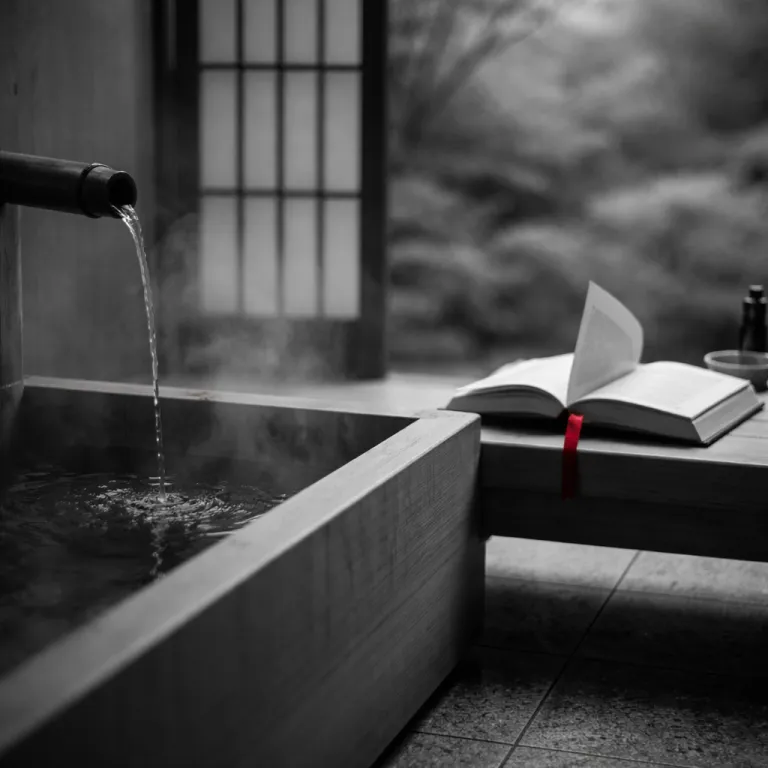
The first real decision of the morning is simple: bath now or breakfast first. For most couples on a high-end Japan itinerary, the answer at Aman Kyoto is always the bath. The hinoki cypress soaking tub in the pavilion suite is deep enough for two, and the scent of the wood rises as soon as the hot water hits it.
Hinoki tubs are a signature of Japanese wellness culture across the country, from a small ryokan in Kyoto to a design-forward hotel in Osaka, so Aman is not unique here. What it does differently is the choreography around the water, which feels closer to a private hot spring ritual than a quick soak. Bath salts are arranged like a tasting flight, with one blend echoing forest moss, another referencing rice fields, and a third designed to mirror the minerals of a natural onsen.
While the tub fills, you can check availability for the Aman Spa’s private onsen sequence on the in-room tablet. The interface feels like a refined version of a “filter hotels” tool on a booking site, except here you are filtering time slots rather than properties across Japan. For couples planning a longer stay, it is worth booking an early morning private onsen session on at least one night, when the steam outside mingles with the valley mist.
After the suite bath, you walk through the garden paths to the spa, passing other pavilions that could easily be your future favourite hideouts on another stay. The Aman Spa sits low in the landscape, more like a contemporary ryokan-style bathhouse than a flashy city spa in the heart of Tokyo. Inside, the private onsen rooms are lined with stone and wood, with a large soaking pool, a shower area, and a relaxation space where couples can sit in silence or talk quietly.
The onsen sequence is simple but deliberate: a warm shower, a slow immersion, then a period of cooling down with tea and light snacks. Therapists here are trained in techniques such as shiatsu and rice-extract facials, and they move with the quiet assurance you expect from top-tier luxury hotels in Japan. For readers curious about other refined wellness stays, the same attention to ritual appears in properties like Capella Kyoto in the Miyagawa-cho district, where Capella Kyoto offers luxury rooms, cultural experiences, and fine dining, and where the integration of traditional machiya elements with modern comfort echoes the balance Aman Kyoto strikes between ryokan heritage and resort ease.
Breakfast as a slow ceremony, not a buffet line
By the time you return from the spa, hunger has replaced sleepiness, and breakfast becomes the next quiet event. There is no rush, no sense of a closing time, only a gentle suggestion from staff that the Japanese breakfast set is best enjoyed before the late morning light turns too strong. Couples on a luxury-focused journey through Japan often talk about dinners, yet here the morning meal is where the property’s omotenashi feels most precise.
You can choose between a Western-style plate or a Japanese breakfast, but the latter is the real measure of the kitchen. Grilled fish arrives with perfectly judged seasoning, miso soup steams beside small dishes of pickles, tofu, and seasonal vegetables, and rice is cooked to that elusive point between firm and yielding. It is the kind of breakfast that makes you rethink what a resort meal can be, especially if your reference points are hotel buffets in central Tokyo or downtown Osaka.
The dining room itself frames the landscape like a living painting, with each table angled to maximise the view without feeling staged. It is here that the property feels closest to a view hotel, yet the focus remains on the forest rather than distant city lights. For couples used to scanning a map view of luxury boutique addresses near Tokyo Station or in the heart of major neighbourhoods, this grounded perspective can be quietly disorienting in the best way.
Service is attentive without hovering; staff appear when needed, then retreat before their presence breaks the spell. They remember your tea preference from the previous night, adjust the coffee strength without being asked, and pace the courses so that conversation never feels interrupted. This is where the difference between generic luxury hotels and a property like Aman Kyoto becomes clear, because the staff behave less like a scripted équipe and more like a well-tuned host family in a refined ryokan.
If you are planning a wider circuit of luxury stays in Japan, breakfast is also the moment to talk logistics with the concierge. They can help you check train times to Kyoto Station, arrange transfers to future hotels around the country, or suggest a night at a refined island ryokan using guides such as this piece on elegant Miyajima ryokan stays. For those balancing urban retreats and onsen escapes, pairing Aman Kyoto with a carefully chosen hot-spring hotel in Tokyo, as outlined in this guide to elegant urban onsen retreats in Tokyo, creates a satisfying arc from forest seclusion to city lights.
Why the valley matters more than the famous temple
Many travelers first hear about Aman Kyoto because it sits near Kinkaku-ji, yet the temple is not the point. The real value here lies in the secluded valley, which acts as a buffer between you and the rest of Kyoto. For couples who have spent nights in central hotels near Kyoto Station or in dense Osaka districts, the silence here feels almost engineered.
The property’s layout uses the natural topography as a kind of living privacy policy, shielding each pavilion from direct sightlines. Paths curve, trees interrupt views, and even the spa is partially tucked into the slope, so you rarely see more than a glimpse of other guests. This is a different kind of Japanese luxury from a high-rise city hotel, where privacy depends on key cards and elevators rather than moss and stone.
For urban travelers used to scanning a map view and using “filter hotels” tools to find the closest address to a landmark, Aman Kyoto requires a shift in mindset. Here, distance from the main attractions is an asset, not a drawback, because it forces you to slow down and treat the resort itself as the destination. A high-end itinerary across Japan often alternates between intense city days in Tokyo and restorative nights in quieter places, and this valley is designed precisely for that exhale.
That said, the property is not perfect, and honesty matters when you are planning a high-budget stay. One thing Aman Kyoto does not do well is spontaneity around off-property dining; the remote location and limited nearby options mean you either commit to the resort’s own restaurants or face longer transfers into central Kyoto. For some couples, especially those who like to check last-minute izakaya availability or sample casual spots, this can feel restrictive after the second or third night.
Pricing also places Aman Kyoto firmly in the upper tier of Japanese luxury, comparable to top ryokan stays that often start around 60,000 yen per person for a single night in other regions. (Rates fluctuate by season and property, so always confirm current pricing with official sources.) When you weigh this against alternative luxury hotels or even upcoming openings like Capella Kyoto, which aims to blend modern design with traditional elements while offering cultural experiences, it becomes clear that you are paying for the valley as much as the room. The question is not whether the resort is expensive, but whether this specific kind of seclusion is the right investment for your own journey through Japan.
Choosing the right suite for a first couples’ stay
For couples planning a first luxury stay in Japan that includes Aman Kyoto, room choice matters more than usual. The property’s pavilions and suites share a design language, yet small differences in layout and view can change the feel of your stay. Think of it less like choosing between generic hotel categories and more like selecting a particular modern ryokan room in a mountain village.
If budget allows, the pavilion suites are the sweet spot for a romantic stay. They offer generous space, a strong sense of privacy, and that crucial forest view which turns every morning into a private performance of light and shadow. For travelers used to compact city rooms in Tokyo or Osaka, the ability to move freely, soak together in the hinoki tub, and still have a separate seating area feels like a genuine upgrade.
Couples who plan to spend most of their time exploring Kyoto might consider a slightly smaller category, using the resort more as a restorative base than a full-day retreat. In that case, you can check availability for entry-level rooms and allocate more of your budget to other parts of your itinerary in Japan, such as a night in a coastal ryokan or a stay at a refined urban property like the Mitsui Kyoto, described in detail in this guide to an elegant Mitsui Kyoto double room with heritage views. The key is to be honest about how you travel as a couple; if you love slow mornings and long baths, the pavilion suites will earn their premium.
When booking through a platform like myjapanstay.com, use the equivalent of a “filter hotels” function to prioritise properties with strong spa programs and genuine hot spring or onsen-style facilities. A luxury-focused route through Japan that combines Aman Kyoto with a carefully chosen onsen resort in another region, perhaps near a hot spring town or a refined coastal ryokan, will feel more balanced than stacking only city boutique hotels. Always check the privacy policy and booking conditions, especially for early check-in requests, cancellation terms, and any spa offers that might be bundled into multi-night stays.
Finally, remember that a luxury journey through Japan is rarely about a single hotel, even one as compelling as Aman Kyoto. The most satisfying itineraries move between different expressions of Japanese luxury, from forest pavilions to island ryokan and discreet urban retreats in central Tokyo districts. Use Aman Kyoto as one chapter in a longer story, not the whole book, and your memories of that 6 to 9 a.m. window—the light, the bath, the quiet breakfast—will anchor the rest of your travels.
FAQ about planning a luxury stay at Aman Kyoto
Is Aman Kyoto suitable for couples planning their first luxury stay in Japan?
Aman Kyoto is particularly well suited to couples who value privacy, slow mornings, and strong spa programs over nightlife or shopping. The pavilion suites, private onsen sequence at the Aman Spa, and forest setting create a self-contained retreat that works best if you are comfortable spending long stretches on property. If you prefer to dine out spontaneously or explore busy neighbourhoods at night, you may want to combine Aman Kyoto with a city hotel in Tokyo or Osaka for contrast.
How does Aman Kyoto compare to a traditional ryokan experience?
Aman Kyoto borrows many elements from a ryokan, such as the emphasis on bathing rituals, seasonal cuisine, and personalised service, but it delivers them through a contemporary resort lens. You sleep in Western-style beds rather than futons, and public spaces feel more like a design-forward hotel than a family-run inn. For travelers new to Japanese luxury hospitality, it can be an accessible bridge between familiar international luxury hotels and more traditional ryokan stays.
What is the best room type for a romantic stay at Aman Kyoto?
For most couples, the pavilion suites offer the best balance of space, privacy, and views, making them ideal for a first romantic stay. The deep hinoki tub, floor-to-ceiling glass, and separate seating area allow you to treat the room as a private retreat rather than just a place to sleep. If your budget is tighter, a smaller category can still work well if you plan to spend more time exploring Kyoto and use the resort mainly for evenings and mornings.
How far in advance should I book Aman Kyoto, and what should I check before confirming?
Because Aman Kyoto operates at a high occupancy level during peak seasons, it is wise to book several months in advance, especially for pavilion suites and weekends. Before confirming, check availability for the Aman Spa’s private onsen sessions, any seasonal dining offers, and the resort’s cancellation policy, as these can significantly affect the value of your stay. It is also worth confirming transfer options to and from Kyoto Station, particularly if you are connecting to other luxury hotels or ryokan elsewhere in Japan.
Can I combine Aman Kyoto with other luxury properties on a single trip?
Many travelers pair Aman Kyoto with a design-driven hotel in Tokyo or Osaka and at least one traditional ryokan or hot spring resort in another region. This combination allows you to experience different expressions of Japanese luxury, from urban energy to rural calm and onsen culture. Using a curated platform like myjapanstay.com can help you compare options, filter hotels by spa and wellness facilities, and build a coherent itinerary that makes each stay feel complementary rather than repetitive.
References
Robb Report; LIVE JAPAN; Capella Hotels official website; Aman Kyoto official website.