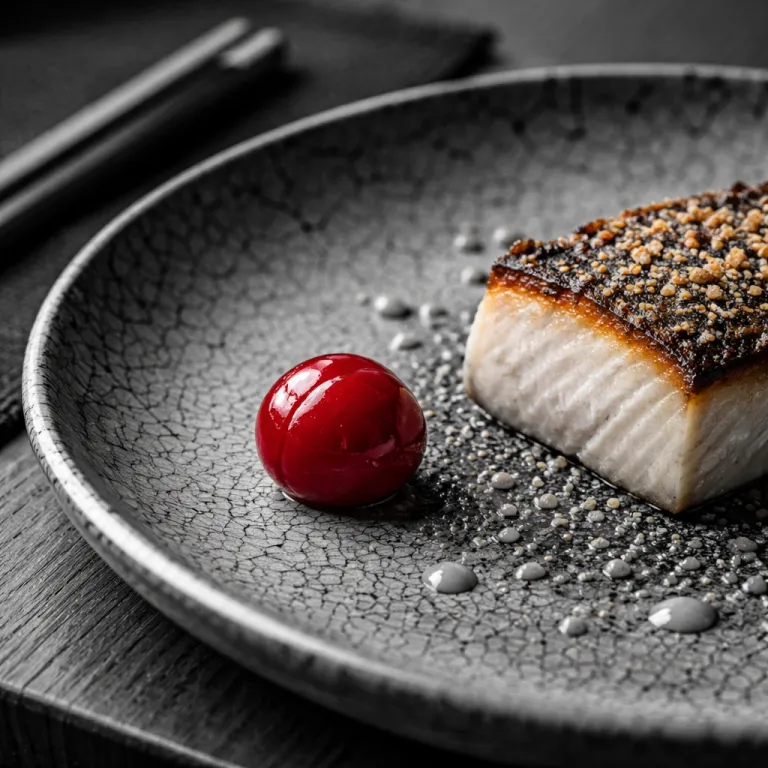
Sezanne Tokyo restaurant as a destination, not a hotel extra
Sezanne Tokyo restaurant occupies the seventh floor of Four Seasons Hotel Tokyo at Marunouchi, yet it operates with the confidence of a standalone destination. In a city where many Tokyo restaurants inside luxury properties can feel like safe corporate choices, this dining room has carved out its own identity with multiple accolades, including three Michelin stars in the 2024 Tokyo guide and a place near the top of Asia’s 50 Best Restaurants. For business and leisure travelers who might normally choose a hotel on the Tokyo Station side purely for convenience, this French restaurant is reason enough to cross town for dinner.
The dining room overlooks the rail lines of Tokyo Marunouchi, giving a cinematic view of shinkansen and commuter trains sliding in and out of Tokyo Station while service glides around you. That view anchors you in Tokyo, Japan, but the cooking at Sezanne seasons the experience with a European sensibility that never loses respect for local produce. It is this tension between French ambition and Japanese restraint that places Sezanne firmly on any serious restaurant list for travelers who plan their trips around the most compelling tables rather than the nearest lobby bar.
Chef Daniel Calvert leads the kitchen with a focus on modern French cuisine that is precise rather than showy. His team works from an open kitchen that brings quiet theatre to the room, yet the atmosphere remains calm enough for serious conversation at every table. For executives extending a stay at a Four Seasons property or any other luxury hotel in Chiyoda, Tokyo, Sezanne offers a dining experience that feels like an evening in its own world, not an obligation attached to your room key.
The tasting menu and how French technique meets Tokyo produce
The core tasting menu at Sezanne Tokyo restaurant runs as a tightly edited sequence, not an endless parade of plates. Expect a structure that moves from pristine seafood through carefully handled vegetables to deeper, sauce-driven main courses, always calibrated to the seasonal menu that defines the kitchen’s rhythm. This is where Sezanne shows why it belongs among the best restaurants in Asia, translating French technique through the lens of Japan’s markets and producers.
A signature crab preparation often appears early in the menu, the sweet meat paired with a luminous sauce built from shellfish reduction and bright citrus; on a recent visit, the dish arrived under a chilled veil of tomato water that tasted like late summer in a spoonful. Later courses might reference fugu or other prized Japanese species, though always within the language of French cuisine rather than a pastiche of kaiseki or Chinese banqueting traditions. If you are mapping out a restaurant list for a short stay in Tokyo, Japan, this tasting menu offers a concentrated education in how European kitchens can respect Japanese seasonality without mimicry.
Calvert’s open kitchen allows guests to watch the brigade plate each course with almost surgical focus. One server described the goal as “making the timing feel invisible, so you only notice the food and the person across from you.” The floor seasons the experience with a choreography of service that keeps the table clear, the glasses aligned and the pacing exact, which matters when your only free night in Tokyo is tightly scheduled between meetings. For travelers comparing the top hotel dining options in the city, Sezanne stands apart from peers like Les Saisons at Imperial Hotel Tokyo or the experimental counters at Mandarin Oriental and Andaz; it reads as a restaurant that happens to share a building with a hotel, not a hotel dining room chasing relevance.
For readers planning where to stay as well as where to eat, pairing Sezanne with one of the finest stays in the city creates a coherent itinerary. Our guide to top rated hotels in Japan for luxury and premium travelers can help you align your reservation here with a property that matches the same level of polish. Think of Sezanne as the gastronomic anchor around which you build the rest of your Tokyo Marunouchi schedule.
Inside the Andre Fu dining room and the new Four Seasons context
The recent redesign by André Fu has transformed the dining room of Sezanne Tokyo restaurant into a space that feels more like a discreet private club than a typical hotel venue. Soft blush tones, sculpted banquettes and generous spacing between each table create a sense of privacy that suits both client dinners and quiet celebrations. The view across Marunouchi, Chiyoda is framed by large windows, yet the room’s lighting keeps the focus on the plates and the people rather than the skyline.
Fu’s work here is part of a broader refresh of Four Seasons Hotel Tokyo at Marunouchi, but Sezanne’s floor-level details feel particularly considered. The open kitchen sits like a stage at one end of the dining room, yet the acoustics are tuned so that the clatter of pans never intrudes on conversation. For guests used to the louder energy of some Tokyo restaurants, the calm here can feel almost residential, which is precisely why it works so well for business-leisure travelers who have spent the day in high-intensity meeting rooms.
While the restaurant is physically inside a Tokyo hotel address, the design language avoids the generic international luxury template. Instead, the space nods subtly to Japan through material choices and art, while the layout supports both intimate tables for two and larger private dining configurations. If you are curious about how Japanese hospitality spaces interpret tradition, our guide on how to read a kaiseki menu at a luxury Japanese hotel offers useful context before you compare Sezanne’s French approach with more classical ryotei or ryokan dining.
For many travelers, the question is whether to stay in the same Four Seasons hotel or to treat Sezanne as a standalone destination from another property. The answer depends on your schedule; if you have back-to-back meetings in Chiyoda, Tokyo, staying on site turns the restaurant into an effortless extension of your room, while those based in other districts can treat the journey to Tokyo Marunouchi as a deliberate prelude to the evening. Either way, the André Fu interiors ensure that once you step into the dining room, the city feels pleasantly held at arm’s length.
How to reserve, where to sit and what to expect from service
Securing a table at Sezanne Tokyo restaurant requires planning, especially for peak seasons when international visitors and local regulars converge. Reservations are essential, and the restaurant notes that “Reservations are essential. Dress code: smart casual. Children over 13 are welcome,” which sets expectations for both attire and atmosphere. For executives building a Tokyo, Japan itinerary around limited free evenings, it is wise to reserve as soon as your flights and hotel bookings are confirmed.
The main dining room offers the best balance of view, privacy and proximity to the open kitchen, making it ideal for both client entertaining and quieter dinners. Seats closer to the kitchen give a more immersive dining experience, with a clear line of sight to Daniel Calvert and his équipe as they move through service, while tables by the windows lean into the cityscape and the choreography of trains below. If you are planning a private dining event, the team can configure spaces to suit small groups, though these arrangements should be requested well in advance when you reserve.
Service follows the Four Seasons template of polished warmth, but the restaurant’s own culture adds a more European cadence. The staff know the menu in detail, from the provenance of the crab to the construction of each sauce, and they handle questions about wine pairings or corkage with ease; the official information notes, “Is there a corkage fee? Yes, JPY 18,975 per 750 ml bottle.” Strict dietary requirements cannot be accommodated, so guests with complex needs should consider this carefully before committing to the full tasting menu format.
For those who like to research before booking, the official website’s location page provides clear directions to Pacific Century Place in Marunouchi, Chiyoda, making navigation from other parts of Tokyo straightforward. If your broader trip includes more traditional stays, our guide to serene ryokan stays with private onsen in Tokyo pairs well with a night at Sezanne, allowing you to contrast contemporary French luxury with classic Japanese hospitality. Think of the reservation process here as your first interaction with the restaurant’s ethos: efficient, precise and quietly confident.
When Sezanne makes sense in a tight Tokyo schedule
For business-leisure travelers, the real question is when Sezanne Tokyo restaurant justifies being your single major dinner in the city. If you have only one free night between meetings in Tokyo, this dining room offers a concentrated expression of both French ambition and Japanese seasonality in a single, carefully paced tasting menu that typically runs to around a dozen courses and a price point in line with other three-star experiences in the capital. That makes it particularly compelling for executives who value depth over breadth and prefer one great meal to a rushed tour of multiple restaurants.
Sezanne’s location in Tokyo Marunouchi means it slots neatly into itineraries centered around the financial and governmental districts of Chiyoda, Tokyo. You can step out of a meeting near the Imperial Palace, walk a few minutes to the hotel entrance and be seated at your table with a view of the tracks before the first glass of champagne arrives. For travelers staying further afield, the proximity to Tokyo Station keeps transfers efficient, whether you are arriving from Kansai by shinkansen or heading to Haneda after dinner.
From a strategic perspective, including Sezanne in your restaurant list alongside more traditional Japanese options such as sushi counters or kaiseki houses gives your trip a satisfying narrative arc. One night you might be parsing the structure of a multi-course kaiseki meal, the next you are watching Daniel Calvert’s open kitchen reinterpret similar ingredients through the lens of French cuisine, with crab, fugu and seasonal vegetables appearing in very different guises. This contrast is precisely what makes Tokyo, Japan such a compelling city for gastronomic travelers who care as much about context as about rankings like Asia’s 50 Best or the Michelin Guide.
If you are building a longer stay, Sezanne can serve as the anchor around which you plan other experiences, from art in Roppongi to quieter evenings in ryokan-style retreats. The restaurant’s presence inside a Four Seasons hotel also means you can align loyalty points, meeting room needs and high-level dining in one address, which matters for frequent travelers managing both budgets and expectations. In a city where choice can feel overwhelming, treating Sezanne as a deliberate, singular commitment often yields the most memorable return on your limited time.
Reading the plate: what the menu tells you about Tokyo’s dining ecosystem
Sitting down at Sezanne Tokyo restaurant, you are not just reading a menu; you are reading a map of how Tokyo’s dining culture has evolved. The presence of ingredients like crab, fugu and hyper-seasonal vegetables from across Japan signals a deep integration with local supply chains that once served almost exclusively Japanese formats. Here, those same products are filtered through French technique, with each sauce, garnish and texture calibrated to express both origin and intent.
The restaurant’s position among Asia’s 50 Best Restaurants and its three Michelin stars underline how far hotel-based dining rooms in Tokyo have come. Where once the safest bet for a client dinner might have been a conservative grill room, today a Four Seasons property can host a restaurant that competes directly with the city’s most coveted independent counters. This shift reflects a broader trend in Tokyo, Japan, where international luxury brands and local chefs collaborate more closely, blurring the old lines between street-level restaurants and elevated hotel dining rooms.
For travelers, this means that a carefully chosen Tokyo hotel booking can now double as a strategic base for serious eating. Staying at or near Four Seasons Hotel Tokyo at Marunouchi places Sezanne within elevator distance, while still leaving you free to explore sushi in Ginza, yakitori in Shinjuku or Chinese kitchens in Nihonbashi on other nights. The key is to treat Sezanne as one essential stop on a curated restaurant list rather than the only story you tell yourself about the city’s food.
Ultimately, the dining experience at Sezanne seasons your understanding of how global and local forces intersect in this city. From the open kitchen where Daniel Calvert’s équipe plates each course to the calm dining room that frames the view of Marunouchi, Chiyoda, every detail speaks to a Tokyo that is confident enough to host world-class French cuisine without diluting its own identity. For the business-leisure traveler, that confidence translates into a simple recommendation: if you have the time, the budget and the curiosity, Sezanne deserves a place near the top of your personal restaurant list for this trip.
FAQ about Sezanne in Tokyo
What kind of cuisine does Sezanne serve?
Sezanne offers modern French cuisine shaped by Japanese seasonal ingredients. The tasting menu format highlights seafood, vegetables and meats sourced across Japan, interpreted through precise French techniques. Guests can expect refined sauces, clean flavors and a strong sense of seasonality in every course.
How far in advance should I reserve a table?
Reservations are essential and should be made several weeks in advance, especially for weekends or peak travel periods. Business travelers with fixed schedules in Tokyo are advised to book as soon as flights and hotel arrangements are confirmed. Last-minute tables are rare, so flexibility on date or time may be required.
What is the dress code at Sezanne?
The restaurant operates with a smart casual dress code that suits its refined but relaxed atmosphere. Jackets are common but not strictly mandatory, while sportswear and overly casual clothing are best avoided. This balance makes the room appropriate for both client dinners and special private occasions.
Can Sezanne accommodate dietary restrictions?
Sezanne has limited flexibility with strict dietary requirements due to the tightly structured tasting menu. Mild preferences can sometimes be discussed at the time of reservation, but guests with complex allergies or restrictions may find options constrained. It is important to communicate any needs clearly when booking and to confirm what is realistically possible.
Is Sezanne suitable for business dinners?
The calm dining room, polished service and precise pacing make Sezanne very well suited to business dinners. Tables are spaced for privacy, and the open kitchen adds interest without overwhelming conversation. Its location in Marunouchi also makes access straightforward from many corporate offices and major hotels in central Tokyo.
References
Four Seasons Hotel Tokyo at Marunouchi official site; Asia’s 50 Best Restaurants; Michelin Guide Tokyo.