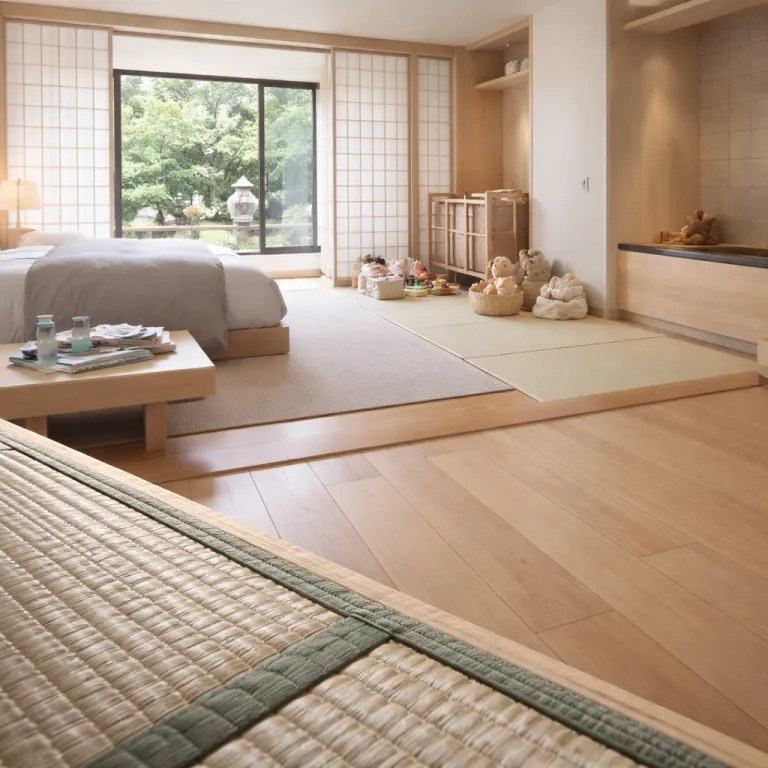
Reading between the lines of luxury family hotels in Japan
Luxury family hotels in Japan can feel either warmly embracing or politely distant toward children. The real skill lies in spotting which hotel genuinely welcomes families and which one simply tolerates younger guests because policy says they must. In a country where omotenashi—thoughtful, anticipatory hospitality—defines service, the right questions reveal far more than any glossy brochure or polished website.
Start with age policy, because many high end hotels in Japan quietly set thresholds that shape everything from access to restaurants to onsen etiquette for families. When you speak with the front desk or reservations team, ask not only whether children are allowed, but at what ages they can share existing rooms, use the pool, or join parents in lounges without extra charges. Industry surveys from groups such as the Japan Hotel Association indicate that a large majority of hotels allow children under twelve to stay, yet policies on extra bed fees, breakfast charges, and amenity inclusions still vary widely between properties and even between different hotels in the same brand.
Ask specifically how many people a standard hotel room can accommodate, and whether there are true family rooms or connecting rooms that keep everyone on one floor. In luxury family hotels across Japan, you will often find that rooms sleep fewer guests than their square meter count suggests, because fire regulations and bedding norms are strict. Clarify whether the hotel can accommodate people in a configuration that suits your family, such as two rooms connected internally or a suite plus an extra bed for younger children, and request written confirmation of the maximum occupancy and any related surcharges.
Transport is another hidden filter that separates the best family hotels from merely convenient addresses. In central Tokyo, for example, a property near Tokyo Station or Shinjuku Station might look ideal on a map, yet a ten minute walk with strollers, luggage, and tired children can feel much longer. Ask the front desk in advance about minutes by subway or train from the nearest station, stroller friendly exits, and whether taxis are easy to find at peak time when families are heading to dinner or returning from Tokyo Disney.
Finally, listen carefully to how staff talk about families rather than just what they say. When a reservations agent instinctively offers kid friendly amenities, flexible breakfast times, or suggestions for family friendly activities nearby, you are hearing a hotel that truly understands premium families. When they hesitate over basic questions about a crib, extra towels, or whether rooms sleep three instead of two, that hesitation is your signal to keep looking for better options, even if the property markets itself as a luxury family hotel in Japan.
Five essential questions to ask before you book
Every strong booking call for luxury family hotels in Japan should follow a simple structure. You are not just confirming dates and rates; you are testing how the hotel thinks about children, logistics, and the rhythm of a real family trip. These five questions will quickly separate the best options from the ones that only look polished online, and they form the backbone of any expert level booking script.
First, ask about age policy in detail, especially if you are considering a Japanese style property with onsen or kaiseki. Many ryokan and onsen led hotels in Japan set minimum ages, often six or twelve, for in suite kaiseki dining and for shared hot spring baths, which can reshape how your family uses time in the hotel. Clarify whether younger children can use private onsen, whether there are family friendly time slots, and whether in room dining can replicate the full Japanese dinner experience without breaking etiquette or disturbing other guests.
Second, drill into room configuration, because this is where many families are caught off guard. Ask whether there are dedicated family rooms, whether connecting rooms are guaranteed or only “on request”, and how many people each room can legally host. In some Tokyo hotels, rooms sleep only two guests even when the floor space looks generous, so you may need two rooms or a suite to keep families together comfortably; ask for sample floor plans or written notes so you can compare options accurately.
Third, talk about in room dining and children’s menus, especially if you plan early nights after long days at Tokyo Disney or Tokyo Disneyland. Ask whether the hotel offers kid friendly options beyond pasta and fries, and whether Japanese dishes can be adapted gently for younger palates or allergy needs. If you are staying near Tokyo Station or Shinjuku, confirm whether late night room service is available and whether there are realistic cut off times, because hungry children at odd hours can quickly turn a great day into a difficult evening.
Fourth, ask about spa or onsen access for children, and whether there are private bath options that accommodate people of different ages together. Communal onsen in Japan require nudity, which can be a cultural and logistical hurdle for some families, so private rotenburo or in room soaking tubs can be a better fit. For deeper wellness led stays, look at properties such as Amanemu, where experiences like forest bathing along Ise Shima’s pilgrim trails can be adapted thoughtfully for older children who are comfortable with longer walks and quieter activities.
Finally, explore transport help and neighborhood walkability, because this shapes every day of your stay. Ask whether the hotel can arrange train tickets, airport transfers, or timed taxis to reach Tokyo Disney, Sunshine City, or other family hubs without stress. A property that anticipates strollers, nap schedules, and the reality of moving families through busy stations is far more likely to deliver a genuinely family friendly stay, and you can test this by asking them to outline a sample route from the hotel to one major attraction.
Tokyo: which luxury hotels really work for families
Tokyo can feel overwhelming on a first visit, yet the right hotel turns the city into a manageable playground for families. In the luxury family hotels Japan landscape, three names consistently deliver for premium families in Tokyo: Mandarin Oriental Tokyo, Park Hyatt Tokyo, and Four Seasons Hotel at Marunouchi. Each one handles space, service, and location in ways that respect both adults and children, and each has a track record of hosting multigenerational trips.
Mandarin Oriental Tokyo sits above Mitsukoshi Mae Station, a short walk from Tokyo Station, which makes it ideal for families Tokyo bound by Shinkansen or Narita Express. Rooms sleep families comfortably thanks to generous square footage, and connecting rooms are available for larger groups who want privacy without distance. Ask the front desk about kid friendly amenities, from child sized yukata to welcome treats, and confirm whether they can accommodate people with food allergies or special diets in both restaurants and room service, including children’s menus that feature Japanese dishes.
Park Hyatt Tokyo in Shinjuku offers a different rhythm, with cinematic views and a quieter, more residential feel. The hotel room layouts here often suit families who value calm evenings after exploring Shinjuku’s neon streets, and family rooms or suites can be configured with extra beds for younger children. When you book, ask specifically which rooms sleep three or four, how far the walk is to Shinjuku Station in minutes, and whether the hotel can arrange a car for early departures to Tokyo Disney or Tokyo Disneyland so that you avoid rush hour crowds.
Four Seasons Hotel at Marunouchi is smaller, but its location near Tokyo Station makes it one of the best options for rail focused itineraries. Families can reach the Shinkansen platforms in minutes, yet still retreat to a quiet, polished space where staff know children by name and remember preferences. When speaking with reservations, ask about guaranteed connecting rooms, late checkout for families with evening trains, and any seasonal activities designed for children staying in central Tokyo, such as themed treasure hunts or simple craft workshops.
For more apartment style stays, Mimaru Tokyo properties across the city offer spacious family rooms with kitchenettes and multiple beds, which can be a great complement to a few nights in a full service luxury hotel. These hotels across Japan are designed to accommodate people traveling in groups, with layouts where rooms sleep five or six without feeling cramped and where bunk beds or tatami areas give children their own corners. To understand how these and other properties fit into the broader high end landscape, consult a detailed hotel guide to Japan’s evolving luxury scene before you lock in dates so you can balance apartment style comfort with classic five star service.
Kyoto, onsen stays, and when to skip a property with kids
Kyoto asks different questions of luxury family hotels in Japan, because the city’s rhythm is slower and more ritual driven. Here, the best hotels balance proximity to temples with easy transport, and they handle children with a softer, more residential touch. Three names stand out for premium families: The Ritz Carlton Kyoto, Park Hyatt Kyoto, and Suiran, a Luxury Collection Hotel, each offering a distinct take on family friendly luxury.
The Ritz Carlton Kyoto sits along the Kamogawa River, within a comfortable walk of Gion and central shopping streets, which makes it ideal for families who prefer to explore on foot. Rooms sleep families generously, and connecting rooms or suites can be arranged so that parents and children share a single, coherent space. When booking, ask the front desk about family friendly cultural activities, such as calligraphy or wagashi making, and confirm whether these can be tailored to different ages and attention spans so that younger children are not overwhelmed.
Park Hyatt Kyoto in Higashiyama offers a more intimate feel, with layered views over tiled rooftops and temple grounds. Families who value design and quiet will appreciate how the hotel room layouts create natural separation between sleeping and living areas, which helps when younger children go to bed early. Ask reservations which family rooms or suites work best for strollers, how steep the surrounding streets are for a daily walk, and whether taxis can reach the entrance easily at peak time, especially during cherry blossom or autumn foliage seasons.
Suiran in Arashiyama blends resort calm with access to bamboo groves and riverside walks, but here onsen etiquette becomes central. Many onsen focused hotels in Japan have communal baths where nudity is required, which can be challenging for some families, so ask clearly about private bath options that accommodate people together and whether there are posted age limits. If your children are under eight, be honest with yourself about whether the property’s quiet, adult leaning atmosphere will truly feel kid friendly, even if the website says children are welcome and technically allows younger guests.
Across Kyoto and classic onsen towns, some ryokan quietly prefer older guests, even when they technically accept children. Before booking, ask whether there are age minimums for in room kaiseki, whether children can use the onsen at all, and whether there are family friendly time slots that keep noise from disturbing other guests. If the answers feel hesitant or restrictive, you may be better served by a more flexible luxury hotel in Kyoto or by an innovative property such as the reimagined Hoshinoya Nara, where projects like the conversion of a Meiji era prison into suites signal a more contemporary approach to families and multigenerational travel.
Hidden family friendly gems and how to interrogate the details
Beyond the headline names, a handful of less obvious properties quietly excel for luxury family hotels in Japan, especially around Shinjuku and Ikebukuro. Keio Plaza Hotel Tokyo, for example, sits a short walk from Shinjuku Station and has long experience hosting families, including those heading to Tokyo Disney and Tokyo Disneyland. Here, family rooms and connecting rooms are more common than in some ultra luxury towers, and the front desk understands how to move people efficiently through the station maze with strollers and suitcases.
In Ikebukuro, Sunshine City Prince Hotel offers direct access to a shopping and entertainment complex that keeps children occupied even on rainy days. While not as overtly luxurious as a Park Hyatt or Mandarin Oriental, certain renovated floors and larger room categories can work well as part of a mixed itinerary that combines high end stays with practical bases. Ask which rooms sleep three or four comfortably, how many minutes by subway separate the hotel from central Tokyo, and whether there are kid friendly breakfast options that start early enough for theme park departures.
Apartment style chains such as Mimaru and specifically Mimaru Tokyo properties deserve attention from premium families who value space and kitchens. These hotels across Japan are designed so that family rooms accommodate people in flexible layouts, often with bunk beds, tatami corners, and dining tables that make longer stays easier. When you book, ask whether housekeeping can adapt schedules around nap time, whether strollers can be stored near the front desk, and how far the walk is to the nearest station for late evening returns after shows or night views.
Even in these more casual settings, you should apply the same five question framework used for top tier luxury hotels. Clarify age policies, room configurations, in room dining or delivery partnerships, spa or bath access, and transport logistics to and from major hubs like Tokyo Station. The best options will answer quickly and specifically, while weaker hotels will give vague assurances that do not help real families and make it harder to compare properties on a like for like basis.
Finally, remember that hidden gems are defined less by price point and more by how they make families feel seen. A mid range property that offers a genuinely family friendly welcome, flexible check in, and thoughtful help with train routes can outperform a grand address that treats children as an afterthought. When you find a place where staff greet your family by name, adjust breakfast times without fuss, and suggest great neighborhood walks, you have found your own quiet luxury in Japan, regardless of whether the hotel markets itself as a flagship.
Practical booking script and expert level checks
Turning all of this into action means building a simple script before you contact any hotel in Japan. Whether you use a travel agent, an online platform, or call the front desk directly, a structured list of questions keeps the conversation focused. It also signals to the hotel that you are a thoughtful guest who values clarity and is willing to pay for the right fit, which often leads to more detailed, candid answers from reservations teams.
Begin with the basics: dates, number of people, and ages of each child, then move quickly into how many rooms sleep your family comfortably. Ask whether there are true family rooms or guaranteed connecting rooms, and whether any hotel room category includes a separate living area where adults can unwind after bedtime. If the property mentions a maximum occupancy that feels tight, ask whether they can accommodate people in two adjacent rooms instead, and whether that affects rate, breakfast inclusion, or loyalty benefits.
Next, address dining and downtime, because this is where many luxury family hotels across Japan either shine or stumble. Ask about children’s menus in both restaurants and room service, whether Japanese dishes can be gently adapted, and whether in room dining is available at odd hours for jet lagged families. When discussing spa or onsen, remember that “Do Japanese luxury hotels have child-friendly facilities?”, “Are cribs available in Japanese luxury hotels?”, and “Do Japanese luxury hotels charge extra for children?” sit alongside questions about pool access and bath etiquette as core topics that reservations teams should answer clearly.
Then, move to logistics: distance to the nearest station, minutes by subway or train to key sights, and how easy the walk is with strollers or small legs. For families heading to Tokyo Disney or Tokyo Disneyland, ask whether there are direct buses, reserved taxis, or simple rail routes from hubs like Tokyo Station or Shinjuku. A hotel that can map this out in detail, including backup plans for rain or rush hour, is far more likely to deliver a smooth stay and to understand the realities of family travel in Japan.
Finally, trust your instincts about tone and specificity, because these are the real hidden gems in any conversation. When staff answer quickly, reference concrete examples, and volunteer extra tips for kid friendly activities, you are hearing the culture of a truly family friendly hotel. When answers feel rehearsed, vague, or resistant to detail, take that as your cue to keep searching across the rich spectrum of family hotels and luxury properties throughout Japan, and use your booking script as a checklist to compare how each property responds.
FAQ
Do Japanese luxury hotels charge extra for children ?
Policies vary; some charge extra for children over a certain age, often around six to twelve years old. Always ask whether the quoted rate includes children, whether breakfast is charged separately, and how fees change once a child moves from sharing existing bedding to needing their own bed. Clarifying this in advance prevents surprises at checkout and helps you compare hotels on a like for like basis, especially when one property includes children’s breakfast and another does not.
Are cribs available in Japanese luxury hotels ?
Many luxury hotels in Japan offer cribs upon request, but numbers are limited and safety standards mean they cannot exceed a set capacity. Reserve a crib at the same time you book your room, and ask the front desk to note it clearly in your reservation and confirmation email. If you are moving between several hotels, confirm crib availability at each stop so that sleep routines remain consistent for your child and you are not forced into last minute bedding changes.
Do Japanese luxury hotels have child friendly facilities ?
Some high end hotels provide play areas, children’s menus, and kid friendly pools, while others focus almost entirely on adults. When you book, ask specifically which facilities children can use, at what ages, and during which hours, and whether there are quiet times when families are asked to avoid certain spaces. This level of detail will help you distinguish truly family friendly hotels from properties that simply allow children to stay but do not actively cater to them.
How can I verify a hotel’s child policy before booking ?
The most reliable method is to contact the hotel directly by email or phone and ask for written confirmation of age limits, extra bed fees, and access rules for pools or onsen. Hotel websites and online booking platforms sometimes simplify or omit details, so a direct answer from the reservations team is essential for accurate planning. Keep that confirmation in your records in case questions arise during check in, and bring a printed or digital copy if you expect to arrive late at night.
What is the best way to choose between two family friendly hotels in Tokyo ?
Once you confirm that both hotels welcome children, compare room configurations, transport links, and neighborhood atmosphere. A property near Tokyo Station may be better for Shinkansen travel, while one near Shinjuku or Sunshine City might suit families who value shopping and entertainment and want easy access to casual dining. Ask each hotel to outline a sample day with children from their location, including breakfast timing, travel to one major sight, and dinner options, then choose the one whose rhythm matches your family’s style.