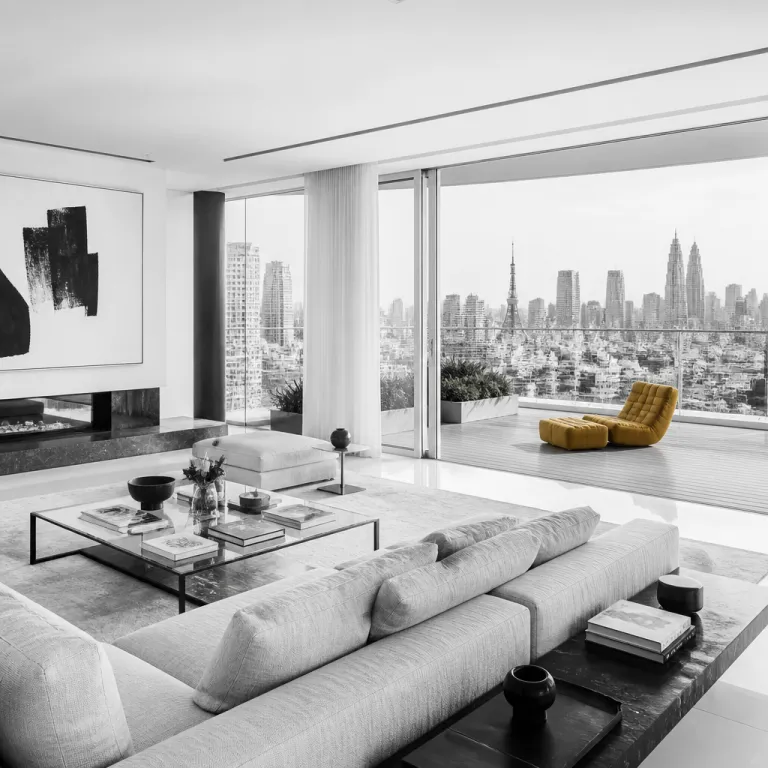
Why a penthouse apartment in Tokyo feels like a private urban retreat
A penthouse apartment in Tokyo offers a rare sense of calm above the city. From the highest floor of a carefully engineered high-rise, you step into a residence where skyline views, refined materials, and attentive hotel-style services merge into one seamless living experience. For travellers comparing luxury hotels and serviced apartments across Tokyo, this type of property often becomes the benchmark for what true urban serenity can feel like.
By definition, a penthouse is a luxury unit on a building's top floor with exclusive features, and in central Tokyo that usually means wraparound glass, high ceilings, and terraces that frame the city’s towers in every direction. Many include outdoor spaces because, as one Tokyo-based broker notes in a 2023 interview with a major Japanese real estate portal, “Many include terraces or balconies with city views.” When you book a penthouse-style apartment through a premium hotel or luxury rental platform, you are not only reserving a room; you are securing a high-grade living environment that rivals the best residential tower experiences in Minato or the Minato–Shibuya corridor.
Urban travellers often ask whether these apartments are closer to hotels or to private homes, and the answer lies somewhere in between. You enjoy the privacy of self-contained residences Tokyo guests appreciate, yet you still benefit from concierge desks, housekeeping, and access to a fitness gym or swimming pool that match five-star standards. For guests planning a long-term stay, this hybrid model of luxury living can be more comfortable than a classic hotel room, especially when floor heating, full kitchens, and generous storage are part of the total units available in the residence.
Key districts for a penthouse apartment in Tokyo’s luxury hotel ecosystem
Location defines the character of every high-floor residence travellers consider, and nowhere is this more evident than in central Tokyo’s most prestigious hills developments. Around Roppongi Hills and Toranomon Hills, hotel-style residences share the skyline with some of the city’s most coveted real estate, giving guests direct access to Michelin-starred dining, contemporary art museums, and late-night cocktail bars. In these areas, a high residential tower often integrates a hotel, a condominium, and serviced apartments within the same property, creating a vertical village that feels both exclusive and connected.
Minato is the core district for this style of living, with towers such as Mori Tower in Roppongi Hills and the emerging Azabudai Hills complex reshaping the skyline. Here, a penthouse might be located on the uppermost floor of a mixed-use building, with hotel suites below and long-term luxury rental units above, all within walking distance of a major station and international schools. For guests who value a refined living environment, these towers offer landscaped garden decks, residents’ lounges, and curated wellness floors with a fitness gym and indoor swimming pool that rival private clubs behind discreet lobbies.
Shibuya and the broader Minato–Shibuya corridor offer a different energy, appealing to travellers who want nightlife and creative culture on their doorstep. A penthouse in this area places you above the neon, yet within a short walk of Shibuya Station, Omotesandō, and Aoyama’s galleries, which is ideal for guests who treat their residence as a base for exploration. When comparing units in Shibuya versus Minato, consider whether you prefer the polished atmosphere of Roppongi Hills and Toranomon Hills or the more eclectic, youth-driven streets that surround Shibuya’s towers and high-rise condominium projects.
For guests who want to pair their Tokyo stay with quieter destinations, it is worth exploring slow-travel itineraries that combine a central penthouse with regional ryokan stays; curated guides to luxury hospitality and Japanese whisky bars can help you understand how different neighbourhoods feel after dark. This contrast between high-energy districts and tranquil retreats makes your choice of area even more strategic. A well-chosen property becomes the anchor that lets you enjoy both sides of Japan’s hospitality culture without sacrificing comfort or privacy.
Inside the experience: design, amenities, and services that define penthouse living
Stepping into a penthouse residence, Tokyo guests quickly notice the emphasis on volume, light, and materials. Floor-to-ceiling windows, open-plan living rooms, and carefully zoned spaces create a sense of flow that standard hotel rooms rarely match. In many high-grade residences, floor heating runs beneath natural stone or engineered wood, ensuring that winter stays feel as comfortable as the humid summer months.
Luxury hotel booking platforms now highlight specific features such as private terraces, smart home systems, and access to shared amenities, because these details shape the overall living environment. A well-curated property in a residential tower near Roppongi Hills might offer residents-only elevators, a staffed reception, and a residents’ garden on a mid-level floor, while still granting access to the hotel’s spa, swimming pool, and fitness gym. For travellers considering long-term stays, these services can be more valuable than sheer floor area, especially when travelling with family or working remotely.
Many of Tokyo’s most desirable apartments are located within mixed-use complexes where total units are carefully planned to balance privacy and community. In developments such as Azabudai Hills or Toranomon Hills, you may find a combination of hotel suites, serviced apartments, and privately owned condominium units, all sharing landscaped plazas and retail podiums. When you review listings from major agencies such as Mori Building or leading Japanese brokerages, pay attention to whether your residence is part of the hotel inventory or a separate real estate unit managed by a specialist operator, as this affects housekeeping frequency, in-room dining options, and access to shared facilities.
Seasonality also influences the experience, especially in a city where cherry blossoms, summer festivals, and autumn foliage each transform the skyline; insights on how luxury hotels adapt between cherry blossom and rainy season can help you time your stay. A penthouse with a generous balcony or roof garden becomes particularly valuable during these transitional periods, when outdoor living feels most pleasant. Watching the city shift from your own terrace is one of the quiet luxuries that sets this style of residence apart from even the best hotel suites.
How much does a penthouse style stay cost in Tokyo’s luxury market ?
Pricing for a penthouse-style stay in Tokyo varies widely, but it consistently sits at the top of the city’s accommodation spectrum. Recent listings from major Japanese real estate agencies and English-language portals such as Real Estate Japan and Japan Property Central show that many central Tokyo penthouses in new or recently built towers are marketed in the 2,500,000–3,500,000 USD range for approximately 140–170 square metres, depending on age, brand, and exact location. This order of magnitude helps explain why nightly and monthly rates are significantly higher than standard hotel rooms, even when you are only renting rather than buying.
For short stays booked through luxury hotel platforms, you might see nightly rates starting around 120,000–180,000 JPY for compact one-bedroom penthouse suites in central districts, rising to 300,000 JPY or more for larger units with panoramic views or private gardens. Long-term luxury rental contracts for serviced apartments in towers such as Roppongi Hills, Toranomon Hills, or Azabudai Hills often quote monthly rents in the 1,500,000–3,000,000 JPY range for high-floor residences with unobstructed views of Tokyo Tower or the wider central Tokyo skyline. Guests should factor in not only the base rent but also service charges that cover concierge teams, security, and access to amenities such as the swimming pool and fitness gym.
When comparing options, it helps to distinguish between hotel-managed penthouse suites and privately owned condominium units offered as serviced apartments that travellers can book. Hotel suites typically bundle utilities, housekeeping, and taxes into a single JPY rate, which simplifies budgeting for shorter trips. By contrast, long-term stays in residential tower units may involve separate charges for cleaning, parking, and sometimes membership-style access to spa facilities, so reading the contract carefully is essential before committing to several months in one residence.
Comparing landmark towers and residences: what sets each experience apart
Not all penthouse-style options in Tokyo feel the same, even when they share similar floor areas or price points. Each landmark tower or residence has a distinct personality shaped by its architecture, services, and surrounding streets. Understanding these nuances helps you match a property to your travel style rather than choosing solely on views or brand recognition.
Roppongi Hills, anchored by Mori Tower, offers a cosmopolitan mix of art, dining, and entertainment, making it ideal for guests who want culture and nightlife within walking distance of their residence. Penthouse units here often sit atop a residential tower that shares the podium with luxury hotels, offices, and retail, creating a self-contained neighbourhood that feels busy yet secure. Toranomon Hills, by contrast, leans toward business travellers and embassy guests, with high-grade offices, hotels, and apartments integrated into a more corporate yet still refined living environment.
Azabudai Hills introduces a different concept, emphasising greenery and wellness in the heart of central Tokyo. Here, penthouse apartments may overlook a central garden and low-rise plazas rather than only glass and steel, which appeals to guests who prioritise calm over constant stimulation. Long-established low-rise residences in nearby Minato, while more traditional in style, remain sought after for their generous layouts, strong sense of privacy, and reputation within the real estate community as reliable long-term luxury rental options for expatriates and frequent travellers.
When evaluating these towers, consider practicalities such as proximity to a major station, the quality of the surrounding streets, and the mix of total units in each building. A smaller residence with fewer apartments can feel more intimate, while a larger complex may offer a broader range of services and dining options under one roof. In every case, the goal is to align the character of the property with your expectations for service, privacy, and daily routines during your stay.
From hotel suite to long term residence: choosing the right format for your stay
Travellers considering a penthouse-style stay in Tokyo often face a key decision between a short hotel-style booking and a longer residential arrangement. The choice depends on how you plan to use the space, how often you travel, and how much independence you want from hotel schedules. For some guests, a few nights in a top-floor suite with full hotel services is perfect, while others prefer the rhythm of a private residence that feels like home.
Short stays work best when you prioritise daily housekeeping, in-room dining, and the ability to charge services to your room, which classic hotels and serviced apartments across the city are designed to provide. Long-term arrangements, especially in condominium-style units within towers such as Roppongi Hills or Azabudai Hills, suit guests who want to unpack fully, cook at home, and establish routines in a stable living environment. In these cases, features such as floor heating, full kitchens, and dedicated storage become more important than hotel-style perks, and the property begins to function as a true residence rather than a temporary suite.
For frequent visitors to Tokyo, a long-term luxury rental in a residential tower can also be a strategic real estate decision, even if you are not purchasing the unit outright. Being located within walking distance of a key station, international schools, and business districts reduces daily friction and makes each trip more efficient. If you plan to combine Tokyo with extended journeys across Japan, resources on where to stay in regional Japan for slow luxury can help you design an itinerary where your penthouse serves as a stable base between excursions.
Statistics: key figures on penthouse style living in Tokyo
- Recent central Tokyo listings for top-floor residences in new or recently built towers commonly fall in the 2,500,000–3,500,000 USD range for around 140–170 square metres, placing these units among the most expensive residential properties in the city.
- With an average size around 140–170 square metres, Tokyo penthouses are significantly larger than typical hotel rooms, which often range between 20 and 40 square metres in central districts.
- Many penthouse units in mixed-use towers include outdoor terraces or balconies, reflecting the expert observation that “Many include terraces or balconies with city views.”
- High-rise developments in areas such as Roppongi Hills, Toranomon Hills, and Azabudai Hills typically integrate hundreds of total units across residential, hotel, and office floors, creating dense yet carefully managed vertical communities.
FAQ: penthouse apartments and luxury hotel style stays in Tokyo
What defines a penthouse apartment in Tokyo’s luxury market ?
In Tokyo, a penthouse apartment is generally a luxury unit on the top floor or uppermost floors of a high-rise building, offering exclusive features such as expansive views, larger floor plans, and upgraded finishes. As one industry description puts it, “A luxury unit on a building's top floor with exclusive features.” In mixed-use towers, these residences often sit above hotel floors, giving guests both privacy and access to shared amenities.
Are penthouse stays in Tokyo significantly more expensive than hotels ?
Yes, penthouse-style stays are among the priciest accommodation options in the city, reflecting both the underlying real estate value and the scarcity of such units. With many purchase prices in the multi-million USD range for roughly 150 square metres, nightly and monthly rates naturally exceed those of standard hotel rooms. Guests pay a premium for space, views, and the combination of residential comfort with hotel-level services.
Do penthouse apartments in Tokyo usually include outdoor space ?
Many penthouse apartments in Tokyo include terraces, balconies, or roof gardens, especially in newer towers designed to maximise views of the skyline. These outdoor areas are highly valued in dense districts such as Minato and Shibuya, where private open-air space is rare. When booking, check floor plans and descriptions carefully to confirm whether your chosen unit offers an exterior area suitable for dining or relaxation.
How should travellers choose between a hotel suite and a penthouse residence ?
Travellers focused on short stays, daily housekeeping, and full-service dining often prefer hotel suites, which provide predictable services and flexible booking terms. Those planning longer visits, remote work, or family stays usually benefit from a penthouse residence with a kitchen, laundry facilities, and more generous storage. The decision ultimately depends on how much independence you want and how important hotel-style services are to your daily routine.
Which neighbourhoods are best for a penthouse style stay in Tokyo ?
Minato, including Roppongi Hills, Toranomon Hills, and Azabudai Hills, is the primary hub for high-rise luxury residences with hotel-level services. Shibuya and the surrounding Minato–Shibuya corridor appeal to guests who want a more creative, nightlife-oriented atmosphere while still enjoying high-grade towers and convenient station access. Your choice should reflect whether you prioritise business access, cultural venues, or a more relaxed, residential feel during your stay.