Why ryokan stays in Kinosaki feel different from the rest of Japan
Kinosaki is a compact hot spring town where lantern lit streets and willow trees frame every evening walk. The atmosphere suits travelers seeking a ryokan Kinosaki experience that feels intimate yet polished, especially when planning through a luxury hotel booking website in Japan or a trusted premium travel platform. Each stay here connects guests with traditional Japanese hospitality while still respecting modern expectations for comfort and privacy.
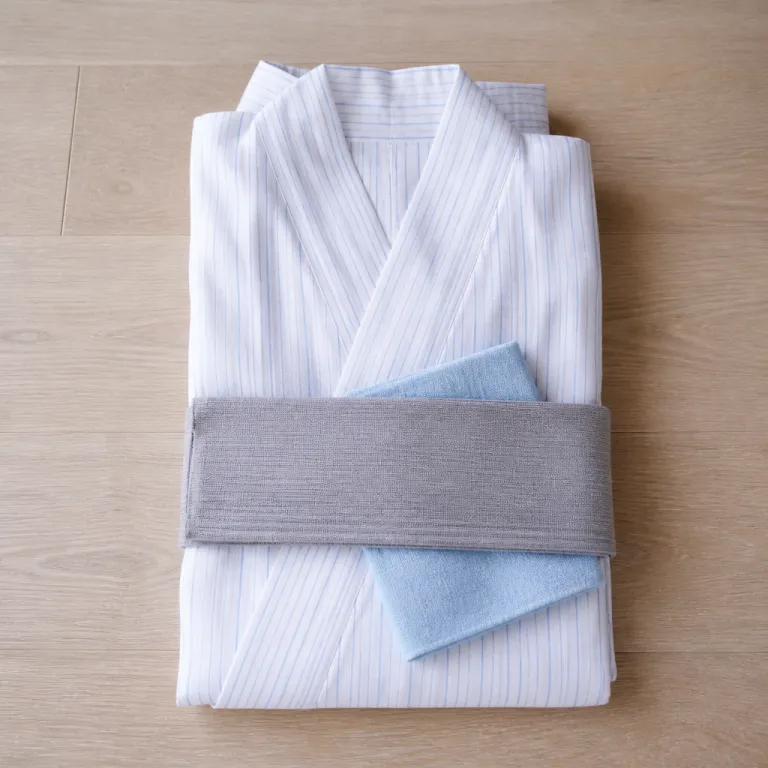
The town of Kinosaki Onsen has welcomed guests to its hot springs for more than a millennium, and that history shapes every detail of a premium reservation. According to Hyogo Prefecture and Toyooka City tourism materials, the hot spring resort developed roughly 1,300 years ago, and that legacy still guides how hosts welcome visitors today. A ryokan in this town is not just a place to sleep; it is a curated sequence of moments, from slipping into a yukata to crossing a tatami threshold into your Japanese style room overlooking a quiet garden. Luxury focused travelers appreciate that many Kinosaki ryokans now blend traditional Japanese style with discreet technology, such as key card access, reliable Wi Fi, and multilingual support at reception.
For first time visitors to Japan, the concept of a ryokan can feel unfamiliar, yet the rhythm becomes intuitive after the first hot spring bath. A ryokan Kinosaki stay usually includes access to both public baths and at least one private onsen, with some properties offering open air spring baths that face inner courtyards. Official town guides consistently highlight seven public bathhouses in Kinosaki Onsen, and because the town is compact, most traditional inns are only a few minute walk from at least one of them. This layout allows guests to move easily between their own room baths and the shared hot springs around town, following the gentle flow of people in yukata along the canal.
Choosing between traditional Japanese style and western style rooms in Kinosaki
One of the first decisions on any luxury booking platform is whether to select a traditional Japanese style room or a western style room in Kinosaki. A traditional Japanese style room usually features tatami flooring, sliding shoji doors, and futon bedding that attendants lay out after dinner, which creates a flexible living space during the day. Western style rooms, by contrast, provide raised beds, writing desks, and seating that some guests prefer for longer stays or for those less accustomed to sleeping close to the floor.
High end ryokans in Kinosaki often offer both formats in the same main building, allowing couples or multigenerational families to mix room types under one reservation. For example, a family might book one Japanese style room for grandparents who value the ritual of futon bedding and another western style room for younger travelers who want a familiar mattress. When comparing price tiers on a luxury hotel booking website in Japan or an official ryokan reservation page, pay attention to whether the room includes an in room private bath, access to a private onsen, or only shared public baths, as these details significantly influence nightly rates.
Seasoned travelers who already know the difference between a ryokan and a city hotel often time their stay to avoid peak crowds and secure better value. Insights from luxury properties across Japan on how they manage peak season differently, such as those described in dedicated guides to summer in Japan without the crowds, can help you interpret rate patterns in Kinosaki Onsen. Whether you choose a compact room facing the town or a larger suite with open air spring baths, confirm smoking or non smoking preferences in advance, because some traditional Japanese properties still maintain a mix of smoking and non smoking floors.
Hidden gem ryokans in Kinosaki Onsen for discerning guests
Among the many ryokan Kinosaki options, a handful of properties stand out as hidden gems for luxury oriented guests who value depth of experience over size. Yamamotoya Ryokan, a traditional Japanese inn with more than three centuries of history, sits beside the willow lined river in the heart of Kinosaki Onsen and offers rooms that feel quietly timeless. Its main building preserves classic Japanese style architecture, yet the staff understand the expectations of international guests who arrive via premium hotel booking websites in Japan and curated luxury agencies.
Tsukimotoya Ryokan, established in the nineteenth century, occupies a central position in town that keeps every public bath within an easy minute walk, a point emphasized in local tourism descriptions. Tsubakino Ryokan, sometimes called a gallery style ryokan, decorates its rooms and corridors with curated artwork, which appeals to travelers who see their stay as a cultural immersion rather than just a hot spring stopover. Mikuniya Ryokan is particularly notable for offering multiple complimentary private hot spring baths for staying guests, a feature highlighted in its own descriptions, giving visitors the chance to alternate between intimate private baths and the larger public baths around Kinosaki Onsen.
Yuraku Kinosaki Spa & Gardens blends traditional Japanese style rooms with landscaped gardens and multiple spring baths, which suits guests seeking a resort like feel without leaving town. When comparing these hidden gems on a luxury booking platform, look closely at each ryokan’s cancellation policy, accepted credit card brands, and whether they support online reservation modifications, especially for longer stays in Toyooka Kinosaki. For travelers planning future itineraries across Japan, resources that explain what changes for the luxury traveler over time can help align a Kinosaki ryokans stay with broader journeys that include cities, mountain retreats, and coastal hot springs.
Onsen etiquette, private onsen access, and smoking policies in Kinosaki
Understanding onsen etiquette is essential before you step into any hot spring bath in Kinosaki Onsen. Guests must wash thoroughly at the shower stations before entering the baths, and swimwear is not allowed in traditional Japanese hot springs, whether you are using public baths or a private onsen. Tattoos may still be sensitive in some ryokans across town, so checking the policy during reservation avoids awkward conversations at the bath entrance.
Many premium Kinosaki ryokans now offer private baths that can be reserved by the hour, which is ideal for couples, families, or guests who feel shy about communal bathing. These private onsen facilities may be indoor stone baths, semi open air tubs on balconies, or full open air spring baths surrounded by bamboo screens, and the price usually reflects the level of privacy and view. Mikuniya Ryokan, for example, includes complimentary private hot spring baths for staying guests, allowing you to experience different water temperatures and atmospheres without extra charges.
Smoking policies vary widely between properties, and this is where careful reading on a hotel booking website in Japan or a direct ryokan site becomes crucial. Some ryokan Kinosaki properties maintain designated smoking rooms or small smoking corners near the lobby, while others have moved entirely to non smoking rooms and outdoor smoking areas only. If clean air is a priority, filter search results by non smoking, confirm again in the reservation notes, and request a room away from any smoking zone to ensure a serene stay.
Planning your stay in Toyooka Kinosaki and exploring the town on foot
The wider Toyooka Kinosaki area rewards guests who extend their stay beyond a single night, especially those booking through luxury platforms that highlight multi night packages. Kinosaki Onsen town itself is compact enough that most ryokan Kinosaki properties sit within a ten to fifteen minute walk of the station, which makes arrival with luggage straightforward. Once checked into your room, you can change into a yukata, slip on geta sandals, and join the gentle flow of guests moving between hot springs and restaurants.
Seven public bathhouses form the core of the Kinosaki Onsen experience, each with its own character, water temperature, and mix of indoor and open air baths. Many Kinosaki ryokans provide complimentary passes to these hot springs, encouraging guests to sample multiple spring baths during their stay rather than relying only on the baths inside the main building. Because the town is pedestrian friendly, you can easily return to your room between baths to rest, change, or enjoy a cup of tea while watching the lanterns flicker along the canal.
Beyond bathing, Kinosaki offers quiet cultural corners that feel like hidden gems compared with larger destinations in Japan. A gentle walk up the hillside leads to Kinumaki Shrine, a tranquil spot that overlooks the town and gives context to Kinosaki’s long relationship with hot spring culture. One guest described pausing there at dusk, listening to the distant clack of wooden geta on stone streets while steam rose from the bathhouses below, a small moment that captured the town’s calm. When planning your broader itinerary, you might pair a Kinosaki stay with refined hotel stays near Mount Fuji, using curated guides to Kawaguchiko hotel stays with refined Mount Fuji views to balance coastal hot springs with mountain scenery.
How to book luxury ryokans in Kinosaki with confidence on premium platforms
Booking a ryokan Kinosaki stay through a luxury hotel website in Japan requires more attention to detail than reserving a standard city hotel. Room descriptions often include nuanced distinctions, such as whether the room type is Japanese style with garden view, western style with town view, or a hybrid layout that combines tatami seating with western beds. Pay close attention to whether the room includes an in room hot spring bath, a standard unit bath, or only access to shared baths, because this will shape your daily rhythm.
Most high end Kinosaki ryokans accept major credit card brands for both online reservation deposits and on site payments, yet some still prefer cash for extras like local tax or small bar charges. When comparing price levels, remember that many ryokan stays include both dinner and breakfast, often served in your room or in a private dining space, which makes the headline price more inclusive than a typical hotel rate. Flexible cancellation terms, clear smoking policies, and multilingual support should all be visible on a trustworthy booking interface before you commit.
First time visitors often ask practical questions about what a ryokan is and what Kinosaki Onsen is known for, and the most reliable answers come from long established local experts and official tourism explanations. As one reference summarizes, “A ryokan is a traditional Japanese inn featuring tatami-matted rooms and communal baths.” Another clarifies, “Kinosaki Onsen is renowned for its seven public bathhouses and traditional ryokan accommodations.” For guests curious about dining, it helps to know that “A kaiseki meal is a traditional multi-course Japanese dinner emphasizing seasonal ingredients,” which is often the culinary highlight of a stay in this historic hot spring town.
Key figures and statistics about Kinosaki Onsen and its ryokans
- Kinosaki Onsen has a history of around 1,300 years as a hot spring resort, which makes it one of the oldest continuously operating onsen towns in Japan according to regional tourism data from Hyogo Prefecture and Toyooka City.
- The town is renowned for its seven public bathhouses, a figure confirmed by specialist ryokan guides and official Kinosaki Onsen information, and this concentration of baths allows guests to experience multiple hot springs within a short walk from most ryokans.
- Several flagship ryokans in Kinosaki, such as Yamamotoya Ryokan and Mikuniya Ryokan, trace their origins back more than a century, reflecting a broader trend in Japan where heritage properties anchor local tourism economies.
- Industry observers note a steady increase in demand for traditional Japanese accommodations, with Kinosaki Onsen benefiting from both domestic travelers and international guests seeking authentic hot spring stays.
- The integration of modern amenities, such as private onsen facilities and card based payments, into traditional ryokans aligns with a nationwide shift toward blending heritage hospitality with contemporary expectations.
FAQ about luxury ryokan stays in Kinosaki Onsen
What is a ryokan, and how does it differ from a hotel ?
A ryokan is a traditional Japanese inn featuring tatami matted rooms, sliding doors, and often futon bedding instead of western beds. Many ryokans include communal hot spring baths and multi course kaiseki dinners in the room price, which creates a more immersive cultural experience than a standard hotel. Service tends to be highly personalized, with staff guiding guests through etiquette, meals, and onsen use.
What is Kinosaki Onsen best known for among luxury travelers ?
Kinosaki Onsen is best known for its seven public bathhouses, atmospheric streets lined with willow trees, and a dense cluster of traditional Japanese ryokans. Luxury travelers appreciate the ability to walk in yukata between multiple hot springs while returning to refined rooms and carefully prepared kaiseki meals. The town’s long history as a hot spring destination adds a sense of continuity that many guests find deeply relaxing.
How far are most ryokans from the station and public baths ?
Most ryokans in Kinosaki Onsen are within a ten to fifteen minute walk from Kinosaki Onsen Station, which makes arrival and departure straightforward even with luggage. The seven public bathhouses are spread along the main streets, so guests can usually reach at least one bath within a few minutes on foot from their room. Many properties provide complimentary passes that encourage guests to visit several baths during their stay.
Do ryokans in Kinosaki accept credit cards for payment ?
Many mid range and luxury ryokans in Kinosaki Onsen accept major credit card brands for reservations and on site payments, especially those listed on international booking platforms. Some smaller or more traditional properties may still prefer cash for certain charges, such as local taxes or small bar items. It is wise to confirm payment options during booking and to carry some yen for incidental expenses in town.
What kind of meals can I expect at a luxury ryokan in Kinosaki ?
Luxury ryokans in Kinosaki typically serve elaborate kaiseki dinners that highlight seasonal ingredients, including local seafood and, in colder months, prized crab dishes. Breakfasts are often Japanese style sets with grilled fish, rice, miso soup, and small side dishes, though some properties also offer western style options. Meals may be served in your room, in a private dining space, or in a refined restaurant area within the main building, depending on the property’s layout.