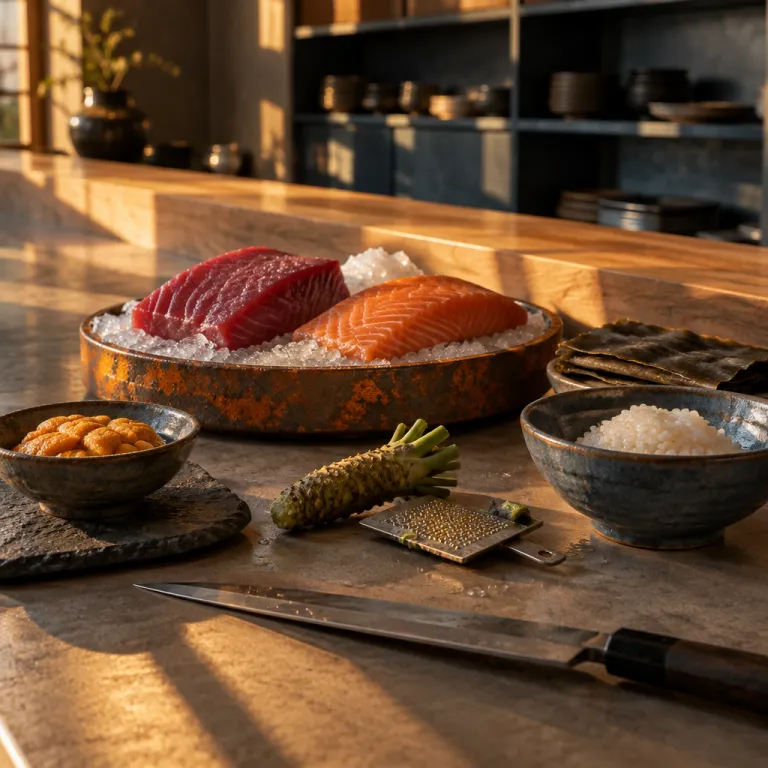
Shimbashi Shimizu as an urban retreat for serious sushi travelers
Hidden in the business streets of Shimbashi, Shimbashi Shimizu feels like a quiet retreat for travelers who plan their hotel stay around food. This intimate sushi restaurant sits in Chuo Tokyo, close to premium hotels and efficient train links, which makes it ideal for customers who want refined omakase before returning to a calm suite. Many visitors now choose rooms in Shimbashi or nearby Ginza specifically so they can secure a seat at Shimbashi Shimizu and enjoy a focused nigiri lunch or dinner course during a short walk from their hotel.
The restaurant is led by sushi chef Kunihiro Shimizu, often respectfully called Shimizu san by regulars who value his precision and restraint. Over the years, chef Kunihiro has built a reputation for hardcore sushi that highlights seasonal fish, carefully aged rice, and a minimalist style that pairs well with the discreet service culture of high end Japanese hotels. One longtime customer described shimizu sushi as “quiet on the surface but incredibly detailed,” a comment that reflects how the counter can feel like a personal urban sanctuary when you visit Shimbashi and stay in a nearby luxury property.
Travelers who speak Japanese will find it easier to chat with Shimizu san about the omakase nigiri sequence and the omakase tsumami appetisers. However, many international customers now visit Shimbashi Shimizu with hotel concierges who help with the phone number, the reply to booking confirmations, and any special requests about lunch or dinner timing. If you do not speak Japanese, ask your hotel to call on your behalf, since the restaurant focuses on quality rather than managing complex online systems or multilingual email exchanges.
Planning a luxury hotel stay around an omakase course
For serious sushi travelers, the omakase course at Shimbashi Shimizu often becomes the anchor of the entire Tokyo itinerary. Because the counter is small and the sushi chef works at a measured pace, you should book your hotel in Shimbashi or Ginza first, then secure your preferred time for either omakase nigiri or a longer omakase tsumami and nigiri lunch. Many guests choose premium hotels with flexible check in so they can arrive, rest, and then visit Shimbashi Shimizu without rushing through this carefully structured meal.
Luxury concierges in Chuo Tokyo are used to handling reservations for Shimbashi sushi counters, including this particular sushi restaurant. When you contact your hotel, ask the concierge to call the Shimbashi Shimizu phone number, confirm whether the course will focus on nigiri lunch or dinner, and request seats directly in front of Shimizu san. This approach works especially well for customers who do not speak Japanese, because the hotel team can translate preferences about rice temperature, portion size, or any allergies while maintaining the respectful tone expected by a traditional Japanese chef.
Travelers who plan multi city trips often pair a stay near Shimbashi Shimizu with nights in other urban retreats, such as new luxury towers in Nagoya that focus on elevated dining. For example, those interested in design forward city hotels can read about a recent opening in Aichi Prefecture through this guide to a Conrad Nagoya luxury hotel above Sakae, then return to Tokyo for a final omakase nigiri experience. By structuring your journey around key meals, you turn each city stay into a curated sequence of restaurants, with Shimbashi Shimizu as the Tokyo highlight.
What to expect from the Shimbashi Shimizu counter experience
The counter at Shimbashi Shimizu is compact, with a handful of seats that keep customers close to the sushi chef and the gleaming case of fish. During a typical visit, Shimizu san begins with omakase tsumami, small appetisers that showcase seasonal textures before moving into a focused line of omakase nigiri. Each piece of shimizu sushi is shaped quickly but gently, and the time between bites is paced so you can appreciate the temperature contrast between the rice and the topping.
Signature items often include kuruma ebi, a prized Japanese tiger prawn that appears in both singular form and in multiple pieces across different courses when the season allows. Many hardcore sushi fans travel across Tokyo specifically to taste how chef Kunihiro prepares kuruma ebi, comparing his style with other masters such as Yuichi Arai or Takaaki Sugita in their respective restaurants. While each sushi restaurant has its own philosophy, Shimbashi Shimizu is known for a restrained approach that appeals to customers who value clarity of flavour over showmanship.
Because the space is intimate, Japanese speakers and international guests share the same counter, which creates a quiet but friendly atmosphere. If you do not speak Japanese, you can still follow the rhythm of the meal by watching how other customers interact with the sushi chef and by observing the sequence of nigiri lunch pieces. For travelers who enjoy similar urban retreats with strong culinary focus, a stay in Kyoto can be paired with a traditional inn by using this detailed guide to a Kyoto ryokan with private onsen, then returning to Shimbashi Shimizu for a final omakase course before flying home.
Choosing the right hotel near Shimbashi Shimizu
When you plan a stay around Shimbashi Shimizu, location matters as much as room size or spa facilities. Hotels in Shimbashi and Ginza place you within walking distance of the sushi restaurant, which means you can enjoy sake with your nigiri and still return safely to your room in under twenty minutes. Many premium properties in Chuo Tokyo also offer late checkout, allowing customers to enjoy a leisurely lunch course the next day without worrying about luggage.
Look for hotels that understand the needs of hardcore sushi travelers, including flexible concierge support and staff who can speak Japanese and English fluently. These teams can call the Shimbashi Shimizu phone number, confirm your visit time, and reply to any last minute changes that Shimizu san might request because of ingredient availability. Some concierges even maintain informal relationships with sushi chefs such as chef Kunihiro, Yuichi Arai, or Takaaki Sugita, which can occasionally help with waitlist situations when restaurants are fully booked for weeks.
For travelers who want to combine city stays with nature focused escapes, it is worth pairing a Shimbashi hotel with a ryokan that offers private hot spring baths. A detailed example is outlined in this article about an alpine onsen retreat, which explains how a Yamagata ryokan elevates alpine onsen luxury for discerning guests. By alternating between urban sushi shimbashi evenings and quiet mountain nights, you create a balanced itinerary that reflects the full range of Japanese hospitality.
How to book and communicate with Shimbashi Shimizu
Securing a seat at Shimbashi Shimizu requires planning, because the restaurant has limited capacity and a loyal base of regular customers. The most reliable method is to ask your hotel concierge to call the official phone number, specify whether you prefer nigiri lunch or dinner, and confirm how many guests will visit Shimbashi on that date. Many concierges keep a record of previous years of bookings, which helps them judge the best time to request a seat from Shimizu san.
If you speak Japanese, you may choose to call the sushi restaurant directly and discuss the omakase course with the staff or with chef Kunihiro himself. Japanese speakers can clarify whether the meal will focus on omakase nigiri, include an extended omakase tsumami sequence, or highlight seasonal items such as kuruma ebi and other shellfish. When customers do not speak Japanese, it is better to let the hotel team handle the conversation so that every reply is clear and respectful.
Some travelers send emails to their hotels weeks before arrival, outlining preferred restaurants such as Shimbashi Shimizu, Yuichi Arai, or Takaaki Sugita, and asking the concierge to book all sushi shimbashi experiences in a single coordinated plan. This approach ensures that your lunch and dinner times do not clash with check in, spa appointments, or airport transfers. By treating the reservation process as part of your overall luxury travel strategy, you protect the quality of each meal and avoid last minute stress.
Positioning Shimbashi Shimizu within Tokyo’s elite sushi landscape
Within Tokyo, Shimbashi Shimizu occupies a respected place among serious sushi counters that prioritise craft over spectacle. While some restaurants focus on elaborate interiors, this sushi restaurant keeps the room understated so that attention stays on the interaction between customers and the sushi chef. Hardcore sushi enthusiasts often compare their experiences at Shimbashi Shimizu with meals at the counters of Yuichi Arai or Takaaki Sugita, noting differences in rice seasoning, fish ageing, and the pacing of each course.
Chef Kunihiro has spent many years refining his approach to shimizu sushi, emphasising balance between shari, the vinegared rice, and neta, the topping. Regulars praise how Shimizu san handles kuruma ebi, kohada, and other classic Edo style items, often returning multiple times in a single trip to Tokyo to track subtle seasonal changes. For travelers staying in luxury hotels, this level of consistency and quality makes Shimbashi Shimizu a reliable anchor around which to plan both short visits and extended stays.
Because the counter is small, each visit feels personal, whether you are a first time guest or a repeat customer who has followed chef Kunihiro for years. Japanese speakers may enjoy deeper conversation about sourcing and technique, but even without the language, the sequence of omakase nigiri and nigiri lunch pieces tells a clear story of craft. When you align your hotel choice, your restaurant bookings, and your daily schedule around this kind of focused experience, Tokyo transforms from a vast metropolis into a series of intimate urban retreats centred on the art of sushi.
Key statistics for luxury travel and sushi in Tokyo
- Tokyo hosts more than 200 Michelin starred restaurants according to the Michelin Guide 2023, making it one of the densest fine dining cities worldwide and a natural base for travelers planning omakase focused stays.
- Chuo Ward, which includes Ginza and parts of Shimbashi, records some of the highest average hotel room rates in Tokyo, reflecting strong demand from international customers seeking proximity to elite sushi counters and luxury shopping.
- Surveys by the Japan National Tourism Organization show that food experiences rank among the top three motivations for repeat visits to Japan, with sushi and omakase meals frequently cited by travelers who stay in premium hotels.
- High end sushi restaurants in central Tokyo typically seat fewer than 15 guests per service, which explains why advance booking through hotel concierges is essential for securing preferred lunch or dinner times.
- Data from Tokyo Metropolitan Government tourism reports indicate that international overnight visitors increasingly cluster around central wards such as Chuo and Minato, where access to both business districts and renowned restaurants like Shimbashi Shimizu is most convenient.
FAQ about visiting Shimbashi Shimizu and staying nearby
How far is Shimbashi Shimizu from major luxury hotels in Ginza and Shimbashi ?
Most high end hotels in Ginza and Shimbashi are located within 500 to 1 000 metres of Shimbashi Shimizu, which usually means a walk of 5 to 15 minutes. This short distance allows guests to enjoy sake with their omakase course and still return comfortably on foot. Always confirm the exact address with your concierge, as some properties use different exits from Shimbashi Station.
Do I need to speak Japanese to dine at Shimbashi Shimizu ?
You do not need to speak Japanese to enjoy a meal at Shimbashi Shimizu, but communication is smoother if your hotel concierge handles the reservation and any special requests. Many international customers rely on staff who can speak Japanese and English to call the phone number, confirm the course, and reply to any questions from Shimizu san. During the meal, simple phrases and non verbal cues are usually enough to follow the flow of omakase nigiri.
How far in advance should I book a seat at Shimbashi Shimizu ?
For peak travel periods, it is wise to ask your hotel to book Shimbashi Shimizu at least one to two months before your visit. The counter is small, and regular customers often reserve their preferred nigiri lunch or dinner times well ahead. If your dates are flexible, concierges may sometimes find last minute openings, but this cannot be guaranteed.
What is the typical length of an omakase course at Shimbashi Shimizu ?
A standard omakase course, including omakase tsumami and omakase nigiri, usually lasts between 90 and 150 minutes, depending on the number of pieces and the pace of the service. Nigiri lunch sessions may be slightly shorter, while extended dinners with more tsumami can take longer. Plan your hotel schedule so you are not rushing to or from the restaurant.
Which area is best for hotels if I want to focus on sushi in Tokyo ?
For travelers who prioritise sushi, staying in Shimbashi, Ginza, or nearby Chuo Tokyo offers the best balance of access and atmosphere. These districts place you close to Shimbashi Shimizu, other renowned counters such as those led by Yuichi Arai or Takaaki Sugita, and efficient transport links to the rest of the city. Premium hotels in these areas also tend to have experienced concierges who understand the expectations of hardcore sushi enthusiasts.