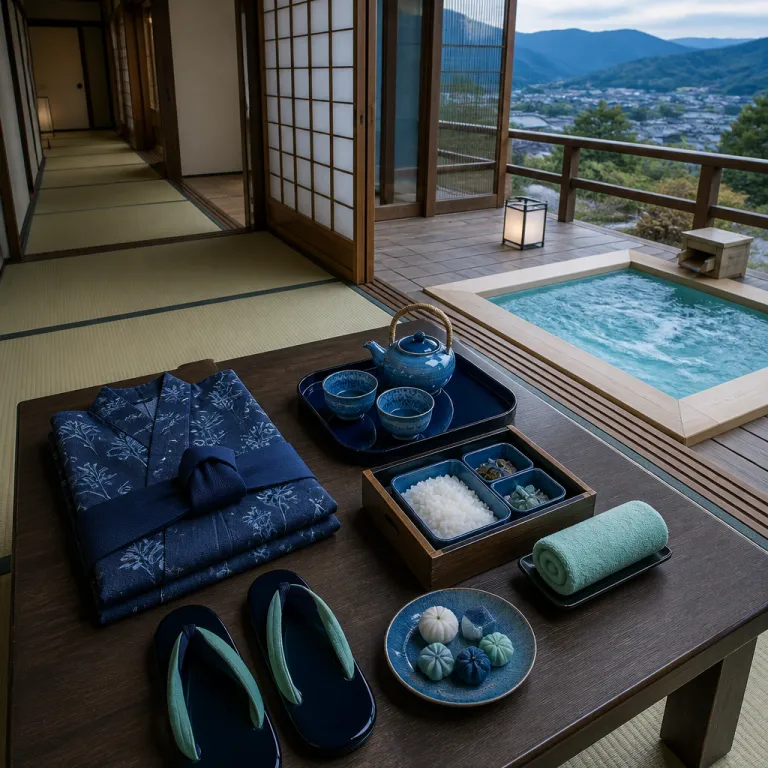
Hanaougi bettei iiyama takayama japan as a refined mountain escape
Set in the quiet Honobu-machi district, Hanaougi Bettei Iiyama in Takayama, Japan offers a serene mountain retreat for travelers who value space and silence. This intimate ryokan has only 15 guest rooms, so every stay feels deliberately paced and deeply personal, far removed from the bustle of central Takayama. With an adults-only policy from 13 years and above, the atmosphere remains calm, contemplative, and ideal for couples or friends seeking a private onsen break.
The ryokan Hanaougi concept here blends traditional architecture with discreet modern comfort, creating an experience that feels both timeless and reassuringly current. Tatami-mat rooms, shoji screens, and low wooden tables frame the space, while each room’s private open-air hot spring bath brings the surrounding nature almost into your room. This balance of traditional design and contemporary amenities is also reflected at the sister property Hidatei Hanaougi, yet Bettei Iiyama feels even more secluded and tailored to intimate mountain escapes.
Located about 2.2 km from Takayama Station, the Hanaougi Bettei Iiyama property sits close enough to machi Takayama for easy sightseeing, yet far enough to feel like a countryside hideaway. Guests benefit from a free shuttle between the station and the hotel, which simplifies arrival, especially after a long rail journey through Gifu Prefecture. For travelers comparing different ryokan options in Takayama, this combination of distance, privacy, and attentive room service makes Hanaougi Bettei a compelling choice for a first or repeat stay. For the latest details on address, shuttle schedule, and age policy, travelers should confirm directly with the property or consult current listings from the Japan Ryokan and Hotel Association.
Onsen ryokan culture and the appeal of private open air baths
For many guests, the defining experience at Hanaougi Bettei Iiyama Takayama Japan is the onsen culture woven into every aspect of the stay. Natural hot spring water feeds the open-air baths, and the private onsen tubs indoors and outdoors allow even shy travelers or tattooed visitors to relax without concern. As the property clearly states, “Tattoos are permitted in private baths only,” a policy that aligns with common guidance from the Japan National Tourism Organization on how some ryokans manage shared facilities.
Each room at this onsen ryokan is designed so that the transition from tatami to hot spring feels effortless, with some room types featuring private open-air baths on terraces screened from view. The open-air hot spring baths create a sensory contrast between cool mountain air and hot mineral water, especially striking on crisp mornings or snowy evenings. One recent guest described sliding open the door to their private onsen, stepping into the spring bath, and hearing only wind and distant water as “the quietest moment of our entire Japan trip.”
Shared facilities complement the rooms’ private hot spring baths, with carefully landscaped paths, a koi pond, and quiet corners for reflection between soaks. The hotel staff guide each guest through onsen etiquette, from how to rinse before entering the tubs indoors to the best times to enjoy the open-air baths without crowds. Travelers interested in understanding Japan’s wider hot spring culture can also look at how destinations like Kusatsu are evolving, as explained in analyses of Japan’s most famous hot spring towns and their luxury developments.
Rooms, room types, and the art of slow hospitality
The 15 rooms at Hanaougi Bettei Iiyama Takayama Japan are intentionally varied, so travelers can match room types to their preferred style of stay. Some rooms feature expansive tatami spaces with low futons and private open-air hot spring baths, while others combine deep soaking tubs indoors with garden views for guests who prefer more shelter. Because the property is small, each guest is known by name, and staff can adjust room service timing, futon layout, and even bath temperature preferences with impressive precision.
In practice, this means that a couple seeking a quiet anniversary stay might choose a room with a private onsen terrace, while friends traveling together could opt for larger rooms private enough for shared conversation yet still close to the main communal baths. The ryokan Hanaougi team pays attention to details such as how luggage is arranged, how tea is presented, and how the hot spring baths are prepared before guests return from dinner. One staff member explained that they “try to anticipate the next small comfort before guests even think to ask,” and over several nights, these gestures accumulate into a feeling of being genuinely cared for rather than simply accommodated.
For travelers planning a broader mountain itinerary, the calm rhythm at Bettei Iiyama contrasts nicely with more activity-focused resorts in places like Niseko, which are accessible through well-documented routes for refined Hokkaido escapes. Here in Takayama, the emphasis remains on unhurried time in your room, long soaks in the hot baths, and quiet walks around Honobu-machi after dark. This slower pace is particularly appealing for international visitors who have already experienced the intensity of Tokyo or Osaka and now want a hotel that encourages them to pause.
Dining, seasonal springs, and the rhythm of a Takayama evening
Evenings at Hanaougi Bettei Iiyama Takayama Japan follow a gentle rhythm that centers on kaiseki-style dining and the surrounding mountain seasons. Guests typically return from exploring machi Takayama in the late afternoon, enjoy a soak in their private open-air spring bath, then change into yukata before dinner is served in the room or a dedicated dining space. This pattern allows the hot spring experience and the culinary journey to flow together, each enhancing the other.
The kitchen works closely with local artisans and Hida beef suppliers, so the multi-course meals reflect both Takayama’s agricultural heritage and contemporary Japanese gastronomy. Seasonal vegetables, river fish, and carefully marbled Hida beef appear in different preparations, while the staff explain each dish with quiet pride and clarity. Because the property is small, dietary preferences can be handled with care, and the timing of courses can be adjusted so that no guest feels rushed between bites and sips of sake.
After dinner, many guests return to their rooms’ private tubs indoors or step back into the open-air baths to feel the temperature shift of the night. The contrast between the hot spring water and the cool mountain air is especially striking in winter and early spring, when steam rises dramatically from the baths. For travelers who value food as much as onsen culture, this combination of refined dining and repeated hot spring immersion makes the stay at Bettei Iiyama feel complete and deeply restorative.
Location, access, and planning your stay in Honobu machi
Hanaougi Bettei Iiyama Takayama Japan sits at 262-2 Honobu-machi, a quiet residential area that feels worlds away from the station yet remains conveniently close. The distance of about 2.2 km from Takayama Station is easily bridged by the free shuttle, which operates on a schedule that aligns with major train arrivals and typically runs every 30 to 60 minutes in the afternoon. Travelers arriving with heavy luggage or after dark will appreciate how this service removes the stress of navigating unfamiliar streets on foot.
Check-in typically begins at 15:00, with check-out by 11:00, giving guests ample time to enjoy both the room and the onsen facilities without feeling hurried. Because the property has only 15 rooms, booking in advance is strongly recommended, especially during peak seasons when Takayama hosts festivals or when autumn foliage draws visitors to the surrounding mountains. Many repeat guests plan at least two nights, allowing one full day for exploring machi Takayama and another for simply enjoying the hotel, the hot spring baths, and the koi pond gardens. Exact times and seasonal shuttle adjustments should always be verified against the latest information from the Gifu Prefecture Tourism Board or the ryokan’s own reservation materials.
For international travelers who may be nervous about language barriers at a traditional ryokan, it is worth seeking properties that offer some English support and clear guidance on etiquette. Resources that highlight where to find English-speaking Japanese ryokans for a refined stay can be particularly helpful when planning a multi-stop itinerary that includes Takayama, Kyoto, and perhaps a northern destination like Niseko. In the case of Hanaougi Bettei Iiyama, the staff are accustomed to hosting overseas guests, and the combination of visual cues, patient explanations, and structured routines quickly makes even first-time visitors feel at ease.
Choosing between hanaougi bettei iiyama and other Takayama ryokans
Travelers comparing Hanaougi Bettei Iiyama Takayama Japan with other properties in the area often weigh intimacy, onsen style, and proximity to the old town. Bettei Iiyama stands out as an adults-focused onsen ryokan with a strong emphasis on rooms with private open-air baths, while Hidatei Hanaougi offers a slightly larger scale and different room types. Both share the same commitment to traditional architecture and attentive service, but the smaller property feels more like a secluded retreat than a classic city-side hotel.
If your priority is maximum privacy in your hot spring experience, then a room with a private onsen and soaking tubs indoors at Bettei Iiyama will likely be the best fit. Guests who enjoy more social shared baths and a wider range of communal spring facilities might prefer the atmosphere at Hidatei Hanaougi, where the layout encourages gentle interaction between travelers. Either way, the Hanaougi group’s focus on preserving traditional hospitality while integrating modern comforts such as free Wi-Fi and efficient climate control ensures a consistently high level of comfort.
For those planning a broader journey through Japan’s mountain escapes, Takayama pairs well with other hot spring destinations and ski areas, from Gifu’s quieter valleys to Hokkaido’s more dynamic slopes. Guides that explain how to get to Niseko with ease for a refined Hokkaido escape can help you structure a route that balances cultural immersion, onsen relaxation, and outdoor activity. By anchoring your itinerary with a stay at Hanaougi Bettei Iiyama, you secure at least a few nights where the focus is not on movement, but on stillness, hot spring water, and the subtle rituals of Japanese ryokan life.
Key figures and practical statistics for hanaougi bettei iiyama
- The property offers 15 rooms in total, which keeps guest numbers low and allows staff to provide highly personalized service compared with larger hotels in Takayama.
- Hanaougi Bettei Iiyama is located about 2.2 km from Takayama Station, a distance that is easily covered by the free shuttle and typically takes less than 10 minutes by vehicle.
- The ryokan welcomes guests aged 13 years and above, creating an adults-oriented environment that supports quiet onsen time and relaxed evening dining.
- The property operates year-round, so travelers can experience different hot spring moods from snowy winters to mild spring and autumn stays in the Japanese Alps region.
- Core amenities include private open-air baths in selected rooms, traditional kaiseki meals, and free Wi-Fi, which together position the ryokan as a luxury yet authentically traditional choice in Takayama.
FAQ: planning your stay at hanaougi bettei iiyama in Takayama
What amenities does hanaougi bettei iiyama offer for guests ?
The ryokan provides private open-air baths in selected rooms, traditional multi-course meals featuring local Hida ingredients, and free Wi-Fi throughout the property. Guests also have access to shared hot spring baths, tatami rooms, and attentive room service that follows classic Japanese hospitality standards. The combination of onsen facilities and refined dining makes the stay feel both restorative and culturally rich.
Is there a shuttle service from Takayama Station to the ryokan ?
Yes, Hanaougi Bettei Iiyama operates a free shuttle between Takayama Station and the property in Honobu-machi. The ride covers approximately 2.2 km and usually takes under 10 minutes, depending on traffic and weather conditions. Guests are encouraged to confirm shuttle times in advance so that arrival and departure align smoothly with train schedules, as recommended by the Japan National Tourism Organization for regional rail journeys.
Are tattoos allowed in the onsen at hanaougi bettei iiyama ?
The policy distinguishes between shared and private baths, which is common in many Japanese hot spring properties. Tattoos are generally not shown in public onsen areas, but at this ryokan, “Tattoos are permitted in private baths only.” Guests who prefer full privacy can book room types with private onsen or use reserved bathing facilities where available.
How far in advance should I book a room at hanaougi bettei iiyama ?
Because the property has only 15 rooms and caters to an international audience seeking authentic onsen experiences, it often fills quickly during peak seasons. Booking several months ahead is advisable for popular periods such as cherry blossom, autumn foliage, and major Takayama festivals. For midweek stays outside these times, availability can be more flexible, but early reservations still secure the best room types and private open-air bath options.
Is hanaougi bettei iiyama suitable for first time ryokan guests ?
Yes, the ryokan is well suited to travelers who are new to traditional Japanese accommodations and onsen etiquette. Staff guide guests through customs such as wearing yukata, using the hot spring baths correctly, and enjoying kaiseki meals at a relaxed pace. The combination of clear explanations, structured routines, and private bathing options makes the experience approachable even for those unfamiliar with Japanese culture.
References and further reading
- Japan National Tourism Organization (JNTO) – official guidance on onsen etiquette and regional travel planning, including Takayama and the Japanese Alps.
- Gifu Prefecture Tourism Board – information on Takayama, Hida region culture, and seasonal events such as the Takayama Festival.
- Japan Ryokan and Hotel Association – background on traditional ryokan standards, guest expectations, and recommended practices for onsen stays.