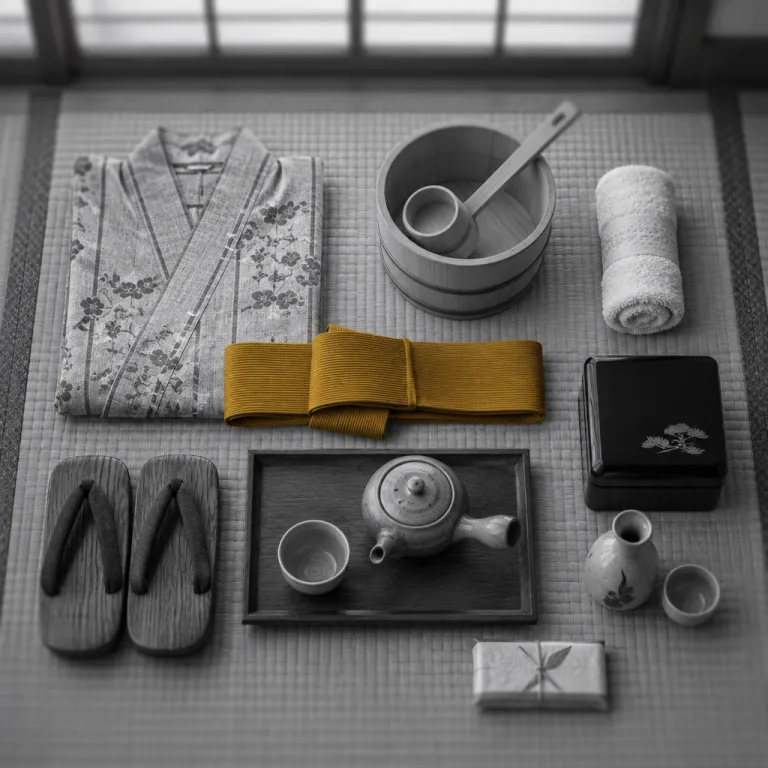
Why an arima onsen ryokan stay elevates your Japan journey
Choosing an Arima Onsen ryokan stay means immersing yourself in one of Japan’s oldest hot spring towns. In Arima, mineral-rich hot springs bubble beneath steep lanes lined with wooden façades, creating a setting where every bath and every room feels connected to history. This is where a luxury-focused traveler can book refined guest rooms while still experiencing an authentic Japanese inn atmosphere.
The town’s famous Arima Onsen sources include the gold-coloured Kinsen spring water and the clear Ginsen spring, both channelled into open-air baths and indoor spring baths across leading ryokans. When you soak in a private onsen or step into the public baths, you are bathing in the same hot springs that once welcomed emperors and monks, yet the service level now matches any modern grand hotel. For guests comparing ryokans in other parts of Japan, Arima Onsen stands out because the hot spring composition is unusually dense in salts and iron, which gives the bath experience a distinctive weight and warmth.
For travelers who value both culture and comfort, the balance here feels particularly good. You can book guest rooms with Western beds or traditional tatami layouts, then move from your private room to the open-air baths in just a few steps. Typical nightly rates for mid-range Japanese inn stays in Arima often start around the equivalent of ¥25,000–¥35,000 per person including two meals, while suites with private onsen can run significantly higher, especially on weekends and holidays.
Historic landmarks and legendary ryokans in arima onsen
Staying in an Arima Onsen ryokan places you within walking distance of historic temples, narrow alleys, and venerable hot spring sources. Many travelers start at Onsenji Temple, which historically oversaw the town’s hot springs and still offers a panoramic view over Arima’s tiled roofs and forested slopes. From there, stone paths lead down toward the main hot spring district, where steam rises from vents and small shrines mark the presence of underground spring water.
Several landmark ryokans double as living museums of Japanese inn culture while operating as fully equipped luxury properties. At Arimasansoh Goshobessho, guest rooms are arranged as villas with generous open-air baths that frame the surrounding forest, and each private onsen uses carefully controlled hot spring flows to maintain ideal temperatures. Hyoe Koyokaku, one of the most established ryokans in Arima Onsen, combines large public baths with intimate private onsen options, allowing guests to choose between the sociable atmosphere of shared spring baths and the seclusion of a private open-air bath terrace.
Travelers comparing Japan’s finest luxury hotels with onsen often weigh Arima against destinations such as Hakone or Beppu, and this is where the town’s compact scale becomes a strength. You can walk from your ryokan to multiple historic landmarks, then return for a multi-course kaiseki dinner without needing long transfers or complex transport. In guest reviews, visitors frequently mention that being able to stroll from Onsenji Temple back to their Japanese inn in under ten minutes makes Arima feel both intimate and highly convenient.
Signature arima hot springs and how to choose your baths
The defining feature of any Arima Onsen ryokan is its relationship with the town’s hot springs, especially the Kinsen and Ginsen sources. Kinsen hot spring water appears reddish brown due to high iron and salt content, creating dense baths that retain heat and leave the skin feeling unusually warm. Ginsen spring water is clear and carbonated, offering a lighter sensation that many guests find refreshing after a long day of travel in Japan.
When you book your stay, pay close attention to how each property designs its open-air baths and indoor facilities. Some ryokans emphasize dramatic open-air bath decks with mountain views, while others focus on serene indoor spring baths lined with stone and cedar, where the air is scented with hinoki wood and steam. At Onsen Gekkoen’s two wings, Gekkoen Yugetsusanso and Gekkoen Korokan, guests can move between multiple public baths and private onsen spaces, each supplied with different blends of hot spring water to create varied sensations.
Luxury travelers who value privacy should look for guest rooms with attached open-air baths, sometimes described as in-room open-air baths or terrace baths. These private onsen facilities allow you to bathe at any hour, control the water flow, and enjoy the cool night air while soaking in hot springs. As one repeat visitor described it in a travel survey, stepping from tatami flooring straight into a steaming open-air tub while snow falls on the garden “felt like the classic Japanese inn experience I had imagined for years.”
Rooms, guest rooms, and the art of a refined stay
Room selection shapes the character of your Arima Onsen ryokan experience just as much as the baths. Many Japanese inn properties in Arima offer a spectrum of guest rooms, from compact tatami spaces with shared public bath access to expansive suites with private open-air baths and separate living areas. When you book, consider how much time you plan to spend in your room versus exploring Arima’s streets and hot springs.
Traditional Japanese rooms feature tatami flooring, sliding shoji screens, and futon bedding that attendants lay out after dinner, creating a ritual that many guests regard as part of the stay. Western-style rooms, or hybrid layouts with both beds and tatami seating, appeal to travelers who prefer familiar bedding while still enjoying the aesthetics of a Japanese inn. In higher categories, guest rooms often include a private onsen or semi open-air bath, where you can slide open the windows to let in the cool night air while soaking in hot spring water.
Views also matter, especially in a valley town like Arima where elevation changes quickly. Some rooms overlook the central streets and lantern-lit alleys, while others face forested slopes or rivers, offering a more tranquil view that pairs well with a quiet breakfast or dinner served in-room. Booking data from local tourism offices indicates that rooms with open-air baths and strong views tend to sell out first during peak foliage and holiday periods, so reserving several months ahead is advisable if you have specific layouts in mind.
Dining rituals, breakfast dinner plans, and seasonal menus
One of the most memorable aspects of an Arima Onsen ryokan stay is the focus on dining, especially elaborate kaiseki dinners and carefully prepared breakfasts. Many Japanese inn properties in Arima offer plans that bundle breakfast dinner combinations, allowing you to enjoy both meals without leaving the ryokan. This arrangement suits travelers who want to move between hot spring baths and their room without worrying about restaurant reservations in town.
Dinner typically showcases regional ingredients from Hyogo Prefecture, including Tajima beef, seasonal mountain vegetables, and freshwater fish, arranged in multiple small courses that highlight texture and temperature contrasts. At properties such as Arimasansoh Goshobessho or Hyoe Koyokaku, the dinner sequence is choreographed so that hot dishes arrive steaming, cold plates retain their delicate flavors, and the pacing aligns with your preferred rhythm of conversation and relaxation. Breakfast can range from traditional Japanese sets with grilled fish, rice, miso soup, and pickles to Western-style plates, and many ryokans allow you to choose your style when you book.
For guests who prefer flexibility, some Arima Onsen ryokan options offer room-only or breakfast-only plans, letting you explore local restaurants for dinner while still enjoying morning meals in-house. However, travelers focused on a fully immersive stay often select half board packages, since moving from a hot spring bath to a multi-course dinner without stepping outside feels particularly indulgent on cool evenings. Whatever you choose, communicating dietary preferences in advance ensures that the kitchen can adapt menus while preserving the integrity of the seasonal Japanese dining experience.
Planning, booking tips, and pairing arima with other hot spring regions
Thoughtful planning helps you secure the best Arima Onsen ryokan for your travel style and schedule. Start by deciding whether you prefer a larger grand hotel-style property with extensive public baths, or a smaller Japanese inn with fewer guest rooms and more intimate service. Then consider how important features such as private onsen facilities, open-air baths, and in-room dining are for your ideal stay.
When you book, pay attention to room descriptions that mention open-air baths, semi open-air baths, or indoor open-air-style tubs, since terminology can vary between ryokans. Many properties in Arima list detailed floor plans and bath types, allowing you to compare options such as Gekkoen Yugetsusanso, Gekkoen Korokan, Hyoe Koyokaku, and Onsen Gekkoen side by side. For travelers designing a broader itinerary across Japan, pairing Arima with elegant mountain retreats in regions like Hida Takayama creates a satisfying contrast between historic hot spring towns and alpine landscapes.
Transport wise, Arima is easily reached from Kobe and Osaka, which makes it a convenient first or last stop on a Kansai-focused journey. According to route planners published by Kobe City transport authorities, travel time from central Kobe is typically around 30–40 minutes by a combination of train and bus, while journeys from Osaka often take about an hour depending on route and transfers. Some guests choose to stay two nights to fully enjoy both the public baths and private onsen options without rushing, especially when combining sightseeing at nearby historic landmarks with long soaks in hot springs.
Key figures on arima onsen and luxury ryokan stays
- Arima Onsen is widely recognized as one of Japan’s three oldest hot spring resorts, alongside Gero and Kusatsu, with historical records tracing organized bathing culture back more than a millennium according to local tourism authorities and regional history materials.
- The town hosts several dozen accommodation facilities, but only a smaller subset operate as full-service luxury ryokans with extensive open-air baths and private onsen options, which contributes to consistently high occupancy on weekends and holidays as reported in Hyogo Prefecture tourism statistics.
- Mineral analyses published by Kobe City and related hot spring studies indicate that Kinsen spring water in Arima contains significantly higher concentrations of sodium chloride and iron than many other Japanese hot springs, which explains the distinctive reddish colour and strong heat retention experienced in the baths.
- Travel surveys from the Japan National Tourism Organization and similar visitor research show that onsen experiences rank among the top motivations for inbound visitors choosing regional destinations, and Arima’s proximity to Kobe and Osaka makes it one of the most accessible historic hot spring towns for first-time travelers.
FAQ about staying at an arima onsen ryokan
How many nights should I stay at an arima onsen ryokan ?
Most travelers find that one night allows time for several hot spring baths, a full kaiseki dinner, and breakfast, but two nights create a more relaxed rhythm. With a second night, you can explore historic landmarks in Arima, alternate between public baths and private onsen sessions, and adjust to the slower pace of a Japanese inn. Guests combining Arima with other Kansai destinations often choose two nights to balance sightseeing and rest.
Do I need tattoos to be covered to use public baths in arima ?
Policies vary between ryokans and public baths, so travelers with tattoos should check rules before booking. Some properties in Arima allow small tattoos if they are covered with patches, while others provide private onsen or guest rooms with open-air baths as alternatives. Communicating your situation in advance helps staff suggest the most comfortable options.
What is the difference between kinsen and ginsen hot springs in arima ?
Kinsen hot spring water in Arima is reddish brown and rich in iron and salt, which creates dense, very hot baths that retain warmth for a long time. Ginsen water is clear and often slightly carbonated, offering a lighter, more sparkling sensation on the skin. Many Arima Onsen ryokan properties pipe both types into different baths, allowing guests to compare the effects during their stay.
Are meals always included when I book an arima onsen ryokan ?
Not all plans include meals, although many Japanese inn stays in Arima are sold with dinner and breakfast. Half board packages with breakfast dinner combinations are popular because they allow guests to move between hot springs and the dining room without leaving the property. Travelers who prefer flexibility can choose room-only or breakfast-only plans at some ryokans.
Is arima onsen suitable for families and multi generational trips ?
Arima Onsen works well for families because many ryokans offer spacious guest rooms, child-friendly meals, and flexible bedding arrangements on tatami. Some properties provide private onsen or family baths that can be reserved, which helps guests with children or older relatives enjoy hot springs together. When booking, look for clear information on room size, bath access, and any age-related policies for public baths.