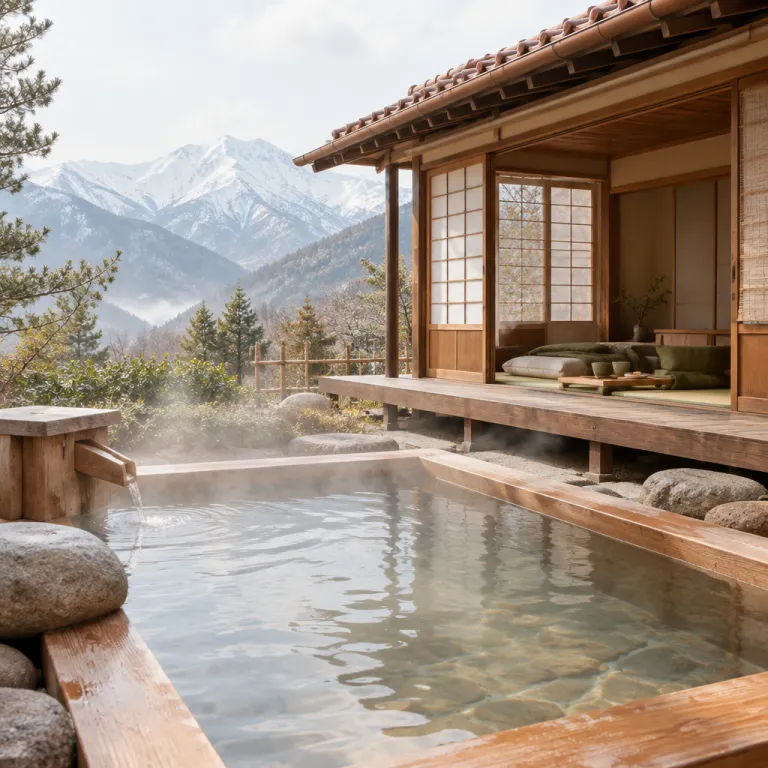
Why Miyama Ouan feels like a hidden mountain retreat
Miyama Ouan sits in the Hirayu Onsen area of Takayama, wrapped in forests and cool mountain air at the gateway to the Northern Japanese Alps. This hot spring resort blends timber architecture with a calm, low-lit atmosphere that feels far from city routines. Guests who choose a stay at Miyama Ouan often describe the property as a quiet base for exploring Okuhida’s hiking trails, ski areas, and scenic viewpoints.
The resort belongs to the Kyoritsu Resort group, so you benefit from consistent standards while enjoying a location that still feels like a hidden gem. This connection to Kyoritsu Resort means the service, room amenities, and onsen facilities follow a clear quality philosophy, yet Miyama Ouan keeps a warm, rural character. When you check into any room at Miyama Ouan, you notice how the design balances traditional touches with practical comforts for modern travelers, from low wooden furniture to efficient heating for snowy nights.
Each style room at this property is arranged to frame the surrounding mountains, with many rooms offering a seating area that faces the forest or inner courtyards. Some guests prefer a Japanese Western style room, which combines tatami flooring with Western beds and a low table in the seating area. Families with children often choose these Japanese Western style rooms because they provide flexible sleeping arrangements and a relaxed, informal private room atmosphere that makes it easy to unwind after outdoor excursions.
The public spaces at Miyama Ouan are intentionally understated, allowing the natural setting to take center stage. You move from the lobby to the onsen area through corridors that open toward inner courtyards and small gardens, where you can sometimes hear the river in the distance. This layout makes the resort feel more like a mountain hamlet than a conventional hotel property, which appeals to travelers seeking a slower rhythm and a sense of stepping into a small onsen village.
For guests comparing mountain retreats, it is worth looking at other refined properties such as Mampei Hotel in Karuizawa, which is presented as a refined mountain retreat in Karuizawa. While Mampei Hotel focuses on heritage architecture and a resort town setting, Miyama Ouan emphasizes hot spring culture and immersion in the Hirayu Onsen valley. Both options show how a carefully managed property can anchor a memorable stay in Japan’s highlands, whether you prioritize historic salons or steaming open air baths under the night sky.
Rooms, amenities, and how to choose your ideal stay
Every room at Miyama Ouan is designed around the idea of retreat, with natural materials, shoji-style screens, and gentle lighting. When you book, you will see several room categories, including compact doubles, Japanese Western style rooms, and larger suites with a private open air bath. The key is to match the room amenities and layout to how you plan to use the resort during your stay, whether as a simple overnight stop or a multi-night base.
To compare options quickly, it helps to think in terms of how you want to bathe, sleep, and spend evenings:
- Compact double rooms: Best for solo travelers or couples who plan to spend most of their time in the public onsen and common areas.
- Japanese Western style rooms: Tatami plus beds, with space for futons if needed, ideal for families or friends sharing.
- Suites with private open air bath (rotenburo): A balcony cypress or stone tub fed by hot spring water, suited to couples seeking privacy.
Travelers who value privacy often select a room with a private hot spring option, where a cypress or stone tub is located on the balcony as an open air bath. These private open air bath facilities usually draw on the same mineral-rich hot spring water as the public baths, allowing you to enjoy a personal onsen experience without entering the shared bathing areas, which some guests find more relaxing after a long day of travel. If you choose a room without a private bath, you still have complimentary access to the large public onsen area, where the hot spring pools are separated by gender and maintained to a high standard.
Families with children should check the bedding configuration and room size carefully, because some style rooms are more suitable for sharing. A Japanese Western style room often includes both futons and beds, giving parents flexibility when arranging sleep for younger children or grandparents. When you check availability, look for notes on maximum occupancy and whether extra bedding or baby amenities can be provided free of charge or at a small surcharge, as policies can vary by date and plan.
Standard room amenities at Miyama Ouan typically include yukata robes, tea sets, a small fridge, and basic toiletries such as shampoo, conditioner, and body soap. In many rooms, the seating area is arranged by the window, so you can enjoy the mountain view while drinking tea or planning your next onsen visit. Guests who book higher categories often receive upgraded room amenities and a more generous seating area, which can make a multi night stay feel more comfortable, especially if you plan to spend long evenings indoors during winter.
For travelers who prefer English speaking staff and clear guidance on traditional etiquette, it can be helpful to compare Miyama Ouan with other refined ryokan style stays. Resources such as this guide to where to find English speaking Japanese ryokans for a refined stay can help you understand what level of language support to expect. While Miyama Ouan staff may not always be fluent in multiple languages, the service culture is attentive, and key information about the property, meals, and onsen rules is usually presented clearly through written guides and simple explanations at check in.
Onsen culture at Miyama Ouan and in Hirayu Onsen
The heart of Miyama Ouan is its onsen, fed by the mineral rich hot spring sources of Hirayu Onsen, one of the five main Okuhida hot spring villages. Guests can move between indoor pools and open air baths, experiencing different temperatures and views as the weather shifts from misty rain to clear, star-filled nights. For many travelers, these spring baths are the main reason to choose this particular resort over a standard city hotel or business property.
The public onsen area usually includes separate men’s and women’s zones, each with a mix of indoor pools and an open air bath that faces the surrounding forest. Before entering any hot spring pool, you must wash thoroughly at the shower stations, which is a core part of Japanese bathing etiquette and is clearly illustrated on signs near the entrance. Once you are clean, you can soak quietly, appreciating how the hot spring water eases travel fatigue, warms you to the core in winter, and encourages a slower pace of thought.
Guests who prefer privacy can reserve or book rooms with a private open air bath, or use any private bath facilities that may be available by time slot on a first come, first served basis. These private baths are especially appreciated by couples and families with children who are not yet comfortable with fully public bathing. When planning your stay, check whether private open air bath options are included in your room category or must be reserved separately, because availability can be limited during busy seasons and holiday periods.
Hirayu Onsen itself is one of the oldest hot spring areas in the Okuhida region, and Miyama Ouan uses this heritage as a foundation for its design. The resort’s use of timber, stone, and subdued lighting reflects the character of traditional onsen towns, while the staff maintain modern standards of cleanliness and safety, such as regular water quality checks and clear temperature displays. If you are interested in exploring more of Japan’s refined hot spring culture, you might also look at curated guides to Matsumoto ryokan stays for refined travelers, which highlight other properties that treat onsen as a central experience.
Because the onsen facilities at Miyama Ouan are provided complimentary to staying guests, you can structure your day around multiple short soaks rather than a single long visit. Some travelers like to visit the spring baths before breakfast, again in the late afternoon, and once more before sleep, using the hot spring water as a gentle rhythm for the entire stay. This pattern turns the resort into more than just a place to sleep, making the property itself a core part of your journey through the Japanese Alps and a daily wellness ritual rather than a one-time activity.
Access, shuttle service, and how to reach this hidden area
Reaching Miyama Ouan usually involves a combination of train and bus, because the Hirayu Onsen area sits deep in the mountains between Takayama and Matsumoto. Most international travelers first arrive in Takayama or Matsumoto, then transfer to a highway bus that climbs into the Okuhida region in about an hour. The final approach reveals why this resort is considered a hidden gem, as the road winds through valleys and forests before reaching the compact hot spring town.
From Takayama, frequent bus services run to Hirayu Onsen, and Miyama Ouan is located within walking distance or a short local transfer from the main bus stop, depending on weather and luggage. Some guests may find that a shuttle service is offered at specific times, typically aligned with major bus arrivals, so it is wise to check the property’s latest information before you travel. When a shuttle is available, this shuttle service is usually provided free of charge for staying guests, making the last part of the journey more convenient, especially with suitcases, ski gear, or children.
If you arrive from Matsumoto, the bus route crosses mountain passes and offers views of rivers and high peaks, which already sets the tone for a stay focused on nature and hot spring relaxation. In both directions, the bus network is well organized, but schedules can be reduced in certain seasons or affected by weather, so always check departure times in advance. Because Miyama Ouan is part of the Kyoritsu Resort group, information about access, shuttle options, and local transport is generally presented clearly on booking platforms and official channels, often with simple English notes.
Once you reach the property, you will notice that the immediate area around Miyama Ouan is quiet, with only a few shops and restaurants clustered near the bus stop. This limited commercial area reinforces the feeling that the resort is a retreat rather than a city base, so you should plan any special purchases or snacks before arrival. For guests who want more urban energy during part of their trip, it can work well to combine a stay at Miyama Ouan with nights in Takayama or Matsumoto, where dining, shopping, and evening strolls are more varied.
Within the resort, internal movement is simple, with clear signage to the public baths, restaurant spaces, and reception. Elevators and stairs connect the different room floors, and the staff are usually ready to guide you if you are unsure about the route to the onsen or dining area, especially on your first evening. This combination of remote location and straightforward internal navigation makes Miyama Ouan approachable even for first time visitors to rural Japan who may be nervous about getting lost in a traditional ryokan.
Dining, restaurant spaces, and how meals shape your stay
Meals at Miyama Ouan are an important part of the overall experience, and the main restaurant focuses on regional ingredients from the Japanese Alps and surrounding farms. Breakfast often includes a mix of Japanese dishes and some Western items, allowing guests to choose how they start the day, from grilled fish and rice to eggs and bread. Dinner can feature local specialties such as Hida beef, river fish, and seasonal vegetables, which pair naturally with a hot spring stay and reflect the mountain climate.
The seating area in the restaurant is usually arranged to balance privacy and atmosphere, with tables separated enough to keep conversations low and relaxed while still feeling part of a shared dining room. Some plans include both breakfast and dinner in the room rate, while others allow you to book meals separately, so you should check your reservation details carefully. When meals are included, they are typically provided without extra service charges, except for drinks or special menu upgrades such as premium beef cuts or celebratory courses.
Families traveling with children will find that the restaurant can often adapt portions or seasoning, though it is wise to inform the staff in advance about any dietary needs, allergies, or picky eaters. Because the staff handle many international guests, they are accustomed to explaining dishes and suggesting options that suit different tastes, sometimes using photos or simple English descriptions. If you prefer a quieter meal, consider choosing an earlier or later seating time, when the dining area is less busy and the atmosphere feels closer to a private room experience.
Some travelers like to enjoy a light snack in their room before or after visiting the spring baths, using the tea set and small table in the seating area for simple treats from convenience stores or local shops. This simple ritual, combined with a soak in the public onsen or a private open air bath, can make the evening feel unhurried and restorative, especially in winter when snow falls outside the window. When planning your stay, think about how you want meals and bathing times to interact, because the rhythm of eating and soaking defines much of the pleasure at a hot spring resort.
For guests who enjoy comparing culinary approaches across different properties, it can be interesting to contrast Miyama Ouan’s mountain focused cuisine with the more Western influenced menus at historic mountain hotels in other regions. In both cases, the goal is to align the restaurant with the surrounding landscape, so that what you eat reflects where you are staying and the season you visit. At Miyama Ouan, this philosophy supports the sense that the entire property, from room amenities to dining and onsen, is shaped by the Hirayu Onsen environment and the broader Okuhida region.
How Miyama Ouan fits into luxury and premium booking in Japan
Within Japan’s luxury and premium hotel landscape, Miyama Ouan occupies a niche that combines resort style comfort with traditional hot spring culture. It is not an urban luxury tower, but rather a mountain property where the value lies in atmosphere, onsen quality, and attentive staff who understand the pace of rural travel. For travelers using a premium hotel booking website, Miyama Ouan often appears alongside other Kyoritsu Resort properties, yet it stands out for its deep connection to Hirayu Onsen and its focus on bathing rituals.
Guests who prioritize wellness and nature over nightlife will find that this resort offers strong value, especially when you consider that complimentary access to the public spring baths is provided for all staying guests. The presence of options such as a room with a private open air bath, Japanese Western style room layouts, and flexible seating area arrangements means that both couples and families can tailor their stay. When you compare Miyama Ouan with more urban Kyoritsu Resort hotels, the main differences lie in the pace of life and the emphasis on hot spring rituals rather than city attractions, shopping, or late night dining.
For international travelers, one of the key questions is how easy it is to communicate needs and understand onsen etiquette. While individual staff language skills vary, the overall service culture at Miyama Ouan is patient and structured, with clear signage and written explanations about the use of the hot spring facilities, meal times, and check out procedures. This approach helps first time visitors to Japanese hot spring resorts feel more confident, even if they are new to customs such as bathing naked in public spring baths or wearing yukata robes around the property.
From a booking perspective, it is wise to check room descriptions carefully, paying attention to whether a private bath is truly a hot spring fed open air bath or a standard indoor tub filled with regular heated water. Some travelers specifically seek a private open air bath on the balcony, while others are content with frequent visits to the larger public onsen area and occasional use of reservable private baths. In either case, the combination of room amenities, hot spring access, and the calm Hirayu Onsen area makes Miyama Ouan a compelling choice for those planning a refined, nature focused stay in Japan.
As you plan your itinerary, consider pairing Miyama Ouan with stays in other regions that highlight different aspects of Japanese hospitality, such as coastal ryokan or historic city hotels in Kyoto or Kanazawa. This contrast will help you appreciate how a mountain hot spring property like Miyama Ouan, supported by the broader Kyoritsu Resort network, offers a distinct form of luxury centered on water, silence, and the slow rhythm of the Japanese Alps. For many travelers, that balance between comfort and authenticity is precisely what defines a premium stay in Japan.
Key figures and trends in Japan’s hot spring travel
- According to the Japan Tourism Agency’s reports on domestic tourism trends, overnight trips to onsen areas account for a significant share of leisure travel, with hot spring destinations consistently ranking among the most popular regional getaways for Japanese residents. This sustained domestic interest supports investment in properties like Miyama Ouan and other Kyoritsu Resort locations in rural regions that rely on repeat visitors.
- Data from the Japan National Tourism Organization (JNTO) show that international visitors increasingly seek nature and countryside experiences beyond major cities, with rural prefectures such as Gifu and Nagano recording steady growth in inbound stays over recent years. Hirayu Onsen and the wider Okuhida area benefit from this trend, as travelers look for hot spring resorts that combine comfort with access to hiking, skiing, and scenic drives through the Japanese Alps.
- Surveys of inbound travelers conducted by regional tourism boards indicate that access to public transport, such as reliable bus connections and clear shuttle service information, is a key factor when choosing rural accommodation. Properties that communicate bus schedules, shuttle options, and complimentary access to onsen facilities in multiple languages tend to receive higher satisfaction ratings from international guests who may be nervous about navigating remote areas.
- Industry reports on Japanese hospitality highlight that travelers are willing to pay a premium for rooms with a private open air bath, especially in renowned hot spring areas. This preference has encouraged many resorts, including those in the Kyoritsu Resort group, to expand their inventory of rooms with private baths and enhanced room amenities tailored to couples and small families seeking privacy without sacrificing the full onsen experience.
FAQ about Miyama Ouan and luxury hot spring stays
Is Miyama Ouan suitable for first time visitors to Japanese hot springs ?
Miyama Ouan is well suited to first time onsen visitors because the staff provide clear guidance on bathing etiquette and the public baths are easy to navigate. Signage and written instructions explain how to wash before entering the hot spring pools and how to use facilities such as the open air bath, often with simple diagrams. Guests who feel shy can also choose rooms with a private bath, which allows them to experience hot spring water in a more personal setting before trying the larger communal baths.
How can I reach Miyama Ouan using public transport ?
The most common route is to travel by train to Takayama or Matsumoto, then transfer to a highway bus bound for Hirayu Onsen, with journey times typically around one to one and a half hours. From the Hirayu Onsen bus stop, Miyama Ouan is accessible on foot or via any shuttle service that may be offered by the property at specific times. It is important to check the latest bus schedules and confirm shuttle details with the resort before your stay, especially in low season or during winter when services may change.
Are meals included in the room rate at Miyama Ouan ?
Some plans at Miyama Ouan include both breakfast and dinner, while others offer room only or breakfast only options. When booking through a luxury or premium hotel website, you should check the plan description carefully to see whether meals are included or must be added separately. Even when meals are included, drinks and certain special dishes, such as premium Hida beef upgrades or seasonal course menus, may incur additional charges.
Does Miyama Ouan have rooms with private open air baths ?
Selected room categories at Miyama Ouan feature a private open air bath on the balcony or terrace, allowing guests to enjoy hot spring water in complete privacy while looking out toward the mountains or inner courtyards. These rooms are popular with couples and guests who prefer not to use the public baths, so availability can be limited during busy periods such as weekends and holidays. When searching for a room, look for descriptions that specify a private bath with hot spring water rather than a standard indoor tub, and confirm details before finalizing your booking.
Is Miyama Ouan a good choice for families with children ?
Miyama Ouan can work well for families, especially if you choose a Japanese Western style room that offers flexible bedding and a comfortable seating area for shared downtime. Parents should check age policies for the public onsen and confirm whether children can use the baths at all times or only during certain hours, as rules may differ by gender and time of day. Because the surrounding area is quiet and nature focused, it is best suited to families who enjoy calm environments, outdoor activities, and early nights rather than urban entertainment or late evening attractions.