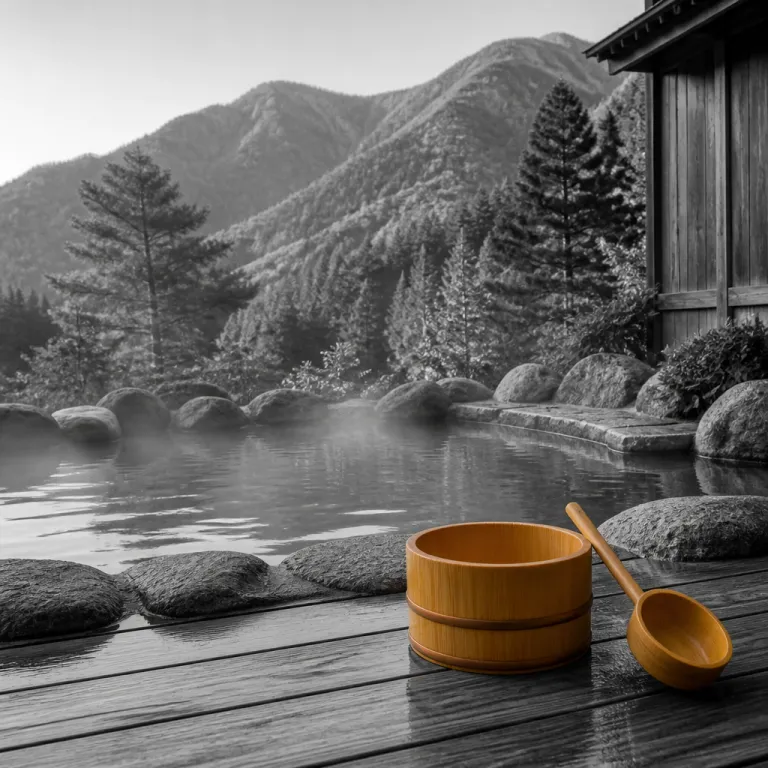
Why Hida Takayama onsen is Japan’s refined mountain retreat
Hida Takayama sits in the northern Japanese Alps and pairs crisp mountain air with a refined hot spring culture. In this compact town, the Hida Takayama onsen experience blends traditional Japanese-style hospitality with modern comfort for travelers who value quiet luxury. Many guests arrive for the hot spring baths and stay longer to enjoy the preserved old town streets, morning markets along the Miyagawa River, and the calm rhythm of daily life, as highlighted by the Hida Takayama City Tourism Division.
The wider Takayama area is part of onsen-rich Gifu Prefecture, a region known for mineral-rich hot springs that feed both indoor and open-air baths. According to the Hida Takayama Tourism Office and Gifu Prefecture tourism data, natural hot spring water is piped into several facilities across town, including hotel spas and traditional inns. Within the town, a number of hotel properties and classic onsen ryokan offer guest rooms with direct access to spring baths, some with tubs private to each suite for uninterrupted relaxation. For wellness-focused travelers, soaking in a hot spring here is not just leisure; it is a cultural ritual shaped by centuries of Japanese bathing etiquette and regional customs.
There are around ten onsen facilities in Takayama, according to local tourism statistics, which means genuine choice without the crowds of larger resort towns such as Hakone or Kusatsu. Many of these hot springs operate from early morning to late evening, typically between 6:00 and 23:00, allowing you to enjoy a quiet open-air bath before breakfast or a lantern-lit soak after dinner in town. Because Hida Takayama is compact, you can move easily between your ryokan, the historic streets, and the hot spring facilities on foot within minutes, often without needing a taxi or bus even in the evening.
Choosing between luxury hotels and traditional ryokan in Takayama
Travelers booking a luxury stay in Takayama usually compare two main options: a full-service hotel or a traditional onsen ryokan. A luxury hotel in Hida Takayama often features Western-style rooms with large beds, climate-controlled air, and in-room technology that suits international guests. By contrast, a Japanese-style ryokan emphasizes tatami-mat rooms, low furniture, and sliding shoji screens that frame the surrounding town or mountain views, creating a more immersive local atmosphere and a sense of staying in a private mountain retreat.
For guests who prefer familiar comforts, Western-style properties near Takayama Station provide easy access and clear wayfinding in English. These hotels typically offer guest rooms with ensuite baths, while the larger communal spring baths and open-air pools are located in shared spa areas. If you are planning a wider mountain itinerary, you might pair a stay here with other refined alpine retreats such as an elegant guide to the finest hotels in Hakuba, Japan for a refined mountain escape, which showcases another Japanese mountain town with strong ski and hot spring credentials and similar four-season appeal and pricing across mid-range and luxury tiers.
On the other hand, an onsen ryokan in Hida offers a deeper immersion into Japanese-style hospitality, including multi-course kaiseki dinners and carefully prepared Hida beef. Many ryokan properties in onsen-focused Gifu provide baths private to certain suites, allowing couples or families to enjoy hot springs together without using the shared gender-separated rooms. When comparing options, consider whether you value room service, concierge support, and Western-style beds more, or whether the quiet ritual of a tatami room, seasonal yukata robe, and traditional breakfast defines your ideal Hida Takayama onsen stay and justifies the typical premium nightly rate.
Staying near Takayama Station for seamless luxury travel
Location shapes every Hida Takayama onsen stay, and proximity to Takayama Station can transform your arrival. Many premium hotel and ryokan properties sit within a five to ten minute walk of the station, which reduces transfer time and keeps your journey smooth after a long rail ride on the Limited Express Hida from Nagoya. For travelers arriving with luggage, staying near the station also simplifies access to the Takayama Nohi Bus Center for day trips into the surrounding Hida mountains and nearby villages such as Shirakawa-go and Gero Onsen.
Takayama Green Hotel is a leading example of a full-service property located only a few minutes from Takayama Station, combining convenience with a complete onsen offering. This hotel features both indoor hot spring baths and open-air baths, allowing guests to move between warm indoor pools and fresh mountain air baths in a single session. Rooms open toward the town or garden views, and the guest rooms range from Western-style layouts to Japanese-style rooms, which helps mixed travel groups choose their preferred sleeping arrangements and price range based on current seasonal offers.
For travelers who prioritize a traditional inn near the transport hub, Oyado Koto no Yume is a ryokan-style property also located close to the station. This onsen ryokan offers both shared spring baths and options for baths private to certain guest rooms, which is ideal for couples seeking privacy or guests with tattoos who prefer not to use communal areas. To deepen your research on refined hot spring stays in this mountain town, you can consult this guide to refined onsen stays in Takayama, Japan’s mountain town of hot spring elegance, which profiles several properties that balance access, comfort, and authentic onsen culture and indicates typical booking windows.
Onsen etiquette and how to enjoy the hot spring experience
Understanding Japanese onsen etiquette is essential for enjoying Hida Takayama hot springs with confidence. Before entering any hot spring bath, you must wash thoroughly at the shower stations, rinsing soap completely so the shared spring baths remain clean. Once you step into the water, you should keep towels out of the bath, avoid swimming or splashing, and maintain a quiet tone to respect other guests and preserve the tranquil atmosphere recommended by onsen associations across Japan.
Local tourism guidance emphasizes three key points for international visitors: “Check onsen etiquette before visiting. Some facilities may require reservations. Tattoos may need to be covered.” These rules apply across onsen areas in Gifu, including the Takayama onsen facilities inside hotels and ryokan, and they help preserve both hygiene and cultural comfort. Some luxury properties offer baths private to individual rooms or to small groups, which can be a good option if you prefer more seclusion, are traveling as a family, or need to manage visible tattoos discreetly while still enjoying natural hot spring water.
Most hot springs in Hida Takayama operate from morning to night, so you can choose a quiet time that suits your schedule and tolerance for heat. Many guests enjoy an early open-air bath in an outdoor pool, when the mountain air is crisp and steam rises gently from the surface of the water. Others prefer an evening soak in indoor spring baths, letting the hot water relax muscles after walking several minutes through the old town streets and markets and sampling local sake at small breweries that line the historic district.
Room types, private baths, and the art of slow bathing
Room selection has a direct impact on how you experience Hida Takayama onsen culture. In many properties, you can choose between Western-style rooms with beds and Japanese-style rooms with futons laid out each evening by staff. Some hotels also offer hybrid-style rooms, where a Western bed sits alongside a tatami seating area, giving you both comfort and a sense of traditional Japanese interior design without sacrificing familiar amenities such as individual climate control.
For guests seeking maximum privacy, look for guest rooms that include an in-room hot spring bath or semi open-air bath on a balcony or terrace. These rooms open directly onto small gardens or town views, and the open-air baths allow you to enjoy hot springs without leaving your suite, which is especially appealing during colder months when snow sometimes dusts the rooftops. Properties that advertise baths private to each room usually draw couples and families who value quiet time together over the social atmosphere of larger shared spring baths and changing rooms, even if nightly rates are higher.
Takayama Green Hotel, for example, combines large communal hot spring facilities with a selection of rooms that feature private soaking options. Oyado Koto no Yume, as a traditional onsen ryokan, focuses on Japanese-style guest rooms but may also offer arrangements where certain baths private to small groups can be reserved by the hour at reception. When comparing these options on a luxury booking platform, pay close attention to whether the hot spring water is piped directly into the room bath, whether the air is naturally ventilated, and how many minutes it takes to walk from your room to the main baths, especially if you plan multiple visits each day and want to schedule them around dinner.
Mountain escapes, Hida beef dining, and wider luxury journeys in Japan
Hida Takayama is part of a broader network of Japanese mountain escapes that appeal to travelers seeking both nature and refined hospitality. The town itself is compact, yet within a few minutes by Takayama bus services you can reach trailheads, rural villages, and viewpoints over the Hida region. Many visitors pair a stay in Hida Takayama onsen properties with other mountain destinations, creating a multi-stop itinerary that balances hot springs, skiing, and cultural visits across central Japan and complements city-based luxury hotels.
Culinary experiences are central to any premium stay here, and Hida beef is the star ingredient on many hotel and ryokan menus. In Japanese-style kaiseki dinners, chefs serve Hida beef grilled on small tabletop grills, simmered in hot pots, or as shabu-shabu, often alongside seasonal vegetables from farms near the town. Western-style restaurants inside larger hotels may present Hida beef as steaks or tasting menus, giving guests who prefer Western-style dining an alternative to traditional multi-course Japanese meals without losing the local flavor or sense of place.
For travelers designing a longer luxury journey across Japan, it can be rewarding to contrast mountain onsen stays with elevated urban retreats. A stay in Hida Takayama, with its quiet hot spring baths and fresh mountain air, pairs well with a night at an elevated urban retreat in Kagoshima such as the Shiroyama Kankō Hotel, which offers city views, volcanic scenery, and a different expression of Japanese hospitality. By alternating between onsen ryokan in the mountains and full-service hotels in cities, you experience the full range of Japanese-style and Western-style rooms, open-air baths and indoor pools, and both town-based and urban hot spring culture in a single itinerary.
Key statistics on Hida Takayama onsen and wellness travel
- There are around 10 onsen facilities in Takayama, according to the local tourism board, which provides a concentrated yet varied selection of hot spring experiences within a compact town that is easy to explore on foot and by short local bus rides.
- Most hot springs in Hida Takayama operate daily from morning to night, often from about 6:00 until late evening, giving wellness travelers flexible access to spring baths before sightseeing or after returning from mountain excursions and day tours.
- The Takayama area forms part of the wider onsen Gifu region, which is recognized within Japan for integrating modern amenities into traditional hot spring settings to meet rising wellness tourism demand from both domestic and international visitors.
- Luxury and premium properties near Takayama Station typically sit within a 5 to 10 minute walk of rail and bus terminals, reducing transfer stress for international visitors carrying luggage and making short stays more practical even on tight schedules.
FAQ about Hida Takayama onsen stays
Are there private onsen available in Hida Takayama ?
Yes, some facilities offer private baths, either as in-room hot spring tubs or as reservable family baths that can be booked by the hour. When browsing hotel and ryokan listings, look for mentions of baths private to guest rooms or “family baths” in the facility descriptions. These options are ideal for couples, families, or travelers who prefer to bathe without using shared gender-separated spring baths or who want a quieter, more personal experience.
Can people with tattoos use the onsen in Takayama ?
Policies vary; some require covering tattoos, while others are more flexible, especially in private or in-room baths. Before booking, check each hotel or onsen ryokan policy, and consider choosing guest rooms with private hot spring baths if you prefer not to use shared facilities. Many luxury properties in onsen-focused Gifu are accustomed to international guests and will explain their rules clearly at check-in, sometimes providing cover stickers or guidance on suitable bathing times.
Is prior reservation needed for onsen facilities ?
Is prior reservation needed for onsen ? The answer is that it depends on the facility; check in advance. Large hotel baths for staying guests usually do not require reservations, while private open-air baths or family baths often need time slots booked at reception. During peak travel periods such as Golden Week, New Year, or autumn foliage season, reserving early ensures you can enjoy the hot springs at your preferred time of day.
How long should I stay in Hida Takayama to enjoy the onsen ?
A stay of two to three nights allows enough time to enjoy multiple hot spring sessions, explore the old town, and sample Hida beef-focused cuisine. With this duration, you can alternate between indoor spring baths and open-air baths, and still have minutes each day for relaxed walks from your hotel to the morning markets and sake breweries. Shorter one-night stays are possible, but they offer a more compressed experience of Hida Takayama onsen culture and less flexibility if you encounter rain or travel delays.
What is the best way to reach Takayama’s onsen area ?
Most international travelers reach Takayama via Limited Express trains from Nagoya, arriving directly at Takayama Station in the town center. From there, many hotels and ryokan are within a short minute walk, while others can be reached by local Takayama bus services or brief taxi rides. This compact layout makes it easy to move between your guest rooms, the hot springs, and the historic streets without long transfers, even if you are visiting for only a night or two.