Why a matsumoto ryokan stay belongs on a refined Japan itinerary
Staying at a matsumoto ryokan offers a calm, immersive way to experience Japan. In Obanazawa, a family-run inn commonly called Matsumoto Ryokan sits in a quiet valley where the air feels crisp and the pace slows immediately. This traditional Japanese inn is ideal if you value attentive service, refined rooms, and an authentic hot spring bath rather than a standard city hotel.
Matsumoto Ryokan is located in the Ginzanshinhata area of Obanazawa, Yamagata Prefecture, northern Japan, a short drive from Ginzan Onsen. The approximate address is 999-4333 Yamagata, Obanazawa-shi, Ginzanshinhata, and the property can usually be contacted via its official website or by phone through local tourism listings. It operates year round with check in from 15:00 and check out at 10:00. From Tokyo or Kyoto you typically travel by Shinkansen to Oishida Station on the Yamagata Shinkansen line, then continue by local bus or taxi for around 30–40 minutes, so planning your route in advance is essential when you compare it with more accessible options near Matsumoto Station or Kyoto Station. The journey rewards you with a quieter side of Japan than you find in the major hubs of Matsumoto or the Japan Alps resort towns.
This Obanazawa ryokan is a traditional Japanese inn with hot spring baths rather than a large resort. Expect tatami rooms, communal onsen facilities, and local cuisine instead of extensive spa menus or multiple restaurants. Complimentary Wi-Fi is generally available, and traditional Japanese meals are typically included in overnight plans. These practical details matter when you compare different room type options on a luxury booking website, because they influence both comfort and the perceived value of the price per night.
Exact guest-satisfaction figures and average nightly rates can fluctuate by season and booking channel, but recent online reviews often place overall ratings around 4.3–4.6 out of 5, with particular praise for hospitality and food. In broad terms, pricing usually falls in the mid-range for rural hot spring inns in Tohoku, especially when you factor in two meals and access to natural baths. For travelers used to a Western-style hotel near a major station, this often represents excellent value for a deeply traditional Japanese experience anchored in local cuisine and onsen culture.
Rooms, room types, and how to choose your ideal Japanese style stay
Room selection at a matsumoto ryokan shapes your entire stay, so it deserves careful thought. At this Obanazawa inn you sleep on futon bedding laid directly on tatami mats, which creates a very different feel from a raised bed in a Western style hotel room. The property has a small inventory of roughly a dozen guest rooms, and the atmosphere can vary depending on whether you choose a compact single room or a more spacious suite-style layout for couples or families.
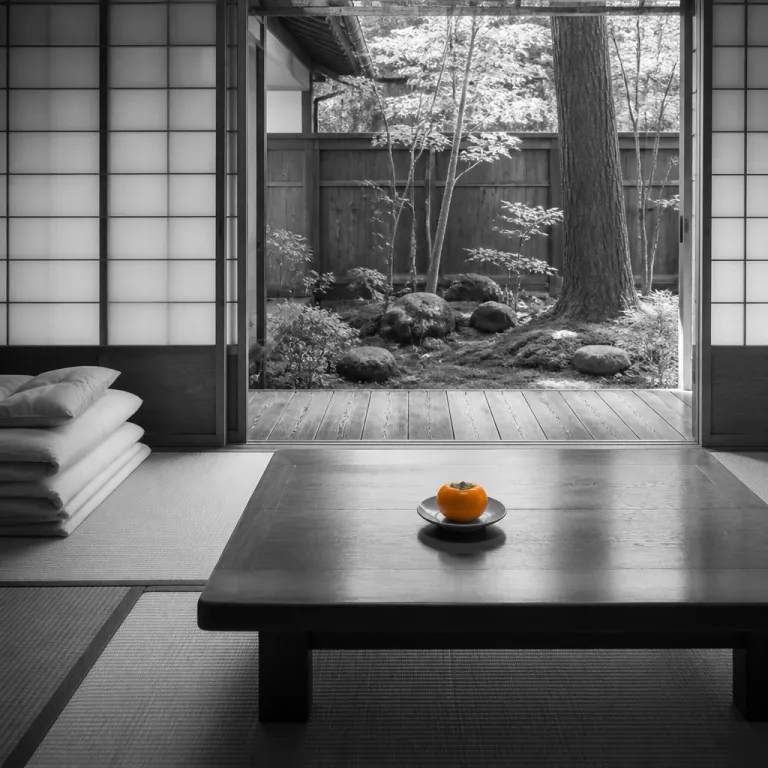
Most rooms follow a classic Japanese style design with sliding shoji doors, low tables, and alcoves for seasonal flower arrangements, which creates a quiet, almost zen ambience ideal for slow evenings. A standard room usually includes a seating area by the window, where you can enjoy the mountain air and listen to the river outside. Some rooms include a small private bath with regular hot water, while others rely entirely on the shared onsen baths, so you should always check which room type you are booking on any luxury or premium hotel platform.
Travelers who prefer a room western configuration sometimes look for hybrid options that combine futon with a low Western style bed, but at this ryokan the focus remains firmly on traditional Japanese layouts. If you need a true room western setup with chairs and a desk, you might compare this stay with properties such as Myojinkan near Matsumoto, which blends Western style and Japanese style rooms in a mountain setting. When you browse booking engines, pay attention to labels such as standard room, suite zen, or named categories like otaka room, because inclusions and views can vary depending on the exact type.
For cultural travelers already familiar with Kyoto, it can be helpful to think of this Obanazawa ryokan in relation to refined properties such as the ryokan highlighted in this guide to a traditional ryokan stay in Kyoto. Both emphasize traditional Japanese hospitality, multi course kaiseki dinners, and calm rooms, but the Obanazawa setting feels more remote than central Kyoto. One recent guest described their room as “the kind of place where you start reading after dinner and suddenly realize it’s completely silent outside except for the river.” Whether you choose a single room or a larger suite zen style space, you will be spending many quiet hours in your room, so align your choice with how you like to relax, read, and enjoy tea between onsen sessions.
Onsen, open air baths, and the art of bathing at Matsumoto Ryokan
The onsen experience is the heart of any matsumoto ryokan stay, and this Obanazawa inn is no exception. Natural hot spring water feeds the communal baths, creating a soothing hot spring environment that eases travel fatigue and encourages a slower rhythm. For many guests, the memory of stepping into a steaming bath while snow falls outside becomes the defining image of their time in Japan.
At this ryokan you will find separate men’s and women’s baths, each with indoor pools and often an open air section where you can feel the cool mountain air on your face. The contrast between the hot water and the crisp air bath sensation is deeply relaxing, and it reflects a long Japanese tradition of seasonal bathing. While some luxury properties in the Japan Alps region focus on elaborate spa menus, this inn keeps the ritual simple, emphasizing clean design, natural materials, and a quiet, understated atmosphere.
Many travelers search for a private onsen when booking, hoping for a private hot spring bath attached to their room or available by the hour. At this Obanazawa ryokan the focus is on communal bathing, and fully private onsen rooms are limited; depending on the season there may be one or two guest rooms with small private open air tubs, or a family bath that can be reserved in time slots. If a private bath is essential for you, confirm in advance whether any room type includes a private open air tub or whether time slots can be reserved for couples or families.
For comparison, some high end properties in Nagano Prefecture and the wider Japan Alps region offer elaborate private onsen suites with Western style beds and large open air decks, while others, such as traditional inns near Matsumoto Station, maintain only shared baths. When planning a refined itinerary that might also include a stop at a destination restaurant such as the Kobe steak house featured in this essential Japan itinerary guide, think about how many nights you want to dedicate to pure onsen relaxation. A stay of at least two nights allows you to experience the baths at different times of day, from quiet early mornings to star filled evenings.
Hidden gem location in Obanazawa and how it compares to Matsumoto and Kyoto
Obanazawa in Yamagata Prefecture feels far removed from the busy streets around Matsumoto Station or Kyoto Station, which is precisely why this ryokan appeals to seasoned travelers. The Ginzanshinhata area places you within easy reach of Ginzan Onsen, one of Japan’s most atmospheric hot spring towns, yet the inn itself remains calm and understated. This combination makes it a hidden gem for guests who have already stayed in central Matsumoto or Kyoto and now want a quieter base.
Reaching the ryokan usually involves a Shinkansen ride of around three hours from Tokyo to Oishida Station, followed by a local bus or taxi into the valley, so the journey is longer than a simple hop between major stations. However, the reward is a landscape of forests, rivers, and snow covered hills that feels closer to the Japan Alps than to an urban sprawl. The clean mountain air, the sound of water, and the slower pace all contribute to the sense of retreat that luxury travelers often seek but rarely find in city hotels.
When you compare this setting with a stay in Matsumoto city, perhaps at a property like Myojinkan in the hills above town, you notice both similarities and differences. Both regions offer access to hot spring culture and mountain scenery, yet Obanazawa remains less developed, with fewer large hotels and more intimate ryokan. For travelers who have already explored Kyoto’s temples and the refined streets of Gion, adding a few nights at this Obanazawa inn creates a more balanced itinerary that combines cultural depth with rural calm.
Because the property operates year round, the character of the stay can vary depending on the season, from lush green summers to heavy snow in winter. This seasonality affects not only the views from your room but also the feel of the open air baths and the local cuisine served at dinner. If you are building a longer route that includes Tokyo, consider pairing this rural stay with an urban base chosen from a curated guide to refined places to stay in Tokyo, so you experience both sides of Japan’s hospitality spectrum.
Traditional Japanese hospitality, dining, and the role of room categories
Hospitality at this Obanazawa ryokan follows long established Japanese customs, which shape everything from check in to your final farewell. Staff greet you with a balance of formality and warmth, then guide you to your room where tea and sweets are usually prepared. This ritual sets the tone for a stay that emphasizes calm, respect, and a sense of being looked after without intrusion.
Meals are a highlight, with dinner often served as a multi course kaiseki style feast that showcases local ingredients from Yamagata and the wider Tohoku region. Seasonal fish, mountain vegetables, and regional rice varieties appear in carefully arranged dishes, and the presentation in your room or in a private dining space reinforces the intimate feel. Breakfast continues the theme with grilled fish, miso soup, rice, and small side dishes, all aligned with traditional Japanese tastes rather than Western style buffets.
Your chosen room type influences how you experience these meals and moments of rest between onsen visits. A standard room in Japanese style offers enough space for a couple to relax, while a larger suite zen layout or a named otaka room category might provide extra seating or better views. Some luxury booking platforms describe these as style otaka or suite zen rooms, so read descriptions carefully to understand whether the differences are mainly in size, outlook, or included amenities.
Unlike a large hotel where room western and Japanese style categories are often clearly separated, a matsumoto ryokan tends to focus on tatami rooms with futon, and any Western style elements are subtle. You may find a low Western style bed in a few rooms, but the core experience remains sleeping close to the floor, listening to the quiet night air outside. For many guests this shift from their usual bed routine becomes part of the charm, especially when combined with the deep relaxation that follows an evening in the hot spring baths.
Pricing, value for money, and how to book Matsumoto Ryokan wisely
Understanding pricing at a matsumoto ryokan requires a different mindset from booking a city hotel. At this Obanazawa inn the price per night typically includes both dinner and breakfast as well as access to the onsen baths, so comparing it directly with room-only rates in urban properties can be misleading. When you factor in the quality of the cuisine, the hot spring facilities, and the level of service, the overall value often compares favorably with many luxury hotels in Matsumoto or Kyoto.
Rates will vary depending on season, room type, and whether you book for single occupancy or for two or more guests sharing the same room. As a rough guide, off-peak weekday stays might start around ¥18,000–¥22,000 per person per night including two meals, while busy weekends and holiday periods can rise to ¥25,000–¥35,000 or more. Peak periods such as major holidays, local festivals, or popular foliage and snow seasons in Yamagata and the wider Nagano Prefecture region tend to push the price per night higher. Conversely, midweek stays outside those peaks can offer more accessible pricing, quieter baths, and greater flexibility in choosing specific room categories such as a standard room or an otaka room if available.
When using a luxury and premium hotel booking website, pay close attention to what is included in each plan, because inclusions can vary depending on the package. Some offers might highlight a private onsen session, a room western style bed configuration, or a special kaiseki menu, while others focus on a classic Japanese style room with shared baths. Always confirm whether taxes, service charges, and local onsen fees are included in the displayed price per night, as these details can significantly affect your final bill.
Because this traditional property has a strong reputation and a limited number of rooms, availability can tighten quickly during peak seasons. Booking several months ahead is wise, especially if you want a specific room type or if you are coordinating a broader itinerary that includes stays in the Japan Alps or Nagano Prefecture. If your dates are flexible, consider contacting the property or checking multiple booking platforms to see how prices vary depending on day of the week and room availability.
Practical etiquette tips and how to integrate Matsumoto Ryokan into a wider Japan journey
Staying at a matsumoto ryokan in Obanazawa involves a few customs that may be new to international guests, but they are easy to follow once explained. You remove your shoes at the entrance, wear provided slippers in corridors, and step barefoot or in socks on tatami inside your room. In the onsen area you wash thoroughly at the shower stations before entering the hot bath, and you keep towels out of the water to preserve cleanliness.
Because the inn emphasizes traditional Japanese hospitality, quiet behavior in corridors and baths is appreciated, and late night noise is discouraged. Many guests retire early after dinner and a final soak, so the atmosphere in both rooms and public spaces becomes very calm by late evening. If you are used to the livelier feel of a large hotel near Matsumoto Station or Kyoto Station, this shift toward silence can feel striking at first but soon becomes part of the appeal.
When planning a broader journey, this Obanazawa ryokan pairs well with stays in the Japan Alps, Nagano Prefecture, and cultural centers such as Kyoto and Tokyo. A simple three-stop itinerary might begin with two or three nights in Tokyo, continue with a mountain retreat near Matsumoto for hiking and art museums, and finish with several nights in Obanazawa for deep onsen relaxation before returning to the city. This sequence allows you to experience both Western style and Japanese style rooms, from a room western configuration in the city to a pure tatami suite zen layout in the countryside.
For travelers who value hidden gems, the combination of a quiet location, authentic hot spring baths, and carefully prepared meals makes this ryokan a compelling choice. The property’s blend of traditional ambiance with modern amenities such as Wi Fi ensures comfort without diluting the sense of place. With thoughtful planning around room type, season, and price per night, you can integrate this stay into a sophisticated itinerary that reflects the full range of Japan’s hospitality culture.
Key figures and data points for planning a stay at Matsumoto Ryokan
- Guest satisfaction at this Obanazawa ryokan is generally high according to internal feedback and online reviews, with most visitors praising traditional Japanese hospitality, attentive staff, and the calm atmosphere over large scale facilities.
- Typical nightly rates fall into the mid-range for rural hot spring inns in regional Japan and usually include dinner, breakfast, and access to the onsen baths, making them competitive with mid to high range hotels when you factor in meals.
- Check in time is set at 15:00 and check out at 10:00, so travelers arriving from distant cities such as Tokyo or Kyoto should plan Shinkansen and bus connections carefully to maximize time in the hot spring baths and in their chosen room type.
- The property operates throughout the year, which means that the character of a stay can vary depending on the season, from snow framed open air baths in winter to lush green valley views in summer, and this seasonality can influence both availability and price per night.
Frequently asked questions about Matsumoto Ryokan and matsumoto ryokan stays
What amenities are offered at Matsumoto Ryokan ?
This Obanazawa ryokan offers traditional tatami rooms, communal onsen baths, and local cuisine, with futon bedding, yukata robes, and tea sets typically provided in each room. Guests can expect multi course Japanese dinners and breakfasts included in most plans. Complimentary Wi Fi and basic modern comforts are available while preserving a traditional Japanese atmosphere.
Is there Wi Fi available at Matsumoto Ryokan ?
Yes, complimentary Wi Fi is generally provided throughout the property, allowing guests to stay connected while enjoying a rural hot spring environment. The connection is usually sufficient for messaging, browsing, and light work tasks. Travelers who require very high bandwidth for streaming or large uploads should plan accordingly, as the focus of the stay is relaxation rather than intensive online activity.
Are meals included in the stay at Matsumoto Ryokan ?
Yes, traditional Japanese meals are typically included in stays at this Obanazawa inn, usually in the form of dinner and breakfast. Dinner often follows a kaiseki style format featuring seasonal ingredients from Yamagata and the surrounding region. Breakfast is usually a Japanese set with rice, grilled fish, miso soup, and small side dishes, served either in your room or in a dedicated dining area.
How far in advance should I book Matsumoto Ryokan ?
Booking in advance is strongly recommended, especially during peak seasons such as major holidays, local festivals, and popular foliage or snow periods. Because room numbers are limited and the property has a solid reputation, availability can tighten several months ahead. Early reservations also give you a better chance of securing your preferred room type and price per night.
Is Matsumoto Ryokan suitable for first time visitors to Japan ?
This Obanazawa ryokan can be an excellent choice for first time visitors who want an authentic hot spring and traditional Japanese lodging experience, provided they are comfortable with customs such as communal bathing and futon bedding. Staff are accustomed to hosting international guests and can usually explain basic etiquette clearly. Many travelers combine a stay here with nights in more familiar Western style hotels in cities like Tokyo, Matsumoto, or Kyoto to balance comfort and cultural immersion.