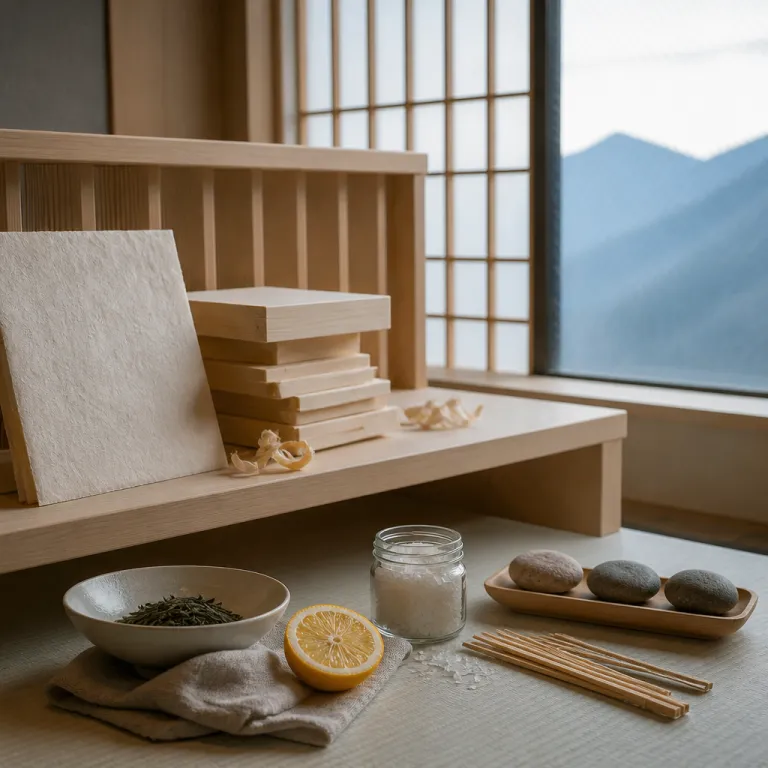
Aura Tachibana Hakone: refined mountain ryokan escape in Hakone, Japan
Aura tachibana hakone as a refined mountain escape in hakone japan
Aura Tachibana Hakone sits on one of the higher hills of Hakone Yumoto, giving this traditional ryokan a calm vantage point over the valley. From this elevated setting in Hakone, Japan, the hotel blends classic Japanese aesthetics with discreet modern comforts that appeal to luxury travelers. The result is a mountain escape where every room and shared space feels intentionally composed.
This hot spring inn operates year round, which means you can reserve stays that align with cherry blossoms, lush summer greens, autumn foliage, or snow dusted peaks. The ryokan has built its reputation on traditional Japanese hospitality, using natural hot springs and seasonal cuisine to create a sense of place that feels unmistakably Japan. With a relatively small collection of guest rooms and suites—fewer than many large Hakone hotel complexes—the intimate scale allows staff to anticipate needs while still giving guests privacy.
Classified as an onsen ryokan, Aura Tachibana Hakone draws mineral rich hot springs from underground sources, with water that is typically described as mildly alkaline and gentle on the skin. These natural hot waters feed both indoor baths and open air baths, including private onsen options in selected rooms. For travelers comparing different Hakone hotel choices, this combination of authentic hot spring baths, refined dining, hillside views, and easy access from Tokyo makes Aura Tachibana Hakone a compelling base for exploring the wider region.
Rooms, tatami comfort, and the art of the japanese bath
Guest rooms at Aura Tachibana Hakone are divided between modern spaces with open air baths and pure Japanese rooms with tatami mats. In the traditional wing, each room tatami layout uses sliding shoji screens, low furniture, and futons that attendants set out after dinner. These Japanese style rooms create a quiet rhythm, where the line between sleeping area and living area shifts through the day.
Modern rooms introduce Western beds while still echoing Japanese design, and several categories include a private open air bath on the balcony. Here, guests can enjoy an open air bath experience where steam rises into the cool mountain air while the hot spring water remains naturally hot. The contrast between crisp evening air and the warmth of the spring bath is one of the defining pleasures of staying in an onsen ryokan in Hakone.
Across all rooms, the hotel focuses on generous proportions, thoughtful lighting, and materials that feel tactile rather than glossy. Many travelers choose to reserve a room with a private onsen, valuing the ability to bathe at any hour without leaving their suite. For those who prefer shared facilities, the main spring baths and indoor hot springs offer both open air terraces and sheltered pools, giving multiple ways to enjoy the natural hot waters.
Modern rooms with open air baths and pure Japanese style rooms are typically offered on half board plans that include breakfast and dinner, and the property is approximately seven minutes by taxi or shuttle bus from Hakone Yumoto Station. It is wise to book in advance, plan for check in at 14:00 and check out at 10:00, and take advantage of the free parking available for guests arriving by car; for current room count, street address, and price ranges, consult the official Aura Tachibana Hakone website or a trusted booking platform.
Onsen rituals, open air baths, and private onsen etiquette
The heart of Aura Tachibana Hakone is its network of hot spring baths, which channel natural hot waters into both indoor and open air pools. Before entering any onsen, guests wash thoroughly at the shower stations, sitting on small stools and rinsing carefully to keep the shared spring baths pristine. This pre bath ritual is central to Japanese bathing culture and is strictly observed in every onsen ryokan across Hakone.
Once clean, you move into the main hot spring area, where indoor pools offer steady temperatures and shelter, while open air baths frame the surrounding hills. At Aura Tachibana, the design of each open air bath emphasizes views and fresh air, so steam rises gently into the sky as you soak. The sensation of stepping from the washing area into the natural hot water is deeply relaxing, especially after a day exploring Hakone Yumoto or walking near Lake Ashi.
For travelers who value privacy, the hotel’s private onsen facilities and guest rooms with private open air baths are particularly appealing. These spaces allow couples or families to enjoy a spring bath together without sharing the area with other guests. One guest described slipping into the balcony tub just after sunset, watching the lights of Hakone Yumoto flicker on below while the mountain air cooled, as a moment that captured the quiet elegance of onsen culture. If you are planning a wider circuit of refined onsen stays in Japan’s mountains, it is worth comparing this experience with other destinations such as Takayama, using regional guides and official tourism resources to plan a route through the Japanese Alps.
From tokyo to hakone yumoto: access, shinjuku links, and yumoto station
Reaching Aura Tachibana Hakone from Tokyo is straightforward, which makes this ryokan ideal for a short luxury escape from the capital. Many travelers depart from Shinjuku Station on the Odakyu Romancecar, arriving directly at Hakone Yumoto Station in roughly an hour and a half, depending on the service. From Yumoto Station, the hotel is about seven minutes away by taxi or shuttle, so your transition from urban energy to mountain calm is pleasantly swift.
Guests arriving from central Tokyo districts such as Shinjuku or Ginza often combine their stay in Hakone with a few nights in a refined urban hotel. If you are still deciding where to stay in Tokyo for your first visit, a detailed guide to refined urban retreats by district can help you match neighborhoods with your travel style. Pairing a city stay with a night or two at Aura Tachibana Hakone gives you both metropolitan convenience and a restorative onsen experience in Hakone, Japan.
For those continuing deeper into Japan’s mountain regions after Hakone, transport connections are well structured. You can return to Tokyo and transfer to flights or trains bound for Hokkaido, then follow a step by step guide on how to get to Niseko with ease for a refined Hokkaido escape. Whether you are moving between ski resorts, Lake Ashi cruises, or other hot springs, planning your rail and bus timings in advance will make each reserve and check in feel effortless; for up to date timetables, refer to Odakyu Electric Railway and other official operators.
Culinary experiences, seasonal menus, and the role of local ingredients
Staying at Aura Tachibana Hakone is as much about dining as it is about bathing, since most plans include half board with breakfast and dinner. The kitchen emphasizes seasonal Japanese cuisine, using local suppliers for vegetables, river fish, and regional specialties from around Hakone, Japan. Multi course kaiseki style dinners highlight texture and temperature contrasts, often pairing hot dishes with delicately chilled starters.
Meals are usually served either in a dedicated dining room or in certain guest rooms, depending on the category you reserve. In traditional room tatami layouts, low tables are set on tatami mats, and staff present each course with quiet precision that reflects classic Japanese hospitality. Breakfasts balance grilled fish, rice, miso soup, and small side dishes, giving you enough energy for walks near Lake Ashi, visits to a museum, or gentle strolls through Yumoto Hakone.
The hotel’s approach to food aligns with broader trends in Japan’s luxury travel sector, where authenticity and locality matter more than elaborate presentation alone. By focusing on ingredients from the Hakone region and surrounding Kanagawa Prefecture, Aura Tachibana reinforces its identity as a mountain retreat rather than a generic Hakone hotel. For guests, this means each meal becomes another way to connect with the landscape that feeds the hot springs and shapes the rhythms of daily life in this part of Japan.
Nearby culture, museums, and mountain escapes beyond aura tachibana
While many guests are content to remain within the calm of Aura Tachibana Hakone, the surrounding area offers rich cultural and natural excursions. Hakone is known for its art museums, including the Hakone Open Air Museum and the Pola Museum of Art, both easily reached by local transport or taxi. These institutions pair sculpture and painting with mountain backdrops, creating an interplay between culture and landscape that complements time spent in the hot springs.
Lake Ashi is another highlight of Hakone, Japan, where sightseeing cruises glide past forested shores and, on clear days, frame distant views of Mount Fuji. After a morning on the lake or a visit to a museum, returning to the ryokan for an afternoon spring bath or evening open air bath feels especially restorative. The contrast between the cool air around Lake Ashi and the hot water of the onsen reinforces why mountain escapes in Japan remain so sought after.
For travelers planning a broader itinerary of luxury and premium stays, Aura Tachibana can serve as a template for what to seek in other regions. Look for onsen ryokan that combine natural hot springs, thoughtful room design, and easy access from major hubs such as Tokyo or Shinjuku. When you find properties that, like Aura Tachibana Hakone, balance private onsen options, open air communal baths, and strong connections to local culture, you are likely to enjoy a consistently high level of comfort across Japan.
Key figures and practical statistics for aura tachibana hakone
- Aura Tachibana Hakone offers a limited number of guest rooms, which keeps the scale intimate compared with large Hakone hotel complexes that may exceed 200 rooms; for the exact room count and current configuration, refer to the official hotel information.
- The hot spring water used in the baths is generally described as mildly alkaline, a quality often associated with a smooth skin feel in Japanese onsen culture; for a formal mineral analysis, consult the onsen data published by local authorities or the property.
- Travel time from Shinjuku Station to Hakone Yumoto Station on the Odakyu Romancecar is commonly around an hour and a half, making this onsen ryokan a realistic two night escape from central Tokyo for many visitors.
- The transfer from Yumoto Station to the hotel typically takes only a few minutes by taxi or shuttle, so total door to door travel from Tokyo hotels often remains under three hours, depending on connections and time of day.
- Year round operation means guests can experience four distinct seasonal landscapes, from cherry blossoms to autumn foliage, which is a key factor for repeat visitors to Hakone, Japan who plan trips around specific seasonal highlights.
FAQ: planning your stay at aura tachibana hakone
What types of rooms are available at Aura Tachibana Hakone ?
The property offers modern rooms with open air baths and pure Japanese rooms with tatami mats, so guests can choose between Western beds or traditional futon arrangements. Several categories include a private onsen on the balcony, while others rely on shared indoor and open air hot springs. When you reserve, review the room descriptions carefully to match your preferences for layout, private onsen access, and view.
Are meals included in the stay, and what style of cuisine is served ?
Most plans at this ryokan include half board with breakfast and dinner, following the classic onsen ryokan model in Japan. Dinners are typically multi course Japanese meals that highlight seasonal ingredients from the Hakone region and wider Kanagawa area. Breakfasts combine grilled fish, rice, miso soup, and small side dishes, with some modern rooms offering slightly more Western leaning options.
How do I reach Aura Tachibana Hakone from Tokyo or Shinjuku ?
From Shinjuku Station, many guests take the Odakyu Romancecar directly to Hakone Yumoto Station, which usually takes around an hour and a half, depending on the train. From Yumoto Station, the hotel is about seven minutes away by taxi or shuttle bus, and staff can advise on current schedules when you reserve. Travelers arriving from other parts of Tokyo can connect via Shinjuku or Odawara, depending on their rail passes and timing, and can confirm details through Odakyu Electric Railway.
What is the etiquette for using the hot springs and open air baths ?
Before entering any hot spring or open air bath, you must wash thoroughly at the shower stations, using soap and rinsing completely. Swimwear is not worn in traditional Japanese onsen, so guests bathe nude, with small towels used only for modesty outside the water. Those who prefer more privacy can choose rooms with private onsen or reserve family style baths when available, and can review etiquette summaries from the Japan National Tourism Organization (JNTO) before arrival.
When should I book, and are there any timing tips for check in and check out ?
It is wise to book in advance, especially for weekends, holidays, and peak foliage or cherry blossom periods in Hakone, Japan. Check in at Aura Tachibana Hakone usually begins at 14:00, while check out is typically set at 10:00, which aligns with many onsen ryokan schedules. Planning your train times around these hours will give you enough margin to enjoy both the spring baths and the multi course dinner without rushing, and the hotel or your booking site can provide current rate ranges and availability.
Trusted references for further research
- Japan National Tourism Organization (JNTO) for official guidance on onsen etiquette, regional travel planning, and cultural context for Hakone, Japan.
- Kanagawa Prefectural Tourism Association for detailed information on Hakone attractions, museums, seasonal events, and suggested itineraries around Lake Ashi.
- Odakyu Electric Railway for current Romancecar schedules, seat reservation details, and access information between Shinjuku and Hakone Yumoto.