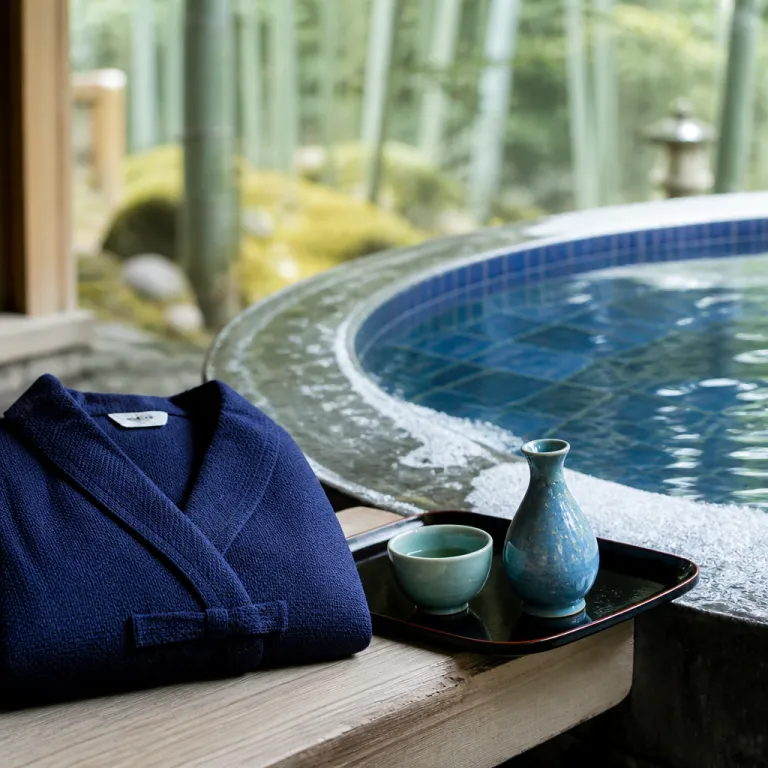
Why the Kyoto countryside belongs on every luxury travel itinerary
The Kyoto countryside offers a calm counterpoint to Kyoto City, yet it remains close enough for refined travelers who value comfort. In this rural Kyoto landscape, luxury means space, silence, and a deep experience of traditional Japanese hospitality that feels both intimate and impeccably curated. Many guests now plan their entire stay experience around a countryside retreat, using it as a base to experience life in Japan beyond the usual urban icons.
From Kyoto Station, high speed trains and local lines fan out toward Fukuchiyama, Kameoka, and other valleys where rice fields meet forested hills. These areas of Kyoto Prefecture host a growing collection of premium farm stay properties and restored farmhouse retreats that rival city hotels in comfort while offering a more meaningful experience. For travelers used to Seto Inland Sea Japan resorts and skyscraper suites, the contrast between a polished dining room with tatami mats and the surrounding fields can feel quietly transformative.
Luxury focused booking platforms now highlight these hidden gems of rural Kyoto alongside established addresses in Kyoto City. The most reliable sites curate only verified guest house and farmhouse options, with clear information about each house, the exact address, and telephone contacts for concierge style support. This careful curation matters, because the most rewarding experiences in the Kyoto countryside are often small scale properties that opened years ago and still rely on personal relationships rather than mass marketing.
Photo idea: A wide shot of a traditional farmhouse framed by rice fields at sunset, with low mountains in the background. Alt text: “Restored farmhouse in the Kyoto countryside surrounded by green rice paddies at dusk.”
Furumaya House and other refined farm stays in Kyoto prefecture
Among the most respected countryside stay options, Furumaya House stands out for travelers seeking an authentic yet comfortable farm stay. This family run farmhouse in the hills near Fukuchiyama blends traditional Japanese architecture with thoughtful modern touches, creating a stay experience that feels both rooted and indulgent. Guests sleep on futons over tatami mats, wake to soft rural sounds, and enjoy seasonal meals prepared with local produce grown almost within arm’s reach.
Furumaya House is part of a broader movement in Kyoto Prefecture, where farm stay hosts open their homes to a small number of guests at a time. Properties such as Midori Farm Kyoto and Farmhouse Nana follow a similar philosophy, offering hands on experiences that go far beyond standard hotel amenities. Rural Kyoto may feel remote compared with Kyoto City, yet these houses are carefully managed, with clear booking policies, transparent address details, and responsive telephone contacts shared after reservation.
For luxury travelers used to curated art islands like Naoshima, a countryside stay can be paired with a night on the Seto Inland Sea Japan coast for a balanced itinerary. Those interested in such combinations often research a refined Naoshima night stay guide, then extend their travel north to the Kyoto countryside for a slower rhythm. On high end booking websites, these pairings are now presented as complementary experiences, encouraging guests to enjoy both coastal art and mountain farmhouse calm within a single trip.
As one host explains, “Guests arrive tired from the city, but after one night listening to the frogs and sharing dinner at our table, their shoulders finally drop.”
Inside a traditional Japanese farmhouse: layout, comfort, and quiet luxury
Stepping into a restored farmhouse in the Kyoto countryside, many guests are surprised by how spacious the interiors feel. A typical traditional Japanese house in rural Kyoto features a generous dining room, sliding shoji screens, and tatami mats that create a soft, muted soundscape underfoot. Luxury here is not about marble and chandeliers, but about air, light, and the ability to enjoy unbroken views of fields and forest from almost every room.
Premium farm stay hosts understand that international travel expectations have evolved, so they blend heritage with discreet modern comforts. Heating, high quality bedding, and carefully designed bathrooms are integrated without disturbing the original beams and earthen walls that may have been raised many years ago. At Furumaya House and similar guest house properties, the stay experience often includes a private corner for tea, where guests can pause between activities and simply experience life at a slower pace.
For travelers who usually book five star suites in Kyoto City, these farmhouse interiors can feel surprisingly refined. A well curated countryside stay offers the same level of cleanliness and service, but with the added value of direct contact with Japanese culture in its everyday form. When planning, look for booking pages that show clear photo galleries of the house, including the dining room, sleeping spaces with tatami mats, and any shared areas, so you can match your comfort needs with the specific farmhouse layout.
Photo idea: Interior of a tatami room with shoji screens open to a garden. Alt text: “Tatami room in a traditional Kyoto farmhouse with sliding shoji doors overlooking rice fields.”
Culinary experiences, tea ceremony, and cooking lessons in rural Kyoto
Food is where the Kyoto countryside most clearly rivals urban luxury hotels, especially for travelers who value provenance and seasonality. Many farm stay hosts in Kyoto Prefecture design multi course dinners that highlight vegetables, rice, and herbs grown within a few hundred metres of the house. Guests at Furumaya House, Midori Farm Kyoto, or Farmhouse Nana often enjoy breakfasts and dinners served in a traditional Japanese dining room, where the rhythm of the meal reflects local farming life.
Beyond the table, hosts frequently offer informal tea ceremony moments that introduce guests to Japanese culture without rigid formality. A countryside stay might include a short guide to tea preparation, followed by a quiet tasting where you can enjoy the fragrance of freshly whisked matcha while looking out over the fields. Some properties also arrange cooking lessons, allowing guests to learn how to prepare regional dishes using vegetables harvested that same morning, turning a simple meal into a memorable experience.
Luxury booking platforms increasingly highlight these immersive experiences as core features rather than optional extras. When you browse a refined ryokan and farm stay collection, you may see filters for tea ceremony, farm stay activities, or hands on cooking lessons alongside more familiar amenities. For travelers who already appreciate cultural stays in central Kyoto, such as a refined onsen ryokan for cultural travelers, adding a night or two in the Kyoto countryside deepens the overall stay experience and creates a more balanced view of Japanese hospitality.
Photo idea: A tray of seasonal dishes beside a window overlooking fields. Alt text: “Seasonal kaiseki-style dinner at a Kyoto farm stay, served in a tatami dining room.”
Designing a seamless itinerary from Kyoto city to the countryside
Planning a journey from Kyoto City to the Kyoto countryside is straightforward when you understand the local rail network. Most luxury travelers arrive at Kyoto Station, then transfer to regional lines that reach Fukuchiyama, Kameoka, or other rural Kyoto hubs within roughly one to two hours. From there, hosts at properties such as Furumaya House or Farmhouse Nana often provide clear address details, telephone contacts, and guidance on the final transfer by taxi or local bus.
High end booking websites now integrate these logistics directly into their property pages, reducing friction for international guests. You may find suggested departure times from Kyoto Station, estimated travel durations, and even a short guide to buying the correct tickets in English. Some platforms also curate multi night itineraries that combine a cultural stay in Gion, using a refined guide to ryokan stays in Kyoto’s historic heart, with a countryside stay in Kyoto Prefecture for a complete experience of Japanese culture.
When building your own route, consider alternating nights between city and countryside to balance energy and rest. A possible pattern is two nights in Kyoto City, two nights in the Kyoto countryside at a farmhouse or guest house, then a final night back near Kyoto Station for easy onward travel. This structure allows you to enjoy urban temples and dining, then retreat to a house surrounded by fields where you can experience life at a slower pace before re entering the city.
Sample itinerary: Morning departure from Kyoto Station on a limited express train to Fukuchiyama (around 90 minutes), lunch near the station, then a 15–30 minute taxi ride to your farmhouse in time for check in and an afternoon walk before dinner.
How luxury booking sites vet rural stays and protect your experience
For travelers booking a premium countryside stay online, trust in the platform is as important as trust in the host. Leading luxury and premium hotel booking websites in Japan now apply strict criteria when listing any farmhouse, guest house, or farm stay in the Kyoto countryside. They verify the address, confirm telephone numbers, and require up to date photo documentation of the house, including shared spaces such as the dining room and any tatami mats sleeping areas.
These platforms also assess the quality of experiences offered, from tea ceremony introductions to cooking lessons and guided walks. Listings that promote a farm stay or countryside stay must demonstrate that hosts can communicate clearly with international guests, either in English or with the support of a local guide or tourism office. As one official explanation from regional tourism materials notes, reservations can be made through official websites or local tourism offices, which helps maintain consistent standards.
Publicly available summaries from tourism organizations, including the Japan National Tourism Organization (JNTO) and Kyoto Prefecture tourism reports, indicate that the number of farm stays in Kyoto Prefecture and their average occupancy rates remain relatively limited but healthy, with strong demand during peak seasons. Exact figures vary by year and source, so travelers should treat any specific numbers as indicative rather than definitive. To enjoy the best possible stay experience, book early, confirm details such as check in times and included experiences, and keep the host’s telephone number handy in case you need assistance on the final stretch of your journey.
Key figures on rural stays in the Kyoto countryside
- Regional tourism data suggests that only a small number of farm stay style accommodations currently operate in Kyoto Prefecture, underlining how limited and curated the countryside stay offer remains.
- National level surveys from organizations such as the Japan National Tourism Organization describe consistently high occupancy rates for rural accommodations in Japan, indicating strong and growing demand for farm stay and countryside stay experiences.
- Many rural Kyoto properties host only a handful of guests per night, often fewer than ten, which allows for highly personalized service but also means that peak travel dates sell out weeks in advance.
- Travelers typically participate in at least two structured experiences during a farm stay, such as farming activities or cooking lessons, reflecting the strong interest in immersive Japanese culture rather than simple overnight lodging.
FAQ about luxury stays in the Kyoto countryside
What activities are usually included in a Kyoto farm stay ?
Activities often include farming, cooking, and local tours. In the Kyoto countryside, this can mean planting or harvesting rice, joining cooking lessons that use vegetables from the farmhouse garden, or walking with a guide through nearby villages and shrines. Many hosts also offer informal tea ceremony introductions so guests can enjoy a deeper experience of Japanese culture during their stay.
Are Kyoto countryside accommodations suitable for families ?
Yes, many farm stay and guest house options in rural Kyoto welcome families. Children often enjoy hands on experiences such as feeding animals, helping in the fields, or joining simple cooking lessons in the dining room. When booking, check photo galleries and room descriptions to ensure the house layout, tatami mats sleeping arrangements, and shared spaces suit your family’s needs.
How can I book a farm stay in the Kyoto countryside ?
Reservations can be made through official websites or local tourism offices. Luxury and premium booking platforms increasingly feature properties such as Furumaya House, Midori Farm Kyoto, and Farmhouse Nana with clear address and telephone details. Because availability is limited, especially during peak travel periods, it is wise to secure your stay experience several weeks in advance.
How far is the Kyoto countryside from Kyoto station ?
Travel times vary depending on the specific area of Kyoto Prefecture you choose. Many rural Kyoto destinations, such as the Fukuchiyama region, can be reached by train from Kyoto Station in roughly one to two hours, followed by a short taxi or bus ride to the farmhouse or guest house. Hosts usually provide a detailed guide with directions, including the exact address and recommended connections.
What level of comfort can I expect compared with city hotels ?
High end farm stay properties in the Kyoto countryside focus on comfort through space, quiet, and attentive service rather than urban style glamour. You can expect clean, well heated rooms with tatami mats, quality bedding, and carefully prepared meals served in a traditional Japanese dining room. While facilities may feel more rustic than a luxury tower in Kyoto City, the overall stay experience often feels more personal and memorable.