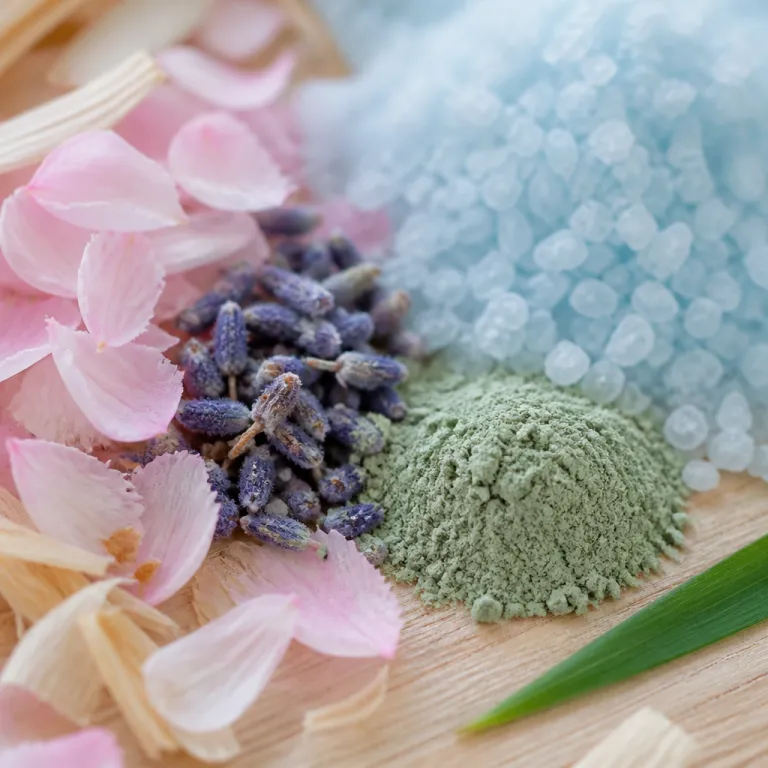
Kayotei ryokan as a hidden gem in Ishikawa Prefecture
Kayotei ryokan sits quietly in Yamanaka Onsen, a traditional hot spring town in Kaga, Ishikawa Prefecture. This intimate Japanese inn offers only ten guest suites, which makes every room category feel genuinely private and tailored to each visitor. For travelers comparing luxury stays across Japan, Kayotei stands out as a place where time slows and each day is shaped around calm ritual.
The location in Yamanaka places you within easy reach of Kanazawa while keeping you away from the city’s crowds. Many guests arrive via Komatsu Airport, then continue by train and car into Kaga, turning the journey into a gentle transition from urban Japan to a forested river valley. Once you cross the bridge into Yamanaka Onsen itself, the atmosphere shifts to something older, quieter, and unmistakably Japanese.
Kayotei presents itself as a classic ryokan, yet it blends traditional architecture with discreet modern comforts. Tatami floors, shoji screens, and handcrafted wooden furniture create the feeling of a historic Japanese inn, while in-room facilities and carefully designed shower spaces meet contemporary expectations. The result is a luxury property that feels famous among connoisseurs, yet still operates like a family home.
Each suite at Kayotei is different in layout and room type, but all share a strong sense of place. Several suites feature a small terrace or covered veranda that opens toward the surrounding hills, and some offer outdoor space secluded enough to feel like your own retreat. In selected categories, guests can enjoy a private open-air hot spring bath, turning the room itself into a personal onsen sanctuary.
The hot spring culture of Yamanaka Onsen is central to the experience at this ryokan. Guests can alternate between the communal spring bath areas and their own private open-air bath when their room type includes one. For many, the memory of stepping from tatami to steaming water at dawn becomes the defining image of their stay in Japan.

Rooms, suites, and the art of Japanese space at Kayotei
Accommodation at Kayotei ryokan revolves around a small collection of suites rather than standard hotel rooms. Each room type is designed as a self-contained living space, with sliding doors, alcoves, and low furniture that reflect the proportions of a traditional Japanese residence. The feeling is closer to staying in a private home than in a conventional luxury property.
Travelers can choose between several categories, from an intimate junior suite to a more expansive family suite that suits multi-generational trips. A Japanese junior suite typically combines a tatami living area with futons prepared at night, while a larger Japanese suite may add a separate sitting room or a covered veranda overlooking the trees. Families often appreciate the way a family suite allows children and adults to share one generous space while still finding quiet corners for reading or tea.
In many suites, the bathing area is a highlight in itself. Some offer a deep wooden tub with a dedicated shower area beside it, while others feature a spring bath that draws directly from the local hot spring source. When a room includes a private open-air hot spring bath, the transition from indoor tatami to outdoor steam feels almost theatrical.
Design details reinforce the sense of staying in a crafted Japanese inn rather than a generic luxury hotel. Walls and lamps often incorporate washi Japanese paper, and you may notice panels of finely textured Japanese paper that filter light in the morning. These touches, combined with the quiet of a secluded balcony corner or terrace seat, create a strong connection between interior space and the surrounding valley.
For travelers planning a wider itinerary, Kayotei pairs well with other refined hot spring stays across Japan. Those interested in riverside open-air serenity in Kyoto, for example, often compare Kayotei with a riverside Kyoto ryokan known for its open-air baths. In that context, Kayotei’s smaller scale and focus on suites make it especially appealing to guests who value privacy and a strong sense of place.

Hot spring rituals, private open air baths, and seasonal rhythms
Staying at Kayotei ryokan means structuring your day around the hot spring. The ryokan draws on the famous waters of Yamanaka Onsen, a hot spring area long praised for its soothing qualities and scenic gorge. Guests move between the communal spring bath spaces and, when available, their own private open-air bath attached to a suite.
In suites with outdoor soaking tubs, the experience becomes deeply personal. You slide open the shoji, step onto the veranda, and find an open-air hot spring bath waiting, often framed by trees or distant rooftops of Kaga. At night, the contrast between cool air and hot spring water creates a sensory memory that many guests describe as the highlight of their time in Japan.
The design of each bath area reflects the ryokan’s commitment to traditional materials. Stone basins, wooden tubs, and walls lined with washi Japanese paper or other Japanese paper elements soften the light and sound. Even the shower zones are arranged so that you cleanse carefully before entering the spring bath, following long-established Japanese bathing etiquette.
Families traveling together often choose a family suite with its own bath so that children can enjoy the hot spring at their own pace. This is especially valuable for guests who have read about the gap between what luxury hotels promise and what they provide for young children, and who have consulted resources such as this guide to traveling Japan with under fives in luxury hotels. At Kayotei, the ability to bathe in a private open-air hot spring bath inside your own suite can make evenings calmer for both parents and children.
Because the ryokan operates year-round, the hot spring experience changes with the seasons. On a clear winter day, steam rises against snow-covered roofs in Kaga, while in late spring the air around the balcony feels soft and scented with new leaves. Whatever the season, the rhythm of moving from tatami to hot water to cool air becomes the quiet heartbeat of a stay at this Japanese inn.

Dining at Kayotei: kaiseki, organic rice, and local artisans
Meals at Kayotei ryokan are central to its reputation among travelers who seek depth rather than spectacle. Stays are typically half board, with breakfast and dinner served in a dedicated dining room or occasionally in a private room-type setting. The cuisine follows the kaiseki tradition, presenting a sequence of seasonal dishes that reflect both Kaga’s coastal waters and the mountains around Yamanaka.
One of the quiet luxuries here is the focus on ingredients such as organic rice and locally grown vegetables. The kitchen works closely with farmers and fishers in Ishikawa Prefecture, so each day’s menu shifts slightly according to what is freshest. Guests often remark on the texture and fragrance of the organic rice, which anchors the meal as surely as the hot spring anchors the stay.
The visual presentation of each course draws on the region’s artisan culture. Dishes are served on ceramics from local potters, with lacquerware and wooden trays crafted by Kaga woodworkers, and sometimes illuminated by the soft glow of lamps lined with washi Japanese paper. This attention to detail reinforces the feeling that every dining room experience is both a meal and a lesson in Japanese aesthetics.
Families staying in a junior suite or family suite appreciate the flexibility of timing and pacing. Staff can often adjust the flow of courses so that younger guests finish earlier, while adults linger over sake from nearby breweries in Kanazawa and Kaga. Because the ryokan operates on a small scale, the team can respond to individual preferences in a way that many larger luxury hotels across Japan struggle to match.
For travelers planning a broader itinerary of premium stays, it can be helpful to compare Kayotei’s intimate dining style with the offerings of larger city properties. Guides to what luxury hotels actually provide for families often highlight the gap between buffet-heavy dining and more thoughtful experiences. At Kayotei, the combination of kaiseki cuisine, organic rice, and artisan tableware makes each meal feel inseparable from the landscape of Ishikawa Prefecture.

Access, nearby highlights, and combining Kayotei with Kanazawa or Tokyo
Reaching Kayotei ryokan is straightforward for international travelers, yet the final approach feels pleasantly remote. Most guests fly into Komatsu Airport, then continue by train to Kaga Onsen Station and by car or shuttle into Yamanaka Onsen. The journey from the airport to this Japanese inn usually takes under two hours, which makes it a practical addition to itineraries that also include Kanazawa or Tokyo.
Once in Yamanaka, the town itself invites slow exploration. A pedestrian bridge spans the Kakusenkei Gorge, offering views of the river that has made Yamanaka Onsen famous among hot spring enthusiasts. Walking paths follow the water for several kilometres, and many guests time their day so they can enjoy a stroll before returning to their suite’s bath or the communal spring bath at the ryokan.
Kanazawa lies within easy reach for a day trip, with its gardens, museums, and well-preserved samurai and geisha districts. Travelers often spend one or two nights in the city, then move to Kayotei for a quieter phase of their time in Japan, or reverse the order to end their journey in calm surroundings. This combination allows you to experience both urban culture and the slower rhythms of Kaga’s hot spring region.
Those planning a longer route sometimes connect Kayotei with luxury stays in Tokyo, using resources such as this guide to booking luxury stays in Japan’s capital. In that context, Kayotei functions as a counterpoint to high-rise suites and skyline views, offering instead a Japanese suite with a terrace that opens onto trees and sky. The contrast between a private open-air hot spring bath and a metropolitan spa can make both experiences feel richer.
Because Kayotei operates with only ten suites, advance booking is essential, especially during peak seasons in Ishikawa Prefecture. Travelers who value specific room-type features, such as an outdoor soaking tub or a family suite with its own bath, should reserve as early as possible. This ensures that the balance between privacy, hot spring access, and proximity to Kanazawa or Komatsu Airport aligns with the rhythm of their trip.

Service, cultural immersion, and what sets Kayotei apart
The service philosophy at Kayotei ryokan is rooted in omotenashi, the Japanese approach to hospitality that anticipates needs before they are voiced. With only ten suites, staff can pay close attention to each room type and each guest’s preferences, from bath timing to dining room seating. This creates a feeling of staying in a private home rather than in a commercial property.
Cultural immersion is not treated as a performance but as a natural extension of daily life in Kaga and Yamanaka. The ryokan collaborates with local artisans, including potters, woodworkers, and sake brewers, so guests encounter regional craft in everything from tea cups to decorative panels of washi Japanese paper. Interested travelers can arrange visits to workshops in and around Yamanaka Onsen, turning a quiet day between hot spring baths into a deeper exploration of Ishikawa Prefecture.
Architecturally, Kayotei balances tradition and comfort with care. Tatami rooms, shoji screens, and alcoves for flower arrangements evoke the atmosphere of a classic Japanese inn, while modern touches such as well-designed shower areas and efficient heating remain discreet. In some suites, a sheltered outdoor corner or open-air bath extends this design language outdoors, framing views of trees, rooftops, or the distant curve of a bridge.
Guest feedback consistently highlights the sense of calm and authenticity that defines a stay here. According to information available on major travel platforms and the Japan Ryokan Association (accessed July 2024), the property maintains a guest review rating of roughly 4.7 out of 5, which reflects both the quality of the hot spring facilities and the attentiveness of the team. For travelers comparing multiple ryokan across Japan, this combination of service, setting, and cultural depth often tips the balance in favour of Kayotei.
Practical details also support the overall experience. As of July 2024, the Japan Ryokan Association lists check-in and check-out at 12:00 PM (source: ryokan.or.jp), giving guests almost a full day to enjoy the hot spring, the dining room, and the surrounding town without feeling rushed. One guest described arriving just after noon, soaking before a walk along Kakusenkei Gorge, and returning to find futons laid out and yukata warmed by the heater: a small sequence that captured the unhurried rhythm of the inn.
How to choose your ideal room type and plan your stay
Selecting the right room type at Kayotei ryokan can shape the entire character of your stay. Travelers who prioritise privacy often opt for a Japanese suite with outdoor space quiet enough to function as an open-air living room. Those who value bathing above all else focus on suites that include a private open-air hot spring bath or a particularly spacious spring bath area.
Couples may find that a junior suite or Japanese junior suite offers the right balance of intimacy and comfort. These layouts usually combine a tatami sitting area with futons prepared at night, a compact shower and bath zone, and sometimes a small balcony that opens toward the hills of Kaga. Families, by contrast, tend to prefer a family suite with its own bath, which gives children space to move while keeping everyone within one generous Japanese-style environment.
Length of stay also matters when planning your time in Yamanaka Onsen. Many guests choose two nights so they can enjoy both arrival and departure days without rushing between the hot spring, the dining room, and walks along the river or across the nearby bridge. A third day allows for a relaxed excursion to Kanazawa or to artisan workshops in Ishikawa Prefecture, followed by an unhurried evening in your suite.
When booking through a luxury and premium hotel platform, pay attention to how each room type is described. Look for clear mention of features such as terrace, open-air bath, or organic rice and kaiseki meals included in the rate, and confirm whether your chosen suite has outdoor space suitable for relaxation. Because Kayotei operates with only ten suites, securing the exact configuration you want, whether a Japanese suite or a family suite, rewards early planning.
Finally, consider how Kayotei fits into your broader journey across Japan. Combining a stay here with time in Kanazawa or Tokyo allows you to experience both urban energy and the slower rhythms of a hot spring town like Yamanaka, all within a single trip. By aligning your room choice, length of stay, and travel days from Komatsu Airport or other hubs, you can let this Japanese inn become the quiet centre of your itinerary.
Key figures and facts about Kayotei ryokan
- Kayotei operates with only 10 suites, which keeps guest numbers low and allows staff to maintain a highly personalised level of service compared with larger luxury hotels in Japan (figure based on information available July 2024).
- The property holds an average guest review rating of around 4.7 out of 5 on major travel platforms (approximate value, checked July 2024), indicating consistently high satisfaction with its hot spring facilities, dining room experiences, and overall atmosphere.
- Kayotei is located in Yamanaka Onsen in Kaga, Ishikawa Prefecture, a hot spring town that has developed over several centuries along the Kakusenkei Gorge.
- Stays are typically offered on a half board basis, with both breakfast and dinner included, which means that the kaiseki cuisine and organic rice served in the dining room form a significant part of the overall value.
- Access from Komatsu Airport to Kayotei usually takes under two hours by a combination of train and car, making it a practical hot spring destination even on shorter itineraries that also include Kanazawa or Tokyo.
FAQ about Kayotei ryokan and Yamanaka Onsen
What is the check in and check out time at Kayotei ryokan ?
According to the Japan Ryokan Association (ryokan.or.jp, accessed July 2024), check in is at 12:00 PM and check out is at 12:00 PM. This schedule gives guests almost a full day to enjoy the hot spring, the dining room, and the surrounding town without feeling rushed.
Does Kayotei offer private onsen baths in the suites ?
Yes, some suites at Kayotei include a private open-air hot spring bath on a balcony or terrace. These in-room facilities allow guests to bathe at any time of day while enjoying fresh air and views of Kaga’s landscape.
Is dining included in a stay at Kayotei ryokan ?
Stays are generally offered on a half board basis, which means both breakfast and dinner are included in the rate. Meals are served in the dining room or in a private setting and focus on seasonal kaiseki cuisine, often featuring organic rice and local ingredients from Ishikawa Prefecture.
How do I reach Kayotei from Komatsu Airport or Kanazawa ?
From Komatsu Airport, most guests take a train to Kaga Onsen Station and then continue by car or shuttle to Yamanaka Onsen, with total travel time usually under two hours. From Kanazawa, trains to Kaga Onsen followed by a short drive make Kayotei a convenient hot spring extension to a city stay.
Is Kayotei suitable for families with children ?
Kayotei welcomes families, and the family suite or larger Japanese suite layouts work well for guests traveling with children. Having a private bath or even a private open-air hot spring bath inside the suite can make bathing routines easier and more relaxed for both parents and younger travelers.
References
- Kayotei official website (accessed July 2024)
- Japan Ryokan Association, property listing for Kayotei on ryokan.or.jp (accessed July 2024)
- Tripadvisor guest review data for Kayotei in Kaga, Ishikawa Prefecture (accessed July 2024)