What to do in Shinjuku when you love luxury hotels
Shinjuku in Tokyo is where glass towers, neon and refined hotels meet. If you are planning what to do in Shinjuku around a premium stay, think of the district as a vertical resort layered above one of the busiest stations in Japan. Every choice you make about where to stay, where to walk and what to visit shapes a very personal city experience.
Start by mapping your plans around Shinjuku Station, because this immense transport hub anchors almost all the best things for first time visitors. The station connects JR lines, private railways and the Metro, so staying in a hotel in Shinjuku Tokyo keeps you close to both Narita and Haneda access, as well as to other key things Tokyo offers such as Ginza shopping or Asakusa temples. When you book a hotel Shinjuku side, check which exit is closest, since a short walk Shinjuku style can still mean several hundred metres through underground malls.
Luxury travellers often ask whether Shinjuku is worth visiting compared with more traditional quarters of the city. The answer is yes, because the contrast between skyscraper building silhouettes, quiet national garden spaces and the intense night light of Kabukicho is uniquely Shinjuku Tokyo. Choosing a premium hotel here lets you move easily between a calm suite, a refined bar and the surrounding streets, so you can curate your own list of essential things Shinjuku offers without wasting time in transit.
Skyline views and urban retreats above Shinjuku
For many guests, what to do in Shinjuku begins with a view from above the city. The Tokyo Metropolitan Government Building in the western district offers free observation decks at 202 metres, and these are among the best things for first time visitors who want a clear sense of the scale of Tokyo. Because the decks are run by the metropolitan government, they feel civic rather than commercial, and they pair beautifully with a stay in a nearby luxury hotel.
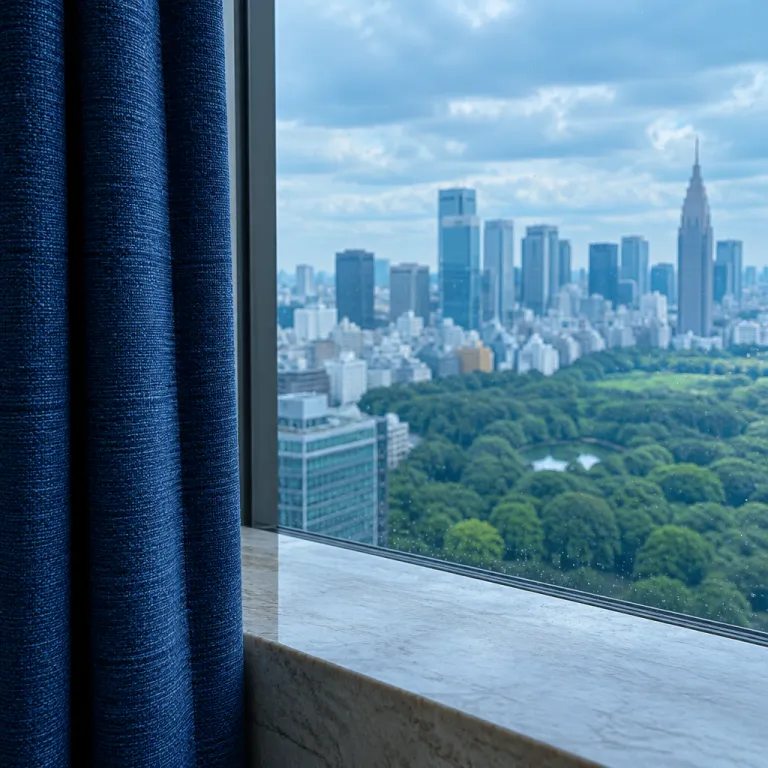
Plan your visit to the Tokyo Metropolitan Government Building for late afternoon, then watch the night light slowly take over the city. From here you can see how Shinjuku Tokyo stretches from the office towers around the government building to the entertainment streets of Kabukicho, which glow in the distance. This is also the moment to appreciate how a quiet room high in a hotel Shinjuku tower can function as an urban retreat, giving you a private observatory above the things Tokyo is famous for at street level.
When choosing where to stay, look for properties that understand discreet luxury signals, such as those described in this guide to quiet service in Japanese luxury hotels. A refined lobby bar with floor to ceiling glass can turn a simple drink into a memorable city experience, especially when the skyline frames your evening. In this part of Shinjuku, visiting Tokyo becomes less about ticking off things and more about feeling suspended between sky, building silhouettes and the soft glow of the metropolis.
Green calm at Shinjuku Gyoen and nearby luxury stays
After a night among towers, one of the most restorative things Shinjuku offers is Shinjuku Gyoen National Garden. This 58 hectare national garden blends Japanese, English and French landscaping, and it sits only a short walk from several of the best hotel options on the southern side of Shinjuku Station. If you are planning what to do in Shinjuku over two or three days, alternate your nights in the city with slow mornings in this gyoen national oasis.
Arrive just after opening, because local advice is clear : "Visit garden early morning". The paths are wide enough for a relaxed walk Shinjuku style, and you can move from formal lawns to wooded corners in minutes, which makes the garden feel like several parks in one. Many luxury travellers pair this with a curated food tour later in the day, starting from the station and looping back to their hotel in Shinjuku Tokyo for a quiet evening in the lounge.
If you want to extend the wellness theme beyond the city, consider combining your Shinjuku stay with a night at an onsen property such as this authentic mountain ryokan in Hakone. Returning to Shinjuku after hot spring waters makes the contrast with the urban environment even sharper, and it helps you appreciate the calm corners of Shinjuku Gyoen and other green pockets. For dinner back in Tokyo, you might reserve a counter at an intimate omakase such as the one described in this central Tokyo omakase landmark, then return by train to your hotel Shinjuku base.
Kabukicho, Godzilla and Golden Gai after dark
When the sun sets, what to do in Shinjuku shifts decisively toward neon, food and nightlife. The Kabukicho entertainment district, just east of Shinjuku Station, is one of the most photographed night light areas in Japan, and it is lined with restaurants, arcades and bars. Many visitors staying in a hotel in Shinjuku Tokyo will pass through Kabukicho several times, using it as a gateway between their building and quieter backstreets.
One of the most recognisable landmarks here is the Godzilla head perched above Hotel Gracery Shinjuku, which roars and lights up at set times in the evening. Even if you are not staying at Hotel Gracery, walking beneath the creature has become one of the best things for film fans who are visiting Tokyo and want a playful photo. Around the same streets, you will find Don Quijote Kabukicho for late night shopping, as well as many venues that advertise food tour style tastings of yakitori, ramen and regional dishes.
Just to the east lies Golden Gai, a cluster of narrow alleys packed with tiny bar spaces, each with its own theme and regulars. This is where a curated bar tour with a local guide can be valuable, especially if you are new to Tokyo nightlife and want to avoid cover charge surprises. Safety questions arise often, and the local guidance is reassuring : "Is Shinjuku safe at night?" and the answer follows, "Yes; common areas safe, avoid touts and unnamed back-rooms".
Food, shopping and cultural walks around Shinjuku Station
Beyond the skyline and nightlife, what to do in Shinjuku for many luxury travellers revolves around food and shopping. The Isetan department store in the east and Takashimaya Times Square near the south exit of Shinjuku Station both offer refined fashion, design and gourmet food halls. Planning your day around these buildings lets you move smoothly between tasting counters, quiet cafés and your hotel in Shinjuku Tokyo.
For a structured food tour, start in the basement depachika of Isetan, where you can sample wagashi, bento and regional specialties before heading toward Hanazono Shrine. This Shinto shrine sits just behind the commercial streets, and it offers a calm pause between shopping sessions, especially during festivals when lanterns and stalls appear. From there, a relaxed walk Shinjuku style can take you toward Shinjuku Ni chome, the LGBTQ+ quarter, where inclusive bars and cafés provide a different kind of night experience from Kabukicho.
Shoppers who are visiting Tokyo for the first time often underestimate how many things Shinjuku packs into a compact area. Underground malls connect the station to office towers and hotels, so you can move between your hotel Shinjuku base, designer boutiques and casual food spots without crossing busy streets. When planning things Tokyo wide, this connectivity makes Shinjuku a practical hub, especially if you value a seamless transition between city exploration and the privacy of a refined room.
Planning your Shinjuku stay like a hospitality insider
To make the most of what to do in Shinjuku, plan your stay with the precision of a concierge. Decide first whether your priority is skyline views, garden access, nightlife or shopping, then choose a hotel in Shinjuku Tokyo that aligns with that focus. For example, guests who care about quick access to the Tokyo Metropolitan Government Building often select towers on the west side, while those who prioritise Shinjuku Gyoen and the national garden atmosphere may prefer the south or east.
Think in time blocks rather than long lists of things, because Shinjuku rewards depth over speed. One afternoon might be dedicated to the metropolitan government observatory and a quiet bar in your building, while the evening shifts to a guided bar tour in Golden Gai and late night food in Kabukicho. Another day could combine a morning in the gyoen national landscape, a midday visit to Hanazono Shrine and a curated shopping circuit through Takashimaya and Isetan before returning to your hotel Shinjuku base.
Transport planning matters as well, since Shinjuku Station is one of the busiest in Japan and can feel overwhelming. Use exit names as your compass, and remember the local advice : "Use exit names to navigate station" and "Last trains around midnight-1am". When you align your movements with these rhythms, Shinjuku becomes less a maze and more a layered city experience, where every night, every walk and every building you enter feels intentionally chosen and genuinely worth visiting.
Key statistics for planning a Shinjuku stay
- Shinjuku Gyoen National Garden covers 58 hectares, according to the Tokyo Tourism Guide, which makes it one of the largest inner city green spaces in Tokyo and a major reason many travellers choose hotels nearby.
- The observation decks of the Tokyo Metropolitan Government Building sit at 202 metres, based on Tokyo Tourism Guide data, offering panoramic views that rival paid towers and making them a high value activity close to many west Shinjuku hotels.
- A typical cover charge in Kabukicho clubs is around 2 000 yen, as reported by the Tokyo Tourism Guide, so budgeting for nightlife should include both drinks and this per person fee when planning bar hopping.
Frequently asked questions about Shinjuku stays
Is Shinjuku safe at night for hotel guests?
Central streets around Shinjuku Station, Kabukicho and Golden Gai are generally safe at night, with a strong visible presence of staff, patrons and police. The main advice is to ignore aggressive touts and avoid unnamed back rooms, especially in nightlife zones. Choosing a reputable hotel in Shinjuku Tokyo and using main routes between the station and your building further reduces risk.
What is the best time to visit Shinjuku Gyoen National Garden?
The most comfortable time to visit Shinjuku Gyoen is in the morning just after opening, when paths are quieter and light is softer for photography. This timing works well if you are staying in a nearby hotel, allowing you to enjoy the garden before the day warms up. Many travellers then return to Shinjuku Station for lunch and shopping in the early afternoon.
Where can I see Tokyo views for free near Shinjuku hotels?
The Tokyo Metropolitan Government Building in west Shinjuku offers free observation decks with wide views of the city. These decks are easy to reach on foot or by short taxi ride from many luxury hotels in Shinjuku Tokyo. Visiting near sunset lets you enjoy both daytime clarity and the transition to night light across the skyline.
How late does nightlife run in Shinjuku?
Nightlife in Shinjuku, especially in Kabukicho and Golden Gai, often continues well past midnight, with some bars open until early morning. However, last trains from Shinjuku Station usually run between midnight and 1 am, so hotel guests relying on rail should plan returns accordingly. If your hotel is within walking distance, you can enjoy a later bar tour without watching the clock as closely.
Is Shinjuku a good base for visiting other parts of Tokyo?
Shinjuku is one of the best bases for visiting Tokyo because Shinjuku Station connects JR lines, private railways and the Metro. From a hotel in Shinjuku Tokyo, you can reach areas such as Shibuya, Ginza and Asakusa without transfers on some routes, which saves time and simplifies day trips. This connectivity, combined with the district’s own mix of gardens, shopping and nightlife, makes Shinjuku especially worth visiting for first time and repeat travellers.
Trusted references
- Tokyo Metropolitan Government tourism information
- Japan National Tourism Organization (JNTO)
- Shinjuku City Official Tourism Association