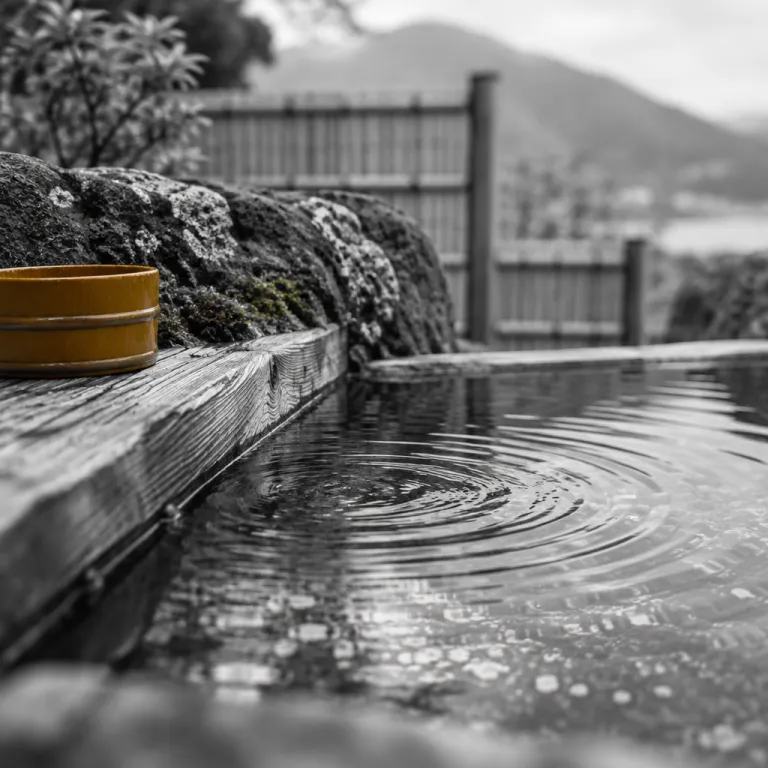
Why a Hakone ryokan with private onsen defines the modern mountain escape
A stay in a Hakone ryokan with private onsen turns a simple night in the mountains into a deeply restorative ritual. In this volcanic region near Mount Fuji, traditional Japanese hospitality blends with carefully engineered hot spring systems to create guest rooms that feel like personal wellness suites. For travelers comparing luxury options across Japan, a ryokan Hakone stay with private open air baths offers a level of intimacy that many large city properties simply cannot match.
Hakone sits within the Fuji Hakone Izu National Park, an area famous for its mineral rich hot spring waters and forested slopes. According to the Hakone Town Office, the area draws from more than a dozen distinct hot spring sources, each with slightly different mineral compositions and temperatures. The best ryokan in Hakone Yumoto, Gora, and the wider Hakone area channel these hot spring sources into both communal baths and private rooms with open air baths, giving guests a choice between social soaking and secluded immersion. When you check availability on a premium booking platform, you will notice that many guest rooms include a private onsen on the terrace or beside a picture window, framing cedar forests or distant peaks.
For couples or families seeking quiet, a ryokan with private rooms and baths private to each suite removes the pressure of shared schedules in communal baths. You can leave your room in a light yukata, slide open the shoji, and step directly into your own hot spring baths whenever the mood strikes. One guest at a long established Gora property described the experience as “having a tiny mountain spa all to ourselves, from sunrise until the last stars faded.” This freedom, combined with refined kaiseki meals and attentive yet discreet service, explains why a Hakone ryokan with private onsen has become a benchmark for mountain escapes in Japan’s luxury and premium segment.
Gora, Hakone Yumoto, and the art of choosing the right ryokan area
Selecting the right area in Hakone matters as much as choosing the right room type. Gora, Hakone Yumoto, and the quieter lake and mountain districts each offer distinct atmospheres, hot spring qualities, and access to cultural sites. When you start your booking journey, think first about how you want to balance open air relaxation, sightseeing, and travel time from Tokyo.
Gora is often considered the refined heart of the region, with properties such as Gora Kadan setting the standard for traditional Japanese design and meticulous service. Many guest rooms in Gora ryokan come with private onsen facilities, sometimes as open air baths on wooden decks, sometimes as indoor stone tubs with sliding panels that open to the mountain air. Because Gora sits higher in the mountains, the air feels cooler in summer, and the hot spring baths Hakone is known for feel especially soothing after a day on the ropeway or nearby hiking trails.
Hakone Yumoto, by contrast, serves as the gateway area, with excellent rail connections and a lively main street lined with shops and casual eateries. Rail travel from central Tokyo to Hakone Yumoto typically takes around 85–90 minutes on the Odakyu Romancecar limited express from Shinjuku, with frequent departures throughout the day. Here, you will find both larger properties and intimate ryokan Hakone style inns, many offering rooms with private open air baths that draw from long established hot spring sources. If you plan to combine a Hakone ryokan with private onsen stay with alpine adventures further north, you can look at a refined alpine stay such as Shirogane Hakuba in the Northern Alps to compare how mountain resorts across Japan interpret luxury and nature.
Inside the guest rooms: how private onsen design shapes your stay
Once you have chosen your area, the next decision is the style of guest rooms and baths that best match your travel rhythm. In a high end Hakone ryokan with private onsen, room layouts are carefully planned so that the bathing space becomes the quiet focal point of the stay. Tatami floored living areas, low tables, and futons or low profile beds are arranged to frame views of the hot spring baths and surrounding forest or garden.
Many private rooms in Gora and Hakone Yumoto feature rooms with open air baths built from hinoki cypress, granite, or ceramic, each material subtly changing the feel of the water against the skin. Some guest rooms include semi open air baths, where glass walls slide back to let in the mountain air while still protecting you from wind and rain. When you check availability on a luxury booking site, pay close attention to whether the room description specifies a private onsen, private open air baths, or indoor spring baths, because each configuration creates a different atmosphere.
Top tier properties such as Gora Kadan and other leading ryokan Hakone retreats often design baths private to each suite with direct views of moss gardens, bamboo groves, or distant ridgelines. In these rooms, the line between interior and exterior softens, and the hot spring becomes part of the landscape rather than a separate facility. For travelers comparing options across the country, curated collections such as these elegant onsen hotels in Hakone help you understand how each property uses architecture, water temperature, and air circulation to shape the sensory experience.
Balancing private onsen serenity with communal baths and shared spaces
Even when you reserve a Hakone ryokan with private onsen, the communal baths remain an essential part of the experience. Large indoor pools, outdoor rock baths, and sometimes gender alternating facilities allow you to feel the scale of the hot spring source in a way that private rooms cannot fully replicate. The contrast between the quiet of your own room and the gentle social energy of communal baths is one of the defining pleasures of a stay in this region.
In many ryokan Hakone properties, guest rooms include compact private onsen tubs for frequent short soaks, while the main communal baths Hakone is famous for offer deeper pools and varied temperatures. You might start the evening in the larger hot spring area, moving between indoor and open air baths, then return to your room for a final soak in your own private open air tub before sleep. This rhythm allows you to enjoy both the architectural drama of large spring baths and the meditative calm of baths private to your suite.
For travelers who feel shy about shared bathing, a ryokan with private rooms and with private onsen facilities can serve as a gentle introduction to Japanese bathing culture. Once you understand the etiquette in your own space, it becomes easier to step into the communal baths with confidence and respect. If you later wish to explore other onsen regions, an oceanfront retreat such as the immersive property at Hotel Urashima on the Kumano coast shows how the same principles of shared and private bathing translate from mountain to sea.
Meals, air, and seasonal rhythms in a Hakone mountain ryokan
A Hakone ryokan with private onsen is not only about baths; it is also about how you move through the day, from meals to sleep to quiet moments between. Traditional Japanese kaiseki dinners, often served in your room or in a private dining area, mirror the surrounding landscape through seasonal ingredients and delicate presentation. When you check availability and room plans, look for packages where guest rooms include both breakfast and dinner, because these meals are central to the rhythm of ryokan life.
In Gora and Hakone Yumoto, the mountain air changes character with each season, and the hot spring baths respond in kind. On crisp autumn evenings, private open air baths feel especially inviting, the contrast between cool air and hot spring water sharpening your senses. During the rainy season, semi open air baths with covered roofs let you listen to the sound of rain while staying comfortably immersed in the spring baths, creating a cocoon like atmosphere that many repeat guests seek out.
Some ryokan Hakone properties design their rooms with air baths or partially enclosed terraces, where you can relax between soaks wrapped in a yukata, sipping tea and watching mist drift through the trees. In winter, when snow occasionally dusts the higher Gora area, a private onsen becomes a front row seat to a quiet mountain theatre. These subtle interactions between meals, air, and water are what transform a simple booking into a carefully choreographed stay in a Hakone ryokan with private onsen.
How to book a Hakone ryokan with private onsen on a premium platform
Securing the right Hakone ryokan with private onsen requires more than a quick search and a rushed booking. Luxury and premium properties in Gora, Hakone Yumoto, and other sought after districts often have limited guest rooms with private open air baths, especially on weekends and during foliage or cherry blossom seasons. To avoid disappointment, start by using filters for hot spring access, rooms with private onsen, and meal plans, then check availability across several dates.
When you open the room details on a high quality booking site, read carefully to understand whether the hot spring water in your private baths is genuine onsen or heated tap water. Look for clear descriptions such as “guest rooms include natural hot spring baths private to each suite” or “rooms with open air onsen fed directly from the source”. If the listing mentions both communal baths and in room tubs, confirm whether the in room bath is a true hot spring, because in some properties only the larger baths Hakone is known for use natural spring water, while certain in room tubs are filled with filtered or heated tap water for safety or maintenance reasons.
For travelers planning a wider itinerary across Japan, it can be helpful to compare Hakone ryokan with private onsen options with other mountain and coastal hot spring stays to understand value and service levels. A 2022 survey by the Japan Tourism Agency on accommodation trends noted that rooms with open air hot spring baths can command average daily rates 20–30 percent higher than comparable rooms without private onsen facilities, reflecting strong demand for exclusive soaking spaces. Pay attention to cancellation policies, check in and check out times, and whether late night bathing is allowed in private rooms and communal baths. By approaching your booking with the same care that ryokan owners bring to their hot spring design, you give yourself the best chance of securing a room that aligns perfectly with your expectations for a refined mountain escape.
Key figures on Hakone hot springs and luxury mountain stays
- Hakone hosts more than a dozen distinct hot spring sources, and local tourism data indicates that several hundred accommodation facilities draw from these springs, making it one of Japan’s most concentrated onsen resort areas.
- Surveys from the Kanagawa Prefectural tourism office, such as the 2021 “Tourism Statistics of Kanagawa Prefecture” report, show that a significant share of overnight visitors choose accommodation specifically because guest rooms include access to hot spring baths, with private onsen facilities ranking among the most requested features.
- Rail travel from central Tokyo to Hakone Yumoto typically takes around 90 minutes by limited express services like the Odakyu Romancecar, which helps explain why the area consistently ranks among the most popular short break destinations for domestic luxury travelers.
- Japan Tourism Agency analyses of Japanese hospitality trends highlight that properties offering rooms with open air hot spring baths often achieve higher average daily rates than comparable hotels without such facilities, with premiums of around 20 percent reported in recent years, reflecting strong demand for private bathing experiences.
FAQ about staying in a Hakone ryokan with private onsen
How far in advance should I book a Hakone ryokan with private onsen ?
For weekends, holidays, and peak foliage or cherry blossom periods, it is wise to check availability and complete your booking several months in advance, especially for guest rooms with private open air baths. Weekdays outside major holidays can offer more flexibility, but premium properties and suites at places like Gora Kadan still fill quickly.
Are private onsen in Hakone always natural hot spring water ?
Not every in room tub in Hakone uses natural hot spring water, even in high end properties. When you open the room description, look for clear wording that the private baths are supplied by a hot spring source, and if in doubt, contact the ryokan directly to check whether your specific room type uses genuine onsen water or a heated tap water system.
Can families with children use private and communal baths in Hakone ryokan ?
Many ryokan Hakone properties welcome families, and private rooms with onsen are particularly convenient for guests with young children who may feel shy in communal baths. Some communal baths also offer family friendly hours, but policies vary, so always check in advance.
What is the typical etiquette for using a private onsen in my room ?
Before entering your private onsen, wash thoroughly using the shower area, just as you would before using communal baths. Avoid adding soaps or oils to the hot spring water, and keep noise low so that other guest rooms can enjoy a peaceful atmosphere.
Is a Hakone ryokan with private onsen suitable for travelers with tattoos ?
Private onsen in guest rooms do not usually restrict tattooed guests, because the baths are not shared with other travelers. Rules for communal baths differ by property, so if you plan to use both private and shared facilities, choose a ryokan that clearly states a flexible tattoo policy.
References
- Japan National Tourism Organization (JNTO)
- Kanagawa Prefectural Government tourism statistics, “Tourism Statistics of Kanagawa Prefecture” (latest available edition)
- Japan Tourism Agency, accommodation and hot spring tourism trend reports
- Fuji Hakone Izu National Park official information