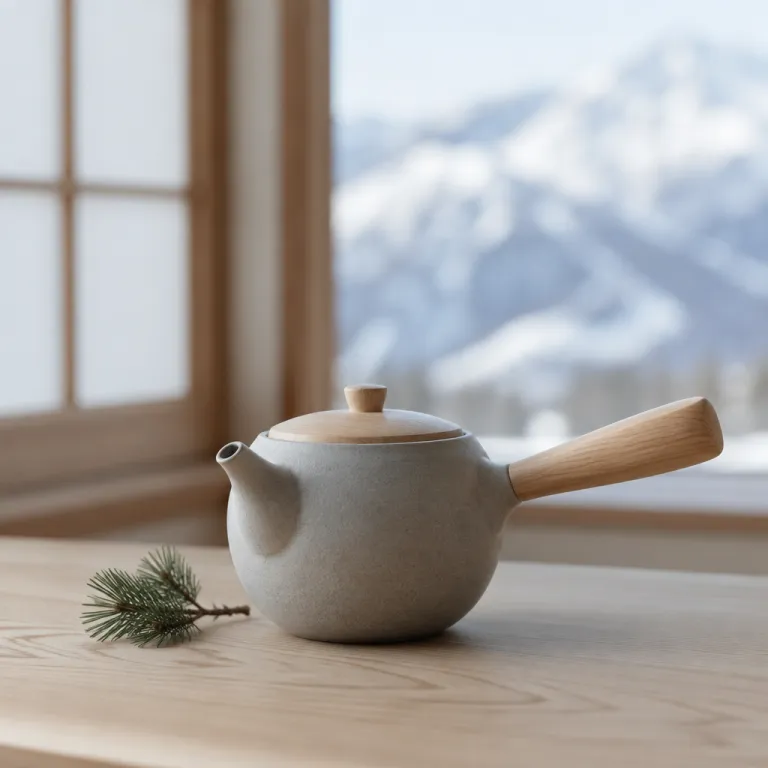
Shirogane Hakuba as a refined alpine model for luxury stays
Shirogane Hakuba sits on the quieter edge of Hakuba village, offering a refined model of mountain hospitality for travelers who value space and silence. In this alpine enclave, the Shirogane district blends chalet style lodges and premium residences with views of the Northern Alps that feel almost unreal, yet the atmosphere remains relaxed and open to the public. Every stay here benefits from clean mountain air, deep snow in winter, and lush green slopes in summer, creating a setting that feels both secluded and connected to the wider Hakuba Valley.
Luxury hotels in Shirogane Hakuba tend to favor a warm contemporary style, with timber, stone, and large windows framing the peaks like living art. Many properties follow a hybrid service model that combines Western bedding with Japanese onsen baths, allowing guests to move freely between familiar comforts and local rituals. This balance of real Japanese character and international ease is one of the defining features that makes a Shirogane Hakuba stay especially good for first time visitors to the Japanese Alps who want a clear, approachable introduction.
From a practical point of view, the Shirogane area of Hakuba is about ten to fifteen minutes by shuttle from the main Happo One base, depending on snow and traffic. That short transfer keeps you close to the action while preserving a quieter residential setting, which many repeat guests consider the heart of its appeal. If you value a calm night after a full day on the slopes, Shirogane Hakuba offers a model of how to balance access, privacy, and style in one compact mountain park like valley that still feels authentically local.
Choosing a Shirogane Hakuba hotel: style, features, and setting
When you compare luxury hotels in Shirogane Hakuba, focus first on setting, because the micro location shapes your entire stay. Some properties sit right against the forest edge, where the only sound is wind in the trees and the crisp air feels almost weightless, while others are closer to the main road for faster access to lifts and the public shuttle network. Both settings can be good, but the right choice depends on whether you prioritize immediate convenience or a more secluded style of mountain retreat.
Next, examine the real features that matter to your travel party, rather than relying on general marketing language. Families often value spacious rooms, connecting layouts, and a small indoor play area or nearby park, while couples may focus on private open air baths and refined dining. For autumn and winter planners, it is worth reading guidance on the best booking window for peak foliage and snow seasons, then aligning your Shirogane Hakuba stay with those high demand periods so you secure the room type and view that match your travel style.
Pay close attention to room style and layout, because the same hotel can feel like a different model of accommodation depending on the category you choose. Suites with corner windows bring the art of the mountains directly into your living space, while compact rooms may trade views for a lower rate and faster availability. Before you confirm, request detailed info on room features, such as humidifiers for dry winter air, underfloor heating, and storage for ski gear, since these small details often define how comfortable your Shirogane Hakuba nights will feel after long days on the slopes.
Mountain escapes in Shirogane Hakuba for every travel style
Shirogane Hakuba works as a versatile mountain escape because it supports very different travel styles within a compact area. Powder seekers can choose a stay focused on early morning shuttles and quick access to Happo One, Iwatake, or Tsugaike, while slower travelers may prefer long sessions in the onsen and leisurely walks through the village. The general rhythm of the Shirogane district remains calm even in peak season, which helps keep the air and soundscape pleasantly soft compared with busier resort hubs.
If you appreciate heritage properties, you may want to pair your Shirogane Hakuba stay with a night at a classic mountain hotel such as the Mampei Hotel in Karuizawa as a refined mountain retreat. That combination lets you experience two different models of Japanese alpine hospitality, one rooted in Meiji era history and the other in contemporary resort style. For guests who see travel as a form of living art, this contrast between old and new can be the heart of a longer Nagano itinerary that moves between distinct settings.
Shirogane Hakuba also suits travelers who want a free flowing schedule rather than a rigid program. Many luxury hotels here offer flexible breakfast times, late check out options, and concierge teams who can arrange private lessons with a local ski or snowboard artist of technique, as well as guided snowshoe walks in the nearby forest park. Whether you travel solo, as a couple, or with a group, the setting allows you to adjust your pace each day, moving between high energy activities and quiet hours in front of the fire with equal ease.
Integrating art, design, and the heart of Japanese hospitality
One of the subtle pleasures of a Shirogane Hakuba stay is the way many properties integrate art and design into everyday spaces. Lobby lounges often feature works by a regional artist inspired by the Hakuba peaks, while corridors and stairwells display photography that captures the real drama of winter storms and spring thaws. This visual storytelling turns the hotel itself into a kind of indoor park for the eyes, giving you something new to notice each time you walk back to your room.
Design choices in Shirogane Hakuba hotels usually follow a restrained style, with natural materials and soft lighting that echo the surrounding forest. Instead of loud patterns, you will see quiet textures, from woven textiles to hand finished timber, which help your mind settle after long hours outside in bright snow. The heart of this approach lies in omotenashi, the Japanese philosophy of anticipatory hospitality, where staff aim to meet needs before guests even voice them, almost like a finely tuned lora model of human behavior.
Air quality and acoustic comfort are also treated as core features rather than afterthoughts in many higher end properties. Double glazing, proper insulation, and modern ventilation systems keep the indoor air fresh without drafts, while thoughtful zoning separates lively public areas from quiet guest room corridors. When these elements work together, the hotel becomes a model of calm, allowing you to sleep deeply and wake ready to engage fully with the mountains of Shirogane Hakuba once again.
Wellness, onsen rituals, and slow travel minutes in Shirogane Hakuba
For many guests, the most memorable part of a Shirogane Hakuba stay is not the skiing but the slow minutes spent in hot water after a cold day. Several luxury properties either pipe in natural hot spring water or create onsen style baths, with indoor and sometimes open air pools framed by stone and cedar. The contrast between freezing air and steaming water feels almost like performance art, yet it serves a very real purpose in easing muscles and calming the nervous system.
If you want to deepen this wellness focus, consider combining your Shirogane Hakuba nights with an elegant Arima Onsen ryokan stay beside historic hot springs. That itinerary lets you experience two different models of Japanese bathing culture, one in a high mountain setting and the other in a historic spa town near Kobe. The shift from snowy peaks to forested hills also highlights how varied Japan’s onsen landscapes can be, even within a single trip that follows a coherent travel style.
Wellness in Shirogane Hakuba extends beyond baths to include fresh air walks, gentle yoga sessions, and unstructured time in lounge spaces that feel almost like living rooms. Many hotels provide free herbal teas, reading nooks, and large windows that frame the park like scenery, encouraging guests to slow down and pay attention to the real textures of the season. When you allow yourself these quiet intervals, the heart of the trip often moves from checklists of activities to a more reflective style of travel, where each day feels complete even with fewer scheduled events.
Practical booking info and how to read Shirogane Hakuba reviews
Booking a luxury stay in Shirogane Hakuba requires more than scanning star ratings, because the same score can hide very different experiences. Start by checking the most recent reviews for concrete info on shuttle frequency, snow conditions, and how long it actually takes to reach key lifts during peak times. Pay attention to comments about air conditioning and heating performance, since real comfort in a mountain setting depends heavily on how well a hotel manages temperature swings.
Look for detailed mentions of staff, because service quality often reveals the true heart of a property. Guests who name individual team members or describe specific gestures usually indicate a strong hospitality culture, while vague praise may reflect only general politeness. When you read about public spaces, note whether reviewers describe them as quiet, lively, or crowded, then match that style to your own preferences for social interaction during a Shirogane Hakuba stay.
Finally, evaluate photos carefully, treating them as a visual model of what to expect rather than pure marketing art. User generated images often show real room sizes, storage solutions, and how features like ski lockers or drying rooms work in practice, which matters after long days in wet gear. Cross checking this visual info with written reviews helps you choose a Shirogane Hakuba hotel whose setting, style, and services align with your priorities, whether you travel for deep powder, slow wellness, or a balanced mix of both.
Key figures for luxury and premium stays in Shirogane Hakuba
- Hakuba Valley receives an average of 11 to 13 meters of snowfall per winter season, making it one of Japan’s most reliable powder regions for real deep snow skiing and snowboarding (based on multi year data published by Hakuba Valley and Nagano Prefecture tourism statistics).
- Travelers typically book Hakuba area luxury accommodation 3 to 5 months in advance for peak New Year and February dates, while shoulder season stays in March and early December often remain available until 4 to 6 weeks before arrival (according to booking trend reports from major online travel agencies such as Booking.com and Rakuten Travel).
- Hakuba Valley connects 10 ski areas on a single lift pass, and Shirogane Hakuba guests can usually reach at least 3 of these areas within 15 to 25 minutes by shuttle or taxi, depending on snow and traffic (information compiled from Hakuba Valley official resort materials and local shuttle timetables).
- International visitors account for roughly 40 to 50 percent of winter overnight stays in Hakuba village, with Australia, Hong Kong, Singapore, and North America among the largest source markets, which shapes the language and service model in many higher end hotels (figures drawn from Japan National Tourism Organization regional reports for Nagano).
- Average room sizes in upscale Japanese mountain hotels range from 28 to 40 square meters for standard rooms and 45 to 70 square meters for suites, giving Shirogane Hakuba properties enough space to include features such as ski storage, drying areas, and seating zones in many categories (compiled from published specifications of major hotel brands and independent lodges in Japan).
FAQ about luxury stays in Shirogane Hakuba
When is the best time to book a luxury hotel in Shirogane Hakuba ?
For peak powder conditions and school holiday periods, aim to secure your Shirogane Hakuba stay at least 4 to 6 months in advance. If you travel in early or late season, 2 to 3 months usually provides enough flexibility, though specific room types and views can still sell out quickly. Shoulder seasons such as late March or early November often offer better availability and rates, especially for longer stays.
How long should I stay in Shirogane Hakuba for a balanced trip ?
A minimum of three nights allows you to sample local slopes, enjoy the hotel’s wellness features, and adjust to the mountain air. Many travelers choose five to seven nights to combine ski days, onsen time, and at least one excursion to nearby areas such as Matsumoto or Nagano city. If you plan to visit multiple ski areas within Hakuba Valley, a weeklong stay offers the most relaxed pace.
Is Shirogane Hakuba suitable for non skiers or mixed groups ?
Yes, Shirogane Hakuba works well for mixed groups because the setting supports both active and slow travel styles. Non skiers can enjoy onsen baths, spa treatments, gentle walks, and café hopping in the village, while skiers and snowboarders head to the slopes. Many hotels also organize snowshoe tours, cultural experiences, or day trips, which help keep everyone engaged.
What should I look for in a Shirogane Hakuba luxury hotel room ?
Prioritize room size, storage, and climate control, since these factors shape daily comfort in a mountain environment. Look for features such as underfloor heating, effective ventilation, and space to dry gear, along with large windows or balconies for real mountain views. If you value privacy, consider suites or corner rooms that reduce corridor noise and offer more separation between sleeping and living areas.
How easy is it to move around from Shirogane Hakuba to the ski areas ?
Most luxury hotels in Shirogane Hakuba provide scheduled shuttles to major ski bases such as Happo One, Iwatake, or Tsugaike, with typical ride times of 10 to 25 minutes depending on conditions. Taxis are also available, though they can be in high demand during peak morning and afternoon periods. When booking, ask for detailed shuttle timetables and confirm whether services run throughout the season or only on specific dates.