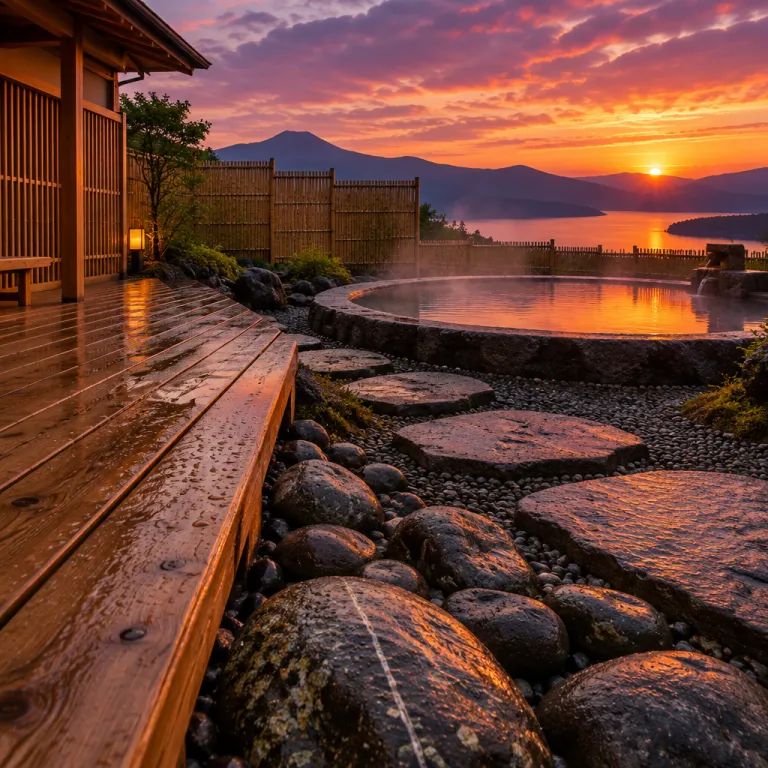
Why an onsen hotel in Hakone Japan defines the modern mountain escape
Staying at an onsen hotel in Hakone Japan offers a rare balance of refined comfort and elemental nature. In this mountain resort town, hot spring culture shapes every detail of the stay, from the design of the baths to the rhythm of each day. Guests often find that one night is not enough to fully appreciate the mineral rich waters, the surrounding peaks, and the quiet that settles in after dark.
The town of Hakone sits within Fuji Hakone Izu National Park, where volcanic activity feeds natural springs that supply many onsen ryokan and luxury resorts. According to Kanagawa Prefectural Government tourism data, Hakone consistently ranks among the most visited hot spring areas in the region. Choosing the best hotel here means understanding how each property uses its hot spring source, whether for open air baths, indoor pools, or suites with private soaking tubs. When you book a Hakone stay, you are not only reserving a room, you are securing access to a centuries old bathing tradition that still shapes daily life.
Travelers arrive from across Japan through station Hakone gateways such as Hakone Yumoto and Gora Station, then transfer to the scenic Hakone Tozan Railway or local buses. Many ryokan in Hakone offer shuttle services from Hakone Yumoto Station or from Gora, which simplifies the last leg of the journey with luggage. Before you confirm your reservation, always check availability for the specific room type and hot spring access you want, especially if you require private open air baths or day use plans for a special stay.
Choosing between classic ryokan and contemporary luxury hotels in Hakone
Staying in a traditional ryokan Hakone property means sleeping on futons in tatami rooms and bathing in shared hot springs. These onsen inns often serve elaborate kaiseki dinners in your room, turning the hotel stay into a curated culinary journey that highlights seasonal ingredients from Kanagawa Prefecture. For many guests, this style of hot spring retreat feels like the most authentic way to connect with local culture and with the slower pace of mountain life.
Contemporary hotel Hakone resorts, by contrast, usually offer Western style beds, larger rooms, and facilities such as lounges, spas, and sometimes pools overlooking Lake Ashi. Some of these hotels still pipe natural hot spring water into their baths, combining modern design with traditional onsen benefits in both private and shared spaces. When you check availability, look carefully at whether the hot baths are true hot springs or simply heated tap water, because the mineral content makes a noticeable difference to the skin and to the value of the stay.
Mountain travelers who enjoy refined onsen experiences in other regions, such as the elegant retreats in Hida Takayama, often compare those stays with Hakone’s mix of ryokan and hotels. A well planned stay in Hakone can include one night in a classic onsen ryokan and another in a contemporary property, giving you both atmospheres in a single trip. Whatever you choose, confirm whether suites with private open air baths are available on your dates, as these categories sell out quickly during peak seasons in Japan.
Hakone’s key areas: Hakone Yumoto, Gora, Lake Ashi and beyond
Hakone Yumoto is the main entry point to the region and one of the oldest hot spring districts, with many ryokan Hakone properties lining the river. An onsen hotel in Hakone Japan located near Hakone Yumoto Station offers easy access to shops and restaurants, which suits travelers who prefer a lively base. However, these hotels may feel less secluded than mountain properties around Gora or Lake Ashi, where the air cools quickly after sunset and the stars appear brighter.
The Hakone Gora area, reached via the Hakone Tozan Railway from Hakone Yumoto Station, sits higher in the mountains and is known for refined onsen ryokan with strong design identities. Around Gora Station, you will find hotels that feature open air baths with sweeping valley views, as well as rooms private with terraces and cedar soaking tubs. This part of Hakone is ideal for guests who want cooler air, quieter nights, and quick access to museums and gardens such as the Hakone Open Air Museum.
Closer to Lake Ashi, some hotel Hakone properties emphasize views of the lake and, on clear days, Mount Fuji, while still offering access to hot springs. The large resort complex around Hakone Kowakien, between Hakone Yumoto and Hakone Gora, combines family friendly facilities with serious bathing options, including multiple outdoor pools and different temperature baths. Travelers interested in the broader world of alpine hot spring luxury sometimes compare Hakone’s offerings with new openings in northern regions, such as the developments in Yamagata that are reshaping expectations for mountain onsen stays.
Accessing Hakone’s onsen hotels by rail and planning your arrival
Reaching an onsen hotel in Hakone Japan is straightforward from Tokyo, especially if you use the Romancecar from Shinjuku Station. This limited express train runs directly to Hakone Yumoto Station, where many hotels and onsen ryokan offer pick up services or clear directions to their properties. For travelers who value the journey as part of the stay, Japan’s luxury rail experiences can be as memorable as the hot springs themselves, with large windows framing forested valleys.
From Hakone Yumoto, the Hakone Tozan Railway climbs slowly toward Gora Station, passing forested slopes and small stations where local ryokan Hakone properties are tucked into the hills. If your hotel is near Gora or in the Hakone Gora area, check in advance whether the property provides a shuttle from the station, especially if you are carrying large luggage. Some hotels also coordinate luggage forwarding, allowing you to travel light while still enjoying multi night stays across different parts of Hakone.
International guests should check availability and train times before finalizing their hotel bookings, particularly during national holidays in Japan when services are crowded. When you reserve, confirm your estimated arrival time so the hotel can plan your welcome and explain how to reach the property from the nearest station Hakone stop. If you are combining Hakone with other mountain onsen regions, such as Hida Takayama or Yamagata, align your rail schedules carefully to maximize time in the hot springs rather than in transit.
Understanding onsen etiquette, room types, and payment at Hakone hotels
Bathing etiquette is central to any stay in an onsen hotel in Hakone Japan, whether you choose a traditional ryokan or a modern resort. Guests must wash thoroughly before entering the hot baths, then soak quietly without splashing or swimming, keeping towels out of the water. Many hotels provide illustrated guides in each room, which makes the process clear even for first time visitors and helps shared baths feel calm and respectful.
Room categories vary widely, from compact Western style rooms to expansive suites with private open air baths fed by natural hot springs. When you check availability, pay attention to whether the hot water in your room’s tub is true onsen water or standard heated water, as this affects both the feel and the price of the stay. Couples often prefer rooms private with terraces, while families may choose larger configurations that allow everyone to enjoy the hot springs together without rushing between time slots.
Most luxury hotels and onsen ryokan in Hakone accept major credit cards, but some smaller properties near Hakone Yumoto or Gora may still prefer cash for certain services. Before your stay in Hakone, confirm payment options and any pre authorization requirements, especially if you are using an international credit card. It is also wise to check the latest cancellation policies, as mountain weather or transport disruptions can occasionally affect arrival plans in this part of Japan.
Designing a refined multi day Hakone itinerary around hot springs and nature
A well structured stay in an onsen hotel in Hakone Japan usually spans at least two nights, allowing one full day for bathing and one for exploration. On your first day, arrive by Romancecar from Shinjuku or via the Shinkansen to Odawara, then transfer to Hakone Yumoto Station and check into your chosen hotel. Spend the late afternoon in the hot baths, alternating between indoor pools and open air baths as the mountain light changes and steam rises into the cool air.
The second day can focus on nature and culture, starting with a ride on the Hakone Tozan line toward Gora Station and the Hakone Gora area. From there, you can connect to ropeways and cruises on Lake Ashi, returning in time for another long soak in the hot springs before dinner. Guests who enjoy mountain onsen experiences in other regions, such as the refined retreats of Hida Takayama or the emerging alpine properties in Yamagata, often find that Hakone’s combination of transport convenience and natural beauty makes it one of the best bases in Japan.
On your final day, consider a morning visit to museums or gardens near Gora before checking out and returning to station Hakone gateways for your onward journey. If you plan to stay in Hakone again in a different season, keep notes on which rooms private or which ryokan Hakone properties suited your style, as repeat guests often refine their choices over time. With thoughtful planning around trains, baths, and room types, Hakone becomes not just a stopover but a signature mountain escape in your personal travel map of Japan.
Key statistics on Hakone onsen travel and mountain stays
- The Hakone area welcomes several million visitors each year, with a significant share choosing at least one night in an onsen hotel, according to data from the Kanagawa Prefectural Government.
- Surveys by the Japan Tourism Agency show that hot springs rank among the top three reasons international travelers book rural stays, alongside nature and food experiences.
- Rail operators report that the Romancecar services between Shinjuku and Hakone Yumoto regularly reach high occupancy during weekends and holidays, reflecting strong demand for short mountain escapes.
- Industry reports indicate that rooms with private open air baths can command rate premiums of around 20 to 40 percent compared with standard rooms in the same hotel.
- Visitor statistics for Fuji Hakone Izu National Park highlight Hakone as one of the most accessible hot spring regions from Tokyo, contributing to high repeat visit rates among domestic travelers.
FAQ about staying in an onsen hotel in Hakone Japan
How many nights should I stay in Hakone for an onsen focused trip ?
Two nights in an onsen hotel in Hakone Japan allow enough time to enjoy the hot springs, explore key sights such as Lake Ashi and Gora, and adjust to the slower mountain pace. One night can work for a quick escape, but it often feels rushed once you factor in travel from Tokyo. Longer stays suit travelers who want to combine multiple ryokan Hakone experiences in different parts of the region.
Do I need tattoos covered to use onsen baths in Hakone ?
Policies vary by hotel and onsen ryokan, so you should check availability of tattoo friendly facilities before booking. Some properties allow small tattoos if they are covered with patches, while others provide private open air baths or rooms private with onsen tubs for guests who prefer privacy. International travelers with larger tattoos may find it easier to choose hotels that clearly state inclusive policies on their websites or booking pages.
Is it better to stay near Hakone Yumoto Station or in Gora ?
Staying near Hakone Yumoto Station offers easier access to shops, restaurants, and the Romancecar from Shinjuku, which suits shorter trips. The Hakone Gora area, reached via the Hakone Tozan line, feels more secluded and often has onsen hotels with stronger mountain views and quieter surroundings. Many travelers split their stay in Hakone between the two areas to experience both atmospheres.
Can I visit Hakone’s hot springs as a day trip from Tokyo ?
A day trip from Tokyo to Hakone is possible using the Romancecar or Shinkansen plus local trains, and some hotels offer day use plans for their baths. However, a same day return limits your time in the hot springs and leaves little margin for delays or sightseeing. For a more relaxed experience, an overnight stay in an onsen hotel in Hakone Japan is strongly recommended.
What should I budget for a luxury onsen stay in Hakone ?
Rates for luxury onsen hotels and high end ryokan Hakone properties typically start from the mid range and rise significantly for suites with private open air baths. Prices usually include dinner and breakfast in traditional ryokan, while Western style hotels may price meals separately. Booking outside peak holidays and checking flexible dates can help you find the best value without compromising on hot spring quality.