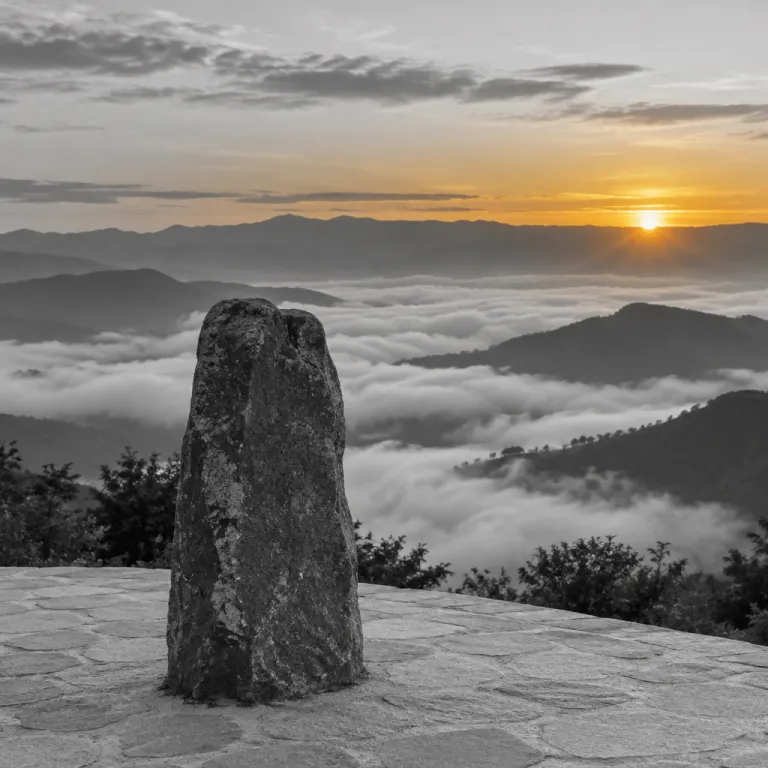
Kunimigaoka viewpoint Takachiho sunrise for luxury mountain travellers
Kunimigaoka viewpoint in Takachiho offers one of Japan’s most atmospheric sunrise experiences. From this modest hill above the Takachiho Basin, the first light spills over layered ridges while a shifting sea of clouds (unkai) wraps the valley in silence. For travellers booking luxury and premium hotels, this kunimigaoka viewpoint takachiho sunrise can become the poetic centrepiece of a refined Kyushu itinerary.
The viewpoint stands at about 513 meters above Takachiho Town in Miyazaki Prefecture, which keeps temperatures cool enough to form the famous sea clouds on certain mornings. When conditions align, the Takachiho Basin fills with mist, and the clouds Kunimigaoka effect creates the illusion of islands floating on a white sea. This natural spectacle has made the observation deck a quiet pilgrimage spot for photographers, honeymooners, and guests from high end ryokan with private hot springs.
Luxury travellers often arrive by private car with a driver, taking around fifteen minutes from the Takachiho Bus Center or from elegant inns near Takachiho Shrine. Others charter a taxi from Nobeoka Station after arriving by limited express train, then continue by bus Takachiho services into the mountains. However you reach this famous observation point, the early morning ascent rewards you with a beautiful, almost mythic panorama that feels far removed from Japan’s busy cities.
Timing the sea of clouds: when luxury guests should plan their stay
The sea of clouds over the Takachiho Basin is not guaranteed, so timing your stay is crucial. Local guidance is clear; “When is sea of clouds most visible? Between late September and early December during cold, clear, windless mornings”. For guests booking premium rooms in Takachiho Town or in wider Miyazaki, aligning check in dates with this late September to early winter window greatly increases the chance of witnessing a perfect kunimigaoka viewpoint takachiho sunrise.
On ideal days, the air above the basin cools rapidly overnight while the ground retains warmth, creating a hot and cold contrast that traps moisture as low lying fog. If the previous two or three days have been calm and clear, the sea clouds often form before dawn and linger as the sun edges over the ridgeline. From the viewing platform, you watch the clouds Kunimigaoka scene slowly thin, revealing rice terraces, forests, and the distant outline of Aso to the west.
High end travellers often pair this mountain escape with autumn foliage stays around Nikko or Hakone, using curated itineraries that follow the colour front across Japan. For example, some guests book a Tokyo base focused on autumn colour within reach of Tokyo and luxury stays for Nikko and Hakone, then continue south to Miyazaki once the leaves have turned in Kyushu. This staggered approach allows you to enjoy both mountain foliage and the ethereal sunrise above Takachiho Basin within a single, carefully planned journey.
Access, transfers, and private transport from station to summit
Reaching Kunimigaoka for sunrise requires some logistical care, especially for travellers used to door to door service at urban luxury hotels. Most visitors arrive first at Nobeoka Station on the Miyazaki coast, then transfer to a bus Takachiho route that winds inland through deep valleys. From the Takachiho Bus Center, a short ride by taxi, hotel car, or prearranged transfer brings you to the small car park below the observation deck.
For premium stays, many ryokan and upscale hotels in Takachiho Town offer early morning shuttle services directly to the viewpoint, which removes the stress of driving in darkness. The journey usually takes about fifteen minutes by car, and staff will advise you on the exact departure time based on that day’s sunrise. Once you arrive, a brief walk from the parking area leads to the viewing platform, where stone statues, railings, and a compact observation deck frame the panorama over the Takachiho Basin.
Guests combining several mountain escapes in Japan often link Takachiho with refined retreats in Hakone or the Aso region to the west. Some itineraries start with a stay in a Hakone mountain retreat with private onsen serenity, continue by rail to Kyushu, then use private drivers between Nobeoka Station, Takachiho Town, and the Kunimigaoka area. This style of travel keeps transfers smooth while allowing you to savour both hot spring indulgence and the cool, early morning air above the clouds Kunimigaoka is known for.
Myth, shrines, and the cultural depth behind the view
The kunimigaoka viewpoint takachiho sunrise is not only a natural spectacle; it is also steeped in myth and ritual. Local tradition recalls Tateiwatatsu no Mikoto, grandson of Emperor Jinmu, performing an ancient “Kunimi” ritual here, surveying the land from this hilltop. Today, a sacred statue of Tateiwatatsu no Mikoto stands near the observation area, while nearby shrines honour Ninigi no Mikoto, linking the modern viewing platform with Japan’s foundational legends.
Staying in Takachiho Town allows luxury guests to weave this mythology into a broader cultural circuit that includes Takachiho Shrine and Amanoiwato Shrine. Both shrines are associated with the story of the sun goddess Amaterasu, whose retreat into a cave plunged the world into darkness before light returned, a narrative that resonates strongly when you watch the first rays of sunrise break over the sea clouds. Evening kagura dance performances at Takachiho Shrine, followed by an early morning ascent to Kunimigaoka, create a powerful rhythm of night, ritual, and day for culturally curious travellers.
Many high end visitors appreciate that the site remains free to enter, with no admission fee for the observation deck or surrounding grounds at the time of writing. The atmosphere is quiet and contemplative, with only the soft murmur of other travellers and the occasional commentary from local guides referencing the Michelin Green Guide and its praise for the wider Takachiho area. In this setting, the beautiful interplay of myth, landscape, and carefully chosen accommodation elevates a simple sunrise into a deeply layered travel memory.
Onsen indulgence and hot spring wellness around Takachiho
After an early morning at Kunimigaoka, the contrast of stepping into a hot spring becomes part of the luxury. Several ryokan in and around Takachiho Town feature indoor and open air onsen baths, where mineral rich hot springs soothe muscles chilled by the dawn air. For many guests, alternating between the cool breeze of the observation deck and the enveloping warmth of hot springs defines the rhythm of a perfect mountain day.
While Takachiho is not as famous for onsen as Hakone or Beppu, the region still offers intimate hot spring experiences that pair well with the quiet character of the valley. Some properties provide private rotenburo baths attached to suites, allowing couples to soak while looking toward forested slopes that were hidden beneath clouds Kunimigaoka only hours earlier. Wellness focused travellers often schedule massages or aromatherapy sessions after their bath, turning a simple overnight stay into a restorative retreat in the heart of Miyazaki.
Those planning a broader itinerary across Japan can balance rural hot spring stays with urban elegance in the capital. A popular pattern is to reserve an extended city base in elegant two bedroom suites in Tokyo for refined urban stays, then fly or take the shinkansen and connecting bus to Takachiho for two or three nights. This combination lets you enjoy world class dining and shopping before retreating to a quiet onsen inn, where the memory of the kunimigaoka viewpoint takachiho sunrise lingers as you sink into steaming water.
Designing a premium mountain escape around Kunimigaoka
Curating a luxury itinerary around Kunimigaoka means thinking in layers; landscape, culture, and comfort should all align. Start by choosing a high end ryokan or contemporary hotel in Takachiho Town that offers flexible breakfast hours, since an early morning departure for sunrise will shift your usual routine. Properties that provide private transfers to the viewpoint, late check out, and in room dining make the experience smoother for guests who value discretion and ease.
Next, consider how to integrate nearby highlights such as Takachiho Gorge, Takachiho Shrine, and Amanoiwato Shrine into a balanced schedule that never feels rushed. One refined pattern is to arrive by car or Takachiho bus in the afternoon, stroll the shrine precincts before dinner, attend kagura dances, then rise before dawn for the kunimigaoka viewpoint takachiho sunrise. After a restorative nap and a leisurely hot spring session, you can dedicate the rest of the day to gentle walks, scenic drives, or private guided tours that explain the region’s geology and folklore.
For travellers who value recognition from established travel authorities, the wider area’s presence in the Michelin Green Guide and other green guide style publications offers additional reassurance. These endorsements highlight not only the beautiful scenery but also the care taken by local communities to preserve trails, shrines, and viewpoints. When you align such thoughtful destination stewardship with carefully selected accommodation, the result is a mountain escape that feels both indulgent and responsible.
Practical tips for a seamless sunrise experience
Even in the context of luxury travel, the kunimigaoka viewpoint takachiho sunrise demands a touch of practicality. Temperatures at 513 meters can feel surprisingly cold before dawn, so dress in layers that you can remove once the sun rises and the day warms. A light down jacket, gloves, and a hat make the early morning wait on the viewing platform far more comfortable, especially when a hot drink is not immediately available.
Because the road from Takachiho Town to the car park is narrow and dark, many travellers rely on hotel drivers who know each curve and passing point. If you do self drive, allow extra minutes for the ascent, carry a flashlight, and check local advice on road conditions the evening before. Mobile coverage is generally reliable, but it is wise to confirm your route from the bus center or your accommodation in advance, particularly if you are arriving late at night from Nobeoka Station or from the Aso region to the west.
Finally, remember that the sea clouds are a natural phenomenon, not a scheduled attraction, so build flexibility into your stay. Plan at least two mornings in Takachiho if your schedule allows, giving yourself multiple chances to see the famous sea of clouds from the observation deck. Even on days when the Takachiho Basin remains clear, the soft light, distant ridges, and quiet presence of stone statues near the railings still create a beautiful, contemplative start to your day in the mountains of Japan.
Key figures for planning a Kunimigaoka luxury sunrise stay
- Kunimigaoka stands at roughly 513 meters above sea level, which is high enough to generate temperature inversions that help create the sea of clouds over the Takachiho Basin on calm mornings.
- The drive from Takachiho Bus Center to the Kunimigaoka car park takes about fifteen minutes by car, making it feasible to depart shortly before dawn while still arriving in time to watch the first light of sunrise.
- The prime viewing season for the sea clouds typically runs from late September through early winter, giving luxury travellers roughly two to three months each year to target for the highest probability of seeing the phenomenon.
- The distance from central Takachiho Town to the viewpoint is around five kilometres, which allows some active guests to consider a pre arranged hike or run up to the observation deck when daylight conditions permit.
- There is currently no admission fee for the viewpoint or car park, which means that even travellers staying in premium accommodation can enjoy this signature experience without additional on site costs.
FAQ about Kunimigaoka sunrise and luxury stays in Takachiho
When is the sea of clouds most likely to appear at Kunimigaoka ?
The sea of clouds is most likely to appear between late September and early winter, especially on cold, clear, windless mornings following two or three stable days. During this period, temperature inversions over the Takachiho Basin trap moisture as fog, which then forms the sea clouds visible from the observation deck. Luxury travellers should plan at least two nights in Takachiho Town during this window to maximise their chances.
How far is Kunimigaoka from central Takachiho Town ?
Kunimigaoka lies about five kilometres from central Takachiho Town, which translates to roughly fifteen minutes by car under normal conditions. Most visitors travel from the Takachiho Bus Center or from their accommodation using taxis, hotel shuttles, or private drivers. The final approach ends at a small car park, from which a short walk leads to the viewing platform.
Is there an admission fee for the Kunimigaoka viewpoint ?
There is no admission fee for the Kunimigaoka viewpoint, and parking at the small lot below the observation area is also free at present. This makes the experience accessible even for travellers who are already investing in premium accommodation and private transport. Some guests choose to tip local guides or drivers, but this is separate from any official charge for the site itself.
Can I visit Kunimigaoka by public transport only ?
You can reach Takachiho by public transport, usually by taking a train to Nobeoka Station and then a bus Takachiho service into the mountains. However, there is no regular bus from the town directly to Kunimigaoka for sunrise, so you will need a taxi or hotel arranged transfer for the final leg. Many luxury properties are accustomed to organising these early morning rides for their guests.
How should I dress and what should I bring for sunrise ?
Even in warmer months, the early morning air at 513 meters can feel cold, so dress in layers and bring a light jacket, hat, and gloves. A small flashlight or headlamp helps on the path from the car park to the observation deck, and a thermos of a hot drink makes the wait more comfortable. Photographers should also carry spare batteries, as the combination of low temperatures and frequent shooting can drain power quickly.